What Ratings Matter For A Lockable Isolator Switch?
Lockable isolator switch ratings cover current, voltage, utilization category, poles, IP protection, safety standards, and load conditions.
What Does a Lockable Isolator Switch Actually Control?
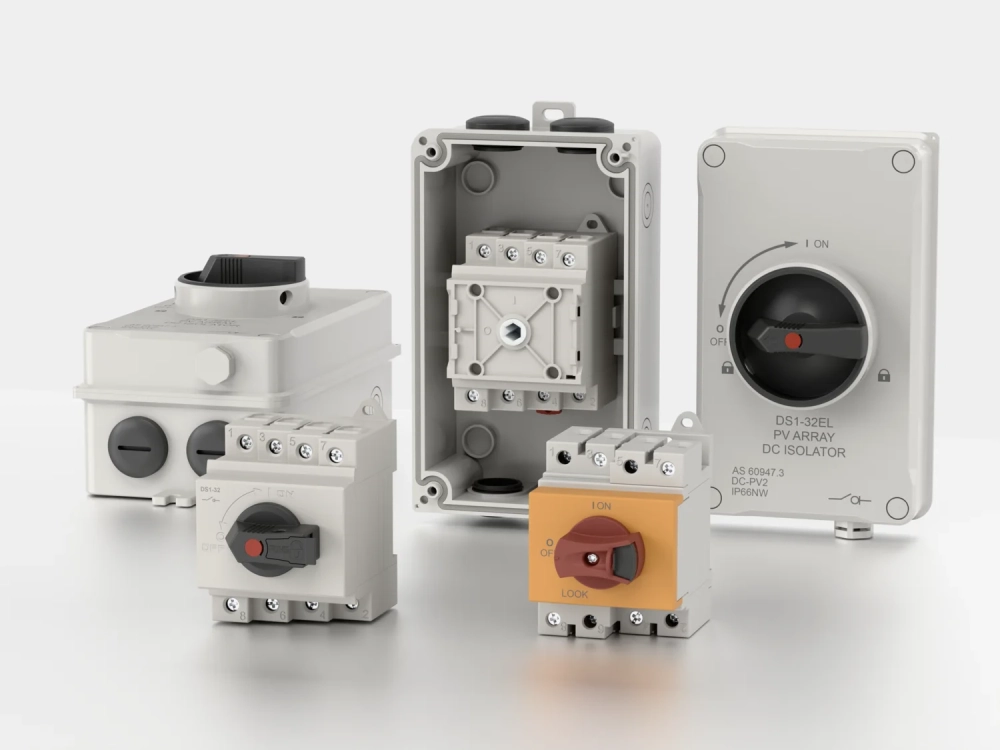
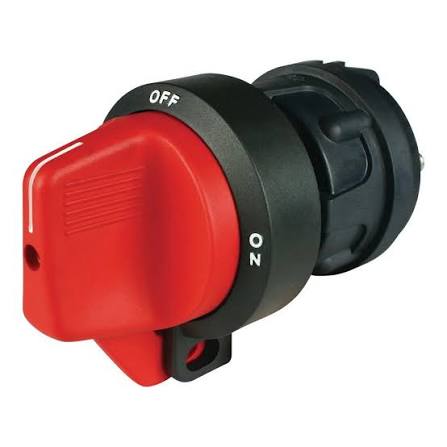
A lockable isolator switch provides a defined means of separating electrical equipment from its power source. Its role differs from that of a circuit breaker or fuse. Circuit breakers primarily interrupt excessive current during faults. An isolator creates a visible or reliable separation for safe maintenance. The locking function helps prevent unintended reconnection while technicians work. HSE guidance identifies disconnectors and switch-disconnectors with locking facilities as suitable isolation devices. Selection therefore requires more than checking the ampere value on a catalog page. Buyers should examine voltage, utilization category, poles, enclosure protection, terminals, and mechanical endurance. These parameters must match the actual installation conditions. A factory may otherwise receive a product that fits the circuit electrically but fails the intended isolation duty.
Why Does Current Rating Matter in a Lockable Isolator Switch?
Current rating determines how much continuous load current the device can carry under specified conditions. However, the printed ampere value does not describe every switching duty. A motor can draw substantially more current during starting than during normal operation. Heating equipment usually presents a different switching characteristic from an induction motor. Utilization category therefore matters alongside rated operational current. IEC 60947-3 provides the relevant framework for switch-disconnectors and similar low-voltage switching devices. Buyers should compare the manufacturer's rated current under the intended utilization category. For example, a 32 A device selected for a resistive load may not suit a 32 A motor circuit. Temperature, enclosure conditions, conductor size, and terminal capacity can also influence practical performance. Correct selection starts with the complete load profile.
| Parameter | What It Indicates | Typical Buyer Check |
|---|---|---|
| Rated operational current | Continuous current under specified conditions | Match the actual load |
| Rated operational voltage | Working voltage of the circuit | Confirm system voltage |
| Utilization category | Intended switching duty | Check motor or resistive load |
| Pole count | Number of conductors switched | Match circuit arrangement |
| IP rating | Protection against ingress | Match installation environment |
How Should Voltage Rating Be Selected?
Rated operational voltage Ue defines the voltage for which the device can operate under specified conditions. Rated insulation voltage Ui serves a different purpose. It relates to insulation performance rather than normal switching operation. Buyers should therefore avoid treating these values as interchangeable. A three-phase industrial system may operate at 400 V or 415 V between phases. Some installations use 230 V single-phase circuits. Higher-voltage systems require equipment with suitable insulation and switching characteristics. Frequency can also affect the applicable rating and certification conditions. Engineers should verify the complete nameplate specification before approving a purchase order. A voltage mismatch can create inadequate insulation margins or unsuitable switching performance. Procurement teams should also confirm whether the selected model carries the required regional certification. Documentation should identify the exact model, rated voltage, frequency, and applicable standards.
Which Breaking Capacity Ratings Should Buyers Check?
An isolator should not automatically be treated as a short-circuit protection device. Its primary function usually involves isolation and switching under specified operating conditions. A circuit breaker or fuse normally provides the main fault-current interruption. The selected equipment must still coordinate correctly with upstream protection. Short-circuit current at the installation point therefore matters during engineering review. Consider a factory motor feeder supplied from a distribution board with a high prospective fault current. The lockable isolator switch may have a suitable operational current rating but still require specified upstream protection. Manufacturers often provide coordination information for combinations with protective devices. Procurement teams should request this information when project fault levels are significant. Checking only the current rating can leave a major gap in the design review. Protection coordination should always follow the actual electrical installation design.
What Pole Configuration Fits Different Electrical Systems?
Pole configuration determines which conductors the device disconnects during isolation. Single-phase equipment may require two-pole switching when both live and neutral conductors need controlled separation. Three-phase machinery commonly uses three poles for the phase conductors. Four-pole arrangements can switch three phases plus neutral when the installation design requires it. Neutral switching needs careful engineering because not every system permits the same arrangement. The switching mechanism should also operate the poles together where simultaneous isolation matters. Buyers should verify terminal markings, conductor capacity, and switching sequence. Incorrect pole selection can leave part of a circuit energized despite the handle appearing off. Electrical drawings should therefore define the required isolation points before purchasing hardware. Product catalogs alone rarely provide enough context for choosing pole configuration correctly.
How Do Utilization Categories Affect Isolator Selection?
Utilization categories describe the type of load and switching duty a device can handle. AC-21 generally relates to switching resistive loads with limited overload conditions. AC-22 covers mixed resistive and inductive loads. AC-23 addresses motors and other highly inductive loads. This distinction becomes important when a switch controls pumps, compressors, fans, or machine drives. A motor circuit can impose stronger electrical stress during opening and closing. The device must therefore carry the appropriate rating for that duty. Buyers should never compare two switches using ampere values alone when their utilization categories differ. Manufacturer test data provides a better basis for comparison. The following selection sequence can help purchasing teams screen product specifications before requesting quotations:
- Identify the load type and normal operating current.
- Confirm system voltage and frequency.
- Check the required utilization category.
- Select the necessary pole configuration.
- Verify short-circuit coordination.
- Confirm enclosure and environmental requirements.
- Review certification and installation instructions.
How Does Mechanical Construction Affect Locking Reliability?
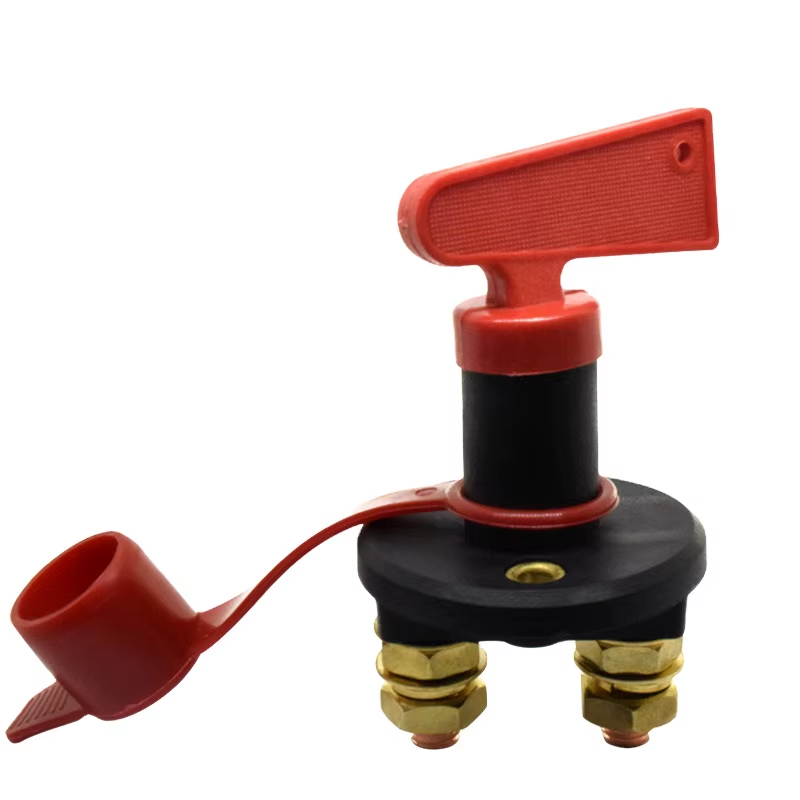
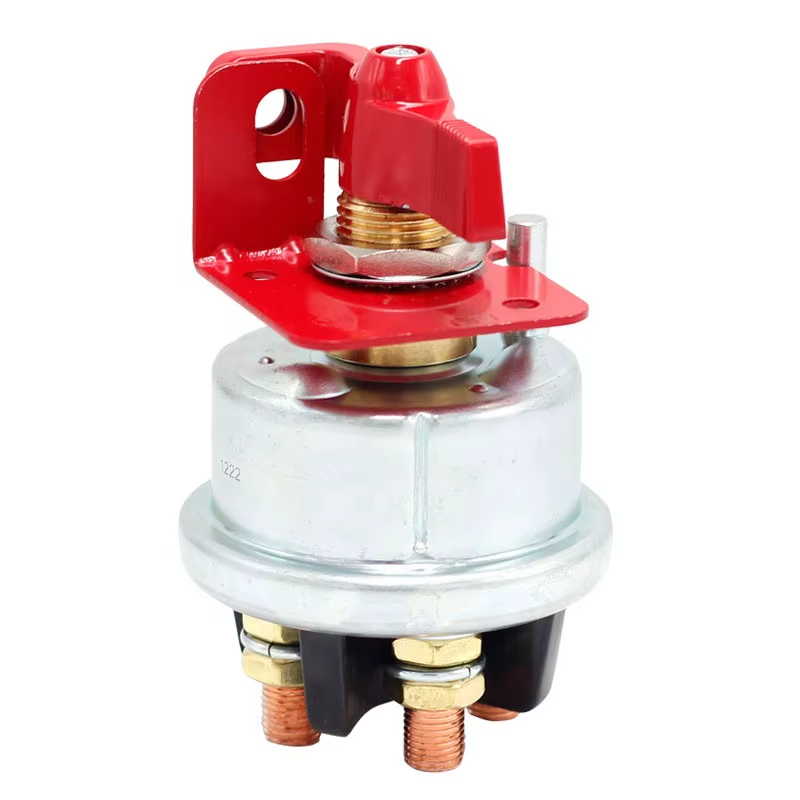
A locking mechanism must physically prevent unauthorized or accidental operation. The handle, shaft, contact mechanism, and locking interface all contribute to that function. Mechanical endurance indicates how many operating cycles the mechanism can withstand under specified test conditions. Frequent maintenance can place significant demands on handles and shafts. Outdoor installations add another concern because dirt, corrosion, and moisture can affect moving components. Buyers should check whether the handle accepts the required padlock arrangement. They should also verify whether the locked position clearly corresponds with the open contact position. A Disconnector Lock may form part of a broader lockout system, but compatibility still requires confirmation. Strong mechanical construction supports repeatable operation during planned maintenance. Product selection should therefore consider the complete operating mechanism rather than the external handle alone.
What IP Rating Fits Different Installation Environments?
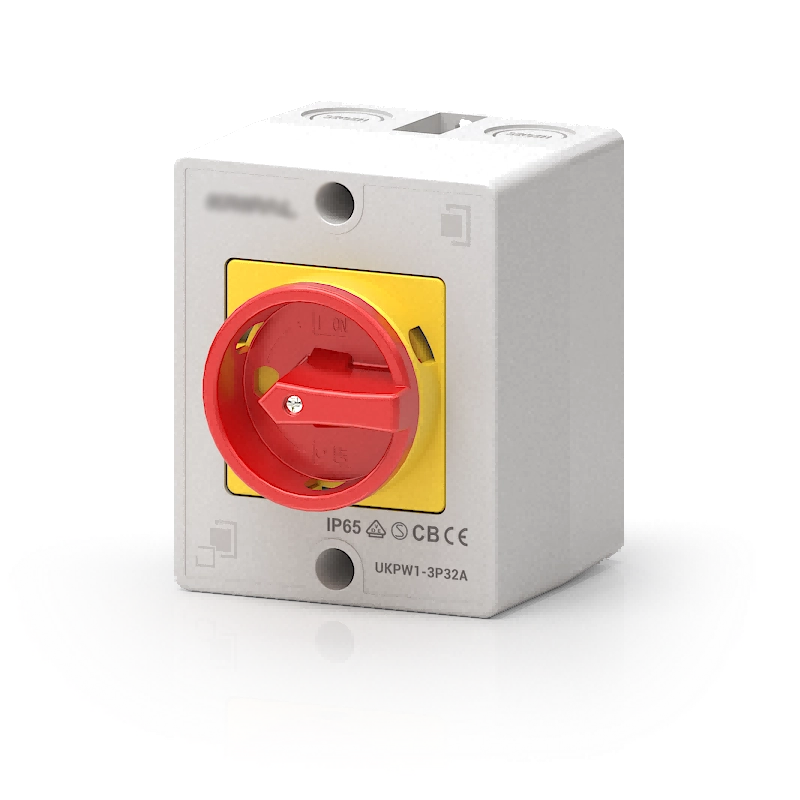
Ingress protection becomes critical when an isolator operates outside a clean electrical room. IP ratings define protection against solid objects and water under specified test conditions. IP54 provides useful protection against dust ingress and water splashes. IP65 offers stronger dust protection and resistance to water jets. IP66 provides dust-tight construction with stronger water-jet resistance. These ratings do not automatically prove suitability for every outdoor environment. UV exposure, condensation, chemicals, salt spray, and temperature changes can create additional stresses. A food-processing plant may require resistance to frequent washdown. A coastal facility may need better corrosion protection than a dry warehouse. Buyers should therefore evaluate enclosure materials and gasket construction alongside the IP code. Installation orientation and cable-entry methods also affect the finished protection level.
What Safety Standards Should Buyers Verify?
IEC 60947-3 provides an important technical reference for low-voltage switches, disconnectors, switch-disconnectors, and fuse combinations. Buyers should verify that certification applies to the exact product configuration. Rated voltage, current, utilization category, poles, and enclosure arrangement can affect the certified application. Regional projects may also require UL, CSA, CE-related documentation, or other market-specific requirements. Documentation should contain model numbers that match the supplied hardware. Generic certificates without clear product identification create procurement uncertainty. Safe isolation also requires more than selecting compliant equipment. HSE guidance states that electrical supplies should be isolated and secured against inadvertent or deliberate re-energization. Consequently, purchasing specifications should combine product ratings with installation procedures and lockout requirements.
What Can a Factory Case Reveal About Correct Ratings?
A documented HSE case shows why reliable isolation matters beyond catalog specifications. An electrical contractor inspected 11,000 V switchgear at a paper manufacturing plant while the equipment remained live. The contractor suffered injuries from the exposed energized equipment. Factory employees later entered the area and worked near the same live equipment without suitable competence. The company was prosecuted and received a £12,500 fine. This case involved high-voltage switchgear rather than a typical low-voltage isolator. However, the engineering lesson remains relevant. Isolation must create a controlled separation before maintenance begins. A lockable isolator switch can help prevent reconnection when incorporated into a suitable safe-working procedure. Ratings alone cannot compensate for poor isolation planning, unclear responsibilities, or inadequate verification.
Which Ratings Should B2B Buyers Compare Before Ordering?
B2B buyers should compare the complete technical specification before approving a production order. A supplier quotation that lists only current and voltage provides insufficient engineering information. Procurement teams should request test reports, certification, drawings, terminal details, and installation instructions where appropriate. They should also confirm whether the quoted ratings apply to the intended utilization category. Large projects need consistent specifications across every production batch. Substituting a visually similar model can change the electrical or mechanical performance. OEM projects require additional control over labeling, handle configuration, enclosure material, and documentation. The following table provides a practical comparison framework for purchasing teams.
| Rating or Feature | Why It Matters | Key Verification |
|---|---|---|
| Ue | Defines normal operating voltage | Match system voltage |
| Ie | Defines rated operating current | Match load and duty |
| AC category | Defines switching application | Confirm load type |
| Poles | Determines conductor isolation | Match wiring design |
| IP code | Defines ingress protection | Match site conditions |
| Mechanical endurance | Indicates operating durability | Review manufacturer data |
| Certification | Supports market compliance | Verify exact model |
| Locking provision | Supports controlled isolation | Check padlock compatibility |
How Can Buyers Match Ratings to Real Installation Conditions?
Correct selection starts with the installation rather than the product catalog. Engineers should identify the equipment load, supply voltage, fault level, environment, maintenance method, and required isolation points. Motor applications need special attention to switching category and starting conditions. Outdoor installations need appropriate ingress and corrosion protection. Maintenance procedures should also define who can isolate, lock, verify, and restore the supply. HSE guidance recommends locking off equipment where accidental reconnection could create danger. For low-voltage isolation, HSE also identifies disconnectors and switch-disconnectors with locking facilities as suitable isolation devices. A properly specified lockable isolator switch therefore forms one part of a larger safety system. The best procurement decision matches electrical ratings, mechanical construction, environmental protection, certification, and site procedures together.
FAQ
Can a lockable isolator switch replace a circuit breaker?
No, the two devices normally perform different functions. A circuit breaker can interrupt excessive current and short-circuit conditions within its rated capability. An isolator primarily provides electrical separation for switching and maintenance. Some switch-disconnectors can perform defined switching duties, but they should not automatically replace overcurrent protection. Engineers must check the manufacturer's ratings and coordination requirements. Upstream fuses or circuit breakers may remain necessary to protect conductors and equipment. Safe isolation also requires the supply to remain secured against unintended reconnection. HSE guidance specifically recommends securing isolation against inadvertent or deliberate re-energization. Therefore, buyers should treat isolation and overcurrent protection as separate design functions unless the selected device documentation explicitly combines them.
Is a higher current rating always better?
A higher current rating does not automatically create a better installation. The device still needs the correct utilization category, voltage rating, poles, terminals, and environmental protection. Oversizing can also create practical problems when terminal dimensions, conductor sizes, or enclosure space differ. Motor circuits provide a clear example. A switch rated for a certain current under AC-21 conditions may not provide the same performance under AC-23 duty. Buyers should compare the rated operational current under the actual application category. Short-circuit coordination also requires attention because the isolator does not necessarily provide fault-current interruption. The best specification balances electrical performance with installation requirements. Matching the device to the actual load usually provides a more defensible engineering result than simply choosing the largest available ampere rating.
What IP rating is suitable for outdoor isolators?
The appropriate IP rating depends on the actual environment rather than the word “outdoor” alone. A sheltered outdoor installation may face rain and condensation but little direct water impact. A washdown area can expose the enclosure to repeated water jets and cleaning chemicals. Dusty industrial locations may require stronger solid-particle protection. IP65 and IP66 can suit demanding conditions when the complete assembly supports those ratings. Cable glands, covers, seals, and installation methods must also maintain the intended protection. Corrosive atmospheres require additional material and coating considerations. Buyers should therefore specify the environmental conditions before selecting an enclosure. The final choice should reflect water exposure, dust, temperature, chemicals, UV exposure, and maintenance practices rather than relying on the IP number alone.