
What Role Does the Earth Fault Indicator Function Play?
Earth fault indicator function improves fault detection accuracy, reduces outage time, and supports safer medium-voltage cable systems.
The earth fault indicator function supports rapid fault detection in medium-voltage distribution systems. Power utilities rely on this function to locate grounding faults before severe equipment damage occurs. Electrical networks often experience insulation failures, cable degradation, and transient short circuits. Accurate fault identification reduces downtime and improves service continuity. Modern systems combine sensors, magnetic detection units, and intelligent communication modules. These components deliver stable monitoring performance under changing load conditions. Many utilities install indicators across substations, underground cable routes, and ring main units. Reliable detection also protects transformers, switchgear, and feeder circuits from extended fault exposure. Industrial operators prefer automated monitoring because manual inspections consume significant labor resources and increase operational delays.
Core Operating Principles Inside Fault Detection Systems
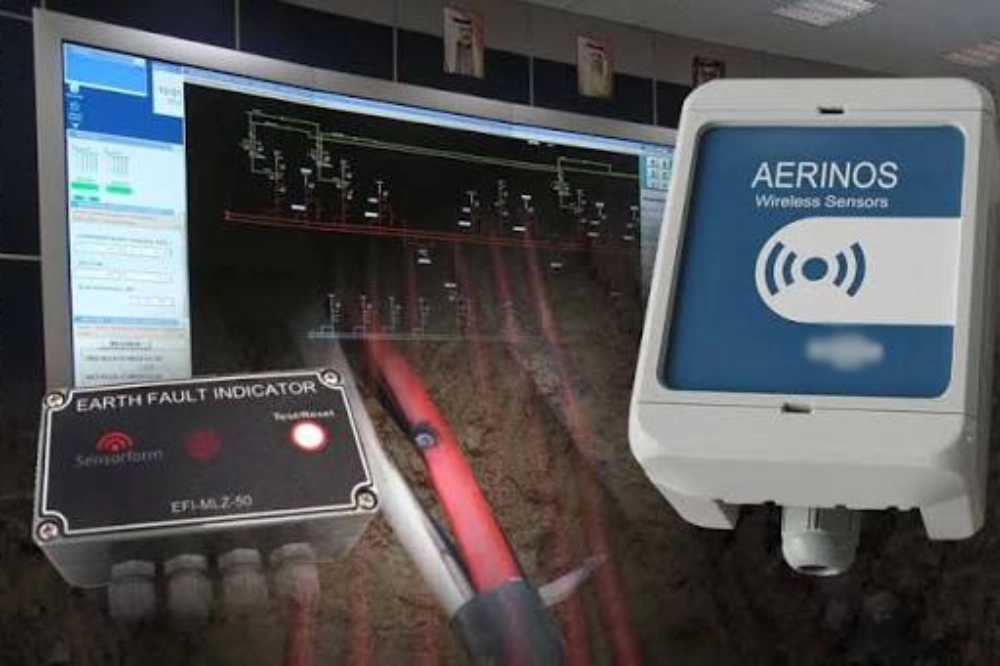
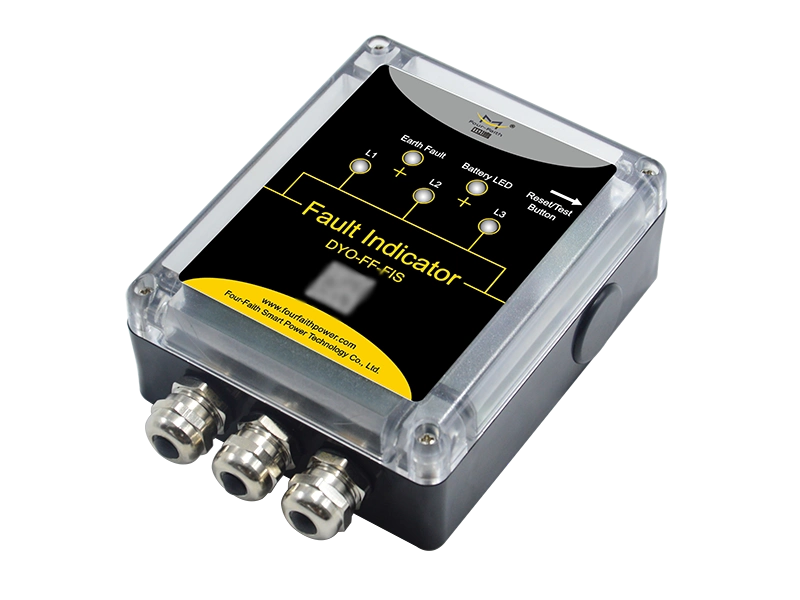
Earth fault indicators monitor abnormal current flow between conductors and ground paths. Current transformers detect imbalance conditions during insulation breakdown events. Internal circuitry analyzes phase displacement and residual current magnitude continuously. Once the threshold exceeds preset values, the indicator activates visual or remote alarms. Utilities often configure detection sensitivity according to network voltage levels and grounding methods. Resonant grounding systems require different settings from isolated neutral systems. Digital models also store event records for maintenance analysis. Several manufacturers integrate wireless communication for real-time control center reporting. Advanced devices support SCADA compatibility, enabling centralized network supervision. Stable signal filtering reduces false alarms caused by switching surges or temporary disturbances within overhead or underground distribution networks.
Why the Earth Fault Indicator Function Improves Network Reliability
The earth fault indicator function shortens fault isolation time significantly across complex distribution networks. Maintenance teams can identify damaged cable sections without lengthy manual inspections. Faster response minimizes customer outage duration and lowers operational losses. Utilities also improve workforce safety because technicians avoid unnecessary exposure to energized equipment. Stable monitoring performance becomes essential in industrial plants with continuous production schedules. Chemical facilities, mining operations, and transportation systems require uninterrupted electrical stability. Many operators integrate automated indicators into preventive maintenance programs. Accurate detection reduces transformer overheating risks and prevents secondary equipment damage. Intelligent monitoring also supports compliance with utility reliability standards. Improved network visibility allows engineers to optimize maintenance planning and reduce long-term infrastructure replacement costs.
Types of Earth Fault Detection Technologies in Modern Grids
Manufacturers provide several indicator configurations for different operational environments. Pole-mounted indicators support overhead line monitoring in rural distribution systems. Cable-mounted models operate inside switchgear compartments and underground feeder installations. Portable detectors assist maintenance crews during temporary troubleshooting operations. Digital intelligent units provide communication interfaces for automated substations and smart grids. Some systems combine fault passage indication with temperature monitoring functions. Utilities select products according to voltage class, environmental conditions, and network topology. High-humidity regions often require sealed enclosures with enhanced corrosion resistance. Industrial sites may require electromagnetic shielding against heavy interference sources. Engineers also evaluate IEC compliance standards before equipment deployment to ensure stable long-term performance across demanding operational environments.
| Indicator Type | Primary Application | Key Advantage | Installation Location |
|---|---|---|---|
| Pole-Mounted | Overhead distribution lines | Wide-area visibility | Utility poles |
| Cable-Mounted | Underground networks | Accurate cable fault location | Switchgear compartments |
| Portable Detector | Temporary maintenance work | Flexible troubleshooting | Field operations |
| Digital Intelligent Unit | Smart grid systems | Remote monitoring capability | Automated substations |
Installation Practices That Support Stable Performance
Correct installation determines detection accuracy and operational reliability. Technicians position sensors around cable conductors according to manufacturer specifications. Improper orientation may reduce sensitivity and increase false indications. Cable shielding and grounding continuity also influence monitoring stability. Utilities commonly follow IEC 60255 protection relay standards during deployment procedures. Environmental sealing protects electronic components against moisture, dust, and ultraviolet exposure. Installers should verify current transformer polarity before energizing the system. Network engineers often conduct simulation testing after commissioning activities. Functional verification confirms alarm transmission and fault recording accuracy. The EKL4 Short-Circuit Grounding Fault Indicator for Cables supports underground cable monitoring where precise localization remains critical. Utilities prefer compact housing designs because installation space inside switchgear compartments often remains limited.
Maintenance Strategies for Long-Term Operational Stability
Routine maintenance ensures dependable detection capability throughout the equipment lifecycle. Utilities schedule periodic inspections to confirm stable communication and sensor calibration. Dust accumulation and moisture ingress may reduce electronic reliability over time. Technicians inspect enclosure seals and terminal connections during preventive maintenance visits. Firmware updates improve signal processing performance and communication compatibility. Several digital systems provide self-diagnostic features for rapid condition assessment. Maintenance teams also verify battery condition in standalone wireless indicators. Thermal scanning helps identify overheating terminals and abnormal resistance conditions. Documentation remains important because historical fault records support predictive maintenance analysis. Effective servicing practices reduce unexpected outages and extend operational lifespan across distribution assets exposed to demanding environmental conditions.
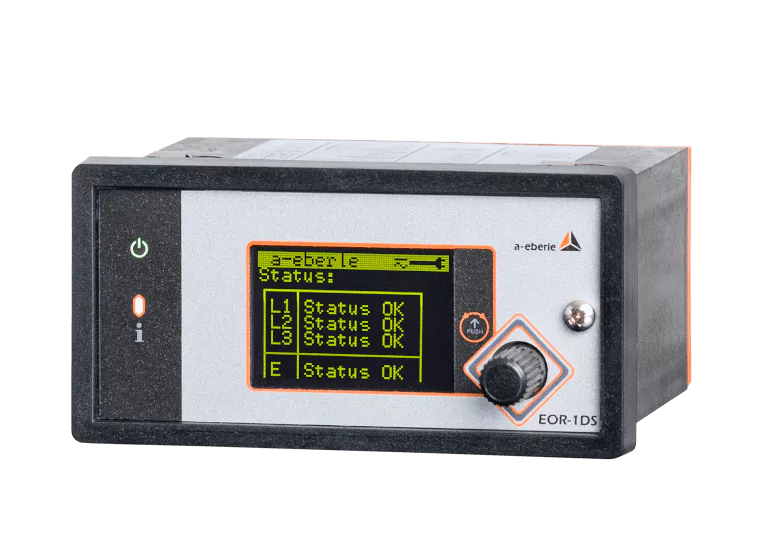
Common Fault Conditions and Troubleshooting Methods
Electrical distribution systems experience several recurring grounding fault scenarios. Cable insulation deterioration frequently causes leakage current and intermittent grounding events. Moisture penetration inside joints and terminations also contributes to insulation failure. Switching surges sometimes create temporary residual current disturbances. Maintenance personnel analyze waveform records to distinguish permanent faults from transient conditions. Digital indicators simplify troubleshooting because event logs support detailed fault evaluation. Several utilities deploy sectionalizing strategies to isolate damaged feeders rapidly. Correct grounding resistance values remain essential for stable network protection coordination. Engineers also inspect current transformer saturation during abnormal operating conditions. Accurate troubleshooting minimizes unnecessary equipment replacement and improves restoration efficiency across medium-voltage infrastructure exposed to continuous operational stress.
| Fault Condition | Primary Cause | Operational Impact | Recommended Action |
|---|---|---|---|
| Insulation Breakdown | Aging cable materials | Ground leakage current | Replace damaged cable section |
| Moisture Intrusion | Poor sealing quality | Intermittent alarms | Inspect joints and enclosures |
| Switching Surge | Network transient activity | Temporary fault indication | Analyze waveform records |
| Transformer Ground Fault | Internal insulation damage | Equipment overheating | Perform immediate isolation |
How Intelligent Monitoring Supports Smart Grid Development
Modern utilities require continuous visibility across expanding distribution networks. Intelligent monitoring devices support automated fault management and remote operational control. Smart grid platforms combine sensors, communication gateways, and centralized analytics software. Integrated monitoring reduces restoration time during severe network disturbances. Several utilities deploy wireless communication protocols for distributed monitoring architecture. Cloud-based systems also support historical data storage and predictive maintenance planning. The earth fault indicator function remains important within automated feeder management systems. Accurate event reporting improves outage coordination between substations and field technicians. Many operators also integrate environmental monitoring for temperature and load analysis. The EKL4-W Current Temperature Fault Online Monitor OEM/ODM supports advanced monitoring applications requiring combined thermal and grounding supervision.
Advantages of Intelligent Fault Detection Systems
Utilities increasingly replace manual inspection procedures with automated monitoring infrastructure. Intelligent systems improve operational efficiency and reduce emergency maintenance expenses. Several important advantages support wider industry adoption:
- Faster grounding fault localization
- Reduced inspection workload
- Better operational safety
- Improved outage restoration speed
- Stronger smart grid compatibility
- Stable event data collection
- Enhanced predictive maintenance planning
These advantages improve long-term infrastructure reliability across industrial and utility applications. Network operators also gain stronger visibility during complex fault conditions. Automated analysis supports better resource allocation and maintenance scheduling decisions. Advanced communication technology continues expanding monitoring capabilities within modern electrical infrastructure.
Future Trends in Earth Fault Indicator Function Technology
Electrical utilities continue modernizing distribution systems through digital monitoring technologies. Advanced sensors now support higher measurement accuracy and improved electromagnetic resistance. Artificial intelligence applications also support predictive fault analysis across large utility networks. Several manufacturers develop low-power wireless indicators for remote infrastructure deployment. Renewable energy integration increases the importance of stable grounding fault supervision. Solar farms and wind power systems require accurate monitoring under fluctuating load conditions. Utilities increasingly prioritize cybersecurity protection within connected monitoring platforms. Engineers also focus on reducing false alarms through improved signal processing algorithms. The earth fault indicator function will remain essential for improving grid resilience, operational safety, and long-term asset protection across future electrical distribution infrastructure.
FAQ
How does an earth fault indicator improve electrical safety?
An earth fault indicator improves electrical safety by identifying abnormal grounding conditions rapidly. Faster fault detection reduces exposure to dangerous energized equipment and damaged cable sections. Maintenance personnel can isolate affected feeders before faults spread across additional network components. Reliable monitoring also lowers transformer overheating risks and prevents insulation failure escalation. Several utilities integrate automated indicators with remote alarm systems for immediate operational response. Industrial facilities benefit from stable monitoring because unexpected outages may interrupt sensitive production equipment. Properly configured indicators support compliance with electrical safety regulations and utility reliability standards. Continuous supervision strengthens operational awareness within complex medium-voltage distribution environments.