What Tests Are Included In VDIS Testing Requirements?
VDIS test procedures evaluate voltage detection, insulation, and reliability tests for safe medium voltage switchgear performance.
Why Are VDIS Test Procedures Important For Medium Voltage Equipment Safety?
Medium voltage equipment requires accurate voltage status information before inspection and maintenance activities. VDIS Test Procedures verify whether voltage indicating devices provide dependable signals during operation. These evaluations examine electrical response, insulation capability, and environmental stability. Engineers use testing results to confirm equipment reliability under expected working conditions. A properly tested system helps reduce risks caused by incorrect voltage identification. It also supports safer procedures inside switchgear installations. Manufacturers usually perform multiple assessments because voltage indicators must maintain stable performance throughout their service life. Careful testing improves confidence for operators and maintenance teams.
What Are The Main VDIS Test Procedures In Testing Requirements?
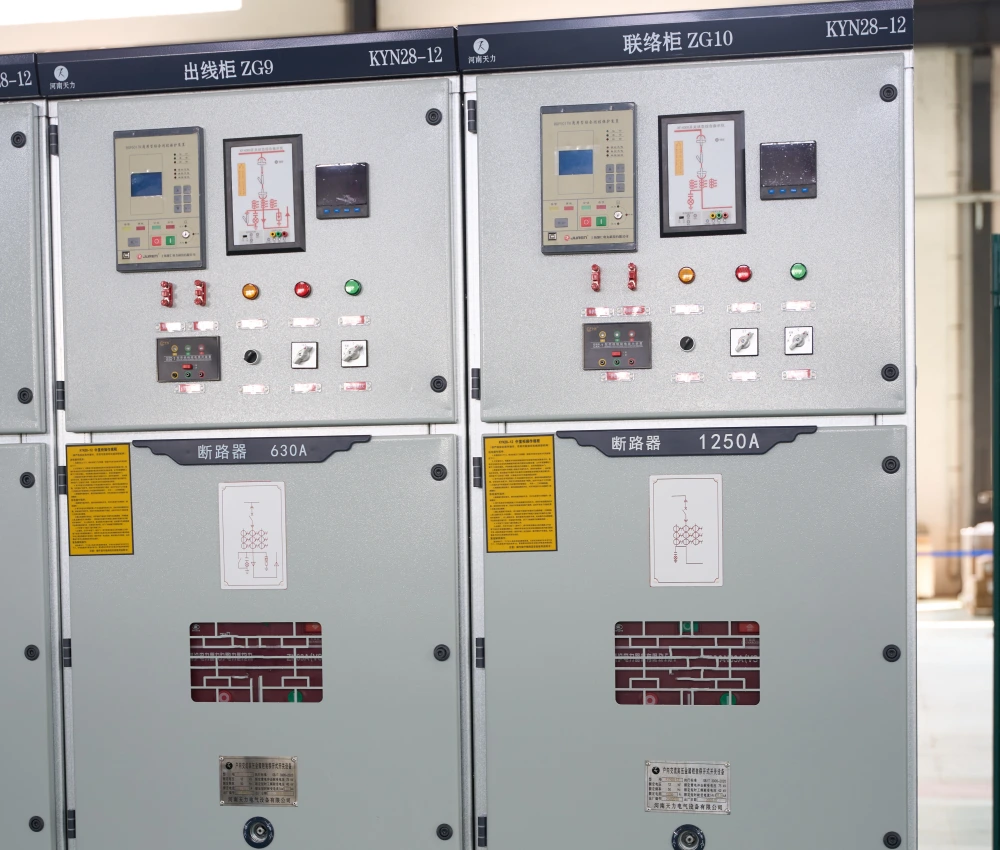
VDIS Test Procedures include several important checks that evaluate system performance and safety. Engineers normally inspect voltage detection accuracy, insulation strength, signal visibility, and mechanical reliability. Each test focuses on a different operating factor that may influence indicator performance. Voltage detection checks confirm whether the device identifies electrical conditions correctly. Insulation evaluations examine protection against electrical stress. Signal tests verify clear indication under different voltage states. Mechanical inspections review housing strength and connection quality. These assessments create a complete evaluation process for industrial switchgear applications. Reliable testing helps maintain safe electrical operations and supports long-term equipment performance.
| Test Category | Testing Purpose | Main Evaluation Point |
|---|---|---|
| Voltage Detection Test | Confirm voltage recognition performance | Accuracy and response speed |
| Insulation Test | Check electrical protection ability | Dielectric strength and resistance |
| Signal Function Test | Verify indication operation | Display clarity and stability |
| Environmental Test | Evaluate application durability | Temperature and humidity resistance |
How Does Voltage Detection Testing Verify System Accuracy?
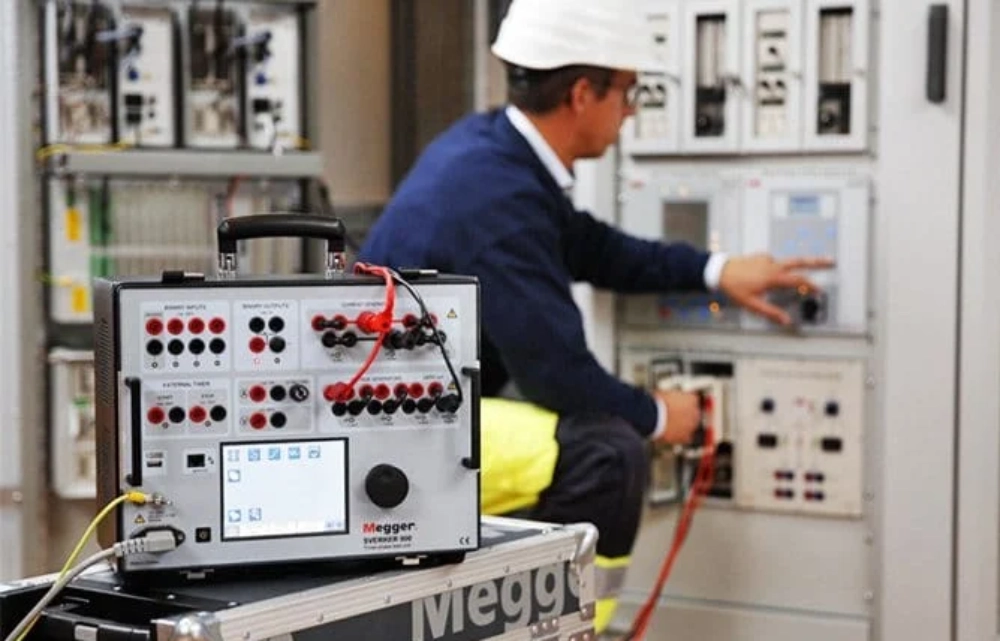
Voltage detection testing evaluates whether indicators respond correctly to applied electrical conditions. Engineers use controlled voltage sources to simulate different operating situations. They compare actual responses with required technical values. The process checks activation levels, signal consistency, and measurement tolerance. Sensor quality and circuit design directly influence detection accuracy. A stable voltage indicator allows operators to confirm electrical conditions before performing maintenance work. Testing can also reveal issues caused by component aging or connection problems. Professional facilities often combine laboratory assessments with practical simulations. This approach provides more reliable performance verification for demanding electrical environments.
What Insulation And Electrical Safety Tests Are Required?
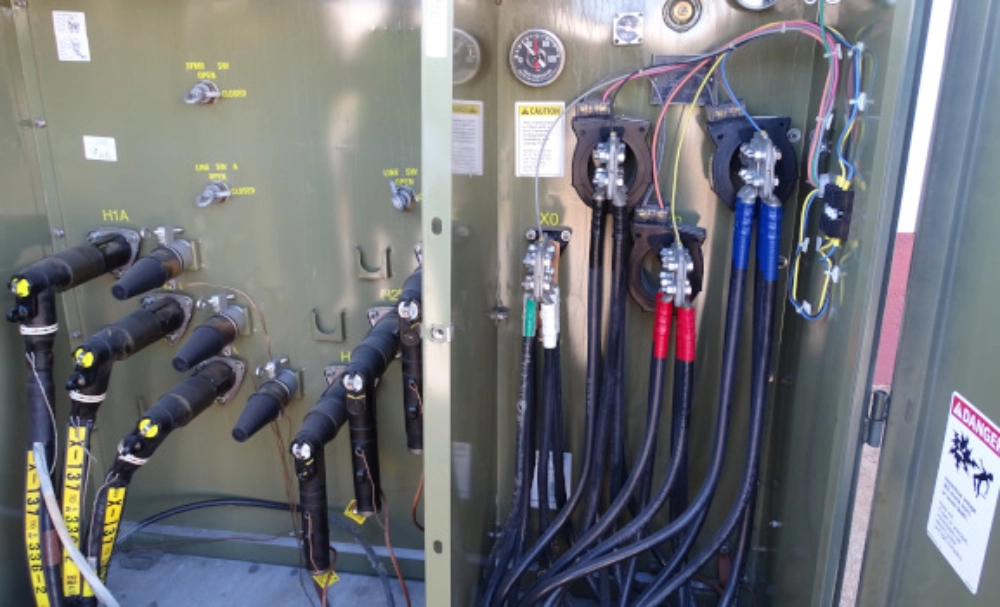
Electrical safety inspections focus on insulation performance and protection capability. Engineers apply controlled electrical stress to examine material strength and system durability. Insulation resistance, leakage current, and dielectric performance are important evaluation points. Internal spacing, terminal structure, and protective housing design also affect safety results. High-quality insulation prevents unexpected electrical breakdown and improves equipment reliability. Testing teams review every measurement carefully because insulation problems may create serious operational risks. Proper evaluation methods help confirm that voltage indicating devices can operate safely in medium voltage applications.
| Inspection Area | Method | Expected Result |
|---|---|---|
| Electrical Strength | High voltage stress testing | Stable insulation performance |
| Connection Quality | Terminal inspection | Reliable electrical contact |
| Mechanical Structure | Physical examination | Secure installation support |
| Environmental Resistance | Climate simulation | Stable operation in conditions |
How Do Environmental Conditions Influence Indicator Reliability?
Environmental conditions can affect voltage indicator performance over time. Temperature changes may influence electronic components and internal materials. Moisture exposure can create corrosion risks around connections. Vibration may weaken mechanical structures during long operation periods. Environmental testing evaluates whether equipment maintains stable functions under these challenges. Engineers often perform temperature cycling, humidity evaluation, and vibration simulation. These procedures reveal possible weaknesses before products enter practical applications. Strong environmental resistance improves reliability in indoor and outdoor electrical systems. Manufacturers use collected data to optimize designs and select suitable materials for different installation environments.
Key Factors In VDIS Test Procedures For Professional Evaluation
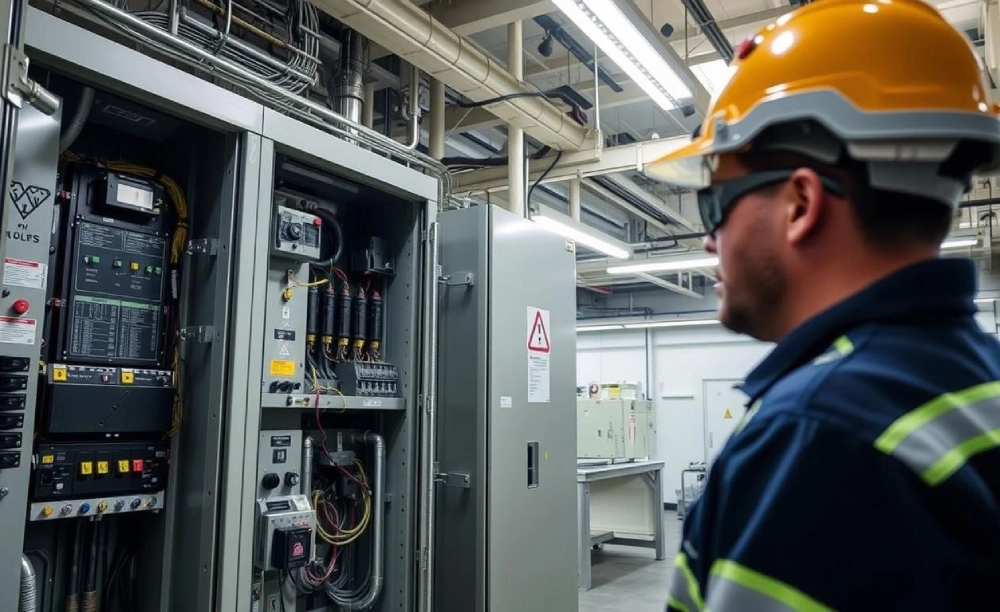
Professional evaluation requires detailed inspection of electrical, mechanical, and environmental characteristics. VDIS Test Procedures help engineers identify performance differences between products and application requirements. Testing teams review voltage compatibility, indicator visibility, connection stability, and response behavior. Accurate records support maintenance planning and quality management. Engineers also consider installation space because switchgear designs vary across industries. A complete evaluation process improves equipment selection and reduces future operational problems. Testing information provides valuable support for users who require dependable voltage indication solutions.
Important evaluation points include:
- Confirming rated voltage compatibility.
- Checking indicator response accuracy.
- Reviewing insulation protection performance.
- Inspecting mechanical connection stability.
- Recording inspection results for future maintenance.
What Equipment Features Should Engineers Review Before Testing?
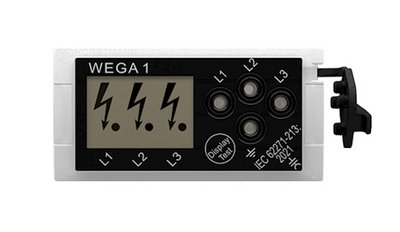
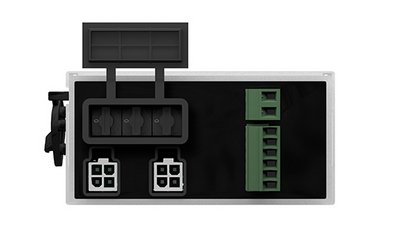
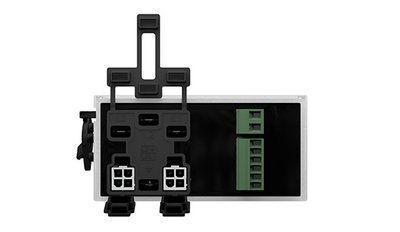
Engineers should examine product specifications before starting technical evaluations. Voltage range, mounting method, housing structure, and connection design influence final results. A suitable product must match the switchgear environment and electrical requirements. The 88x28mm Switchgear Voltage Indicator Vpis offers a compact structure for applications where installation space is limited. Engineers should also review supplier documents and previous inspection records. Correct preparation improves testing efficiency and helps identify possible compatibility concerns. Detailed product analysis supports better equipment decisions and improves operational reliability.
How Should Teams Analyze Test Results After Inspection?
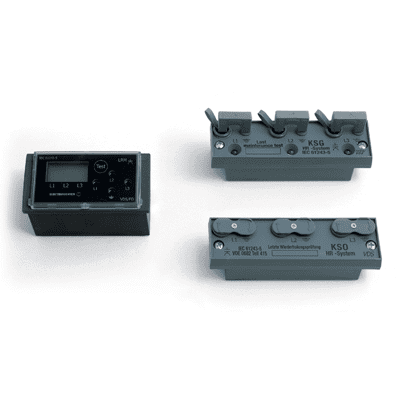
Test result analysis requires careful comparison between measured values and technical requirements. Teams review detection performance, insulation results, and environmental responses after completing inspections. VDIS Test Procedures provide important information for evaluating product quality and operational stability. Engineers record test values, inspection dates, and equipment conditions for future reference. The DXN8D 12 Voltage Presence Indicating System represents an application where detailed evaluation supports reliable voltage indication performance. Proper analysis helps maintenance teams identify changes early and create effective service plans. Accurate records also improve quality management throughout equipment operation.
How Can Regular Testing Improve Long Term Electrical Safety?
Regular inspections help maintain stable performance and reduce unexpected equipment failures. Maintenance schedules should consider operating conditions, equipment importance, and manufacturer recommendations. Teams often combine visual checks with electrical measurements to monitor system status. Consistent evaluation can identify aging components, loose connections, and environmental damage. Organizations benefit from detailed maintenance records because these documents support future decisions. Effective testing practices improve safety management and help electrical systems maintain reliable operation. Continuous monitoring also supports better resource planning and reduces unnecessary downtime.
Recommended maintenance actions include:
- Checking voltage indication functions regularly.
- Reviewing electrical connections carefully.
- Recording inspection information consistently.
- Monitoring environmental changes around equipment.
- Replacing damaged components when necessary.
How Can Manufacturers Improve Testing Accuracy During Production?
Manufacturers improve testing accuracy by combining automated equipment with strict quality control processes. Production teams inspect electrical response, component assembly, and signal stability before shipment. Each unit receives evaluation based on technical specifications and application requirements. Automated systems can detect small performance differences that may affect long-term reliability. Engineers also review inspection records to maintain consistent manufacturing standards. Production testing supports dependable equipment quality and reduces possible defects. Continuous improvement methods help manufacturers provide more stable solutions for different switchgear applications. Strong production control creates additional confidence for users selecting voltage indication products.