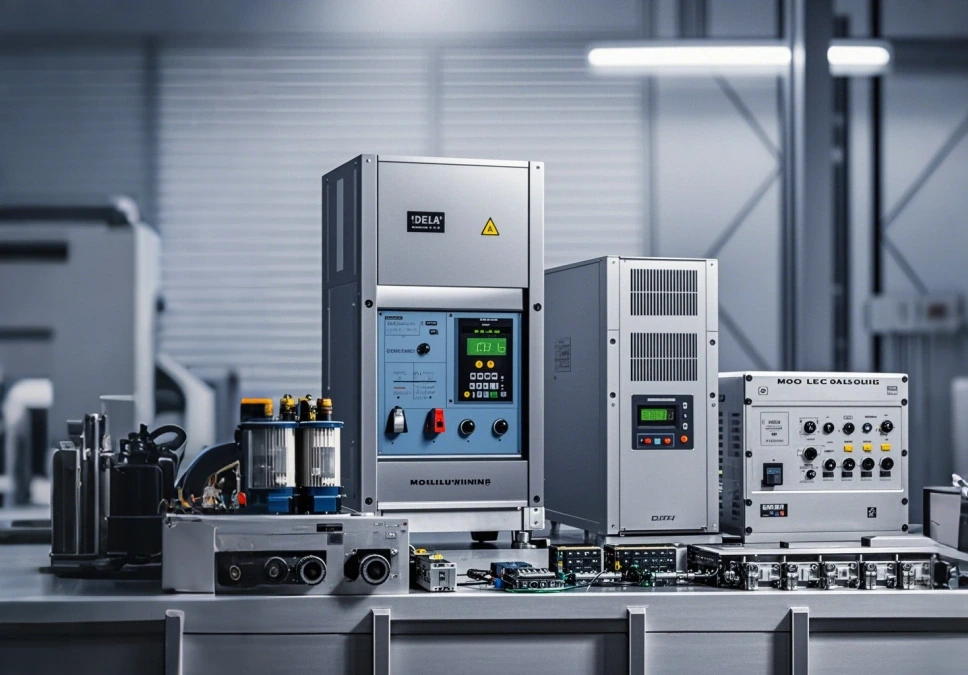
What Does VDIS Indicator System Quality Include?
VDIS testing requirements ensure accurate voltage detection, safe operation, and reliable performance through quality evaluation.
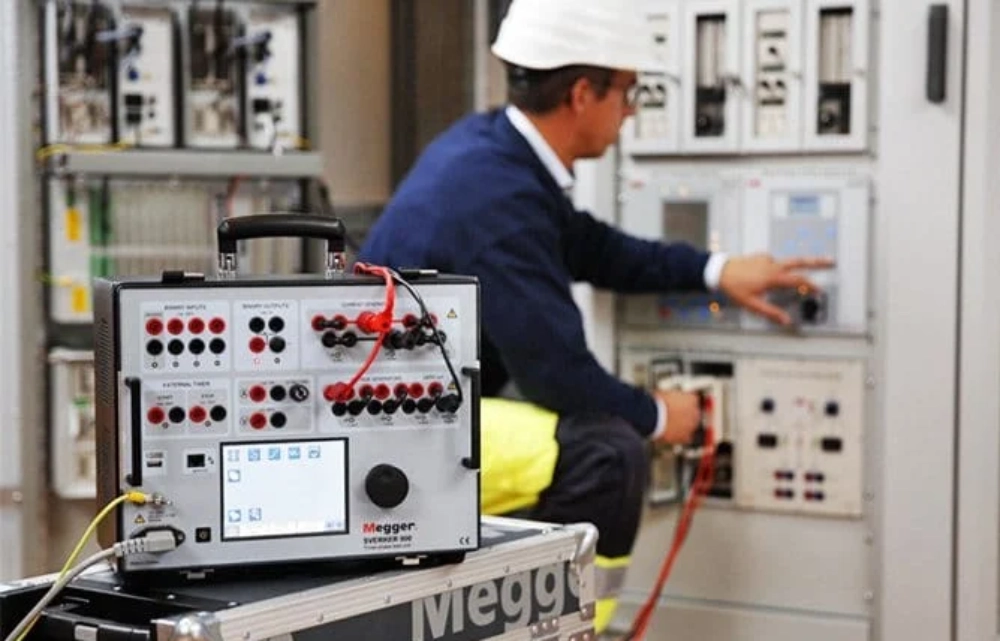
VDIS testing requirements play an important role in confirming electrical safety and operational reliability. A Voltage Detection Indicating System helps operators identify voltage presence before maintenance work. The system requires accurate detection, stable signals, and durable components. Quality evaluation covers design, materials, production processes, and final inspection. Reliable indicators reduce risks in medium voltage equipment. Manufacturers focus on electrical accuracy and mechanical stability during development. Professional testing methods also verify system performance under different conditions. A complete quality process creates confidence for users who depend on safe electrical operations.
VDIS Testing Requirements and Electrical Safety Foundations
A high-quality VDIS indicator system begins with advanced engineering principles. Designers consider voltage ranges, insulation levels, environmental conditions, and installation requirements. Electrical characteristics must remain stable during continuous operation. The detection circuit needs accurate sensing performance without signal distortion. Insulation structures protect internal components from electrical stress. Mechanical housing design also affects long-term durability. Engineers evaluate temperature changes, humidity exposure, and vibration risks. These factors help create systems that maintain dependable performance in demanding switchgear environments. Strong design foundations support consistent safety results throughout the product lifecycle.
VDIS Testing Requirements for Quality Verification
VDIS testing requirements include multiple verification procedures that confirm system accuracy and safety. Electrical tests examine detection sensitivity, signal response, and insulation strength. Manufacturers often perform voltage withstand tests to check protective capability. Functional inspections verify whether indicators display correct voltage status. Environmental tests evaluate performance under temperature and humidity changes. These procedures create detailed performance records before delivery. VDIS performance testing also helps identify possible defects during production. Comprehensive verification improves product confidence and supports safer operation in medium voltage applications.
| Testing Category | Main Purpose | Quality Focus |
|---|---|---|
| Voltage Detection Test | Confirm accurate voltage presence indication | Detection reliability |
| Insulation Test | Evaluate electrical protection ability | Safety performance |
| Environmental Test | Check operation under changing conditions | Long-term stability |
| Functional Test | Verify indicator response | Operational accuracy |
Component Materials and Internal Structure Evaluation
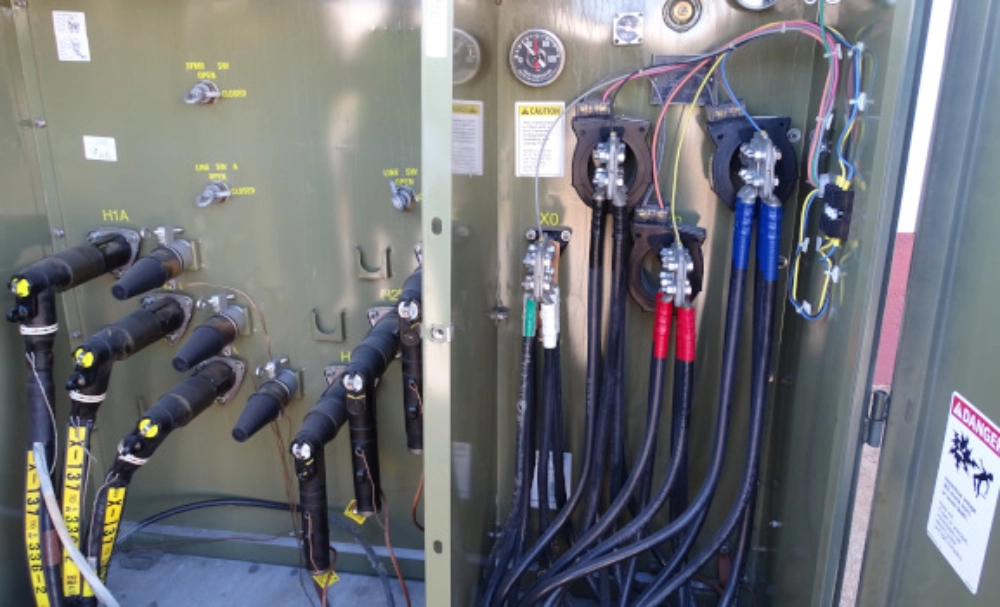
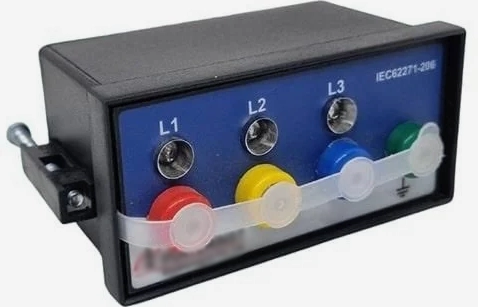
Component selection strongly influences the durability of voltage indication systems. Sensors must provide stable electrical responses over extended periods. Indicator modules require clear displays and reliable signal transmission. Connectors need strong contact performance to prevent connection failures. Insulation materials should resist heat, moisture, and electrical stress. High-quality materials reduce aging problems and improve service life. For example, 71x38mm Switchgear Voltage Indicator Vpis uses specialized components designed for clear voltage status display. Material compatibility between parts also affects overall system reliability. Careful selection supports safer operation and reduces maintenance frequency in electrical installations.
Manufacturing Control and Production Accuracy
Manufacturing quality determines whether designed performance becomes practical product value. Production teams manage assembly precision, component inspection, and process consistency. Automated equipment can improve placement accuracy and reduce human errors.Skilled workers check critical connections and mechanical structures during assembly. Quality management systems track production information and testing results. These practices help maintain stable output across different product batches. Manufacturers with strong process control can deliver products with predictable electrical performance. Consistent production methods also support customer requirements for reliable voltage detection solutions.
Quality Inspection Methods Before Product Delivery
Final inspection provides essential confirmation before VDIS systems reach customers. Inspectors review electrical parameters, appearance quality, and functional performance. Documentation records help track product conditions and testing results. A structured inspection process improves transparency between suppliers and users. The following table shows common inspection stages.
| Inspection Stage | Inspection Content | Expected Result |
|---|---|---|
| Incoming Material Check | Review component specifications and quality | Qualified raw materials |
| Assembly Inspection | Check installation accuracy and connections | Stable product structure |
| Performance Verification | Measure electrical and functional parameters | Reliable operation |
| Final Review | Confirm packaging and records | Ready for delivery |
Inspection data creates valuable evidence for product reliability. Suppliers can analyze testing results and improve manufacturing processes. Buyers can review quality records before selecting products. A complete inspection system supports long-term cooperation and reduces unexpected operational problems. Clear verification methods also strengthen trust in electrical equipment supply chains.
Key Factors Affecting VDIS Reliability Evaluation
Several elements influence overall system quality and application performance. Professional voltage detecting indication system testing focuses on electrical accuracy and safety protection. Important evaluation factors include:
- Detection accuracy during normal and abnormal conditions.
- Insulation capability against electrical stress.
- Mechanical strength during installation and operation.
- Environmental resistance in different climates.
- Production consistency through quality control.
VDIS reliability evaluation considers these factors together rather than checking one single feature. A balanced assessment helps identify products with stable performance. Engineers analyze testing results, component quality, and operating environments. This approach supports better decisions for electrical safety applications.
Standards Supporting Safe VDIS Operation
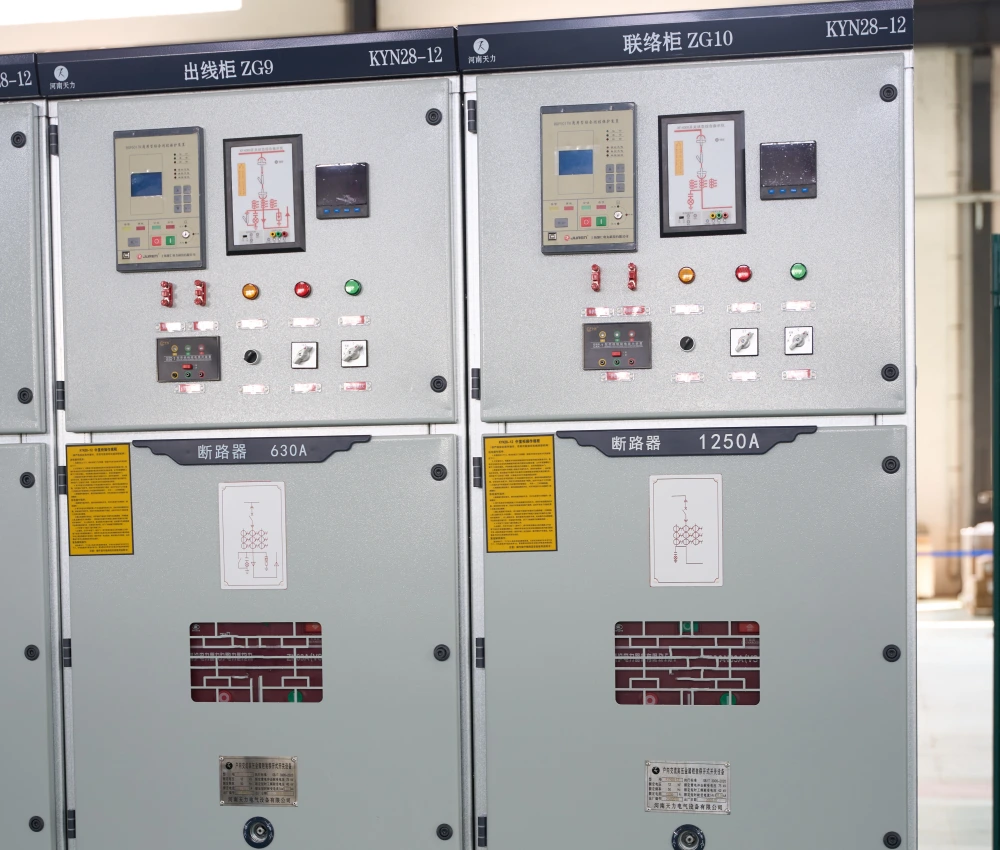
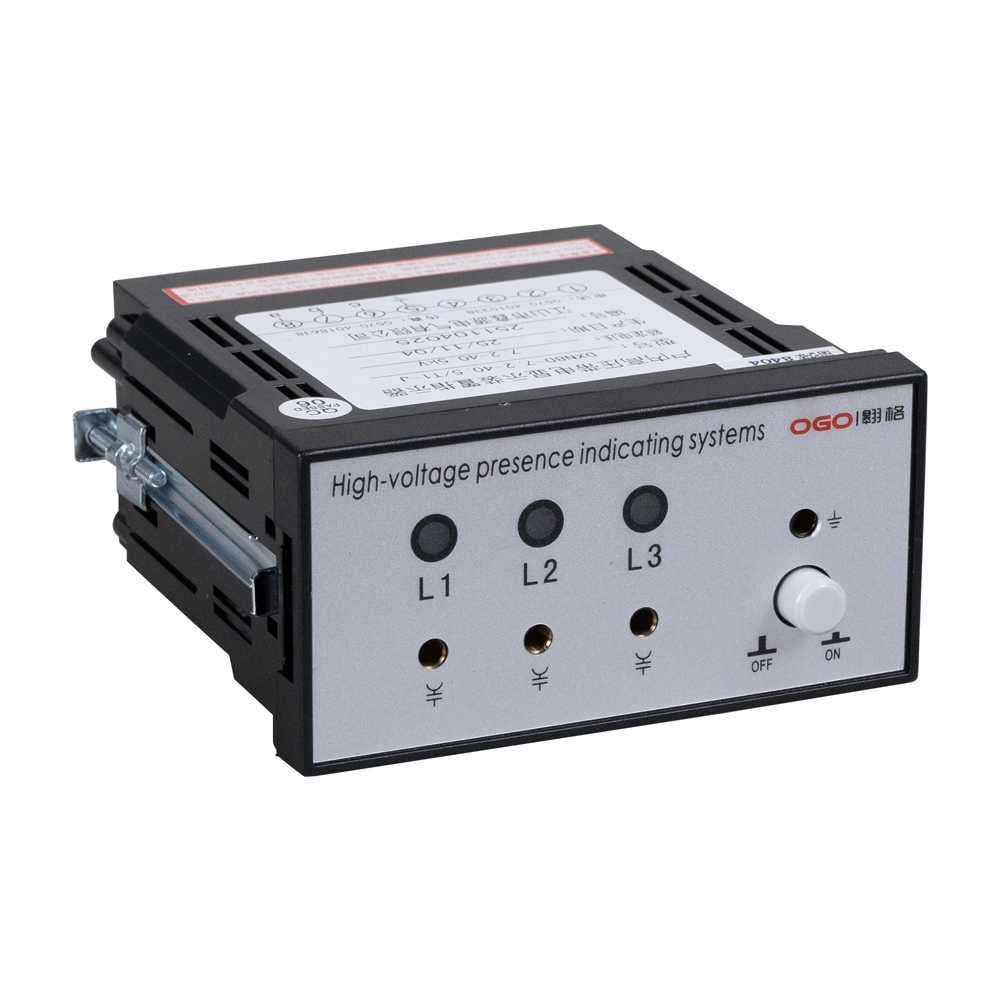
Industry standards provide clear expectations for electrical product performance. VDIS safety standards define requirements for insulation, detection accuracy, and operational reliability. Compliance testing helps manufacturers maintain consistent quality levels. Standard-based evaluation also supports safer installation practices. Engineers compare product performance against technical specifications during development. DXN8D 12 Voltage Presence Indicating System represents a solution designed for voltage presence indication applications. Reliable standard compliance improves user confidence and supports safer maintenance procedures. Testing processes based on recognized requirements create stronger protection for electrical workers and equipment.
Supplier Selection Through Quality Assessment
VDIS testing requirements in Supplier Quality Evaluation help buyers identify capable partners. Supplier assessment should include production experience, technical expertise, testing equipment, and quality documentation. A reliable supplier provides detailed inspection reports and supports customized requirements. Buyers should review manufacturing capabilities before making purchasing decisions. Important evaluation points include:
- Factory testing capacity and equipment availability.
- Product certification and quality records.
- Technical communication ability.
- Customization support and service response.
- Long-term production stability.
A professional supplier combines engineering knowledge with practical manufacturing experience. Strong cooperation reduces product risks and improves project efficiency.
Maintenance Practices for Long-Term Performance
Routine maintenance helps preserve indicator accuracy and operational safety. Regular inspections can identify connection issues, environmental damage, or display problems. Operators should check external conditions and confirm normal indicator behavior. Cleaning procedures should avoid damaging sensitive components. Maintenance records support future reliability analysis. Proper maintenance combined with VDIS testing requirements during quality control creates a stronger protection system. Continuous monitoring also helps extend equipment service life. Electrical teams can improve safety management by combining inspection schedules with technical evaluations.
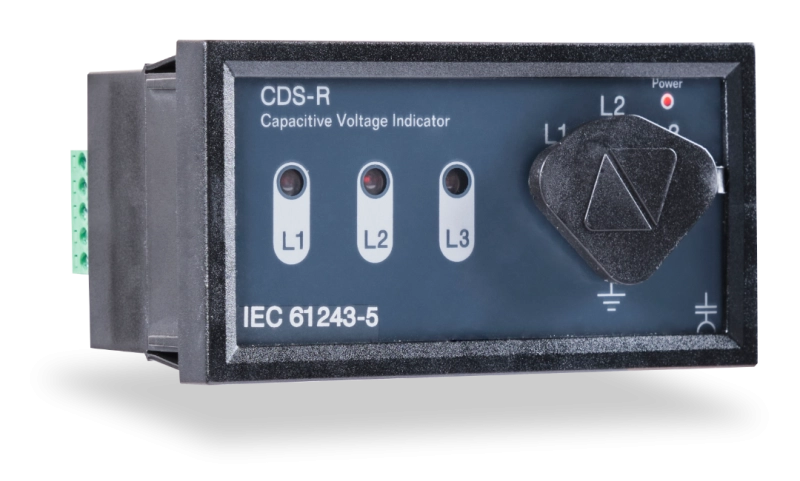
Conclusion: Building Reliable VDIS Indicator System Solutions
High-quality VDIS systems depend on design accuracy, material selection, manufacturing control, and professional testing. VDIS reliability evaluation requires attention to electrical performance and practical application conditions. Comprehensive quality management improves safety and reduces operational uncertainty. Suppliers with strong engineering capability can provide dependable solutions for modern switchgear systems. Buyers should focus on measurable quality factors rather than only product appearance. A complete evaluation process creates better results for electrical projects. Reliable voltage indication technology supports safer maintenance and improves confidence in power distribution environments.
FAQ
What tests are included in VDIS testing requirements?
VDIS testing requirements usually include voltage detection tests, insulation checks, functional verification, and environmental assessments. Voltage detection tests confirm whether the system identifies electrical presence correctly. Insulation tests evaluate protection against electrical stress. Functional checks verify indicator responses and signal accuracy. Environmental assessments examine performance under temperature and humidity changes. These procedures help manufacturers confirm product reliability before delivery. A complete testing process reduces possible failures and improves safety during operation. Professional testing records also provide useful quality evidence for suppliers and customers.
Why does component quality affect VDIS indicator system performance?
Component quality directly influences system accuracy, durability, and operational stability. Sensors require precise electrical characteristics to detect voltage conditions correctly. Indicator modules need reliable signal processing and clear status displays. Insulation materials protect internal parts from electrical damage. Poor-quality components may create unstable signals or shorten service life. High-quality materials improve resistance against temperature changes, moisture, and mechanical stress. Manufacturers evaluate each component carefully to maintain consistent performance. Strong component control supports safer electrical operations and reduces maintenance requirements in medium voltage applications.
Why Is Quality Control Important For VDIS Indicator Systems?
Quality control plays a critical role in maintaining VDIS indicator system accuracy, safety, and long-term reliability. A strict quality process verifies electrical performance, component consistency, and manufacturing stability before product delivery. Testing procedures help identify potential issues related to voltage detection accuracy, insulation strength, and signal response. Reliable quality control also ensures that materials and internal components meet required performance standards. Manufacturers can reduce operational risks by applying inspection procedures throughout production. For users, strong quality management provides confidence that VDIS systems can perform safely in demanding electrical environments and support stable maintenance operations.