Why Do Modern Switchgear System Need Electromagnetic Locks?
Electromagnetic Lock for Switchgear provides dependable access control, safety interlocking, and efficient equipment protection.
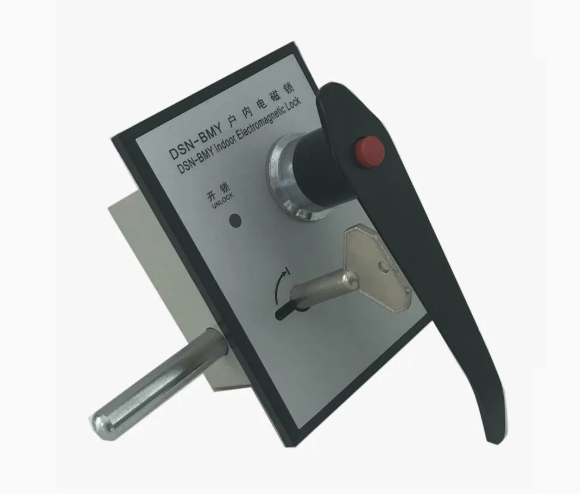
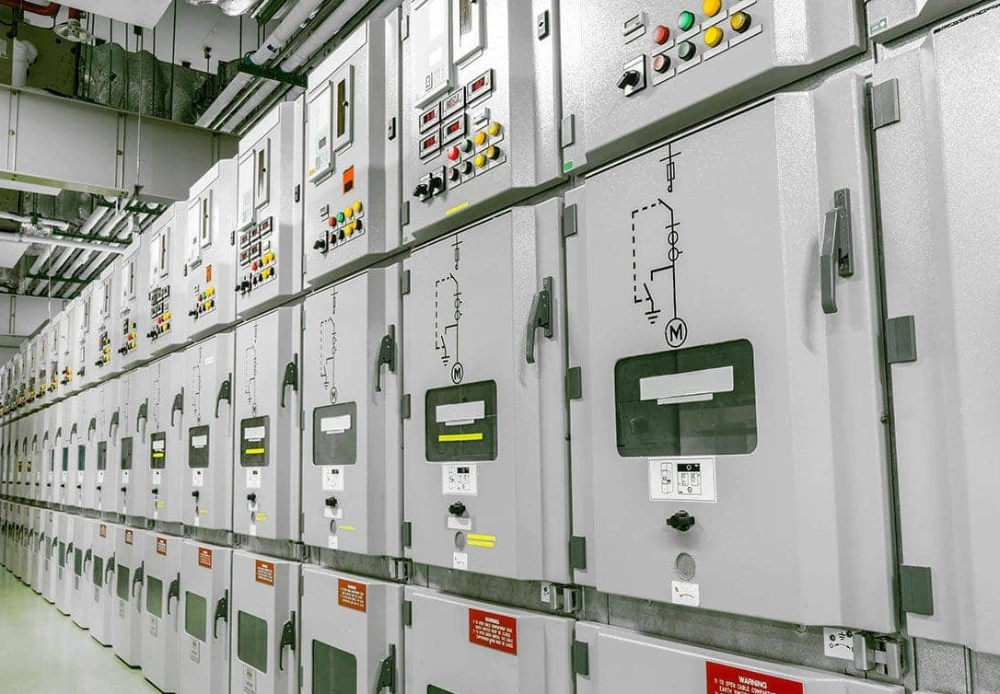
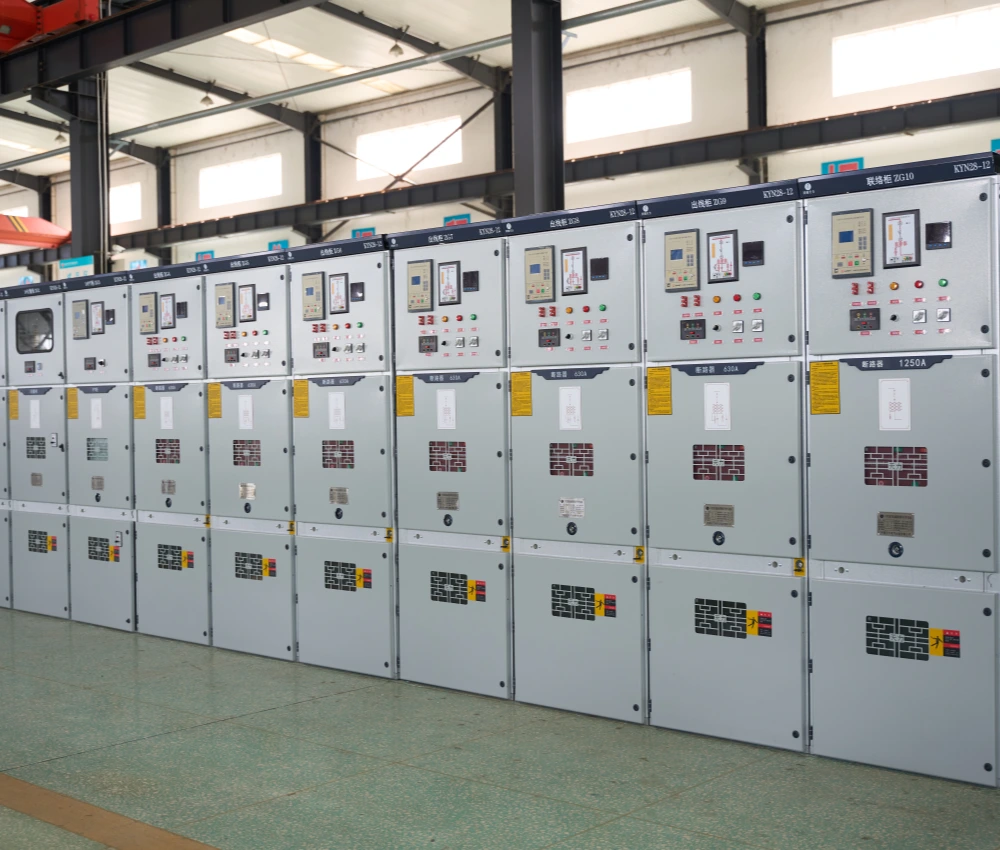
Electrical distribution networks have become increasingly complex. Industrial facilities require stronger protection for personnel and equipment. Electromagnetic Lock for Switchgear plays a critical role in modern switchgear cabinets. The device restricts unauthorized access and supports safe operating procedures. Power plants, substations, manufacturing facilities, and renewable energy projects depend on reliable interlocking systems. Traditional locking mechanisms often struggle to meet advanced operational requirements. Modern installations require coordinated protection between electrical equipment and human operators. As network capacity grows, safety management becomes more important. Reliable locking technology helps reduce operational mistakes and improves overall system security across critical infrastructure environments.
Why Electromagnetic Lock for Switchgear Has Become Essential
Switchgear cabinets contain energized conductors, circuit breakers, busbars, and protection devices. Accidental access may create serious safety hazards. Electromagnetic Lock for Switchgear prevents cabinet doors from opening during unsafe operating conditions. The lock responds to electrical signals and interlocking commands. Operators gain access only when predefined safety conditions are satisfied. Such functionality reduces the possibility of human error. Industrial operators increasingly prioritize automated safety solutions because manual procedures can vary between shifts. Consistent access control creates a standardized operating environment. Better control also supports compliance with electrical safety regulations used throughout power generation and distribution sectors.
The Role of Access Control in Distribution Equipment
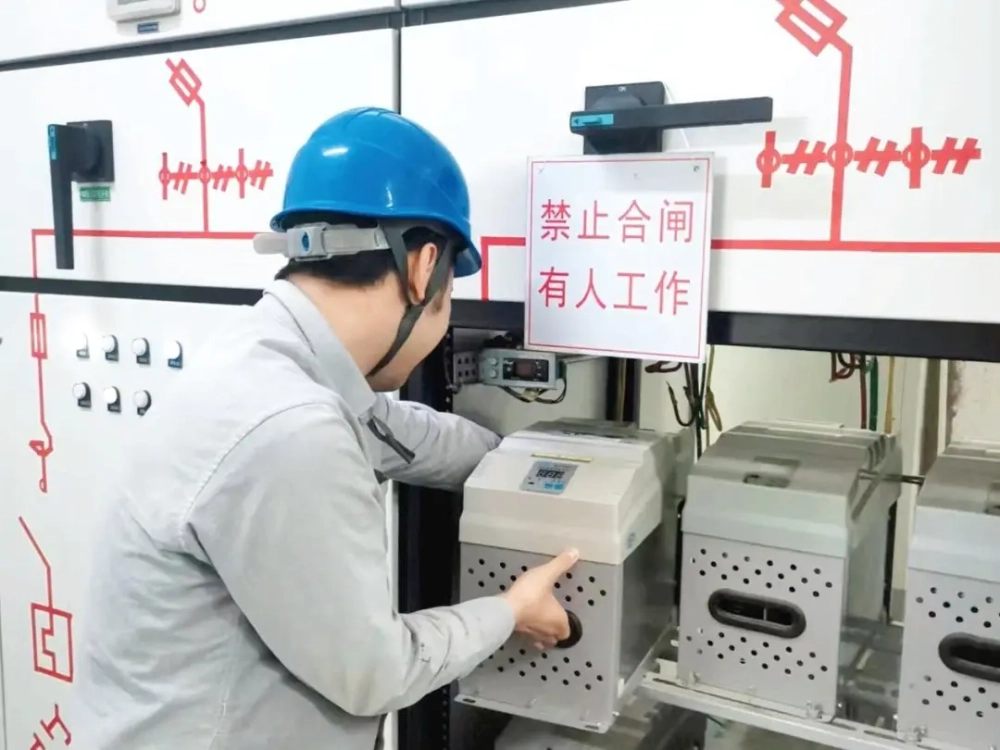
Access management remains a fundamental element of electrical protection systems. Authorized personnel require controlled entry to energized compartments. Modern locking devices integrate with supervisory systems and protection relays. Communication between equipment improves operational transparency. Maintenance teams can verify equipment status before opening doors. Security measures also reduce risks associated with unauthorized intervention. Facilities handling medium-voltage and high-voltage equipment often implement layered protection strategies. Physical locks serve as the final barrier between personnel and hazardous electrical components. Effective access control contributes to safer maintenance procedures and improved operational discipline throughout industrial environments.
How Intelligent Interlocking Improves Operational Reliability
Interlocking systems coordinate multiple electrical actions. Circuit breaker status, grounding switch position, and compartment access often work together. Intelligent locking mechanisms support these coordinated functions. Operators receive clear operating sequences that reduce mistakes. Electrical accidents frequently occur when procedures are bypassed or performed incorrectly. Automated interlocking minimizes these risks. Facilities benefit from predictable operation and reduced downtime. Equipment reliability improves because incorrect switching sequences become less likely. As power networks expand, automated coordination between devices becomes increasingly valuable. Reliable interlocking technology supports stable power delivery and long-term asset protection.
Key Components Inside Electromagnetic Locking Systems
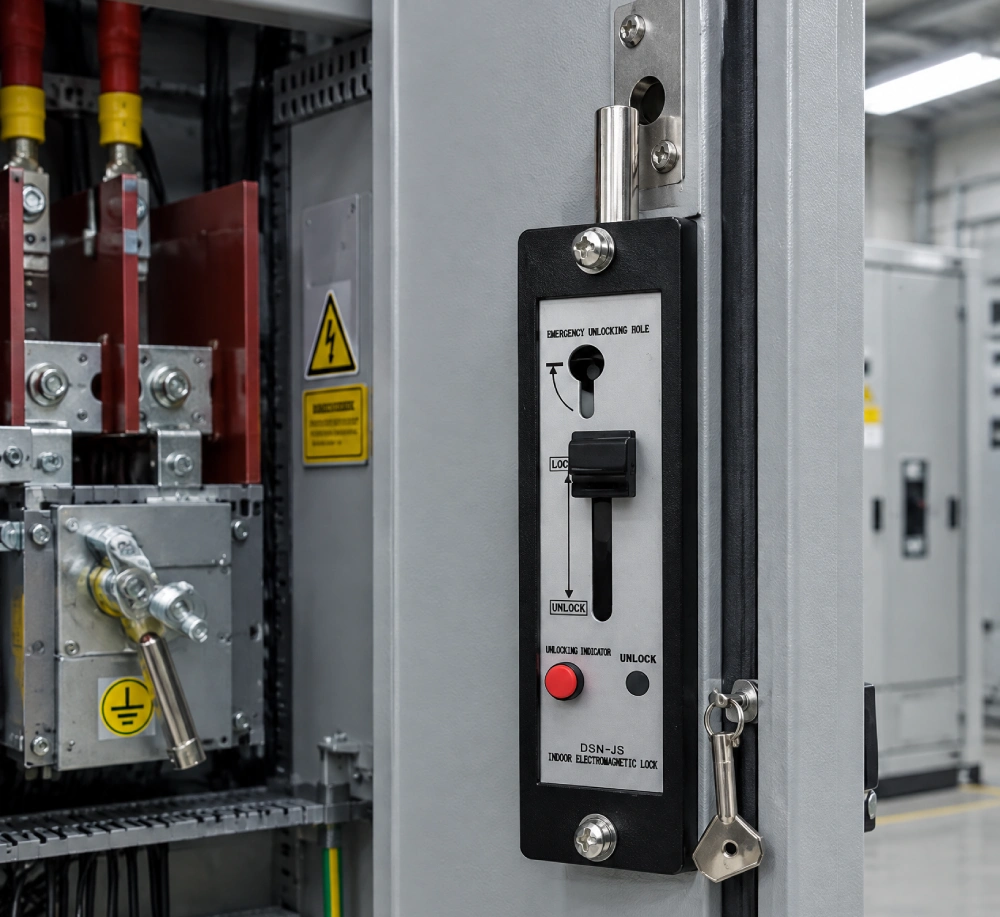
A typical locking assembly contains an electromagnetic actuator, mechanical latch, position sensor, control circuit, and mounting structure. Each component contributes to system performance. The actuator generates locking force when energized. Mechanical elements secure cabinet doors and operating handles. Sensors provide status feedback to supervisory systems. Control circuits manage activation according to predefined logic. Manufacturers select materials that resist corrosion and mechanical wear. High-quality designs maintain stable operation across varying temperatures and humidity levels. Component durability directly influences service life. Robust construction remains essential for demanding industrial applications where reliability cannot be compromised.
Performance Comparison Between Locking Technologies
| Feature | Mechanical Lock | Electromagnetic Lock |
|---|---|---|
| Remote Control Capability | Limited | Available |
| Interlocking Integration | Basic | Advanced |
| Status Monitoring | Manual | Real-Time |
| Operational Flexibility | Moderate | High |
| Automation Compatibility | Low | Excellent |
Technical differences extend beyond basic locking functions. Electromagnetic systems support automation strategies that align with smart grid development. Real-time monitoring improves visibility across electrical installations. Maintenance personnel receive more accurate equipment status information. Integration capabilities make advanced locking technology attractive for modern industrial facilities. Organizations seeking operational efficiency often prioritize solutions that support centralized management and digital control infrastructure.
Industry Applications Driving Market Demand
Demand continues to grow across several industrial sectors. Common applications include:
- Power generation facilities
- Electrical substations
- Renewable energy projects
- Manufacturing plants
- Mining operations
- Data centers
- Transportation infrastructure
Each sector faces unique operational challenges. Electrical safety remains a shared priority. Locking technology helps establish consistent protection procedures across different environments. Industrial users increasingly seek products that support automation, monitoring, and long-term reliability. Strong demand reflects the growing importance of intelligent safety solutions within modern electrical systems.
Environmental Requirements and Product Durability
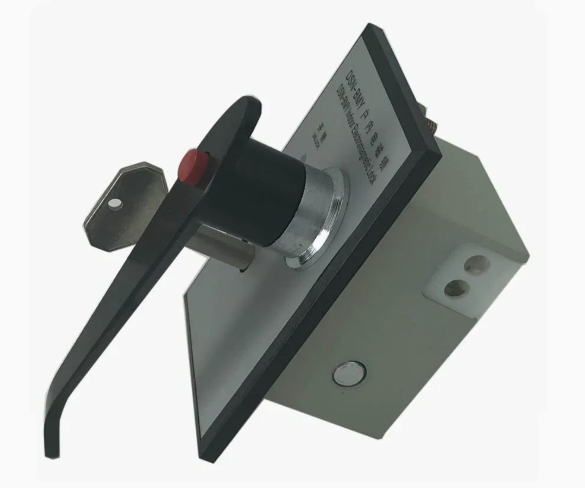
Industrial installations often operate under harsh conditions. Temperature fluctuations, moisture, vibration, and dust can affect equipment performance. Electromagnetic Lock for Switchgear must maintain reliable operation despite environmental challenges. Manufacturers typically use corrosion-resistant metals and durable insulation materials. Protective housing designs help shield internal components from contamination. Mechanical endurance testing verifies long-term performance under repeated operation cycles.
Reliable environmental resistance reduces maintenance frequency and supports uninterrupted operation. Facilities located in coastal, mining, or heavy industrial regions place particular emphasis on durability because environmental stress can accelerate component degradation.
Key Evaluation Criteria for Industrial Buyers
| Evaluation Factor | Importance | Impact on Operation |
|---|---|---|
| Locking Reliability | High | Safety Protection |
| Electrical Compatibility | High | System Integration |
| Environmental Resistance | High | Service Life |
| Maintenance Requirements | Medium | Operating Cost |
| Monitoring Functions | Medium | Operational Visibility |
Procurement decisions often involve technical, operational, and financial considerations. Buyers evaluate compatibility with existing switchgear designs. Reliability data, testing certifications, and manufacturing quality also influence purchasing decisions. Long service life can reduce lifecycle costs. Industrial operators frequently prioritize proven performance over low initial cost because safety and system availability remain critical business objectives.
Active Locking Solutions for Automated Facilities
Many advanced projects adopt active locking technologies. The DSN-JK Active Electromagnetic Lock for Switchgear supports automated interlocking requirements within modern electrical infrastructure. Active designs respond directly to control signals and system logic. Such functionality enables coordinated operation with protection devices and monitoring platforms. Facilities implementing digital substations often favor solutions that integrate seamlessly with intelligent control architectures. Enhanced communication capability supports operational efficiency and centralized management. Growing investment in smart electrical networks continues to increase demand for active locking technologies across industrial markets.
Passive Locking Solutions for Conventional Installations
Some applications prioritize simplicity and dependable operation. The DSN-WY-JK Passive Electromagnetic Lock for Switchgear serves installations requiring reliable interlocking without extensive automation complexity. Passive designs remain suitable for many medium-voltage distribution environments. Operators benefit from straightforward implementation and stable performance. These solutions often provide a practical balance between safety enhancement and system cost. Industrial facilities upgrading legacy infrastructure may select passive configurations when full digital integration is unnecessary. Appropriate product selection depends on operational objectives, safety requirements, and equipment architecture.
Why Electromagnetic Lock for Switchgear Supports Future Grid Development
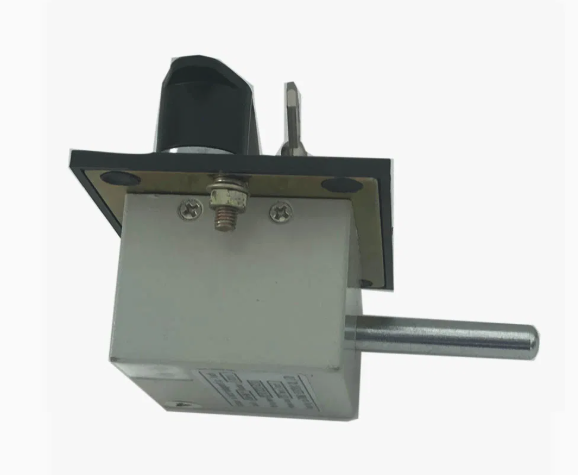
Power systems continue evolving toward greater automation and connectivity. Electromagnetic Lock for Switchgear aligns with this transition by supporting intelligent safety management. Digital substations require coordinated communication between protection devices, monitoring systems, and access control mechanisms. Advanced locking solutions contribute to this interconnected environment. Utilities seek technologies that improve operational visibility while maintaining strict safety standards. Modern locking devices help create safer working conditions and more reliable electrical infrastructure. As smart grid investments expand globally, demand for integrated safety technologies will likely continue increasing across multiple industrial sectors.