Why Install An Earth Fault Indicator In Power Systems?
Earth fault indicator improves cable protection, outage response speed, and grid reliability in industrial power systems.
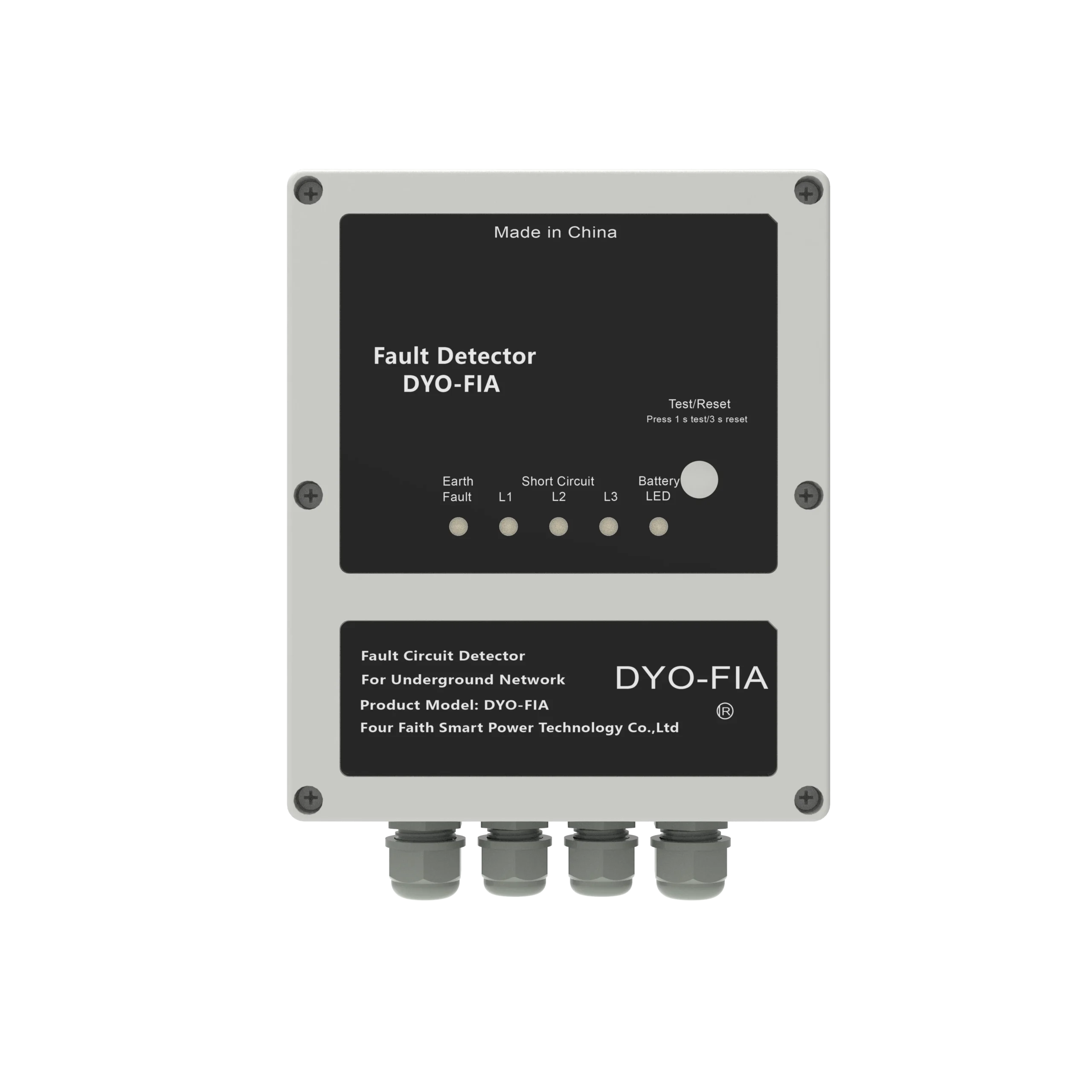
Why Power Networks Require Faster Fault Detection
Modern distribution networks operate under increasing electrical demand every year. Manufacturing plants depend on stable voltage for continuous production activities. Unexpected ground faults often interrupt industrial automation systems and sensitive electronic equipment. Utility operators also face rising maintenance pressure across aging underground cable systems. An earth fault indicator helps engineers locate abnormal current paths quickly after insulation failure occurs. Faster identification reduces feeder downtime and prevents wider system instability. Many substations now integrate automated monitoring equipment into medium-voltage infrastructure. Industrial facilities also require rapid fault isolation to avoid transformer overheating and arc damage. Maintenance teams frequently struggle with hidden cable failures across long-distance underground routes. Reliable monitoring equipment therefore supports safer operation, lower repair costs, and stronger power continuity throughout commercial distribution environments.
How An Earth Fault Indicator Detects Underground Faults
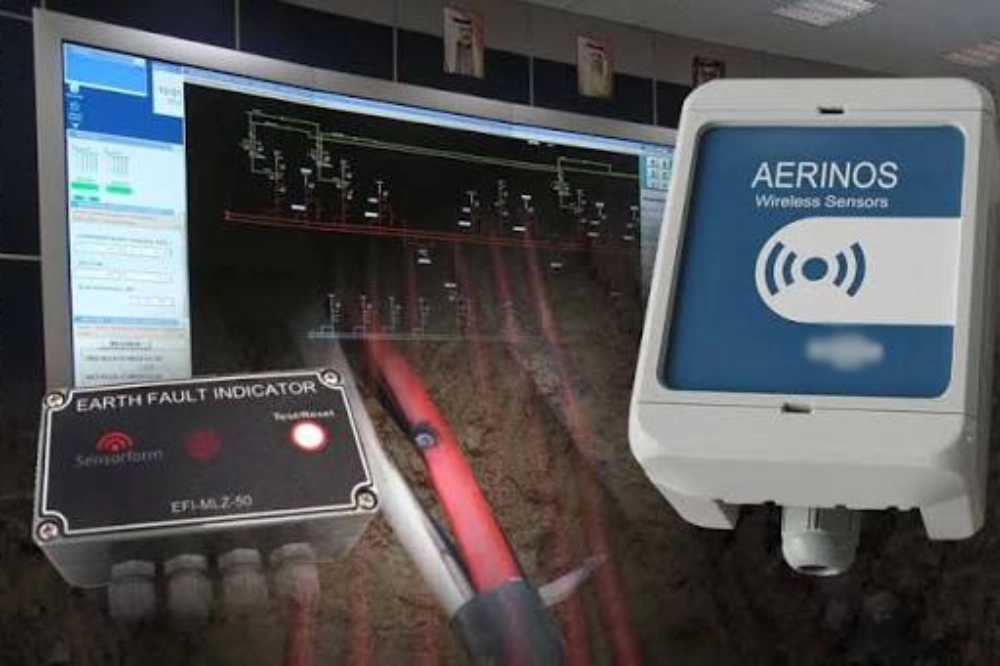
An earth fault indicator operates through continuous monitoring of current imbalance conditions. Current transformers measure phase conductors and detect abnormal leakage toward ground paths. Electronic relays process those measurements and activate warning signals during fault conditions. Many devices include flashing LEDs for easier cable route identification during maintenance procedures. Directional systems identify the exact fault direction using voltage phase comparison technology. Non-directional models only confirm the presence of abnormal grounding activity. Utilities prefer directional protection inside interconnected ring main distribution networks. Several industrial facilities install wireless communication modules for remote monitoring support. Engineers often combine these systems with SCADA platforms for centralized operational visibility. Some manufacturers also integrate fault counters and event recording functions. Advanced monitoring technology significantly improves diagnostic accuracy across underground cable infrastructure and complex industrial power systems.
Main Components Inside Modern Monitoring Equipment
Modern fault detection equipment contains several precision-engineered electrical components for stable operation. Current transformers remain the primary sensing element inside most monitoring assemblies. Microprocessor control units analyze electrical waveforms and determine abnormal grounding conditions rapidly. Communication modules transmit alarm signals toward centralized utility control platforms. Several products support cellular, RF, or fiber-optic communication structures for remote supervision. Outdoor enclosures typically follow IP67 protection standards against moisture and dust exposure. Engineers also evaluate insulation coordination before installation inside medium-voltage switchgear compartments. IEC 60255 standards often regulate relay performance and protection reliability requirements. Utilities regularly deploy Short-Circuit Grounding Fault Indicator for Cables inside underground feeder systems with dense branching structures. Reliable component integration improves operational consistency under thermal stress and fluctuating electrical loads across industrial distribution networks.
Earth Fault Indicator Benefits For Industrial Distribution Networks
Industrial facilities depend heavily on uninterrupted power distribution during continuous production schedules. An earth fault indicator allows technicians to isolate damaged sections much faster after cable failure occurs. Faster troubleshooting reduces production losses and protects sensitive industrial automation equipment. Petrochemical facilities especially require rapid response because voltage instability threatens process safety. Mining operations also benefit from improved visibility across long underground cable systems. Electrical crews spend less time performing manual inspection procedures after fault alarms appear. Utilities can restore healthy feeder sections while repair teams address damaged cable routes separately. Improved fault isolation additionally reduces transformer stress and switchgear overheating risks. Many operators combine these systems with predictive maintenance software platforms for better operational planning. Stronger monitoring capability therefore supports lower maintenance expenses, safer environments, and more reliable industrial energy distribution performance.
Comparison Between Traditional Inspection And Automated Detection
| Inspection Method | Fault Location Speed | Labor Requirement | Accuracy Level | Downtime Risk |
|---|---|---|---|---|
| Manual Cable Patrol | Several Hours | High | Moderate | High |
| Portable Test Equipment | One To Three Hours | Medium | High | Moderate |
| Automated Monitoring System | Several Minutes | Low | Very High | Low |
Traditional inspection methods often delay service restoration across industrial distribution systems. Manual cable tracing consumes large labor resources during emergency maintenance operations. Portable diagnostic instruments improve accuracy but still require technician field deployment. Automated monitoring equipment significantly reduces response time during underground cable failures. Faster detection helps operators restore healthy circuits before wider operational disruption develops. Industrial plants especially benefit from lower downtime exposure during high-load production periods. Utilities also improve workforce efficiency through centralized monitoring and automated alarm transmission capabilities.
Installation Locations Across Medium-Voltage Infrastructure
Several locations require dedicated monitoring coverage across modern electrical distribution systems:
- Ring main units inside urban distribution networks
- Underground cable branching sections near industrial facilities
- Medium-voltage switchgear compartments within substations
- Renewable energy collection systems connected to utility feeders
- Transformer outgoing feeder connections across commercial complexes
- Mining distribution tunnels with long underground cable routes
Proper installation planning improves monitoring accuracy and long-term operational stability significantly. Engineers evaluate conductor spacing, environmental humidity, and electromagnetic interference before deployment activities. Underground applications require moisture-resistant enclosures and corrosion-resistant sensor materials. Outdoor substations also demand strong UV resistance and reliable thermal performance characteristics. Utilities frequently combine monitoring equipment with Current Temperature Fault Online Monitor systems for broader infrastructure supervision. Integrated monitoring platforms help operators evaluate thermal overload conditions alongside electrical grounding abnormalities. Strong installation practices therefore improve operational reliability throughout complex medium-voltage distribution infrastructure.
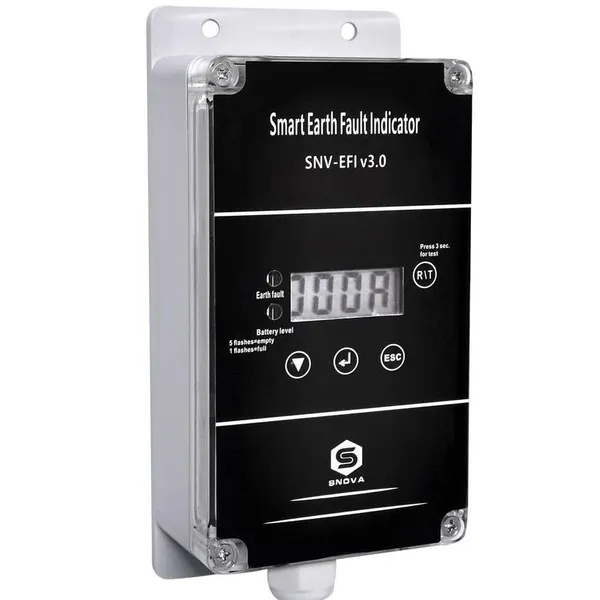
Communication Technologies Used In Smart Grid Applications
Smart grid modernization increases demand for advanced communication capability across distribution infrastructure. Modern monitoring equipment often supports wireless transmission through RF and cellular technologies. Fiber-optic communication also appears frequently inside utility substations requiring high cybersecurity protection. SCADA integration allows operators to receive alarms immediately after abnormal grounding activity develops. Centralized monitoring platforms improve response coordination between dispatch centers and maintenance personnel. Several utilities additionally store historical fault data for predictive maintenance analysis. Cloud-based platforms now support remote diagnostics across geographically distributed industrial facilities. Secure encryption protocols protect communication systems against unauthorized network access attempts. Reliable data transmission therefore supports stronger operational visibility and faster maintenance coordination. Digital communication capability continues expanding across industrial and utility power distribution environments worldwide.
Selecting The Correct Earth Fault Indicator For Utility Projects
Utilities evaluate several technical factors before selecting monitoring equipment for distribution projects. Voltage compatibility remains critical because incorrect ratings may damage sensing components. Engineers also examine short-circuit withstand capacity under extreme fault current conditions. Outdoor installations require high ingress protection ratings against rain, dust, and condensation exposure. Communication compatibility additionally affects integration with existing utility monitoring infrastructure. Battery-powered devices must support long operational cycles under varying environmental temperatures. Several industrial facilities prefer directional detection systems within interconnected feeder structures. Underground cable applications often require compact sensor designs for restricted installation spaces. Utilities additionally review IEC compliance documentation before approving equipment procurement decisions. Careful product selection therefore improves long-term monitoring accuracy and operational reliability throughout medium-voltage power distribution infrastructure.
Performance Comparison Across Different Monitoring Configurations
| Configuration Type | Communication Support | Typical Application | Maintenance Frequency | Protection Capability |
|---|---|---|---|---|
| Standalone Indicator | Local Signal Only | Small Facilities | Moderate | Basic |
| Wireless Monitoring Unit | RF Or Cellular | Industrial Networks | Low | Advanced |
| SCADA Integrated System | Fiber Or Ethernet | Utility Substations | Low | Comprehensive |
Different monitoring configurations support different operational requirements across industrial power systems. Smaller facilities sometimes prefer standalone units because installation costs remain relatively low. Large utilities typically require centralized communication capability and historical event storage functions. SCADA-connected platforms improve visibility across geographically distributed feeder infrastructure and substations. Maintenance teams also benefit from remote diagnostics during adverse weather conditions. Advanced systems therefore provide stronger operational efficiency and better fault management performance within modern distribution networks.
Maintenance Practices That Improve Long-Term Reliability
Routine maintenance improves monitoring reliability throughout harsh industrial operating environments. Technicians regularly inspect sensor connections for corrosion and mechanical loosening conditions. Battery-powered units require scheduled replacement before voltage instability affects operational performance. Thermal cycling frequently stresses electronic components inside outdoor monitoring enclosures during seasonal changes. Engineers also perform calibration testing to confirm sensing accuracy after major fault incidents occur. Utilities often schedule infrared inspection programs across substations and underground feeder terminations. Moisture intrusion remains another significant risk within underground cable branching compartments. Preventive maintenance procedures therefore reduce unexpected monitoring failures and improve operational continuity. Consistent inspection practices also support stronger equipment lifespan across demanding industrial distribution applications.
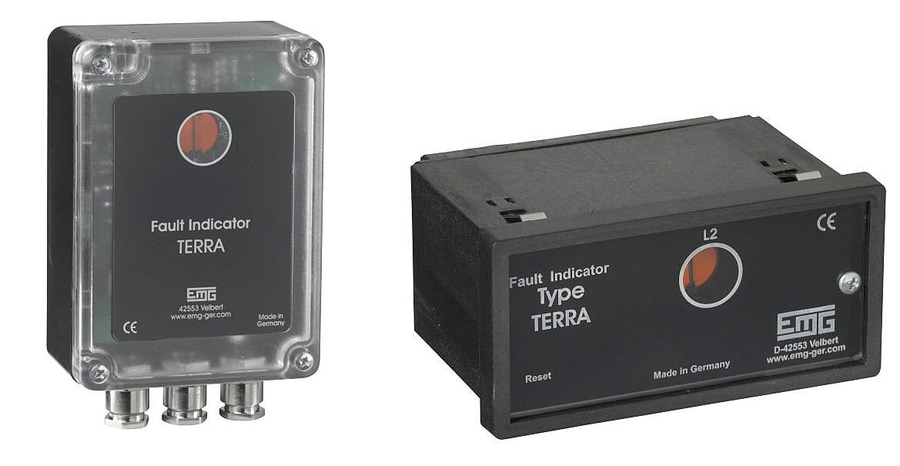
How Does Remote Fault Monitoring Reduce Downtime?
Remote monitoring systems provide immediate alarm transmission after abnormal grounding activity appears. Maintenance teams receive precise location information without performing large-scale manual inspection procedures. Faster diagnostics allow utilities to isolate damaged feeder sections within several minutes. Healthy circuits can therefore return to operation before complete production shutdown occurs. Centralized SCADA platforms additionally improve coordination between field technicians and control room operators. Historical event records support maintenance planning and recurring fault analysis activities. Industrial facilities especially benefit from lower operational disruption during high-load manufacturing schedules. Remote monitoring technology also reduces emergency labor requirements and transportation delays. Strong communication capability therefore supports faster restoration, lower maintenance expense, and improved operational continuity throughout distribution networks.
Which Standards Apply To Medium-Voltage Fault Detection Devices?
Several international standards regulate performance requirements for medium-voltage monitoring equipment and protection relays. IEC 60255 defines relay testing procedures, operational reliability, and electromagnetic compatibility requirements. IEC 60044 additionally covers current transformer performance within protection applications and monitoring systems. Utilities also evaluate IP protection ratings for outdoor enclosure durability against environmental exposure. IEEE standards often support insulation coordination and fault withstand verification procedures across utility infrastructure projects. Several operators require compliance testing under high-temperature and vibration conditions before equipment approval. Certification programs help utilities verify long-term reliability across industrial distribution environments. Standardized testing therefore improves operational safety, communication stability, and monitoring consistency throughout medium-voltage power networks.