DSN Electromagnetic Lock Model Comparison: Key Differences and Selection Tips
Compare DSN electromagnetic lock models by design, functions, specifications, installation, and maintenance costs to choose the right model.
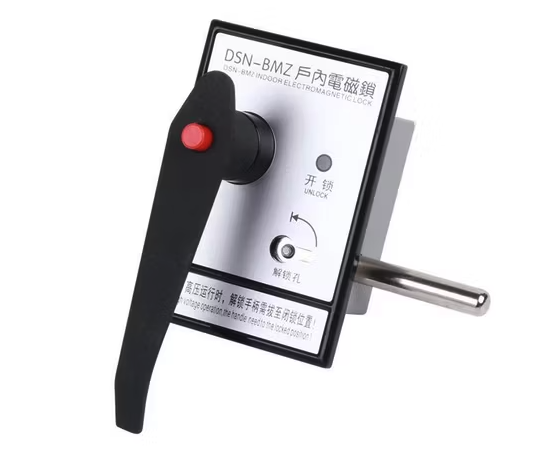
Choosing the right DSN electromagnetic lock is essential for reliable high-voltage switchgear operation. Different models may vary in locking principles, mechanical structures, installation arrangements, and additional functions. These differences affect compatibility with cabinet doors, grounding switches, and other interlocking positions. A DSN Electromagnetic Lock Model Comparison helps engineers and purchasing teams evaluate these differences before ordering. Rather than comparing DSN locks with ordinary electromagnetic locks, this article focuses on the available DSN models, their technical characteristics, and their intended applications. Understanding these factors helps buyers identify suitable configurations, reduce installation problems, and make better procurement decisions.
Why Is a DSN Electromagnetic Lock Model Comparison Important?
DSN electromagnetic locks support safety interlocking in high-voltage switchgear. However, different models may serve different installation requirements. Some feature active electromagnetic operation, while others use passive locking arrangements or specialized mechanical structures. Certain configurations also provide voltage indication functions. These differences mean that buyers should evaluate each model against the required operating sequence, cabinet design, and electrical conditions.
A structured comparison helps engineers identify compatible products before procurement. It also allows purchasing teams to compare quotations using consistent specifications instead of relying on model names or initial prices. By reviewing operating principles, mounting dimensions, electrical requirements, and available functions, buyers can reduce unnecessary modifications and commissioning difficulties. The final selection should always match the complete switchgear design and its documented safety requirements.
Which DSN Electromagnetic Lock Models Are Available?
Xinyuan's product range includes DSN-AM, DSN-EM, DSN-JK, DSN-WY-JK, DSN-WY-M1, and DSN-JGA, alongside other DSN models. Their published descriptions identify different structural and functional characteristics. DSN-AM is an indoor electromagnetic lock associated with forced locking and safety interlocking. DSN-EM features a reverse locking structure, while DSN-JK is identified as an active electromagnetic lock. DSN-WY-JK uses a passive design, and DSN-WY-M1 combines passive interlocking with voltage indication. DSN-JGA offers upward or downward lock-bolt configurations.
| DSN Model | Published Product Description | Main Selection Consideration |
|---|---|---|
| DSN-AM | Indoor electromagnetic lock | Forced locking and switchgear compatibility |
| DSN-EM | Reverse electromagnetic lock | Locking direction and installation space |
| DSN-JK | Active electromagnetic lock | Electrical authorization requirements |
| DSN-WY-JK | Passive electromagnetic lock | Passive interlocking requirements |
| DSN-WY-M1 | Passive lock with voltage indication | Indication and mounting requirements |
| DSN-JGA | Lock with upward or downward bolt options | Bolt direction and cabinet layout |
This comparison summarizes published product descriptions rather than establishing a universal performance ranking. Other models, including DSN-DM, DSN-J, and DSN-JS1, may also suit specific projects. Buyers should consult the individual product pages and technical documents to confirm each model's functions, dimensions, voltage options, and installation conditions.
How Do Different DSN Electromagnetic Lock Models Compare?
The main differences between DSN models involve operating principles, locking structures, and additional functions. For example, DSN-JK is identified as an active electromagnetic lock, whereas DSN-WY-JK is described as a passive electromagnetic lock. Buyers should compare their release conditions, control-circuit requirements, and compatibility with the specified interlocking sequence. DSN-EM presents a different consideration because its reverse locking structure may suit installations requiring a particular mechanical arrangement. DSN-WY-M1 adds voltage indication to its passive interlocking configuration. These characteristics help narrow the options, but the exact operating behavior must be confirmed through model-specific documentation.
Active and Passive Locking Arrangements
Active and passive designs should be evaluated according to the required switchgear operation. The DSN-JK may be relevant when an active electromagnetic arrangement matches the project's control logic. The DSN-WY-JK may be considered when a passive configuration meets the installation requirements. Engineers should examine wiring diagrams, release conditions, and the effects of auxiliary power interruption before making a decision. Neither designation alone confirms compatibility with every switchgear system.
Reverse Structures and Indication Functions
The DSN-EM's reverse locking structure makes installation direction an important selection factor. DSN-WY-M1, meanwhile, combines passive interlocking with voltage indication and supports specific lock-bolt mounting arrangements according to its published description. These features address different requirements: one concerns mechanical configuration, while the other includes an additional indication function. Buyers should verify mounting dimensions, wiring requirements, and the actual indication capability before ordering.
Which Technical Specifications Affect DSN Model Selection?
Electrical and mechanical compatibility should be confirmed before procurement. Buyers need to compare rated voltage, current, power consumption, terminal arrangements, fixing dimensions, bolt direction, and available installation space. Environmental limits and control-circuit requirements also matter. Although some Xinyuan product pages list common voltage options such as AC/DC 110/220 V and DC 24/48 V, these options must be verified for the exact model and configuration. A voltage specification published for one product should not automatically be applied to every DSN lock.
Use the following checklist when reviewing candidate models:
- Electrical compatibility: Confirm the rated supply, current, power consumption, and terminal arrangement.
- Mechanical compatibility: Check mounting holes, lock-rod dimensions, bolt direction, and installation clearance.
- Interlocking requirements: Verify release conditions and interactions with the control circuit.
- Indication functions: Confirm whether voltage indication is required and supported.
- Environmental suitability: Review the manufacturer's operating limits.
- Documentation: Obtain the appropriate wiring diagram, dimensional drawing, and technical specification.
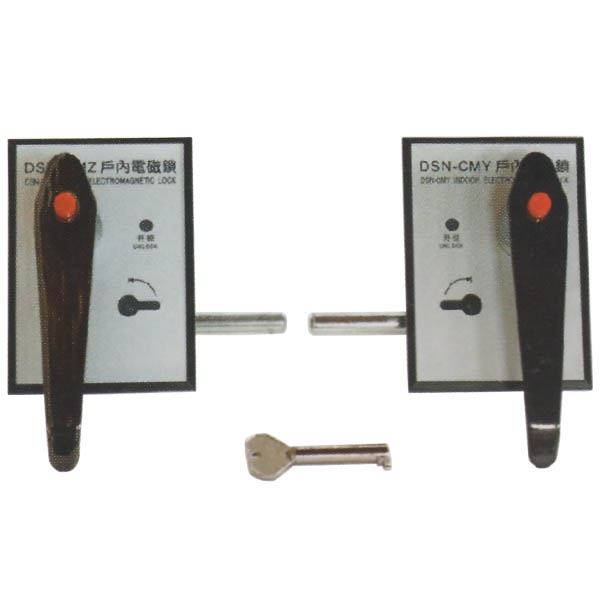
For replacement projects, compare the proposed model with the original installation drawings. Similar-looking products may have different mounting dimensions or operating requirements. For new installations, engineers should evaluate the lock alongside the cabinet design and complete interlocking sequence. This verification reduces the risk of ordering an incompatible configuration.
How Do Maintenance and Installation Costs Affect Model Choice?
The purchase price represents only part of the total cost of a DSN electromagnetic lock. Installation labor, cabinet modifications, wiring changes, commissioning, spare parts, and maintenance can influence the overall project budget. A model that matches the existing mounting arrangement may reduce installation work, while an incompatible design can require additional fabrication or engineering. Customization requirements, including voltage options, bolt direction, and fixing arrangements, should therefore be confirmed before the order is finalized.
| Cost Factor | What Buyers Should Check | Potential Impact |
|---|---|---|
| Purchase price | Model, quantity, and included accessories | Initial procurement cost |
| Installation | Mounting and wiring compatibility | Labor and modification expenses |
| Customization | Voltage, bolt direction, and dimensions | Price and lead time |
| Maintenance | Inspection requirements and spare parts | Ongoing service costs |
| Technical support | Drawings and troubleshooting assistance | Integration and commissioning efficiency |
Long-term value depends on the application, operating conditions, and confirmed product specifications. Buyers should compare qualified models using the same project requirements rather than assuming that one DSN model always costs less to maintain. For larger orders, requesting spare-parts information and documenting the approved configuration can also simplify future maintenance and replacement.
How Can Buyers Choose the Right DSN Electromagnetic Lock Model?
The most effective selection process begins with the actual switchgear requirements. Buyers should identify the installation position, locking behavior, electrical supply, cabinet dimensions, and any indication functions. They can then shortlist models whose documented features match those needs and request drawings to verify compatibility. For example, DSN-EM may warrant evaluation when a reverse locking structure is required. DSN-JK may suit an installation requiring an active design, while DSN-WY-M1 may be relevant when passive interlocking and voltage indication are needed. These are preliminary options, not automatic recommendations; the final choice depends on engineering verification.
Before placing an order, confirm the following:
- The exact model designation and configuration.
- Rated voltage and other electrical specifications.
- Mounting dimensions and lock-bolt direction.
- Required interlocking and indication functions.
- Technical drawings and supporting documentation.
- Price, customization scope, delivery schedule, and warranty terms.
For project-specific support, buyers can review the DSN-AM indoor electromagnetic lock, the DSN-EM reverse electromagnetic lock, and the DSN-WY-M1 passive electromagnetic lock with indicator. These pages provide starting points for reviewing the relevant configurations. Buyers should still confirm model-specific specifications with the supplier before procurement.
Conclusion: Making an Informed DSN Electromagnetic Lock Model Comparison
A reliable DSN Electromagnetic Lock Model Comparison focuses on differences within the DSN product family. Active and passive locking arrangements, reverse structures, indication functions, and mounting configurations can all influence model suitability. Buyers should evaluate these characteristics against the intended switchgear application rather than relying on model names alone. Electrical ratings, mechanical dimensions, control logic, and environmental limits require confirmation through technical documentation. Installation expenses, customization, maintenance, and supplier support should also be included in the purchasing decision. A structured comparison helps engineering and procurement teams select a compatible configuration and reduce avoidable installation problems.
FAQ
What Is the Difference Between DSN-JK and DSN-WY-JK?
DSN-JK is identified as an active electromagnetic lock, while DSN-WY-JK is described as a passive electromagnetic lock. Their operating arrangements should be evaluated against the required switchgear interlocking sequence. Buyers should review the wiring diagrams, release conditions, and installation requirements for each model. The appropriate choice depends on the specified control logic and cabinet configuration. Model names alone cannot establish complete electrical or mechanical compatibility.
How Can Buyers Choose Between Different DSN Electromagnetic Lock Models?
Buyers should begin with the installation position, required locking behavior, electrical supply, and cabinet dimensions. They can then compare candidate models using the manufacturer's product descriptions and technical drawings. Special attention should be given to bolt direction, control-circuit requirements, and any integrated indication functions. Before ordering, confirm the exact model code and configuration with the supplier. This process helps prevent compatibility problems during installation.
Can One DSN Electromagnetic Lock Model Replace Another?
One DSN model should not be treated as a direct replacement without technical verification. Different models may have different dimensions, locking structures, terminal arrangements, or operating requirements. Buyers should compare the original installation drawings with the proposed replacement and confirm the required interlocking behavior. Voltage compatibility and mounting dimensions must also be checked. The replacement should be approved only after the manufacturer or responsible engineering team verifies its suitability.