Electromagnetic Lock vs Solenoid Lock for Switchgear: Key Differences
Electromagnetic Lock vs Solenoid Lock for Switchgear: compare functions, power-loss behavior, interlocking, and selection criteria.
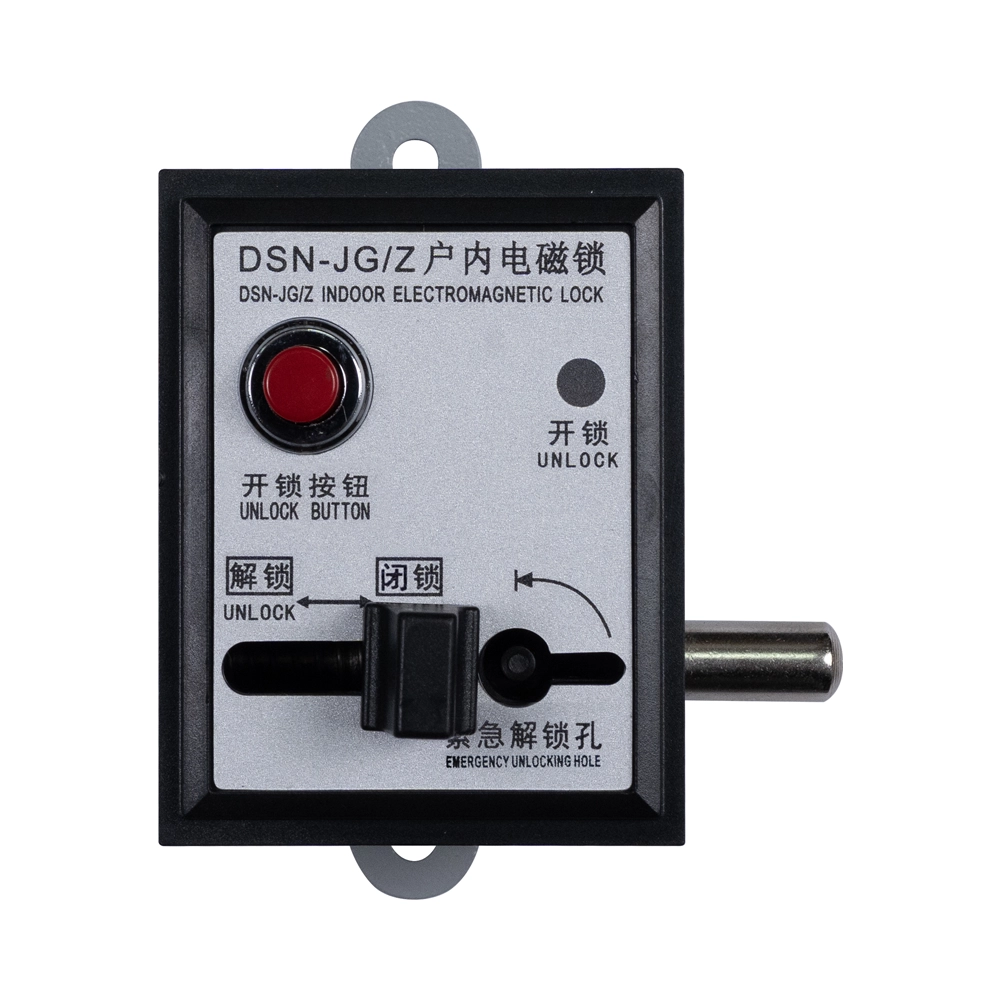
What Are Electromagnetic Locks and Solenoid Locks for Switchgear?
Electrical switchgear uses interlocking devices to prevent incorrect switching operations and restrict access to compartments under unsafe conditions.Electromagnetic locks and solenoid locks both use electromagnetic force, but their mechanisms, locking methods, and operating sequences may differ. Understanding these differences helps engineers select a suitable device for the intended switchgear application.
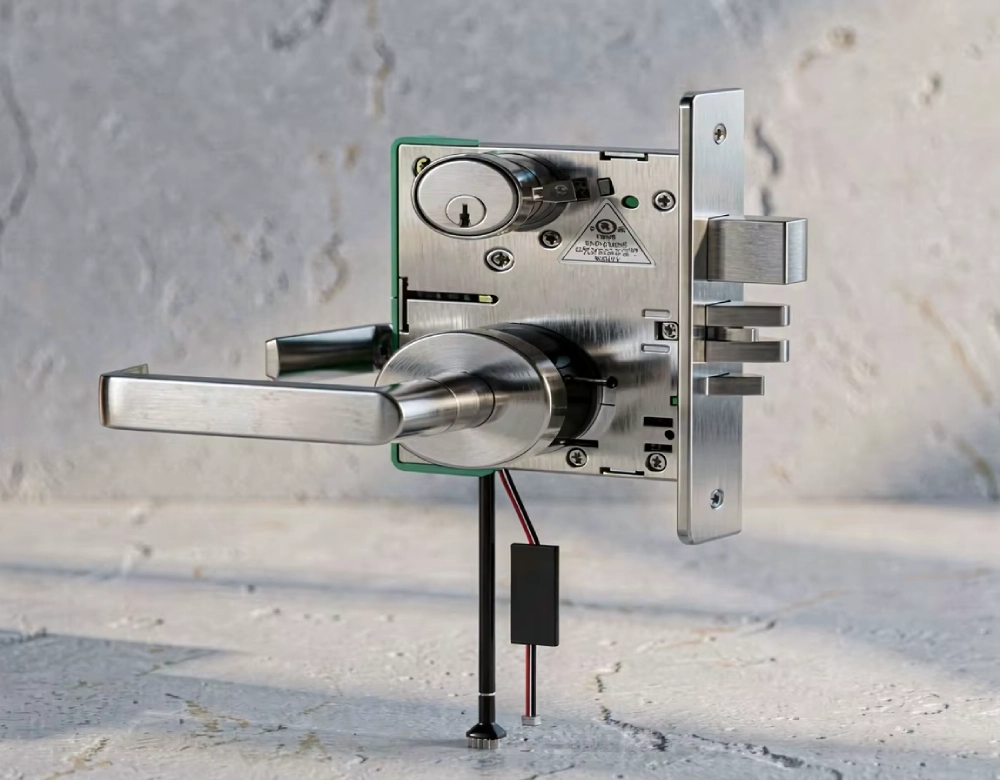
An electromagnetic lock may use magnetic attraction to hold components together or an electromagnetic actuator to control a locking rod. In switchgear applications, the device can restrict the operation of cabinet doors, disconnectors, or earthing-switch mechanisms until the required conditions are satisfied. Its exact operating principle depends on the product design.
A solenoid lock uses an energized coil to move a plunger, pin, bolt, or similar mechanical component. Depending on the design, the locking element may extend or retract when power is applied, while a spring may return it when the coil is de-energized. This arrangement can provide a physical barrier against prohibited movement.
The terminology can overlap because some industrial electromagnetic interlocks also contain solenoid-operated mechanical components. Therefore, Electromagnetic Lock vs Solenoid Lock for Switchgear should be evaluated through actual construction, operating sequence, and manufacturer specifications rather than product names alone.
Electromagnetic Lock vs Solenoid Lock for Switchgear: Key Differences
The primary distinction concerns how each device creates the required locking condition. A magnetic holding lock relies on attraction between magnetic surfaces, while a solenoid-operated mechanical lock uses electromagnetic force to move a locking element. Some switchgear interlocks combine both principles, making product-specific documentation essential.
| Comparison factor | Electromagnetic holding lock | Solenoid-operated mechanical lock |
|---|---|---|
| Working principle | Magnetic attraction holds aligned components | A coil moves a plunger, pin, or bolt |
| Locking method | Magnetic holding force | Mechanical engagement or restraint |
| Main consideration | Holding force and contact alignment | Stroke, engagement depth, and clearance |
| Power-loss behavior | Depends on the holding and release design | Depends on the coil, spring, and mechanism |
| Installation requirements | Correct mounting and magnetic contact | Correct travel and mechanical alignment |
| Maintenance priorities | Contact surfaces, alignment, and coil condition | Moving parts, spring return, wear, and coil condition |
Neither design is automatically better for every switchgear application. Magnetic holding mechanisms require suitable holding performance under specified conditions, while mechanical locking mechanisms need sufficient engagement and reliable movement. Both must be compatible with the equipment's operating requirements.
When comparing Electromagnetic Lock vs Solenoid Lock for Switchgear, procurement teams should look beyond the product name. Rated voltage, coil duty cycle, mounting dimensions, control-circuit compatibility, and required failure behavior all influence suitability. These factors help determine whether a device can integrate correctly with the intended equipment.
How Do These Locks Work in Switchgear Interlocking Systems?
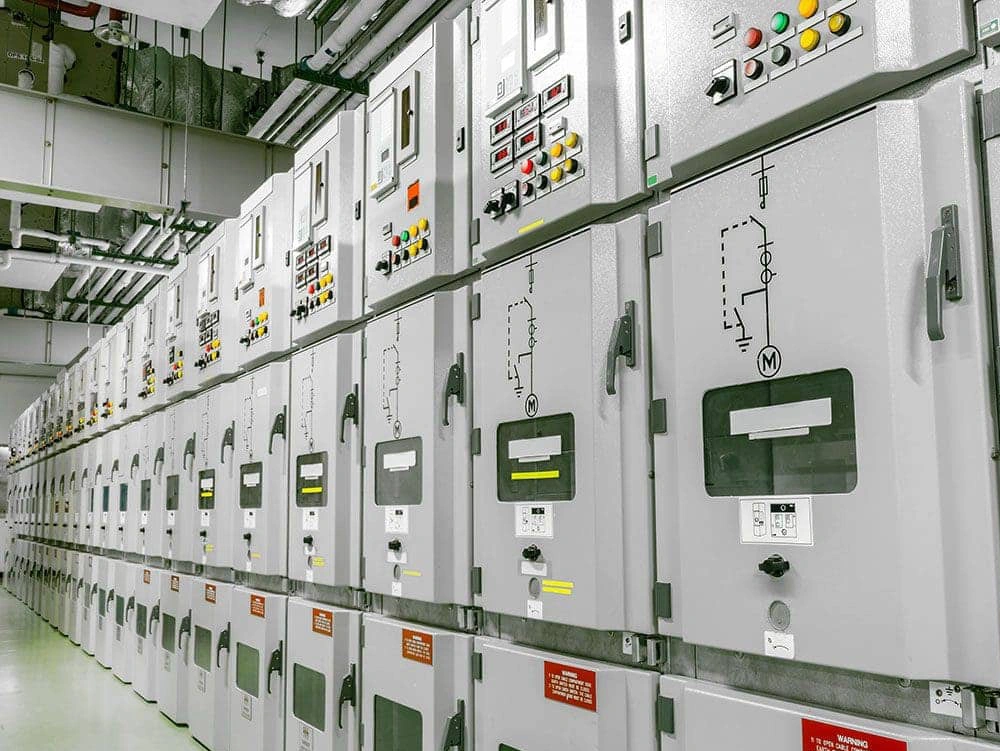
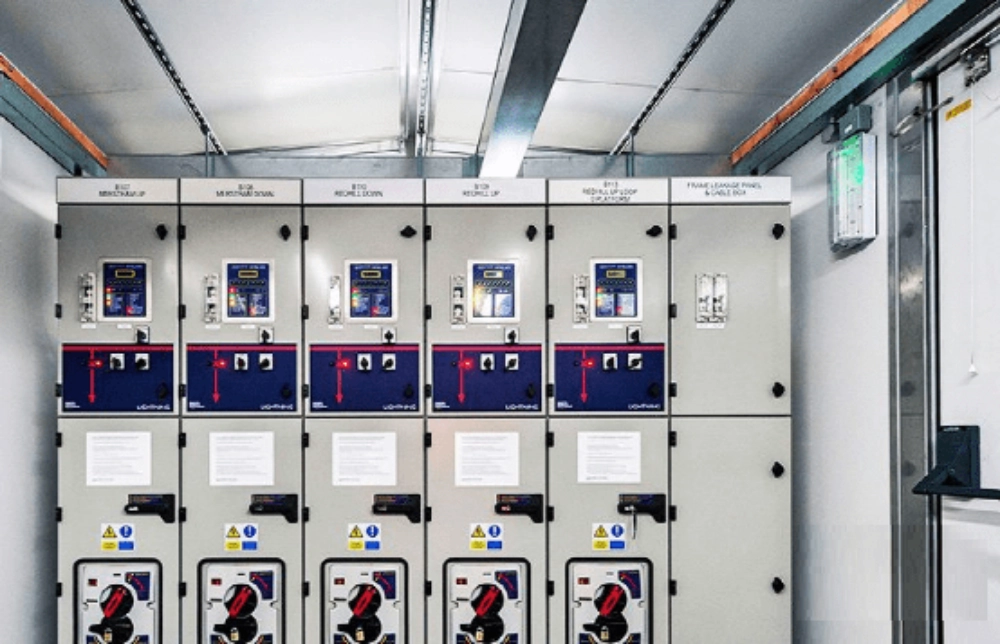
Switchgear interlocking systems help prevent incompatible operations and enforce the required switching sequence. Electromagnetic interlocks can be used on cabinet doors, disconnector mechanisms, and earthing-switch operating positions. They restrict movement until the required electrical or mechanical conditions have been satisfied.
In an electrically controlled arrangement, auxiliary contacts provide information about the positions of relevant switching devices. The control circuit evaluates these signals and determines whether the locking mechanism can release. For example, an interlocking arrangement may prevent an earthing switch from closing while the associated circuit remains in a prohibited state.
The locking device provides the physical restraint, while the wider interlocking system determines when an operation is permitted. Where required, position feedback helps confirm that the locking mechanism or operating component has reached the intended position. The complete system must account for relevant operating states and foreseeable failures.
Different switchgear configurations require different lock designs. An indoor electromagnetic lock for switchgear can be considered for compatible indoor interlocking applications, while an active electromagnetic lock may suit applications requiring electrically controlled unlocking. The selected model must match the actual mechanism and approved interlocking arrangement.
What Happens When Power Fails?
Power-loss behavior is a critical consideration when comparing electromagnetic and solenoid locks. Some designs release when the coil loses power, while others use springs or mechanical arrangements to maintain a defined state. The response depends on the construction, electrical connections, and intended operating sequence.
Engineers should evaluate what happens during control-power interruption, coil failure, disconnected wiring, or incorrect position feedback. They should also determine whether manual release is required for maintenance and how that procedure can be controlled without compromising the intended safety function.
The required failure response depends on the application. A lock that releases automatically may be unsuitable if the associated operation must remain prohibited during a power interruption. Conversely, a lock that remains engaged may require a defined recovery procedure to restore normal operation safely. Neither lock category has a universally safer response to power loss.
Before installation, review the wiring diagram, spring-return arrangement, operating instructions, and release procedure. The selected device must work with the switchgear's complete safety and interlocking design rather than relying on assumptions based on its product name.
How to Choose the Right Lock for Switchgear
Selection should begin with the required locking function and the physical structure of the switchgear. A lock intended for a cabinet door may have different requirements from one that blocks an earthing-switch operating mechanism. Identifying the intended function first helps narrow the available options.
Key selection factors include:
- Rated voltage: Verify the required AC or DC supply, coil voltage, current, and permitted voltage variation.
- Operating mode: Confirm whether energizing the coil locks, unlocks, extends, or retracts the locking element.
- Mechanical dimensions: Check mounting holes, overall dimensions, locking-rod length, stroke, and installation space.
- Duty cycle: Determine whether the coil supports continuous energization or intermittent operation.
- Environmental conditions: Consider temperature, humidity, dust, vibration, and corrosion requirements.
- Control compatibility: Verify wiring arrangements, auxiliary contacts, and compatibility with the existing interlocking logic.
Magnetic holding designs require particular attention to holding force, contact alignment, and the effects of any air gap. Solenoid-operated mechanical designs require sufficient travel, correct engagement depth, reliable return action, and protection against mechanical jamming. Retrofitting also requires checking the existing mounting arrangement and operating mechanism.
For example, a passive electromagnetic lock for switchgear may be worth evaluating where its operating principle and mechanical configuration meet the application requirements. Before purchasing any model, confirm its technical specifications, wiring diagram, installation dimensions, and compatibility with the intended switchgear.
Common Selection Mistakes to Avoid
One common mistake is assuming that every electromagnetic lock operates like a commercial magnetic door lock. Industrial switchgear interlocks may use electromagnetic actuators to control locking rods or mechanical blocking components, so their behavior can differ substantially from ordinary access-control hardware.
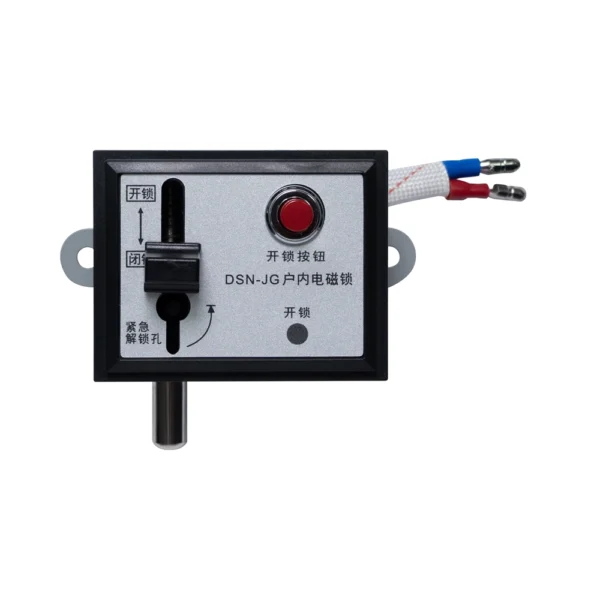
Another mistake is choosing a device based only on holding force or coil power. Mechanical alignment, locking-element travel, operating frequency, and the forces acting on the mechanism are equally important. A device with suitable electrical ratings may still be unsuitable if its mechanical interface does not match the switchgear.
Ignoring power-loss behavior can also create operational risks. Buyers should establish whether the locking element releases or remains engaged during a supply interruption and whether relevant faults can be detected. Maintenance access and manual-release requirements should be evaluated at the same time.
Finally, avoid purchasing without reviewing manufacturer documentation. Dimensional drawings, wiring diagrams, operating ratings, and installation instructions help confirm compatibility and reduce the likelihood of incorrect installation or unreliable operation.
Frequently Asked Questions
What Is the Main Difference Between an Electromagnetic Lock and a Solenoid Lock for Switchgear?
An electromagnetic holding lock uses magnetic attraction to hold components together, while a solenoid-operated mechanical lock uses a coil to move a pin, bolt, or plunger. However, some industrial electromagnetic interlocks also use solenoid-driven locking rods. The most reliable comparison examines the actual mechanism, operating sequence, electrical ratings, and mechanical interface. For switchgear, the selected device must meet the required interlocking function rather than simply carry a particular product name.
Which Lock Is Better for Earthing Switch Interlocking?
The appropriate lock depends on the earthing-switch mechanism, the required operating sequence, and the overall safety design. An electromagnetic interlock with a locking rod may be suitable when it provides the required physical restraint and integrates correctly with the control circuit. A solenoid-operated mechanical lock may also be appropriate if its travel and engagement meet the design requirements. Engineers should verify position feedback, power-loss behavior, and compatibility with the switchgear manufacturer's approved interlocking arrangement.
Does a Solenoid Lock or Electromagnetic Lock Release When Power Fails?
The response depends on the specific design. A magnetic holding lock generally loses its holding force when its coil is de-energized, while a mechanically operated lock may remain engaged through a spring or another retaining mechanism. Solenoid locks can also be designed for different locking and release sequences. Always check the wiring diagram, operating instructions, and mechanical return arrangement. The selected behavior must satisfy the switchgear's safety requirements during power interruptions and other foreseeable faults.
Conclusion
Choosing between an electromagnetic lock and a solenoid lock for switchgear requires evaluating the actual mechanism, operating conditions, and interlocking requirements. Magnetic holding force, mechanical engagement, control voltage, installation dimensions, and power-loss behavior all influence suitability.
For electrical engineers, switchgear manufacturers, and procurement teams, the priority is to identify the required locking function before comparing individual models. Reviewing technical documentation and verifying compatibility with the intended application are essential steps toward reliable operation.