How Accurate Is A Digital Temperature And Humidity Controller?
Precision in a digital temperature and humidity controller depends on metrological standards, sensor drift, and annual calibration.
Evaluating the Digital Temperature and Humidity Controller
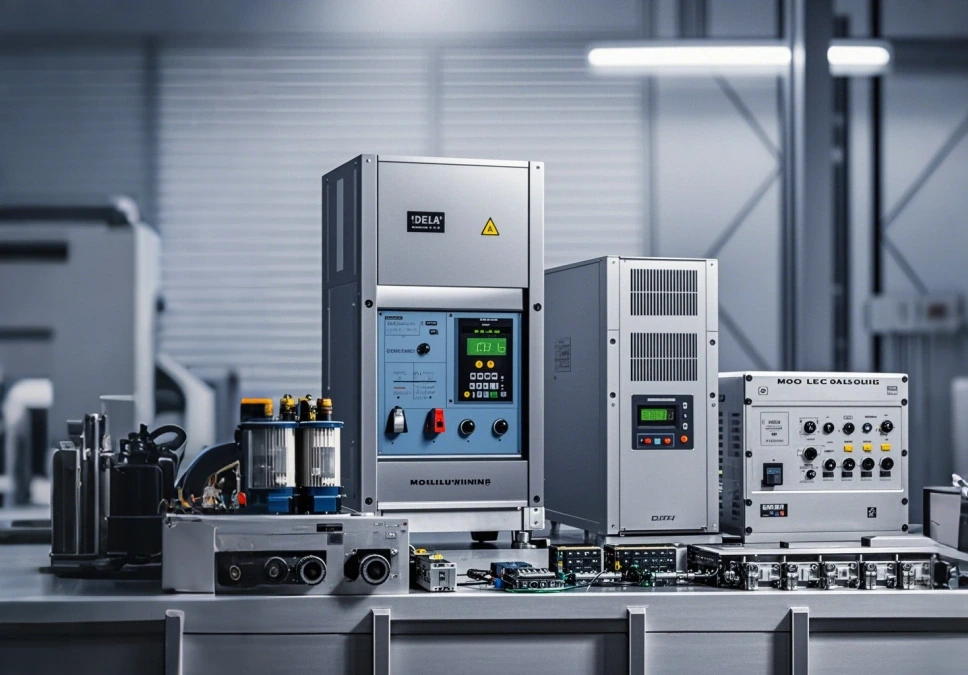
Modern industrial facilities require stable environments to protect electronic components. A high-precision digital temperature and humidity controller offers reliable regulation of sensitive spaces. These advanced instruments monitor microclimates with exceptional speed and accuracy. Engineers utilize microprocessors to gather real-time data from integrated sensor probes. Then, the system activates heating or cooling elements within seconds. This swift automated response prevents moisture buildup on delicate circuit boards. Proper thermal control maintains product consistency in busy manufacturing plants. Additionally, accurate moisture measurement stops mold growth in raw material storage zones. Managers rely on electronic systems to guarantee final product quality. Facility operators achieve peak production efficiency by preventing sudden thermal fluctuations. Ultimately, accurate monitoring safeguards critical infrastructure against expensive operational downtime.
Advanced Microchip Integration and Electronic Climate Regulator Capabilities
Modern environmental monitoring depends heavily on physical sensor quality.
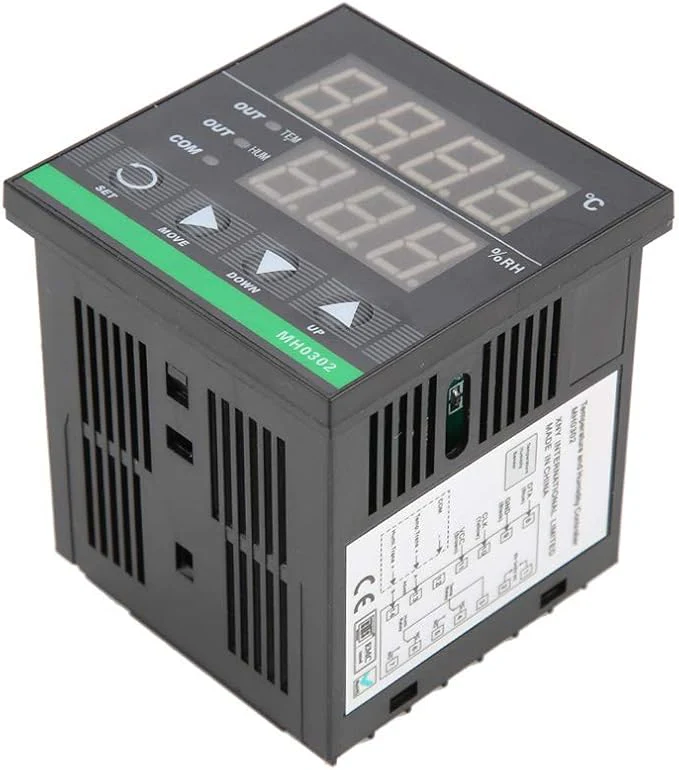
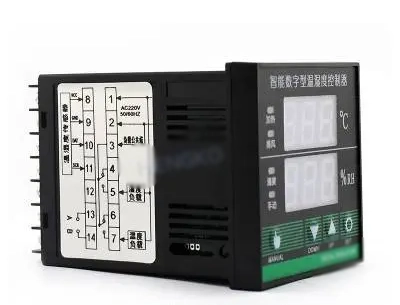
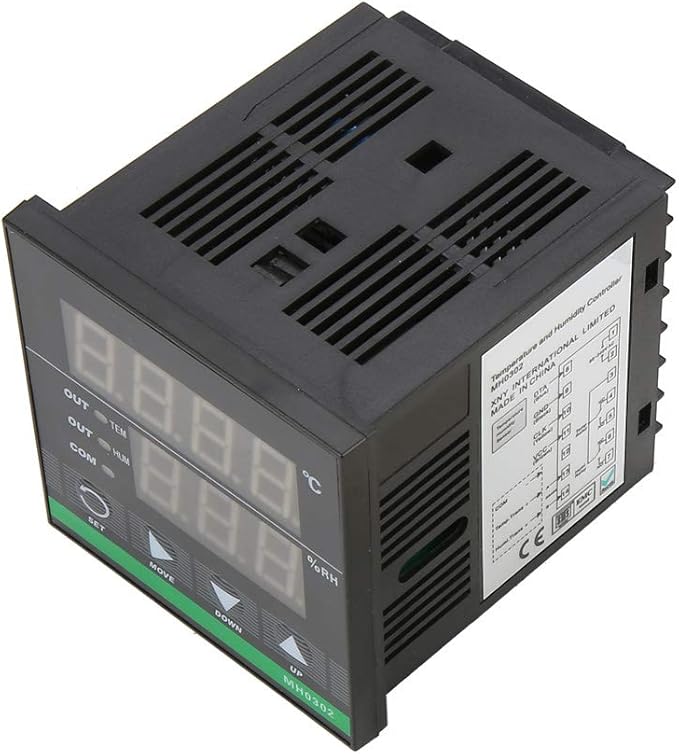
Engineers often deploy the HK Temperature and Humidity Controller for Cabinets to manage localized atmospheric conditions. This specific device uses a highly sensitive capacitive sensor to detect water vapor molecules. Silicon bandgap technology measures ambient temperature changes with minimal delay. Microchips inside the unit convert these physical fluctuations into clear numerical values. Industrial users get precise feedback via readable digital screens. High-quality components prevent signal loss across electrical circuits. These robust internal systems withstand heavy electromagnetic interference. Furthermore, rugged outer casings shield delicate chips from airborne dust particles. Selecting premium climate regulator hardware ensures reliable long-term accuracy in challenging production zones. Plant operators avoid calibration failures by selecting these industrial grade systems.
Calibrating a Digital Temperature and Humidity Controller
Every sensory instrument loses some precision after months of heavy operations. Technical standards require regular alignment against verified references. Metrology technicians use specialized chambers to simulate stable climate settings. They compare output readings against national laboratory guidelines directly. Adjusting internal offsets corrects small deviations in relative humidity calculations. This process guarantees that industrial controllers maintain low error margins. Most factories establish a strict annual schedule for device certification. Documenting these results supports quality audits in pharmaceutical facilities. Properly maintained hardware protects expensive raw materials from atmospheric damage. Reliable performance increases trust among wholesale manufacturing clients globally. Consistent calibrations reduce operational risks in sensitive chemical cleanrooms. Ultimately, standard compliance secures the long-term success of automated industrial lines.
Critical Industries Utilizing Advanced Climate Regulators
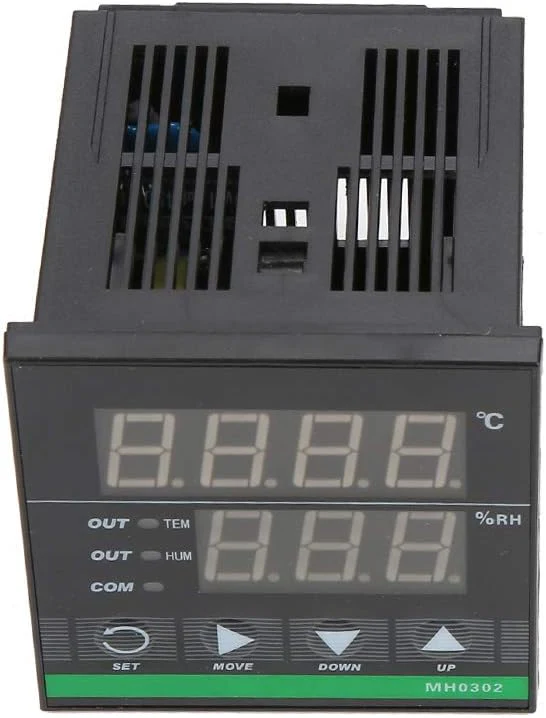
Diverse sectors rely on strict environmental tracking to maintain high safety standards. For instance, operators employ the WSK Dual-Channel Digital Temperature and Humidity Controller in complex electrical distribution networks. This dual-channel hardware monitors multiple zones from a single industrial interface. Specific manufacturing arenas demand distinct ambient parameters to prevent microclimatic errors. Without precise instrumentation, electronic parts degrade rapidly during assembly. Therefore, organizations select specialized devices to protect physical hardware investments. Server rooms require constant cooling to avoid thermal throttling during peak compute times. Pharmaceutical storage warehouses must control moisture to keep critical vaccines completely stable. Food processing plants monitor atmospheric parameters to prevent bacterial growth on assembly lines. The following facilities utilize high-accuracy controllers to maintain strict climate targets:
- Pharmaceutical Storage Facilities: These zones require extremely narrow humidity boundaries to preserve medicine potency.
- Data Center Server Halls: Constant monitoring prevents electrostatic discharge and hardware overheating issues.
- Semiconductor Fabrication Cleanrooms: Technicians must control moisture to prevent wafer defects on microchips.
- Commercial Greenhouse Farms: Automatic relays manage humidity to optimize plant growth cycles daily.
Analyzing Environmental Variables in Controlled Areas
Each environment listed above demands specialized electronic oversight to prevent sudden product spoilage. For instance, computer servers fail when relative humidity levels exceed sixty percent. High moisture levels cause rapid corrosion on gold contacts inside server racks. Conversely, low humidity levels generate static electricity that ruins delicate microprocessors. Using a digital temperature and humidity controller helps operators avoid these costly operational issues. Sensors detect even minor variations in atmospheric water vapor instantly. The system then triggers exhaust fans or dehumidifiers to restore equilibrium. This continuous oversight ensures that cleanrooms maintain consistent microclimates. Additionally, automatic alerts notify engineers before ambient deviations reach critical thresholds. Integrating these automatic mechanisms saves businesses substantial emergency maintenance costs over time.
Hardware Comparison Metrics for Industrial Regulators
Industrial operators must evaluate specific metrics before choosing their environmental hardware. Different sensing technologies offer distinct advantages depending on factory floor conditions. Some environments have high chemical exposure that degrades sensitive components. Other spaces undergo rapid temperature swings that cause major measurement lag. To help procurement teams select assets, we compile these core operational features. The technical parameters below contrast the main capabilities of popular industrial options. Our assessment focuses on precision, response speed, and overall thermal limits. Comparing these features allows managers to select appropriate devices for their systems. We exclude non-standard devices to ensure comparison clarity for purchase managers. Reliable metrics enable plant engineers to make safe technology integration choices. The following data table outlines key differences among modern industrial sensors:
| Sensor Type | Temperature Accuracy | Humidity Accuracy | Response Speed |
|---|---|---|---|
| Capacitive Polymer | ±0.2 °C | ±1.5% RH | Fast (< 4 seconds) |
| Resistive Ceramic | ±0.5 °C | ±3.0% RH | Medium (8-15 seconds) |
| Thermal Conductivity | ±0.1 °C | ±2.0% RH | Slow (> 30 seconds) |
Technical Assessment of Sensor Performance Data
The comparison table demonstrates that capacitive polymer sensors offer the best balance of speed and accuracy. In contrast, resistive ceramic variants are less accurate but withstand harsher physical environments. Thermal conductivity sensors provide superior temperature accuracy but respond slowly to sudden atmospheric changes. Engineers must balance these trade-offs when selecting control devices. For high-speed automated processes, capacitive technology is clearly the industry choice. This type of hardware handles continuous atmospheric tracking without excessive delay. Selecting the incorrect sensor model causes system lag and incorrect moisture readings. Consequently, companies suffer from higher material failure rates and product defects. Choosing high-performance capacitive systems avoids these dangerous thermal management problems. Technicians can ensure stable processes by applying these specific data metrics during integration.
Standard Reliability and Safety Metrics
A high-quality digital temperature and humidity controller must meet strict international manufacturing safety guidelines. These global certification frameworks prevent electrical hazards and guarantee stable device operations. Compliance protocols verify that hardware resists voltage surges and sudden electromagnetic spikes. Additionally, standard ratings indicate the protection level against dust and water ingress. To clarify these standards, we organize the primary regulatory codes. The data below summarizes key compliance metrics for industrial control hardware. Recognizing these certification marks helps engineers choose reliable assets for safe deployment. Purchasers verify these marks to ensure seamless international trade of factory equipment. We select recognized global codes to keep the reference list simple. Reliable factories never use non-certified controllers in automated assembly lines. The second table presents the essential safety classifications:
| Standard Name | Primary Focus | Common Certification Marks | Safety Level |
|---|---|---|---|
| CE Compliance | European safety and health directives | CE Mark | High safety margin |
| IP65 Rating | Protection against dust and water jets | Ingress Protection Code | Industrial dust proof |
| RoHS Directive | Restriction of hazardous substances | RoHS Compliant | Eco-friendly materials |
Explaining Compliance and Safety Classifications
Standard specifications ensure that control components work safely in extreme industrial conditions. For example, CE markings certify that electrical devices meet strict health guidelines. Technicians can confidently install certified hardware without fear of unexpected circuit shorting. Furthermore, IP65 ratings prove that moisture cannot penetrate the outer protective shell. This particulate shielding prevents short-circuit errors when operators clean nearby heavy machinery. Using environmentally rated hardware prolongs the operational lifespan of sensitive relays. Additionally, RoHS compliance confirms that the equipment contains zero hazardous lead materials. These safe manufacturing processes benefit both factory personnel and global waste environments. Engineers must verify these safety ratings before integrating automated control blocks. In conclusion, certified hardware provides peace of mind during complex physical processes.