How Can A Switchgear Interior Light Improve Workplace Safety?
Switchgear Interior Light improves cabinet visibility, reduces maintenance risks, supports compliance, and enhances workplace safety.
Introduction to Safe Electrical Cabinet Operations
Workplace safety depends heavily on visibility during electrical maintenance. A Switchgear Interior Light provides focused illumination inside switchgear enclosures where natural light rarely reaches. Maintenance personnel often perform inspections in confined spaces with complex wiring layouts. Poor visibility can increase the likelihood of wiring mistakes, accidental contact, and extended service times. Proper cabinet lighting allows technicians to identify components quickly and accurately. It also supports safer troubleshooting procedures during routine inspections. Many industrial facilities now consider internal cabinet lighting an important part of electrical safety planning. Better visibility contributes directly to operational reliability while helping maintenance teams perform tasks with greater confidence and precision.
Key Components That Influence Lighting Performance
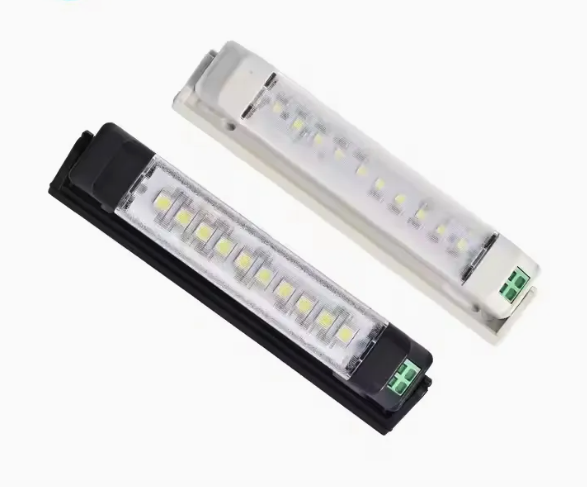
Several components determine the effectiveness of cabinet illumination systems. Modern solutions typically use LED chips because they generate high brightness with low power consumption. Protective housings are commonly manufactured from aluminum or flame-retardant polymers to withstand industrial conditions. Diffusers help distribute light evenly across internal equipment surfaces. Electrical connectors must maintain stable performance under vibration and temperature fluctuations. Quality wiring reduces voltage losses and supports long-term reliability. Advanced products may also include magnetic mounting systems or door-activated switches. Each component plays a role in creating consistent illumination throughout the enclosure. Selecting durable materials helps reduce replacement frequency and lowers maintenance costs over the equipment lifecycle.
Switchgear Interior Light and Internal Visibility Enhancement
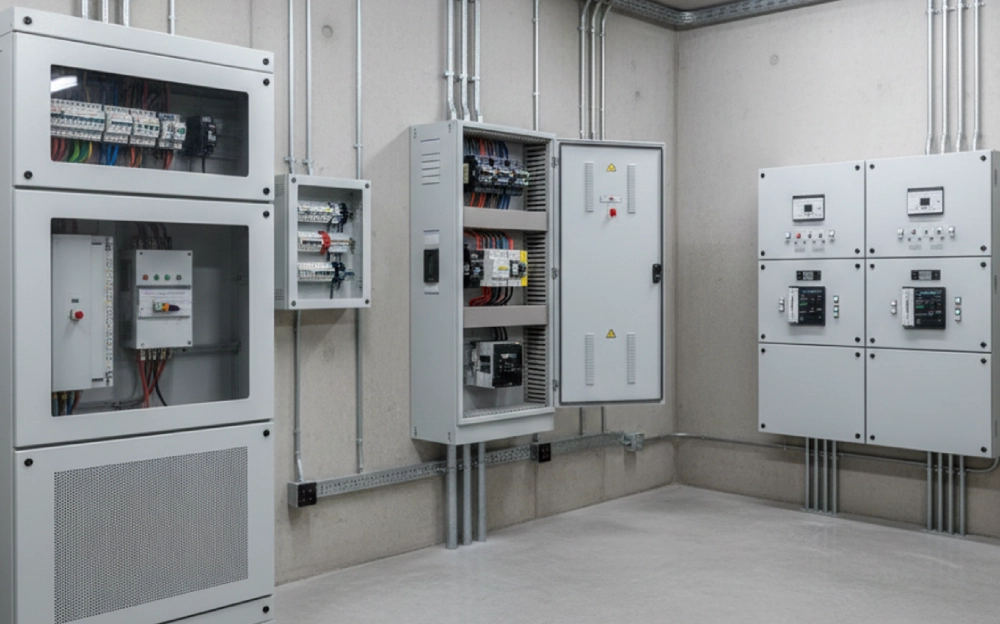
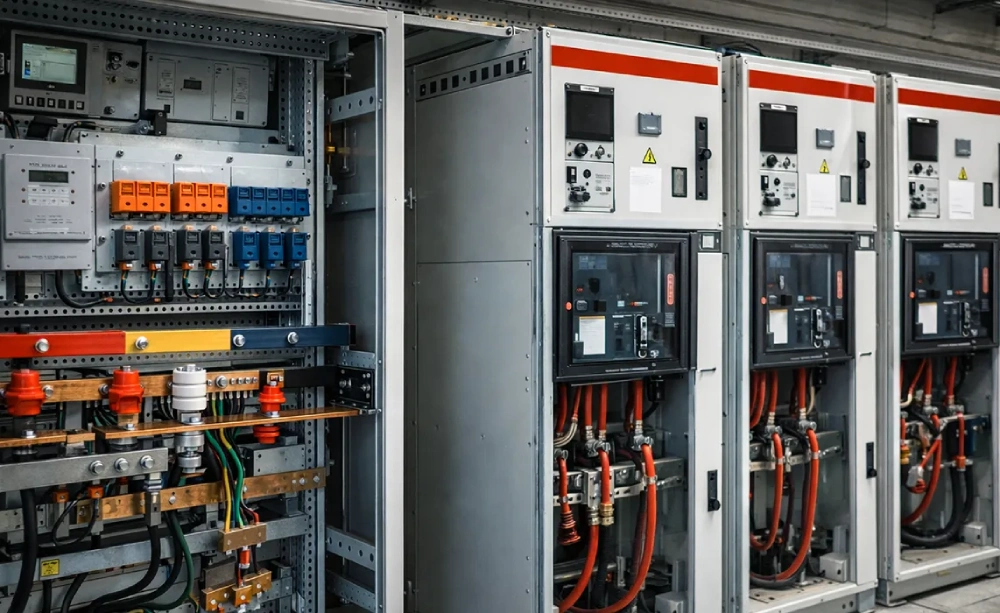
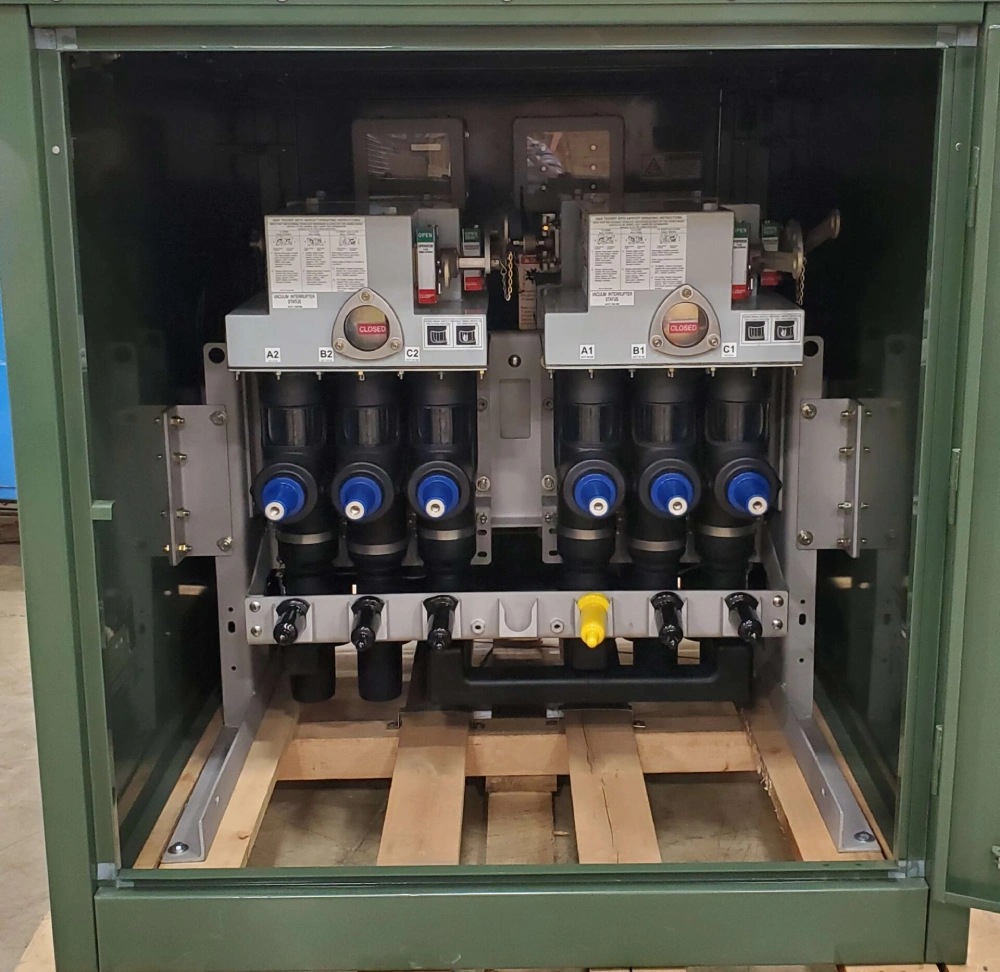
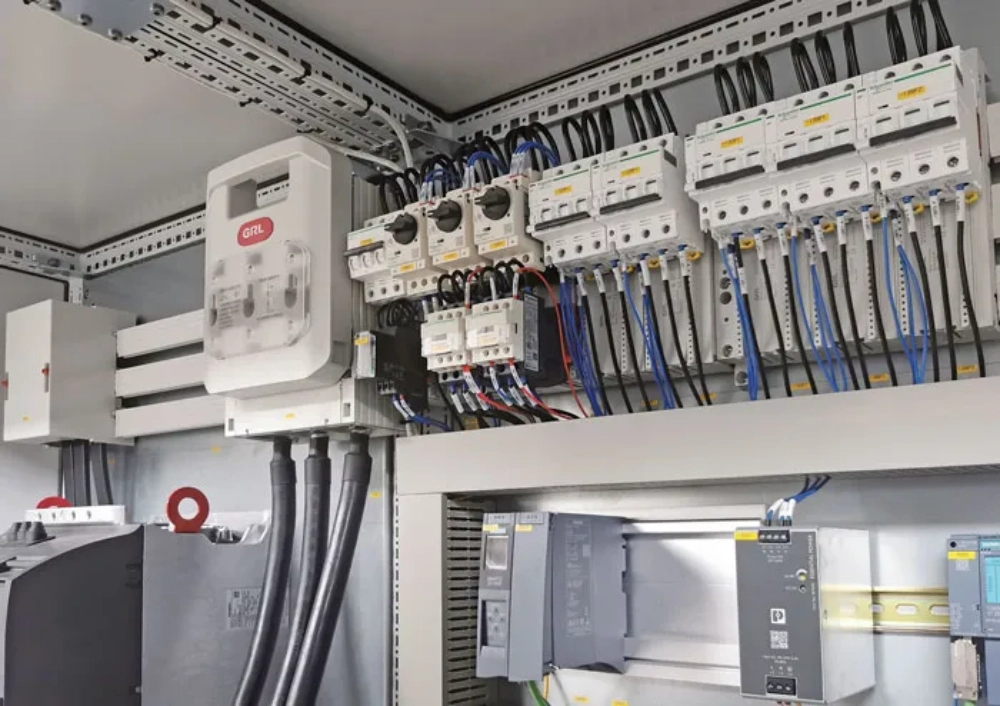
Electrical cabinets often contain circuit breakers, busbars, relays, terminals, and monitoring devices. Accurate identification of these components requires sufficient illumination. A Switchgear Interior Light helps technicians inspect labels, cable routes, and connection points without relying on handheld flashlights. Better visibility improves work efficiency during commissioning, preventive maintenance, and emergency repairs. Bright and uniform lighting minimizes shadows that can conceal critical defects. Personnel can detect loose connections, insulation damage, and contamination more easily. Improved visibility also reduces eye strain during extended maintenance sessions. Facilities that prioritize clear cabinet illumination frequently experience smoother maintenance operations and fewer human-related inspection errors.
Common Workplace Risks Reduced by Better Lighting
Many electrical incidents occur because workers cannot clearly see equipment details. Effective cabinet lighting helps reduce several common hazards:
- Misidentification of electrical components
- Incorrect cable termination
- Missed signs of overheating
- Accidental contact with energized parts
- Extended maintenance duration
- Reduced inspection accuracy
- Increased operator fatigue
Addressing these risks improves both worker protection and equipment reliability. Enhanced illumination serves as a practical preventive measure within industrial electrical environments. Safety improvements often result from small design enhancements that support daily maintenance activities.
Safety Impact Comparison of Different Lighting Conditions
| Lighting Condition | Inspection Accuracy | Error Probability | Maintenance Efficiency |
|---|---|---|---|
| Poor Visibility | Low | High | Low |
| Moderate Visibility | Medium | Medium | Medium |
| High-Quality Cabinet Lighting | High | Low | High |
Why Visibility Directly Affects Maintenance Quality
Maintenance quality depends on accurate observation and decision-making. When visibility improves, technicians can evaluate equipment conditions more effectively. Small defects often become visible before they develop into major failures. Early detection reduces unplanned downtime and lowers repair expenses. Proper illumination also supports detailed inspections of cable terminations and mechanical connections. Maintenance teams can document findings more accurately when cabinet interiors remain consistently illuminated. These advantages contribute to improved asset management and more predictable equipment performance. Facilities seeking long-term operational stability frequently invest in reliable cabinet lighting systems as part of broader maintenance optimization strategies.
Compliance Requirements and Industry Standards
Industrial electrical systems must comply with various safety and performance requirements. Organizations often reference IEC 61439 for low-voltage switchgear assemblies and IEC 62271 for high-voltage switchgear design. Many facilities also follow ANSI C37.20 for switchgear construction and NFPA 70 (National Electrical Code) for electrical safety procedures. Adequate internal illumination supports safer inspection practices and helps maintenance personnel perform tasks according to these established standards. Documentation accuracy often improves when workers can clearly identify components and labels. Regulatory audits may also benefit from better cabinet visibility. Although lighting alone cannot guarantee compliance, it strengthens the overall safety infrastructure within electrical installations. A comprehensive safety approach typically combines equipment design, training, procedures, and proper illumination.
Switchgear Interior Light Selection Criteria
Selecting a Switchgear Interior Light requires evaluating several technical factors. Brightness output should match cabinet dimensions and equipment density. Voltage compatibility remains essential for safe integration with existing systems. Environmental ratings help determine suitability for dusty, humid, or vibration-prone locations. Energy efficiency influences operating costs throughout the product lifespan. Installation flexibility can simplify retrofit projects and future maintenance. Some facilities prefer integrated door-switch functionality for automatic operation. Product reliability should remain a primary consideration because lighting failures can disrupt maintenance activities. Careful selection helps maximize safety benefits while supporting long-term operational performance.
Technical Comparison of Cabinet Lighting Technologies
| Technology | Average Lifespan | Energy Efficiency | Heat Output | Maintenance Demand |
|---|---|---|---|---|
| LED | 50,000+ Hours | Excellent | Low | Low |
| Fluorescent | 10,000–20,000 Hours | Moderate | Medium | Medium |
| Halogen | 2,000–4,000 Hours | Low | High | High |
Modern LED Solutions for Industrial Cabinets
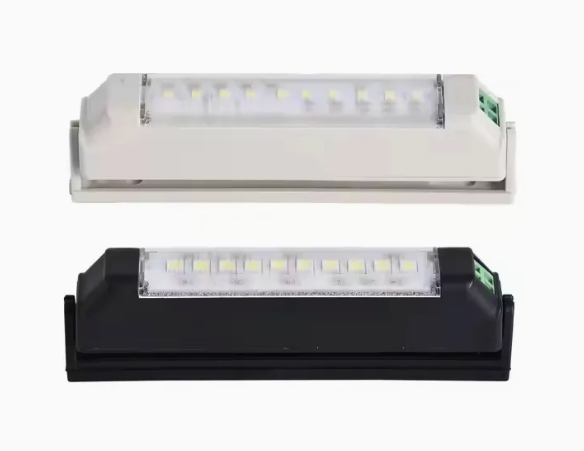
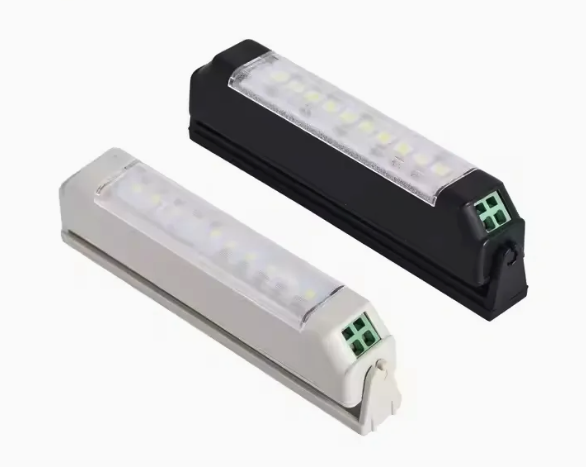
LED technology has become the preferred choice for cabinet illumination. Products such as CM-1 Cabinet Light for Switchgear provide efficient lighting while minimizing power consumption. LED sources generate less heat than traditional alternatives, helping maintain stable cabinet temperatures. Long service life reduces replacement frequency and maintenance labor requirements. Consistent brightness supports accurate inspections across the entire enclosure. Compact designs also simplify installation in cabinets with limited space. These advantages make LED-based solutions suitable for manufacturing plants, utility facilities, transportation infrastructure, and other demanding industrial environments where reliability remains a critical requirement.
Installation and Maintenance Best Practices
Proper installation influences lighting effectiveness and long-term reliability. Fixtures should be positioned to eliminate shadows across critical components. Wiring routes must avoid interference with moving parts and maintenance access areas. Technicians should verify voltage compatibility before installation. Regular inspections help identify dirt accumulation on lenses and housings. Cleaning schedules should align with environmental conditions inside the facility. Periodic functional testing confirms consistent operation during maintenance activities. Facilities can further improve performance by standardizing lighting specifications across similar cabinets. Consistent installation practices support safer inspections and simplify future replacement procedures when upgrades become necessary.
Long-Term Value and Operational Benefits
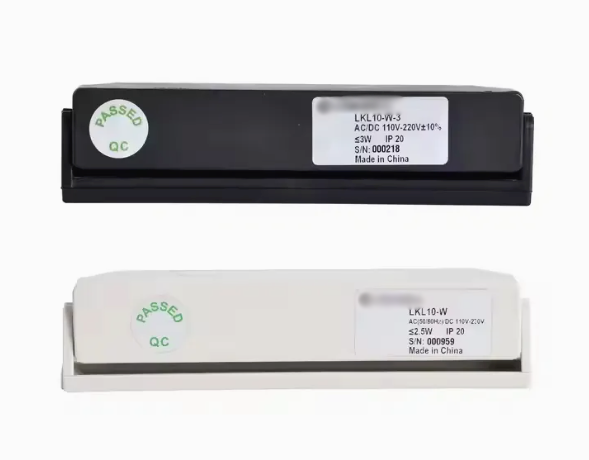
The financial value of cabinet lighting extends beyond energy savings. Better visibility helps reduce maintenance errors that can lead to costly downtime. Faster inspections improve workforce productivity and shorten service interruptions. Facilities may also benefit from reduced accident-related expenses. Products such as CM-L2 Cabinet LED Light for Switchgear demonstrate how modern lighting technology combines efficiency with durability. Long operating life minimizes replacement costs while maintaining dependable performance. These factors contribute to a favorable return on investment over time. Organizations focused on reliability often view cabinet lighting as a practical enhancement that supports both safety objectives and operational efficiency.
FAQ
How long does cabinet lighting typically remain operational?
Most modern LED cabinet lights operate for more than 50,000 hours under normal conditions. Actual lifespan depends on ambient temperature, operating voltage stability, and overall product quality. Industrial-grade units usually include thermal management features that help maintain consistent performance. Facilities that conduct routine inspections and cleaning often achieve longer service life. LED technology experiences gradual lumen reduction rather than sudden failure. This characteristic allows maintenance teams to plan replacements before illumination levels become inadequate. Long operational life reduces labor costs and minimizes disruptions associated with frequent lighting maintenance activities inside electrical enclosures.