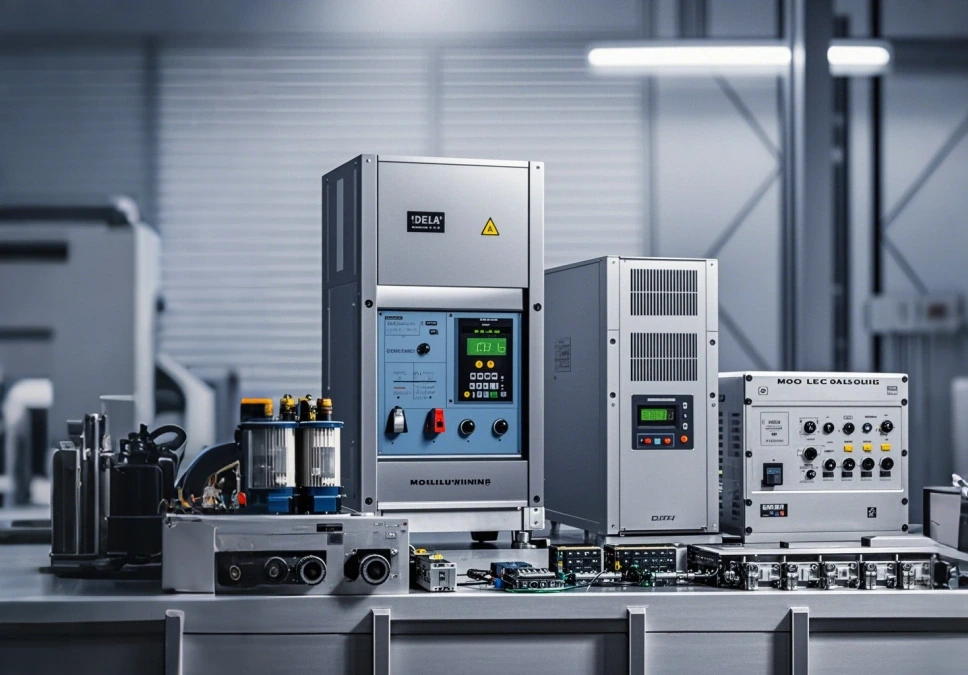
How Do VPIS Systems Reduce Electrical Operation Risks?
VPIS System solutions improve electrical safety with reliable voltage indication, accurate status checks, and reduced operation risks.
Electrical safety management requires accurate information before operators perform maintenance or inspection tasks. The VPIS System provides a practical method for checking voltage conditions in medium voltage equipment. Electrical environments contain many potential hazards, including unexpected energization, incorrect isolation, and improper equipment assessment. Reliable voltage indication technology helps teams confirm equipment status before starting critical procedures. Industrial facilities increasingly focus on preventive safety methods because electrical failures can cause equipment damage, production delays, and personnel risks.
A dependable indication solution supports safer workflows by improving visibility and reducing uncertainty during daily operations. Proper equipment selection, installation, and maintenance remain essential for achieving stable electrical protection.
VPIS System Improves Electrical Safety During Maintenance Operations
Maintenance teams require clear voltage information before accessing electrical equipment. The system displays voltage presence conditions through visible indicators connected with internal circuits. Operators can quickly check whether electrical energy remains within equipment before performing service activities. This process creates an additional safety layer during inspection procedures. Electrical workers often manage complex systems where incorrect assumptions may create serious consequences. Visual confirmation technology supports better decisions by providing immediate equipment status information. Facilities that use reliable voltage indication methods can improve maintenance efficiency and reduce unnecessary risks. The technology works alongside established safety procedures, including isolation practices and professional testing methods, to create a stronger protection process.
How VPIS System Reduces Risks Caused by Electrical Misjudgment
Electrical operation mistakes often occur when workers cannot accurately confirm equipment conditions. The VPIS System helps reduce these risks by providing visible voltage status information before maintenance activities continue. Unexpected voltage presence, incomplete isolation, and communication errors can create unsafe situations. A clear indicator allows operators to verify conditions without relying only on assumptions. This improves confidence during switching operations and inspection procedures. Modern electrical facilities require reliable solutions that support fast and accurate decisions. Voltage indication technology also improves cooperation between maintenance teams because equipment status becomes easier to identify. Consistent status verification helps companies reduce operational errors and maintain safer working environments.
Technical Components Behind Reliable Voltage Presence Verification
Voltage presence solutions depend on several technical components that work together to deliver accurate information. Sensors detect electrical signals from connected circuits and transfer data through dedicated interfaces. Indicator modules process these signals and provide visible status information for operators. Protective housings help internal components resist environmental influences such as dust, vibration, and temperature changes. Electrical insulation materials also play an important role because they maintain separation between energized parts and external structures. Engineers evaluate signal stability, mechanical strength, and compatibility during product development. Each component affects overall reliability, especially in industrial environments where equipment must operate continuously. High-quality construction supports stable performance and improves safety confidence during electrical maintenance activities.
| Component | Technical Function | Safety Value |
|---|---|---|
| Detection Sensor | Captures voltage presence signals | Provides accurate equipment status |
| Indicator Module | Displays electrical conditions visually | Supports quick verification |
| Connection Interface | Transfers signals between components | Maintains communication stability |
| Protective Housing | Protects internal structures | Improves durability in harsh environments |
Performance Advantages of Modern Voltage Indication Solutions
Modern electrical facilities require equipment that provides fast and reliable status information. Advanced voltage indication solutions improve operational efficiency by helping technicians confirm conditions before performing maintenance work. Clear visual signals reduce inspection time and support better decision-making during electrical procedures. Compact designs also allow easier integration into different switchgear structures. Manufacturers focus on improving display visibility, component stability, and environmental resistance. These improvements help equipment maintain consistent performance under demanding conditions. Reliable indication technology supports safer workflows because operators can quickly identify whether electrical circuits remain active. Better visibility, accurate signals, and durable construction create practical advantages for industrial power management.
Main Benefits of Using Voltage Indication Technology
- Improves electrical inspection safety through clear status confirmation.
- Reduces risks caused by incorrect assumptions about voltage conditions.
- Supports faster maintenance decisions in industrial environments.
- Enhances communication between electrical operation teams.
- Helps maintain stable performance in distribution systems.
Electrical Applications and Equipment Compatibility
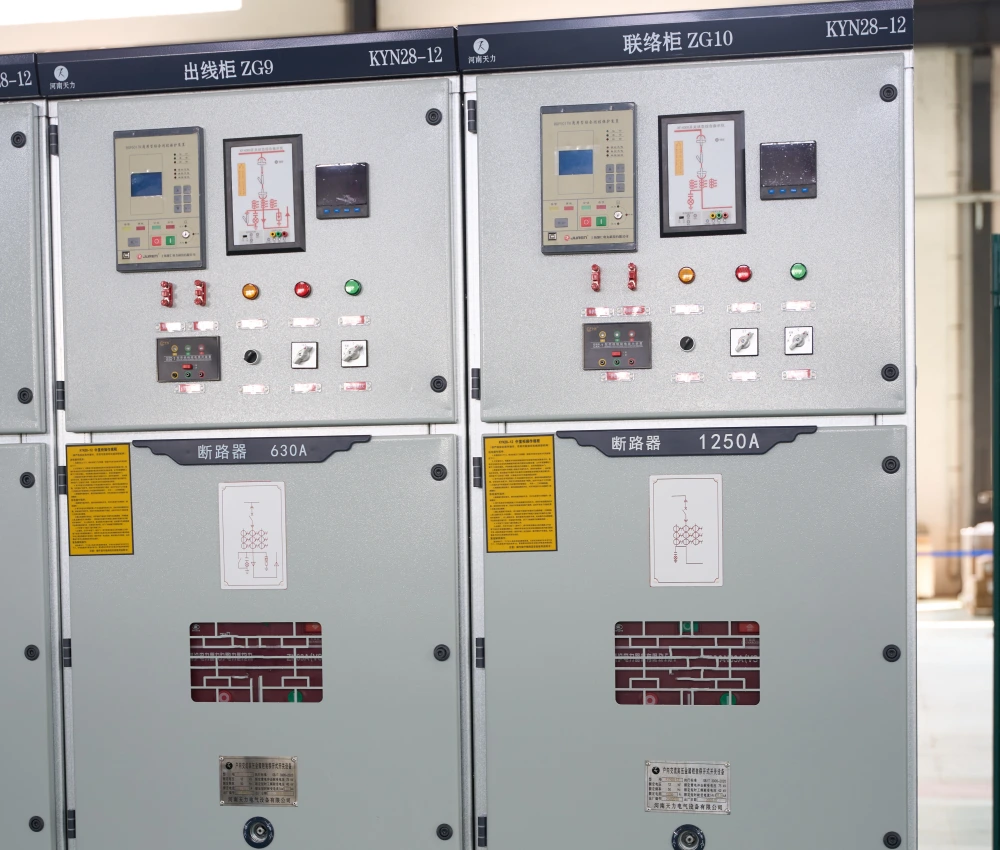
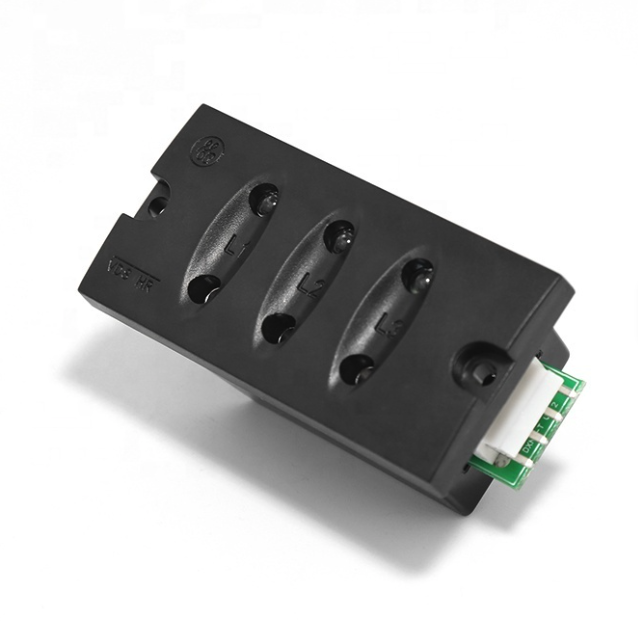
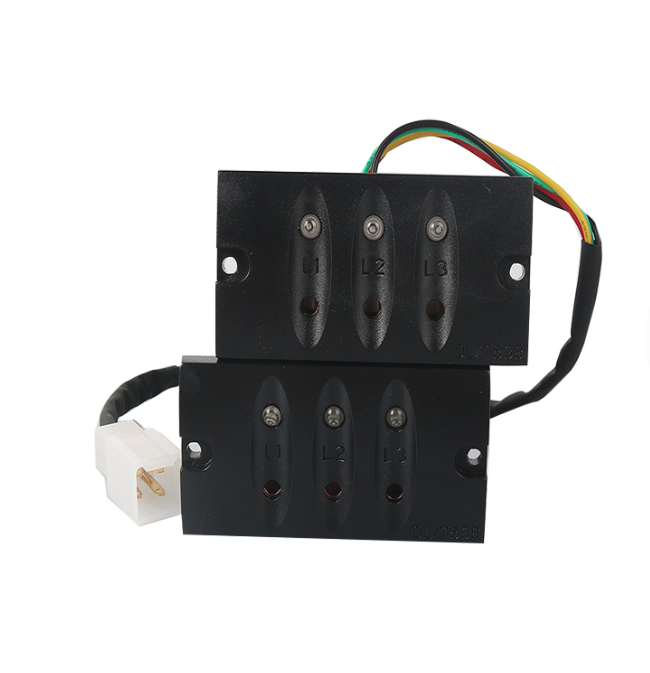
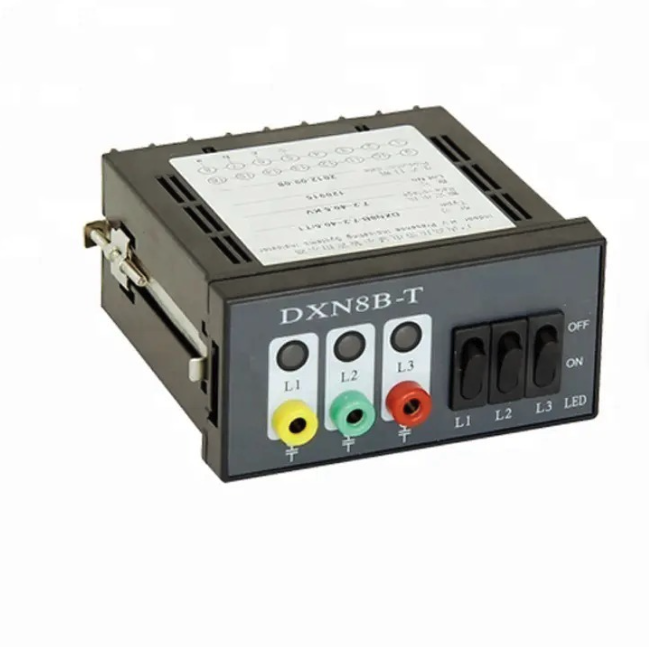
Different electrical systems require suitable voltage indication solutions based on their structures and operating conditions. Medium voltage switchgear, distribution cabinets, and industrial power equipment often use visual confirmation methods to improve safety. A 88x28mm Switchgear Voltage Indicator Vpis provides a compact option for installations where available space remains limited. This type of indicator supports convenient observation while maintaining reliable status display functions. Electrical engineers consider voltage levels, installation positions, and equipment design before selecting suitable products. Proper compatibility helps maintain stable performance and prevents installation problems. Facilities with complex electrical networks benefit from solutions that match specific technical requirements and operational environments.
| Application Area | Required Feature | Operational Benefit |
|---|---|---|
| Medium Voltage Switchgear | Reliable voltage status display | Improves maintenance safety |
| Power Distribution Cabinets | Compact installation design | Saves internal space |
| Industrial Electrical Systems | Stable signal performance | Supports continuous operation |
| Utility Equipment | Strong environmental resistance | Extends service reliability |
Standards and Reliability Factors Affecting Equipment Selection
Electrical safety products require strict quality evaluation before entering industrial applications. Manufacturers review insulation performance, mechanical strength, and electrical compatibility during production. Relevant standards define testing methods for voltage detection equipment and help maintain consistent quality levels. Engineers usually evaluate rated voltage, signal accuracy, environmental protection, and service durability. Product testing may include insulation verification, operational checks, and component reliability assessments. A suitable voltage indication solution should match both technical requirements and application conditions.
Companies should review supplier capabilities, production processes, and quality documentation before selecting equipment.Careful evaluation improves long-term reliability and supports safer electrical management practices across different facilities.
Installation and Maintenance Practices for Long-Term Safety
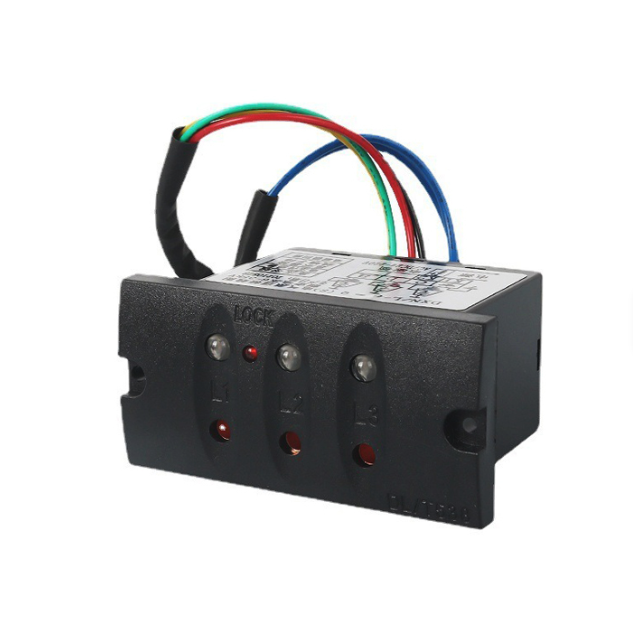
Proper installation plays an important role in maintaining stable electrical protection performance. Technicians should check mounting locations, connection methods, and equipment compatibility before operation. Regular inspections help identify possible issues related to indicator visibility, connection stability, or component aging. A 106x26mm Voltage Presence Indicating System represents a configuration designed for specific installation requirements. Routine maintenance allows operators to maintain reliable performance and reduce unexpected failures. Facilities should create inspection schedules based on operating conditions and equipment importance. Environmental factors, including humidity, dust, and vibration, may influence service life. Consistent maintenance procedures help protect electrical assets and support safer working conditions over extended periods.
Choosing the Right VPIS System Solution for Electrical Operation Protection
Selecting suitable voltage indication equipment requires careful consideration of electrical parameters, installation needs, and supplier experience. The VPIS System should match the voltage level, equipment structure, and environmental conditions of the application. Companies should examine product testing information, manufacturing quality, and technical support capabilities before making decisions. Reliable suppliers provide solutions that support safer operation and efficient maintenance processes. Proper selection improves equipment management because operators receive accurate status information during important procedures. Electrical safety depends on combining suitable technology with correct operating practices. A well-matched solution helps facilities reduce operational risks while maintaining dependable power distribution performance.
FAQ
Why Do VPIS Standards Matter For Electrical Equipment Safety?
VPIS standards play an important role in maintaining reliable voltage indication performance and electrical equipment safety. These standards define requirements for design quality, testing procedures, insulation performance, and operational reliability. They help manufacturers create products that provide accurate voltage status information under different working conditions. Compliance with recognized standards also allows operators to trust indication results during maintenance and inspection tasks. Electrical facilities rely on standardized solutions because inconsistent performance may increase operational risks. Properly tested voltage indication equipment supports safer workflows, improves maintenance confidence, and helps reduce potential failures caused by incorrect equipment status evaluation.
How Does Voltage Indication Technology Help Prevent Electrical Accidents?
Voltage indication technology helps prevent accidents by showing clear electrical status information before workers interact with equipment. Many electrical incidents occur because operators incorrectly believe circuits are inactive. Visual indicators provide immediate confirmation and support safer maintenance procedures. The technology improves communication between teams because equipment conditions become easier to identify. When combined with isolation methods and professional safety practices, voltage indication creates stronger protection measures. Industrial environments benefit from faster verification processes and reduced operational uncertainty. Reliable design, correct installation, and routine maintenance remain important factors for achieving consistent electrical safety performance.
What Factors Should Companies Consider When Selecting a Voltage Indication Solution?
Companies should evaluate several technical factors when selecting a voltage indication solution. Important considerations include voltage compatibility, installation space, component quality, environmental resistance, and testing standards. The equipment should match existing electrical structures and provide stable performance under operating conditions. Manufacturers with strong quality control processes can offer more reliable products for demanding applications. Companies should also review technical specifications, supplier experience, and after-sales support capabilities. A suitable selection process helps improve maintenance efficiency and reduce operational risks. Reliable voltage indication equipment should provide accurate information while meeting the specific requirements of each electrical system.