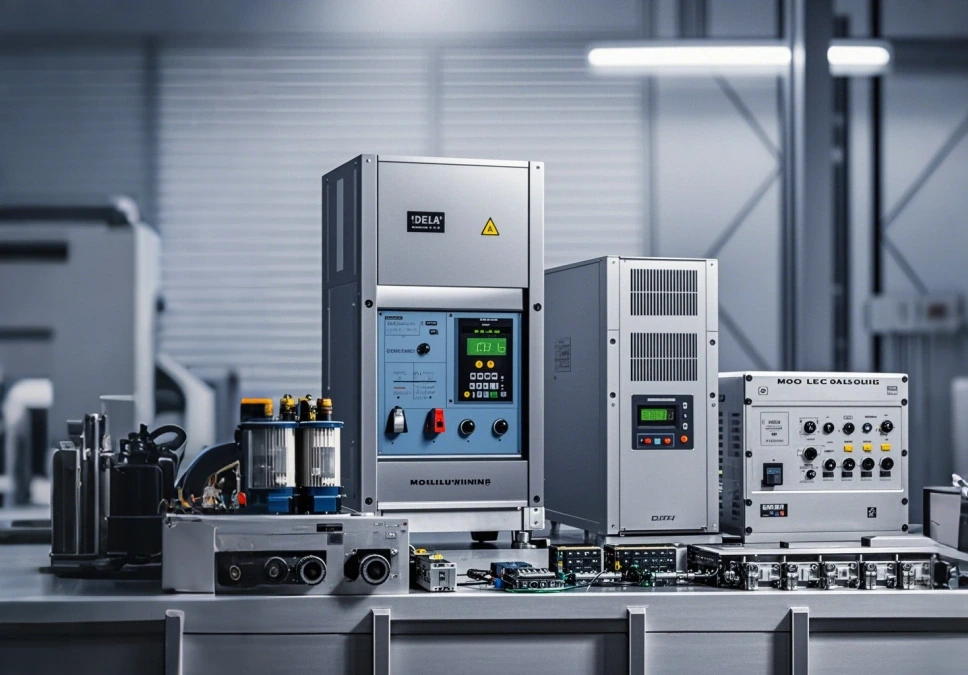
Why Do VPIS Standards Matter For Electrical Equipment Safety?
VPIS standards for electrical safety improve voltage verification, reduce risks, and support reliable industrial equipment operation.
Electrical equipment requires reliable voltage verification to protect operators and maintain stable operations. VPIS standards for electrical safety define important requirements for voltage presence indication systems used in industrial environments. These standards help companies reduce risks during inspection, maintenance, and switching activities. A properly designed VPIS solution allows technicians to confirm electrical conditions before performing work. Modern power systems often contain complex switchgear structures with high voltage components. Clear voltage indication becomes essential for safe decision making. Standard compliance also supports equipment reliability by improving detection accuracy, insulation quality, and operational confidence across different industrial applications.
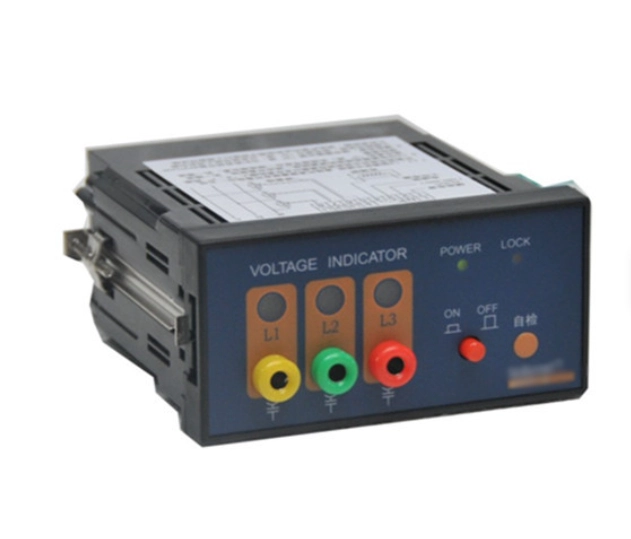
How VPIS standards for electrical safety Improve Voltage Detection Reliability
VPIS technology provides visual confirmation of voltage presence through dedicated indication components. Reliable systems use accurate sensing elements, suitable insulation designs, and stable signal transmission methods. VPIS standards for electrical safety establish performance expectations that manufacturers follow during product development and testing. These requirements help maintain consistent results under demanding conditions. Industrial users rely on voltage indicators inside switchgear cabinets, distribution panels, and electrical protection systems. Properly tested products reduce uncertainty during maintenance procedures. Engineers evaluate voltage ranges, environmental resistance, and installation compatibility before selecting suitable solutions. These factors directly influence operational safety and long term equipment performance.
Key Technical Requirements Behind Reliable VPIS Performance
Voltage presence indicators require several technical features to maintain dependable operation. Manufacturers consider electrical insulation, temperature tolerance, mechanical strength, and signal visibility during design processes. A quality VPIS system must provide clear indications without creating additional risks inside electrical equipment. Insulation materials protect internal components from unwanted electrical stress. Temperature resistant parts support stable performance in areas with heat variation. Mechanical structures must withstand vibration and industrial movement. Electromagnetic compatibility also affects indication accuracy because nearby equipment may create interference. Engineers usually review technical specifications before installation. Careful evaluation helps match the product design with the operating environment and application requirements.
| Technical Factor | Safety Impact | Performance Requirement | Application Value |
|---|---|---|---|
| Voltage Detection Range | Supports accurate status confirmation | Matches system voltage conditions | Improves maintenance decisions |
| Insulation Capability | Reduces electrical hazards | Maintains dielectric protection | Enhances equipment reliability |
| Environmental Resistance | Supports stable operation | Handles temperature and humidity changes | Extends service life |
How Electrical Industries Apply VPIS standards for electrical safety In Safety Management
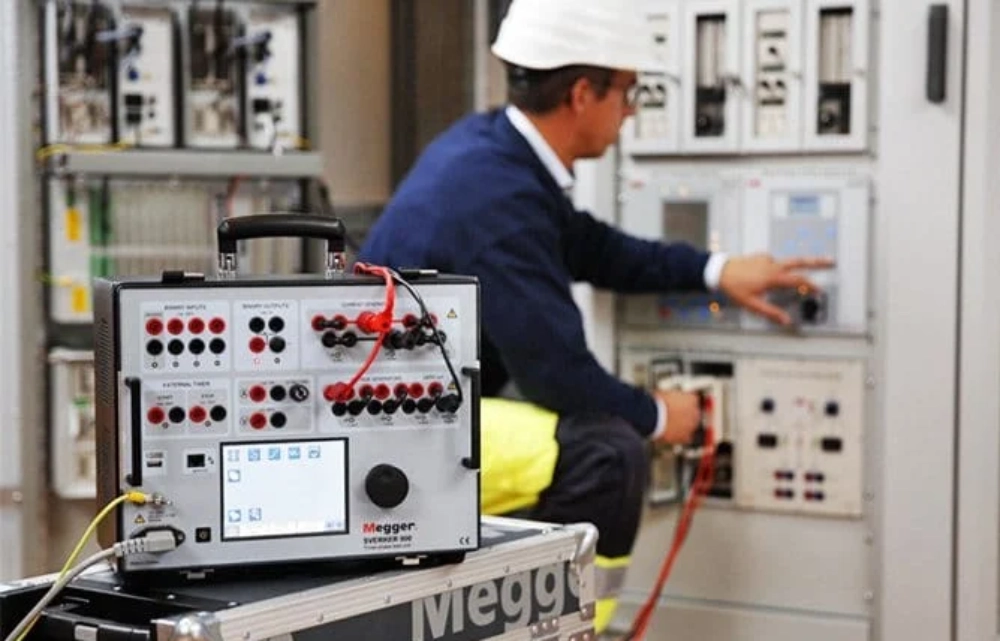
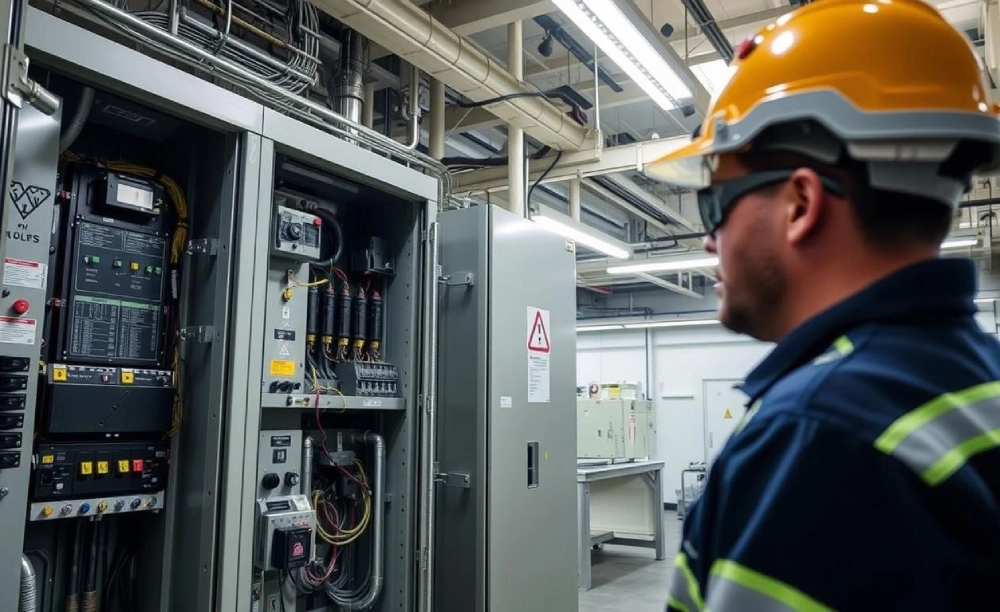
Electrical industries apply voltage indication systems across many power distribution environments. Switchgear manufacturers integrate these devices to provide visible voltage status information for operators. VPIS standards for electrical safety help organizations create consistent inspection procedures and reduce accidental contact risks. Maintenance teams often check indicator conditions before accessing internal electrical sections. Reliable indication supports safer workflows in factories, energy facilities, and infrastructure projects. A professional installation process also improves system performance because incorrect connections may affect measurement accuracy. Companies should combine suitable products with proper training and regular inspection schedules. These practices create stronger safety management systems.
Important factors for selecting suitable VPIS equipment include:
- Voltage compatibility with existing electrical systems
- Clear indicator visibility during operation
- Strong insulation performance
- Resistance against environmental conditions
- Simple maintenance requirements
Why Proper VPIS Selection Supports Long Term Equipment Protection
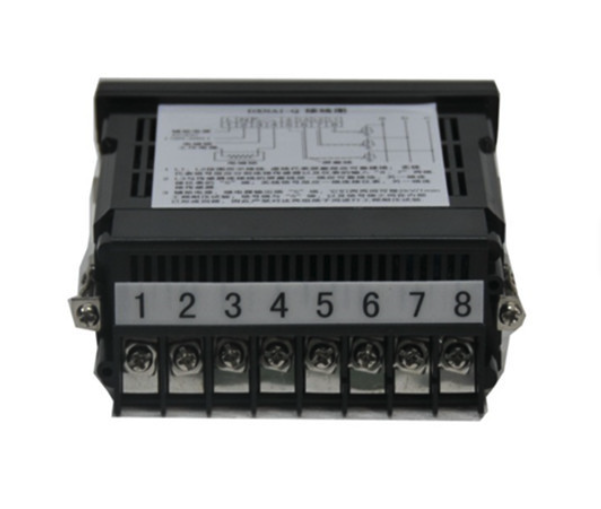
Selecting suitable voltage presence equipment requires careful attention to technical details. Poor selection may create inaccurate indications, installation difficulties, or unnecessary maintenance problems. Engineers should review product documentation, testing information, and application conditions before purchasing. A reliable solution should match voltage levels, cabinet structures, and operational requirements. The 88x28mm Switchgear Voltage Indicator Vpis provides a compact option for applications requiring visible voltage status confirmation. Product dimensions, connection methods, and installation space should receive evaluation during planning. Strong supplier support also improves project success because technical assistance helps prevent compatibility issues. Proper selection protects electrical assets and supports safer operation over extended periods.
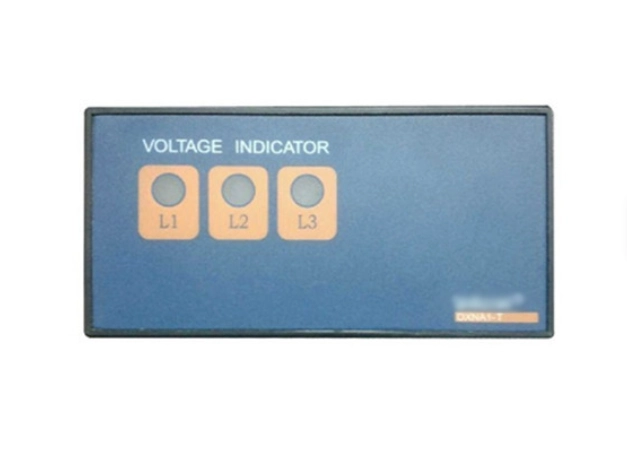
| Selection Area | Evaluation Point | Operational Benefit |
|---|---|---|
| Product Structure | Compact design and installation compatibility | Easier equipment integration |
| Electrical Performance | Stable sensing and indication functions | Reliable voltage confirmation |
| Material Quality | Durable insulation and housing materials | Longer operational durability |
What Factors Influence VPIS Standard Compliance In Industrial Applications
Industrial compliance depends on product design, manufacturing control, and testing procedures. Manufacturers need precise production methods to maintain consistent electrical performance. Material selection affects insulation strength and environmental durability. Testing processes verify whether products can operate under expected conditions. VPIS standards for electrical safety require attention to technical accuracy, because small design differences can influence user protection. Installation environments also affect compliance results. Humidity, temperature changes, and mechanical stress may impact product performance over time. Companies should evaluate supplier quality systems and technical capabilities. Professional manufacturing practices support dependable operation and improve confidence in demanding electrical applications.
How Maintenance Teams Verify VPIS Safety Performance Over Time
Maintenance teams use inspection routines to confirm voltage indication reliability throughout equipment life cycles. Regular checks may include visual examination, connection verification, and functional testing. Operators review indicator conditions before performing electrical tasks. The DXN8D 12 Voltage Presence Indicating System offers a solution designed for voltage presence confirmation in suitable switchgear applications. Maintenance records help identify performance changes and support preventive actions. Teams should follow manufacturer recommendations when checking electrical indicators. Consistent maintenance reduces unexpected failures and supports safer working environments. Proper documentation also provides valuable information for future equipment upgrades and replacement planning.
How Professional Standards Support Reliable Electrical Operations
Professional electrical standards create a foundation for safer equipment management. They encourage manufacturers to improve design accuracy, testing methods, and product consistency. Industrial users benefit from systems that follow recognized requirements because predictable performance reduces operational uncertainty. Engineers often compare technical specifications before choosing voltage indication solutions. They consider electrical ratings, installation methods, and environmental factors. Standard based manufacturing supports better product quality across different applications. Reliable indicators become part of a wider safety strategy that includes training, maintenance, and equipment management. These combined practices help organizations maintain efficient electrical operations while protecting personnel and assets.
How Modern Switchgear Designs Integrate Voltage Indication Technology
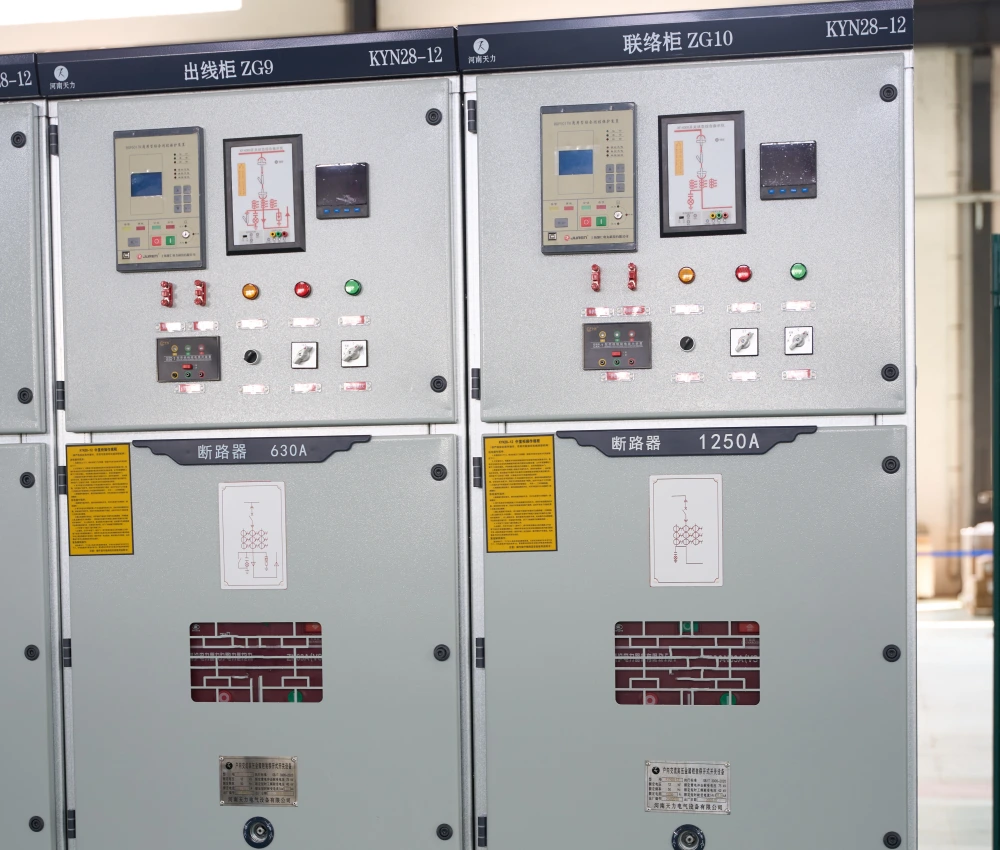
Modern switchgear systems require compact and dependable monitoring components. Voltage indication technology supports safer inspection methods by providing visible information without direct contact. Manufacturers continue improving designs through better materials, clearer displays, and stronger protection features. VPIS standards for electrical safety influence product development by defining expectations for reliable operation. Advanced switchgear solutions combine protection devices, monitoring components, and communication technologies. These systems help industrial facilities manage electrical risks more effectively. Engineers consider space limitations, voltage requirements, and maintenance access when integrating indicators. Effective integration improves system organization and supports efficient maintenance activities.
Future Development Trends For Electrical Voltage Presence Systems
Future voltage indication systems will focus on higher reliability, improved visibility, and stronger environmental adaptation. Industrial facilities increasingly require equipment that supports digital monitoring and efficient maintenance processes. Manufacturers continue developing solutions with enhanced sensing technology and durable materials. Electrical safety requirements will remain important as power systems become more complex. Companies need dependable indicators that support faster inspection and safer operation. Continuous improvement in manufacturing methods will help create more advanced products. These developments will strengthen electrical management practices and provide better support for industrial users handling demanding power environments.