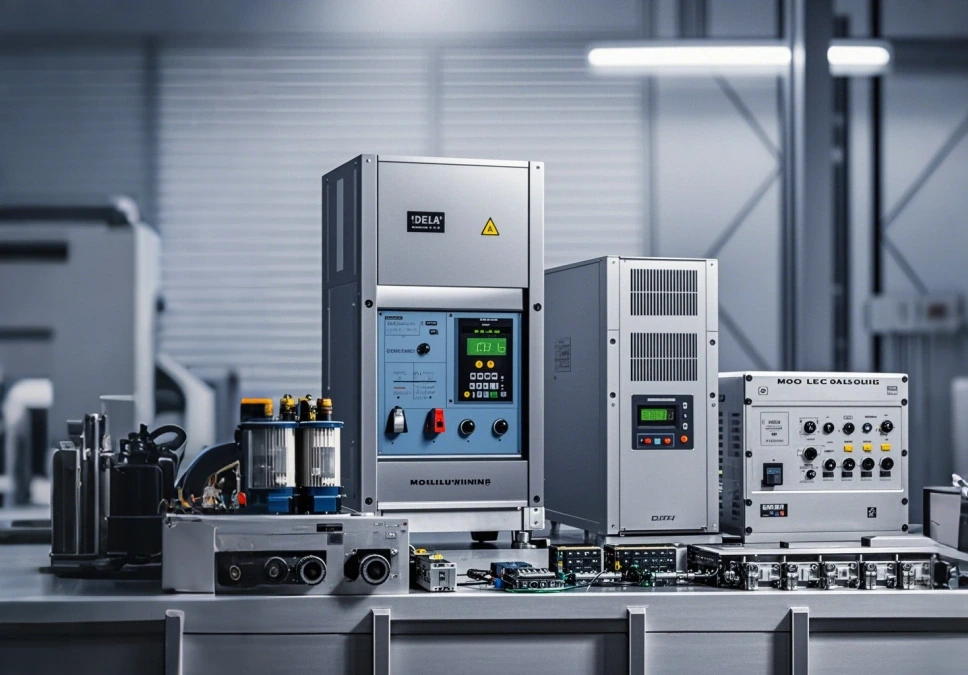
What Factors Show A VPIS Manufacturer Has Strong Experience?
VPIS quality standards reflect manufacturer expertise through precise design, material control, testing, and stable electrical performance.
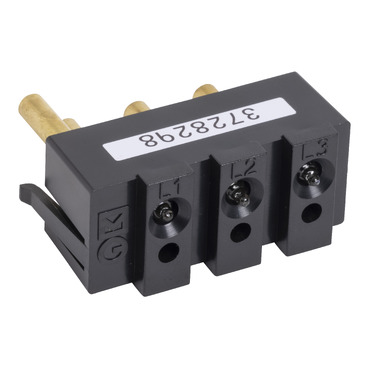
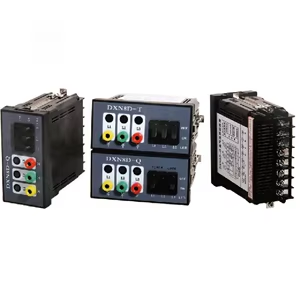
VPIS Quality Standards Reflect Manufacturer Experience And Technical Capability
VPIS quality standards represent the technical foundation that experienced manufacturers build through years of engineering practice. A reliable manufacturer focuses on product accuracy, electrical safety, and consistent performance during every production stage. Strong experience appears through careful design methods, advanced manufacturing systems, and strict inspection procedures. Manufacturers with professional knowledge usually evaluate voltage indication requirements before developing products. They also consider installation environments, operating conditions, and long-term stability. Quality control is not limited to final inspection because experienced teams manage each production step. From component selection to performance verification, every process affects product reliability. A mature manufacturer creates solutions that meet application needs and provide dependable operation for electrical equipment.
Professional Design Processes Behind Reliable VPIS Solutions
Experienced manufacturers create VPIS products through detailed engineering analysis and practical application research. Design teams evaluate electrical parameters, insulation requirements, and mechanical structures before production begins. They consider factors such as voltage range, signal accuracy, environmental resistance, and installation compatibility. A professional design process helps prevent performance problems caused by unsuitable structures or materials. Engineers also review customer requirements and develop products for different switchgear systems. The design stage often includes prototype testing and technical improvements. Manufacturers with strong experience recognize that product reliability depends on multiple connected elements. Their design capability reflects industry knowledge, engineering resources, and commitment to stable electrical solutions.
Material Selection Determines VPIS Performance And Long-Term Stability
Material selection directly influences product durability, safety, and operational reliability. Experienced manufacturers choose insulation materials with suitable dielectric strength and environmental resistance. High-quality insulating components help maintain stable electrical performance under different temperature and humidity conditions. The housing material also requires strong mechanical protection because electrical equipment often operates in demanding environments. Manufacturers evaluate flame resistance, aging characteristics, and impact protection before selecting materials. Conductive parts need excellent electrical performance to maintain accurate voltage indication signals. Advanced material evaluation reduces failure risks and extends service life. Companies with technical experience recognize the relationship between material properties and product performance. Their selection process supports reliable operation and improves overall equipment protection.
Manufacturing Precision Supports Consistent VPIS Quality Standards
Manufacturing accuracy plays an important role in maintaining stable product performance. Experienced factories establish controlled production procedures for assembly, component inspection, and functional testing. Precision manufacturing reduces variation between individual products and improves reliability during large-scale supply. Modern production equipment helps maintain accurate dimensions and consistent electrical connections. Skilled technicians also monitor critical details during assembly processes. VPIS quality standards depend on continuous control rather than a single inspection point. Manufacturers with mature production systems usually record production data and analyze possible improvements. They create clear workflows for incoming material checks, manufacturing operations, and final verification. These practices demonstrate professional capability and support long-term cooperation with customers.
| Evaluation Area | Experienced Manufacturer Practice | Quality Impact |
|---|---|---|
| Product Design | Uses engineering analysis and application testing | Improves compatibility and reliability |
| Material Control | Selects tested insulation and structural materials | Enhances durability and safety |
| Production Process | Maintains controlled manufacturing procedures | Reduces product variation |
| Inspection System | Performs electrical and mechanical verification | Ensures stable performance |
Quality Control Processes Improve Product Reliability
Strict quality control separates professional manufacturers from ordinary suppliers. Production teams inspect raw materials before manufacturing begins. They verify electrical components, housing materials, and insulation parts according to technical specifications. During assembly, workers follow controlled procedures to maintain product consistency. Electrical testing evaluates voltage detection accuracy, insulation performance, and operational stability. Final inspections confirm product appearance, labeling, and functional requirements before shipment. A professional Voltage Detecting Indicating System Factory normally establishes complete quality systems covering production, testing, and delivery stages. These processes reduce potential failures and help customers maintain safer electrical operations. Reliable inspection methods also support long-term cooperation between manufacturers and industrial buyers.
Custom Manufacturing Services Meet Different Application Requirements
Industrial electrical systems often require different voltage detection solutions based on equipment structures. Professional manufacturers provide customization services for various switchgear designs and installation environments. They adjust product dimensions, connection methods, indicator layouts, and technical parameters according to project requirements. Custom solutions help customers integrate voltage indication devices into existing electrical systems without major modifications. Engineering teams review application conditions before recommending suitable configurations. For example, compact switchgear may require smaller indicators, while outdoor equipment may need enhanced protection features. A manufacturer with flexible production ability can support different order volumes and special requirements. This capability creates more efficient solutions for distributors, contractors, and equipment manufacturers.
Testing Procedures Verify VPIS Reliability Under Different Conditions
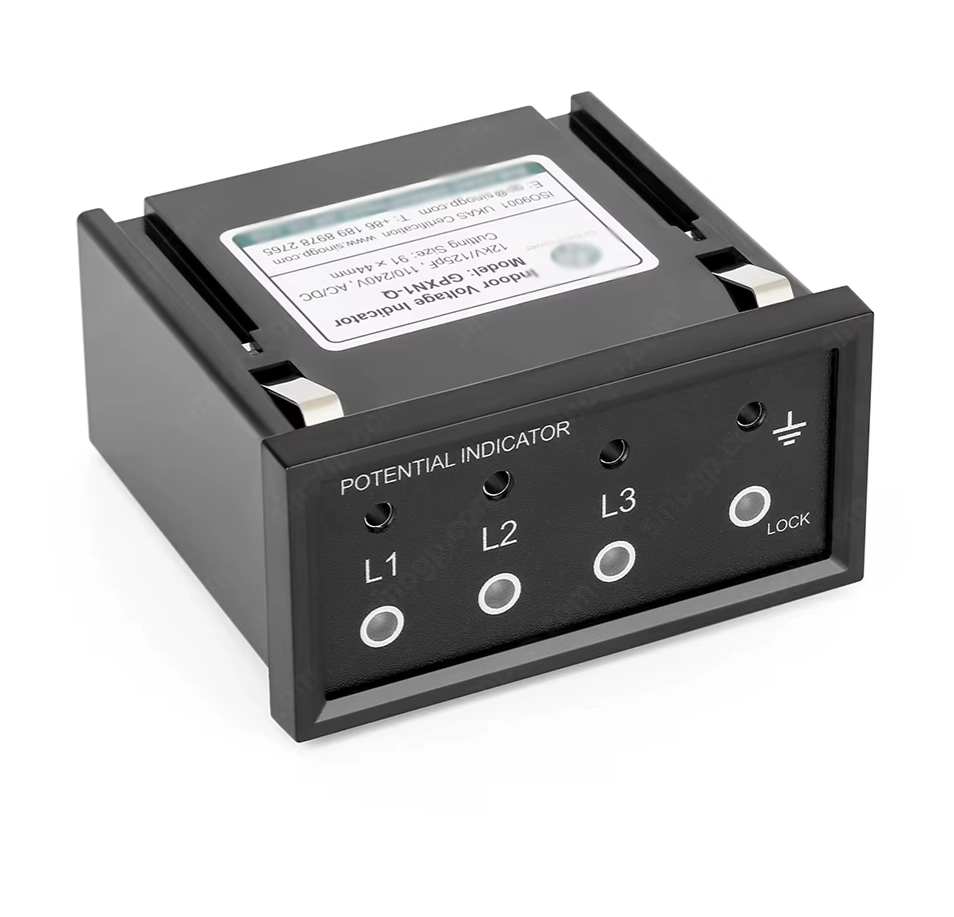
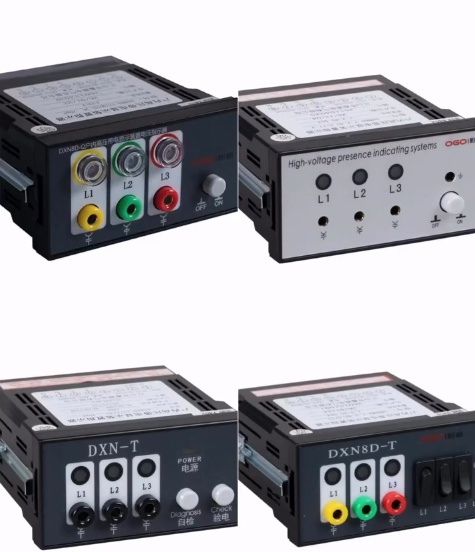
Testing procedures reveal whether a manufacturer can deliver dependable voltage indication products. Professional companies conduct multiple evaluations before products reach customers. Electrical tests verify signal accuracy and insulation performance under rated conditions. Environmental tests examine resistance against temperature changes, humidity exposure, and long-term operation. Mechanical inspections confirm structural strength and installation stability. Experienced manufacturers also review testing results to improve future production processes. A complete testing system helps identify potential weaknesses before field application. For example, the 71x38mm Switchgear Voltage Indicator Vpis demonstrates how compact voltage indication designs require accurate manufacturing and reliable testing methods. Manufacturers with strong technical backgrounds create testing plans based on actual operating conditions. These practices help ensure safe electrical system operation.
Key Factors Buyers Should Check When Selecting A VPIS Manufacturer
Selecting an experienced manufacturer requires evaluation beyond product appearance and pricing. Buyers should examine technical capability, production resources, and quality management methods. A professional supplier usually provides detailed product information, testing records, and application support. These factors help customers identify whether the manufacturer has practical experience with voltage indication systems. Important evaluation points include:
- Manufacturing history and technical expertise in electrical components.
- Internal testing capabilities for electrical and mechanical performance.
- Material control procedures for stable product quality.
- Compliance with international electrical requirements.
- Ability to provide customized solutions for different switchgear applications.
A manufacturer that meets these conditions usually demonstrates stronger production experience. Careful evaluation helps buyers reduce cooperation risks and select reliable partners.
Quality Management Systems Improve Production Reliability
Quality management systems create a structured approach for maintaining consistent product performance. Experienced manufacturers establish procedures for supplier evaluation, incoming material inspection, production monitoring, and final testing. These systems allow teams to identify problems quickly and improve manufacturing efficiency. Reliable companies also maintain traceability records for important components and production batches. Such records support quality analysis and help technicians provide accurate technical assistance. VPIS quality standards become more effective when manufacturers combine technical experience with systematic management. A strong quality system reflects organizational ability rather than simple inspection activities. Manufacturers with mature processes can handle large production requirements while maintaining stable performance. This approach creates confidence for customers requiring long-term electrical solutions.
| Quality Management Element | Manufacturer Action | Customer Benefit |
|---|---|---|
| Incoming Inspection | Checks component specifications and material conditions | Prevents defective materials entering production |
| Process Monitoring | Controls assembly and manufacturing accuracy | Maintains consistent product performance |
| Final Testing | Verifies electrical functions before delivery | Improves product reliability in applications |
| Traceability Control | Records production information and test results | Supports technical analysis and service |
Industry Experience Enhances VPIS Application Knowledge
Long-term industry experience allows manufacturers to recognize different electrical environments and customer requirements. Experienced teams know that switchgear systems may operate under various voltage levels, installation conditions, and maintenance expectations. They can recommend suitable product structures based on practical application factors. A manufacturer with extensive experience usually identifies common challenges, including installation limitations, signal visibility requirements, and environmental influences. Technical knowledge helps companies improve product design and provide more effective solutions. For example, the DXN8D 12 Voltage Presence Indicating System represents a solution where application knowledge supports reliable voltage presence indication. Manufacturers with industry experience can offer better communication, faster problem solving, and more accurate technical recommendations during cooperation.
Compliance With International Requirements Shows Manufacturing Strength
Compliance with recognized electrical requirements demonstrates a manufacturer’s commitment to product safety and reliability. Experienced manufacturers pay attention to international testing methods and industry expectations during product development. They evaluate insulation performance, electrical safety, and operational stability according to applicable standards. Compliance management requires technical knowledge, testing equipment, and continuous improvement practices. Companies with strong manufacturing backgrounds usually maintain documented procedures for quality verification. These practices help ensure products meet customer expectations across different markets. VPIS quality standards are closely connected with compliance awareness because electrical components must perform safely in demanding environments. A manufacturer’s ability to follow recognized requirements reflects professional capability and long-term responsibility.
Customer Support Capability Represents Supplier Professionalism
Customer support quality often reveals a manufacturer’s real industry experience. Professional suppliers provide technical communication before purchasing decisions and offer assistance during product installation. They recognize that customers may need detailed specifications, compatibility confirmation, and application suggestions. Experienced teams can respond efficiently because they have accumulated practical knowledge from previous projects. Strong support also includes customized production options, documentation services, and after-sales communication. Manufacturers that value customer relationships usually invest in technical teams rather than only sales resources. Reliable support improves cooperation efficiency and reduces possible misunderstandings. A supplier’s service capability shows whether the company can provide complete solutions instead of only individual products.
How To Evaluate A VPIS Manufacturer Before Cooperation
Evaluating a manufacturer before cooperation helps buyers select reliable electrical component suppliers. A detailed assessment should include production capability, testing methods, technical knowledge, and communication efficiency. Buyers can review factory information, product samples, and quality documentation before making decisions. Experienced manufacturers usually provide transparent information about manufacturing processes and inspection systems. They also demonstrate flexibility when handling different project requirements. A professional evaluation process should focus on long-term product reliability rather than short-term cost advantages. Companies with strong engineering resources and quality management systems are more likely to provide stable solutions. Reviewing these factors helps buyers identify manufacturers that can support consistent supply and dependable electrical performance.