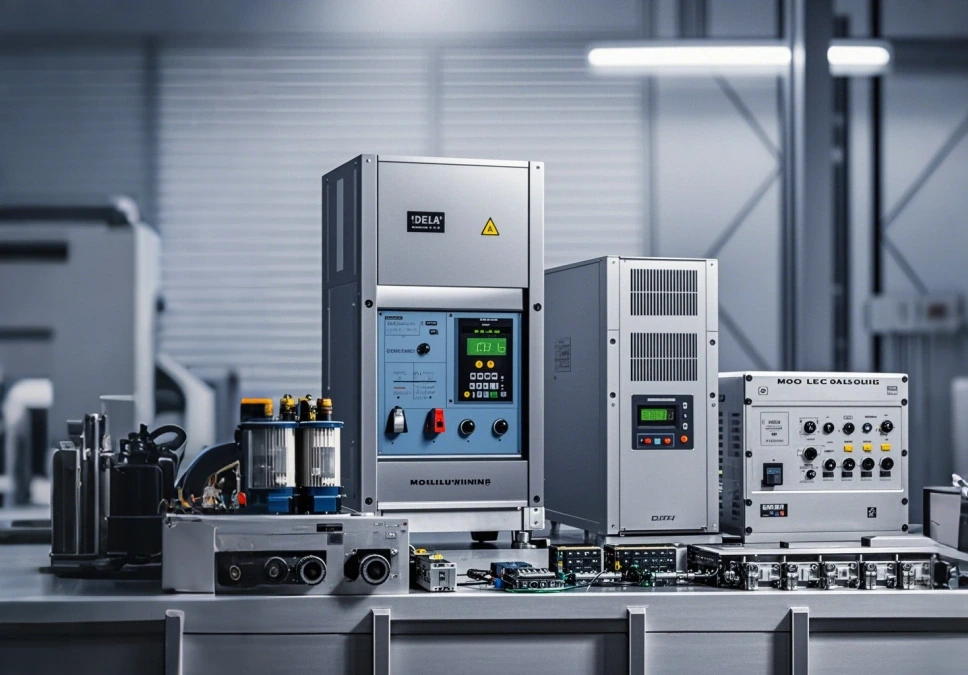
Why Does Manufacturing Experience Matter For VPIS Production?
VPIS Manufacturer provides reliable voltage detection solutions with advanced testing, customization support, and quality assurance.
The Importance Of Manufacturing Experience In VPIS Production
A reliable VPIS Manufacturer plays an essential role in modern electrical safety applications. Voltage Presence Indicating Systems help operators verify voltage conditions before maintenance work. These products require accurate detection, stable signal transmission, and strong insulation performance. Experienced production teams create reliable solutions through controlled engineering processes and strict verification methods. They evaluate electrical requirements, environmental conditions, and installation structures before manufacturing begins. Manufacturing knowledge also helps suppliers avoid common issues, including unstable indicators, inaccurate readings, and inconsistent quality. Professional teams combine technical expertise with advanced testing equipment. They focus on every production stage, from component selection to final inspection. This approach supports safer electrical operations and improves long-term product reliability.
How A VPIS Manufacturer Improves Product Reliability Through Experience
A VPIS Manufacturer with extensive experience develops stronger production systems for different electrical applications. Experienced teams recognize the connection between circuit design, insulation materials, and signal accuracy. They optimize internal structures to reduce interference and improve detection stability. Production specialists review assembly processes carefully because small manufacturing errors may affect product performance. Reliable factories establish clear procedures for component inspection, production control, and functional testing. These methods maintain consistent quality across large orders. Experienced suppliers also provide technical suggestions during customization because they have practical knowledge of installation requirements. Their expertise reduces production risks and supports better cooperation between suppliers and customers. Strong manufacturing experience creates reliable products for demanding electrical environments.
Engineering Expertise Creates Better VPIS Design Solutions
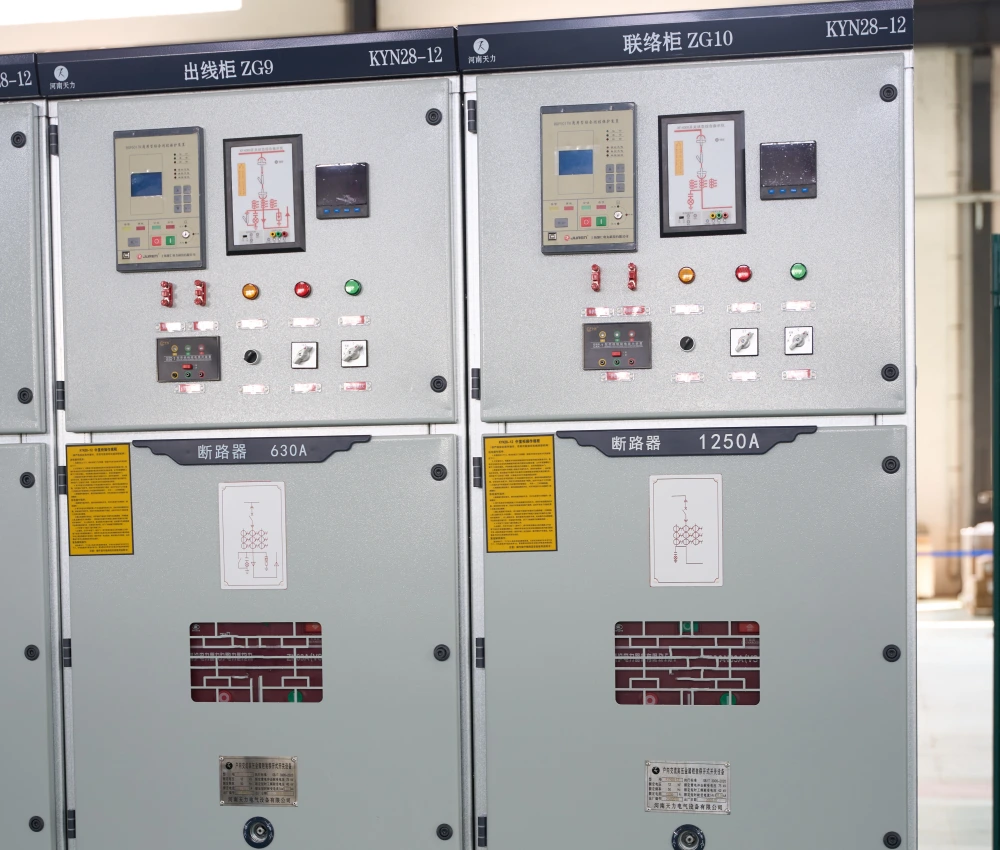
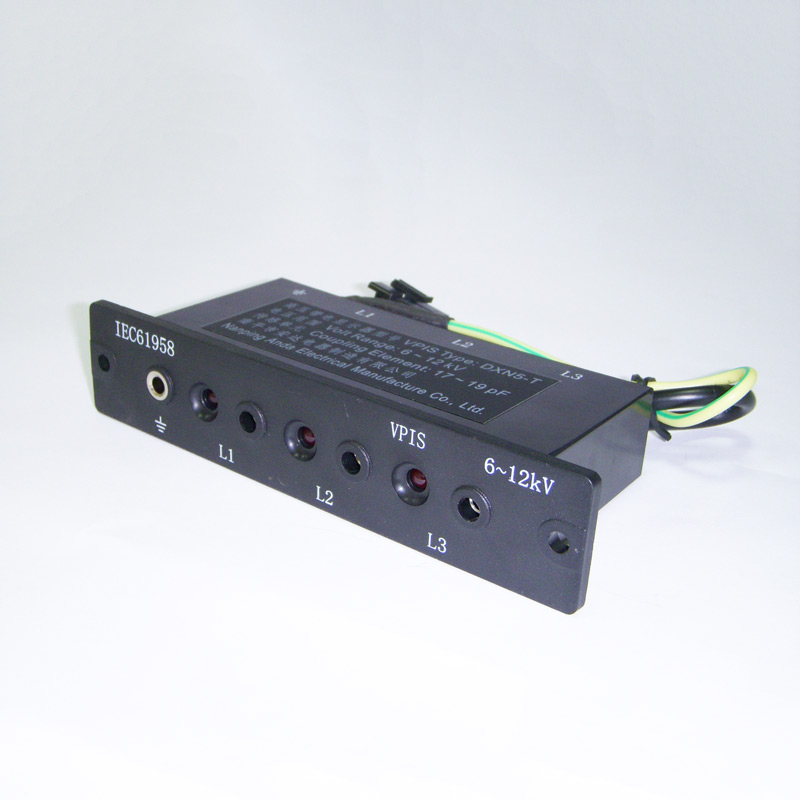
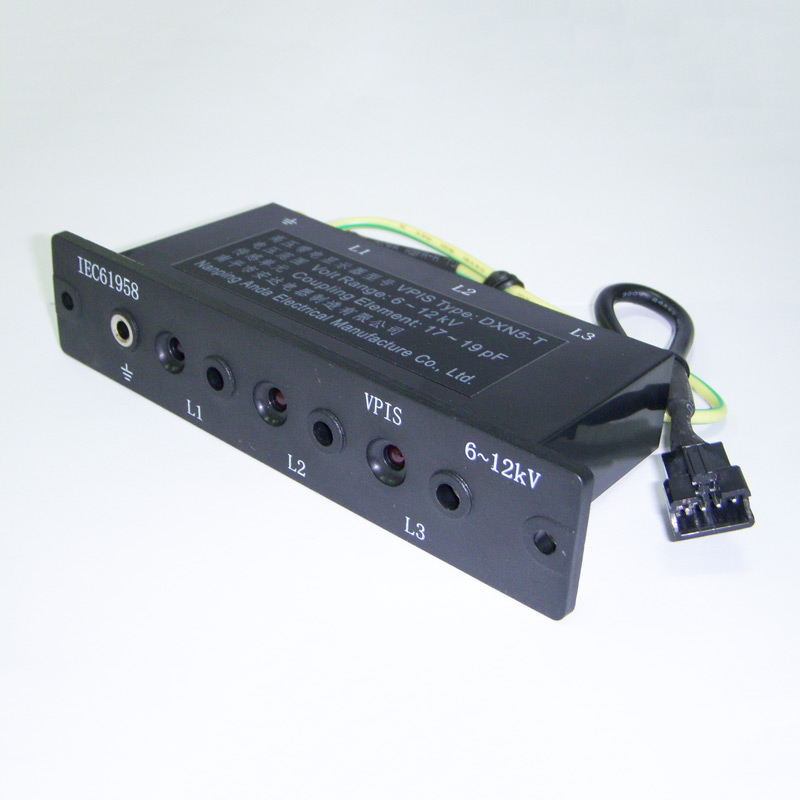
Engineering capability directly affects the performance of voltage indication products. Professional manufacturers analyze electrical parameters before creating suitable designs. They consider rated voltage levels, insulation distance, temperature resistance, and mechanical strength. Circuit boards, sensors, and indicator components require precise coordination during development. Engineers also test product structures under different operating conditions. Environmental factors such as humidity, vibration, and temperature changes can influence long-term reliability. A mature production team applies technical experience to improve product durability. They maintain detailed design records for future optimization. These practices allow manufacturers to create stable solutions for switchgear systems and other high-voltage equipment. Strong engineering processes support safer operation and better product consistency.
Material Selection Determines VPIS Performance And Service Life
Material quality directly influences voltage detection product performance. Professional suppliers select insulation materials with suitable dielectric strength and thermal stability. High-quality housing materials protect internal components from dust, moisture, and mechanical impact. Electronic components require reliable performance because signal accuracy depends on stable electrical characteristics. Manufacturing teams evaluate supplier documents, material specifications, and testing reports before production. For customized solutions, material selection becomes more important because different environments require different protection levels. Experienced producers know how materials behave during long-term operation. They choose suitable combinations to improve safety, durability, and product consistency. Proper material management also reduces maintenance problems and supports stable performance throughout the product lifecycle.
Quality Control Systems Support Consistent VPIS Production
Strong quality systems separate experienced suppliers from basic producers. Production teams create inspection plans that cover every important manufacturing stage. Incoming materials receive verification before entering production lines. Assembly workers follow standardized procedures to maintain accuracy. Final testing checks electrical performance, indicator response, and safety functions. A professional VPIS Manufacturer uses quality records to monitor production conditions and improve future batches. These records provide valuable information for troubleshooting and process optimization. Quality management also supports international customers who require stable supply and consistent specifications. Through systematic control, manufacturers reduce unexpected failures and increase customer confidence. Reliable inspection procedures create stronger product performance and better cooperation results.
| Quality Control Stage | Main Inspection Focus | Production Benefit |
|---|---|---|
| Incoming Material Inspection | Material specifications, electrical parts, supplier documents | Improves component reliability |
| Assembly Process Control | Connection accuracy, structure matching, installation quality | Reduces production errors |
| Final Performance Testing | Voltage detection, signal response, safety functions | Ensures stable operation |
Production Experience Reduces Technical Risks During Manufacturing
Manufacturing risks often appear when suppliers lack practical production knowledge. Incorrect component selection may affect voltage detection accuracy. Poor assembly methods may create unstable electrical connections. Insufficient testing can allow hidden defects to reach customers. Experienced factories prevent these problems through established workflows and technical evaluation. Their teams review product drawings, production samples, and testing results carefully. They identify possible issues before mass production starts. This proactive approach reduces delays and improves manufacturing efficiency. Experienced suppliers also communicate technical details clearly during cooperation. They help customers select suitable solutions based on application conditions, equipment requirements, and expected service environments. This production discipline creates stronger reliability for electrical applications.
Key Capabilities To Evaluate Before Selecting A VPIS Supplier
Selecting the right supplier requires attention to several manufacturing capabilities. Buyers can evaluate the following factors:
- Engineering experience with voltage indication systems
- Production capacity and process management ability
- Testing equipment and quality verification methods
- Customization support for different applications
- Technical communication and after-sales service
These capabilities show whether a supplier can provide stable products over time. Experienced manufacturers usually maintain complete production procedures and professional technical teams. They focus on both product quality and customer requirements. Reliable cooperation depends on transparent communication, accurate documentation, and continuous improvement. Evaluating these factors helps buyers reduce supply risks and select suitable partners. A capable supplier can provide consistent performance while supporting different project requirements.
Customization Ability Enhances VPIS Application Flexibility
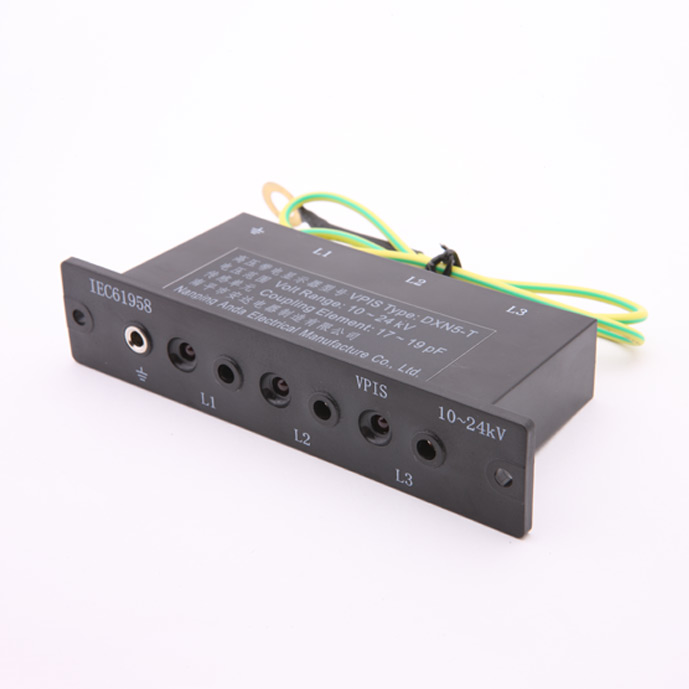
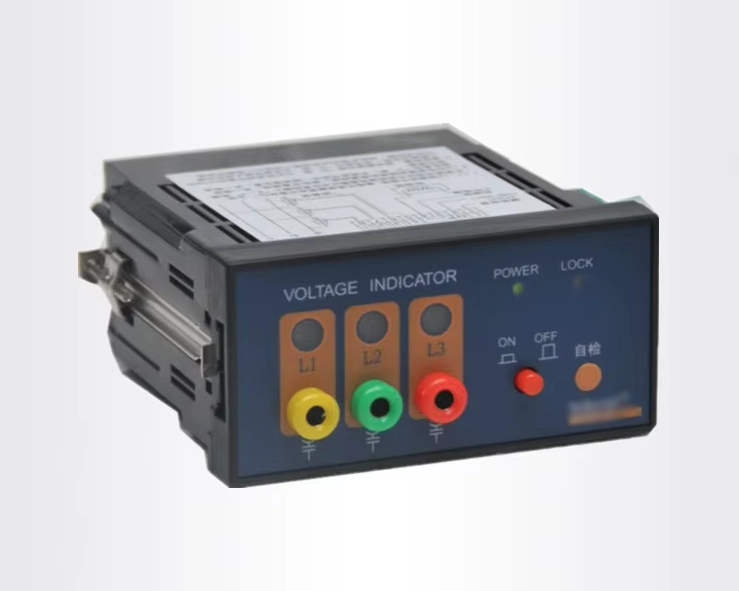
Customization requires strong engineering support and production experience. Different switchgear systems may require specific dimensions, interfaces, or installation methods. Manufacturers need to adjust designs without affecting electrical safety. For example, solutions such as 106x26mm Voltage Detecting Indicating System OEM/ODM require accurate coordination between design teams and production departments. Engineers review structural requirements and testing conditions before manufacturing customized products. Experienced suppliers can manage sample development, technical confirmation, and mass production smoothly. They also maintain quality consistency during customized orders. This capability allows customers to receive products that match their equipment requirements while maintaining reliable performance standards. Flexible customization improves application compatibility and creates better solutions for various electrical environments.
Testing Standards Improve Electrical Safety And Product Reliability
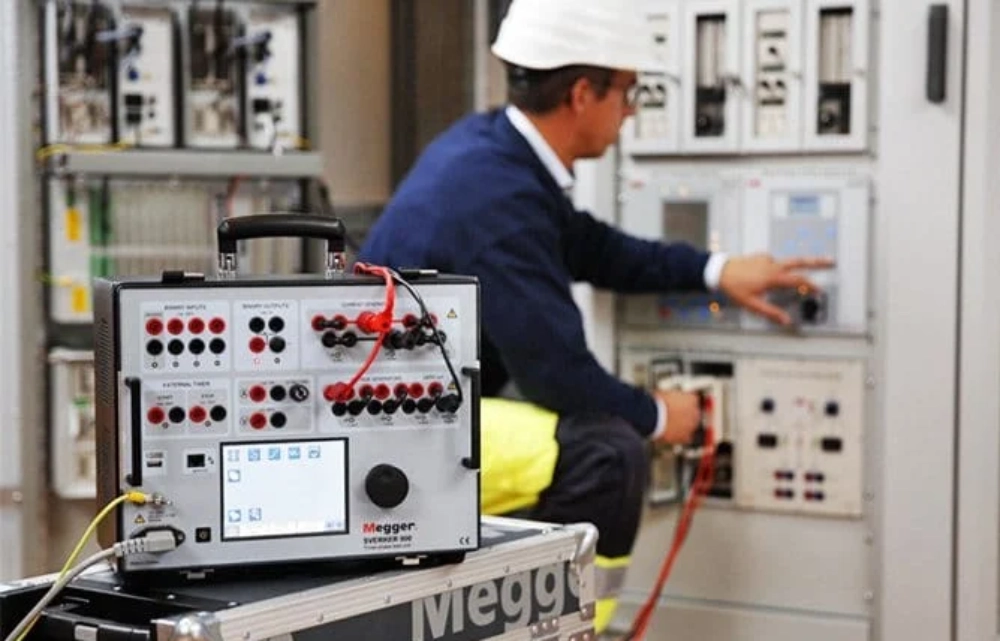
Professional testing systems help confirm product performance before shipment. Manufacturers perform electrical tests to verify detection accuracy and signal stability. Insulation testing checks whether products can operate safely under designed conditions. Functional verification confirms that indicators respond correctly during voltage changes. A mature production process combines testing equipment with skilled technicians. These teams analyze testing results and identify possible improvements. Products such as Inductive High Voltage Indicator Display require careful evaluation because accurate indication supports safe maintenance procedures. Standardized testing reduces uncertainty and strengthens customer trust. Reliable testing practices also support compliance requirements in different markets. Comprehensive verification creates confidence in product quality and operational safety.
| Testing Category | Testing Purpose | Performance Impact |
|---|---|---|
| Electrical Testing | Checks voltage detection accuracy and signal response | Improves operational safety |
| Insulation Testing | Evaluates dielectric strength and protection level | Supports stable operation |
| Functional Verification | Confirms indicator performance during operation | Reduces field failures |
Long-Term Cooperation Depends On Manufacturing Expertise
Long-term partnerships require stable quality and professional technical support. Buyers need suppliers who can maintain consistent production standards across multiple orders. Experienced manufacturers provide better communication during design confirmation, sampling, and delivery preparation. They recognize market requirements and respond quickly to technical questions. Continuous cooperation also allows suppliers to improve production efficiency through accumulated experience. Reliable manufacturers maintain detailed records and monitor quality trends. These practices create stronger relationships between suppliers and customers. Choosing a professional production partner helps businesses achieve dependable supply, reduced risks, and improved product value. Strong cooperation depends on trust, communication, and reliable manufacturing capability.
Choosing The Right Partner For Reliable VPIS Solutions
Manufacturing experience remains a key factor when selecting a professional supplier. A trusted VPIS Manufacturer combines engineering knowledge, quality management, and production capability. These advantages create safer and more reliable voltage indication products. Experienced teams handle materials, testing, customization, and production processes with greater accuracy. They also provide practical solutions for different electrical environments. Buyers should evaluate supplier capabilities carefully before cooperation. A strong manufacturing partner can support product development and long-term business growth. Reliable production experience creates confidence and helps electrical equipment achieve safer operation. Selecting the right supplier improves project stability and supports future cooperation opportunities.
FAQ
What Factors Show A VPIS Manufacturer Has Strong Experience?
A manufacturer with strong experience usually demonstrates technical capability, stable production systems, and reliable quality records. Buyers can review factory history, engineering resources, testing methods, and customization experience. Professional suppliers maintain clear manufacturing procedures and use inspection systems throughout production. They also provide technical communication during product development and order processing. Experienced teams can identify production challenges earlier because they have practical knowledge of electrical applications and manufacturing processes. These factors help customers select suppliers with stronger reliability and better long-term cooperation potential.
How Does Manufacturing Experience Affect VPIS Product Quality?
Manufacturing experience affects product quality through better design control, material selection, and testing management. Experienced production teams know how small details influence electrical safety and product durability. They create standardized processes for assembly, inspection, and performance verification. These methods reduce production errors and improve consistency between different batches. Skilled engineers also optimize designs according to customer requirements and operating environments. Strong manufacturing knowledge allows suppliers to provide stable products with reliable performance. This advantage becomes especially important for electrical systems that require accurate voltage indication and dependable operation.
Why Should Buyers Work With An Experienced VPIS Manufacturer?
Working with an experienced supplier helps buyers reduce risks and improve product reliability. Professional manufacturers provide stronger technical support, better quality control, and efficient customization services. They know industry requirements and can recommend suitable solutions based on application conditions. Experienced teams also manage production schedules more effectively because they have established workflows. Reliable communication and consistent quality create better cooperation experiences. For electrical equipment projects, choosing a capable manufacturing partner supports safer operation and long-term supply stability. A dependable supplier relationship helps customers achieve better product performance and stronger market competitiveness.