How Does Manufacturing Experience Affect VPIS Product Quality?
Switchgear VPIS Manufacturer delivering reliable voltage presence solutions with expert production, quality control, and stable performance.

Manufacturing experience directly affects product consistency, safety, and operational stability in electrical applications. An experienced Switchgear VPIS Manufacturer applies proven production methods to create reliable voltage indication equipment. Skilled teams understand electrical requirements, customer applications, and industry expectations. They improve designs through repeated testing and practical feedback. Experienced engineers also reduce production risks through careful planning. Their knowledge supports better component choices and stronger product performance. Reliable manufacturing requires more than equipment operation. It requires technical judgment, process control, and continuous improvement. These factors help voltage presence systems perform accurately in demanding switchgear environments. Strong experience creates a foundation for dependable electrical solutions.
Engineering Expertise Defines Switchgear VPIS Manufacturer Quality Standards
Engineering expertise influences every stage of VPIS development, from initial design to final inspection. Technical teams analyze voltage detection principles and application conditions before creating solutions. They consider insulation distance, signal stability, mechanical strength, and environmental protection. A professional manufacturer uses engineering data to improve product durability. Engineers also evaluate installation methods and maintenance requirements. These steps help prevent common operational issues. Detailed design practices support accurate voltage indication and safer electrical work. Experienced teams combine electrical knowledge with manufacturing skills. Their approach creates products that meet practical requirements across different switchgear systems.
Production Knowledge Improves Component Selection and Material Performance
Material selection plays an important role in VPIS quality because every component affects long-term operation. Manufacturers choose materials based on electrical resistance, thermal stability, and mechanical durability. High-quality insulating materials protect internal structures from electrical stress. Protective housings require suitable strength against dust, moisture, and impact. Connection parts must maintain stable performance during repeated operations. Production experience helps teams identify suitable suppliers and evaluate material reliability. Experienced production workers also recognize possible defects during assembly. This knowledge improves efficiency and reduces unexpected failures. Careful component selection creates a stronger foundation for stable voltage indication performance.
| Production Factor | Experienced Manufacturing Approach | Quality Impact |
|---|---|---|
| Material Selection | Professional evaluation of insulation and structural materials | Improved durability and safety |
| Assembly Process | Standardized procedures with skilled operators | Higher product consistency |
| Testing Process | Multiple inspection stages | Reduced performance risks |
Manufacturing Processes Determine VPIS Accuracy and Operational Safety
Production processes directly influence accuracy because small errors can affect electrical indication performance. Experienced factories establish clear assembly procedures and inspection checkpoints. Workers follow controlled methods when installing sensitive components. Automated equipment can improve precision during repetitive operations. Manual inspections add additional verification for critical areas. A professional Switchgear VPIS Manufacturer combines technology with skilled supervision. This approach helps maintain stable production standards. The manufacturing environment also affects product reliability. Clean facilities, organized workflows, and trained employees reduce contamination and assembly mistakes. Effective processes support safer operation and consistent performance across large production volumes.
Quality Control Systems Support Consistent VPIS Performance
Quality control creates a connection between manufacturing capability and final product reliability. Professional teams inspect incoming materials before production begins. They monitor assembly conditions during manufacturing stages. Final products receive electrical and mechanical evaluations before shipment. Common inspections include insulation checks, signal verification, and appearance reviews. These procedures identify possible issues before products reach customers. Strong quality systems also create production records for future improvement. Manufacturers can analyze problems and optimize workflows through collected data. Consistent inspections help maintain stable performance. Reliable quality management demonstrates technical responsibility and supports long-term customer confidence.
| Inspection Stage | Testing Focus | Purpose |
|---|---|---|
| Incoming Material Check | Material condition and specifications | Prevent unsuitable components |
| Production Inspection | Assembly accuracy and process control | Maintain manufacturing consistency |
| Final Product Test | Electrical function and safety performance | Confirm operational reliability |
Advanced Testing Methods Strengthen Product Reliability
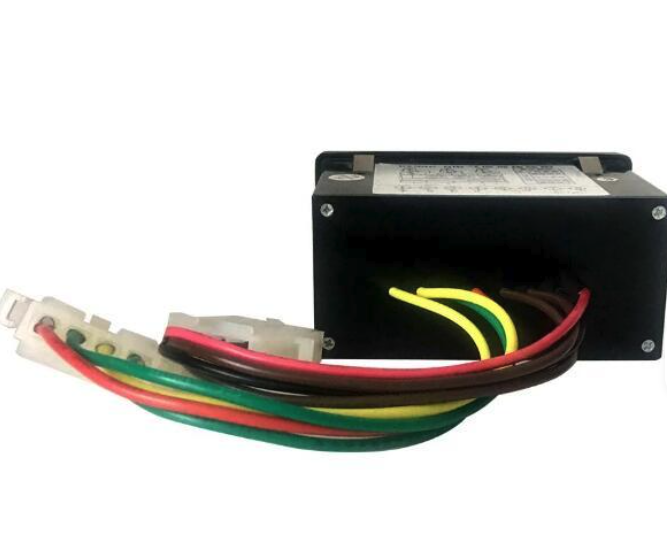
Testing technology provides important evidence about product performance under different conditions. Professional manufacturers use electrical tests to verify voltage indication accuracy. They check insulation capability to confirm safe operation. Environmental evaluations examine resistance against temperature changes and humidity. Mechanical assessments verify structural stability during transportation and installation. The 88x28mm Switchgear Voltage Indicator Vpis represents a compact solution that requires precise manufacturing control. Proper testing ensures compact designs maintain dependable electrical functions. Detailed testing procedures help identify weaknesses before market delivery. These methods improve confidence in product quality and support safer electrical maintenance practices.

Manufacturing Experience Helps Customize VPIS Solutions for Different Applications
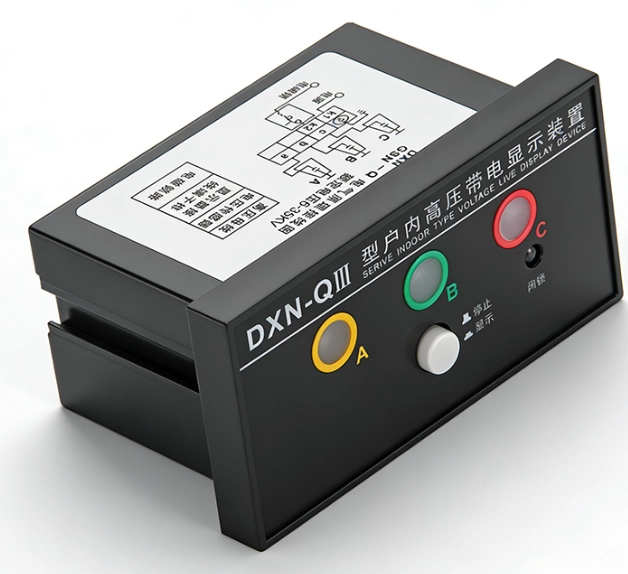
Different switchgear systems require specific voltage indication solutions. Experienced teams analyze voltage levels, installation spaces, and customer requirements before production. They adjust designs according to technical conditions and application environments. Customization may involve dimensions, connection methods, display structures, and protection levels. A skilled production team can manage these adjustments without reducing reliability. The 106x26mm Voltage Presence Indicating System demonstrates how specialized dimensions can support different equipment layouts. Flexible manufacturing helps customers select suitable solutions for various electrical cabinets. Technical communication also improves project efficiency. Experience allows manufacturers to provide practical recommendations during product development.
Why Brands Prefer Reliable VPIS Production Partners
Long-term cooperation depends on stable quality, communication efficiency, and supply capability. A trusted Switchgear VPIS Manufacturer provides consistent products through mature production systems. Reliable partners maintain clear quality standards and respond quickly to technical requirements. They also support product improvements through continuous research. Manufacturing experience helps suppliers manage changing market demands. Strong production capability reduces delays and improves delivery confidence. Professional teams recognize the importance of electrical safety. They focus on creating solutions that support customer operations. Stable partnerships develop when manufacturers combine technical expertise with dependable service.
Future Manufacturing Innovation Enhances VPIS Product Quality Standards
Modern manufacturing continues to improve VPIS performance through digital technologies and advanced inspection systems. Smart production equipment helps monitor manufacturing conditions in real time. Data analysis supports faster problem identification and process optimization. Automated testing systems improve inspection efficiency and accuracy. Research teams continue developing better materials and stronger structures. These improvements create more reliable voltage indication products. Innovation also helps manufacturers respond to evolving electrical requirements. Companies with strong technical foundations can adapt faster. Continuous improvement remains essential for maintaining competitive product quality in global electrical markets.
Key Factors Buyers Should Evaluate Before Choosing a VPIS Supplier
Selecting a suitable supplier requires careful evaluation of technical capability and manufacturing strength. Buyers should review several important factors before making decisions:
- Production experience with electrical indication products.
- Quality inspection methods and testing procedures.
- Material selection standards and component reliability.
- Customization capability for different switchgear applications.
- Technical support and communication efficiency.
These factors help buyers identify reliable partners with professional manufacturing capabilities. Careful evaluation reduces purchasing risks and supports stable product performance. A supplier with strong technical knowledge can provide better solutions for complex electrical environments.