How Do You Choose The Right Switchgear Light?
Choose the right Switchgear Light by evaluating brightness, voltage compatibility, IP ratings, installation needs, and service life.
Introduction to Cabinet Illumination Requirements
A Switchgear Light plays a critical role in electrical cabinets, distribution systems, and industrial control equipment. Proper illumination improves visibility during inspection, maintenance, and troubleshooting tasks. Technicians often work in confined spaces where inadequate lighting increases operational risks and reduces efficiency. A reliable lighting solution supports safer maintenance procedures and helps identify wiring, terminals, and components accurately. Modern industrial facilities also focus on energy efficiency and service life when selecting cabinet lighting. As equipment becomes more compact and complex, lighting quality becomes an important factor in ensuring dependable daily operation and long-term system reliability.
Key Factors in Selecting Switchgear Light
Several technical factors influence lighting performance inside electrical enclosures. Brightness should match the cabinet size and component density. Excessive brightness may create glare, while insufficient output can reduce visibility. Energy consumption is another important consideration because lighting often operates for extended periods. Durability matters in environments exposed to vibration, dust, and temperature fluctuations. Voltage compatibility must also align with the cabinet power supply. Installation flexibility, maintenance requirements, and expected service life should receive equal attention during procurement. Evaluating these characteristics together helps organizations select a solution that supports both operational efficiency and workplace safety.
Understanding Lighting Technologies
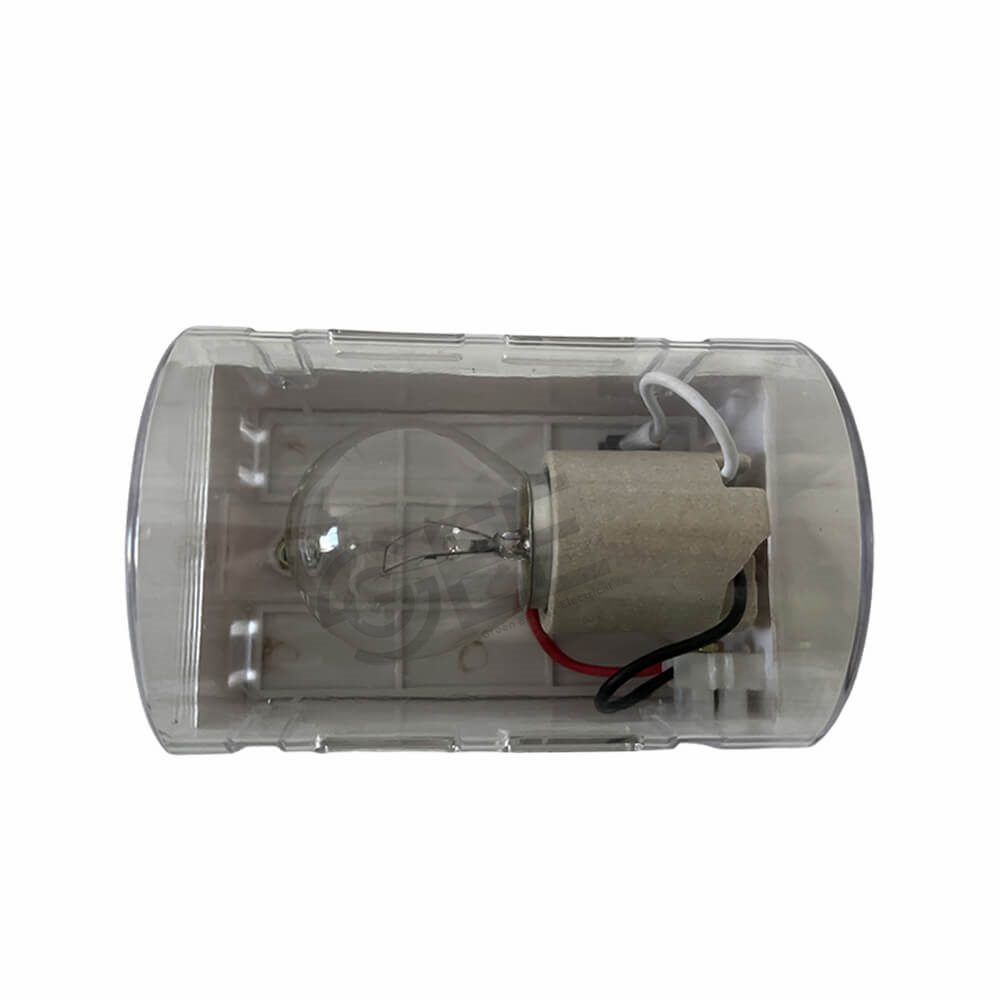
Industrial cabinet lighting commonly uses LED, fluorescent, or incandescent technology. LED products dominate modern installations due to superior efficiency and long operating life. Fluorescent options provide broad illumination but generally require more maintenance over time. Incandescent lamps produce higher heat levels and consume more energy. LEDs deliver consistent brightness while reducing electricity costs and replacement frequency. Their compact structure also suits modern electrical cabinets with limited installation space. Selecting the appropriate technology depends on operating conditions, maintenance strategy, and performance expectations. Most industrial facilities now prioritize LED solutions because they offer a strong balance between reliability and operating economy.
Voltage Compatibility and Electrical Safety
Voltage matching remains essential for dependable lighting operation. Industrial cabinets may use AC or DC power supplies with different voltage ratings. Installing incompatible products can lead to premature failure, unstable performance, or safety concerns. Buyers should verify operating voltage, insulation quality, and electrical protection features before installation. Quality products often include safeguards against voltage fluctuations and transient surges. Compliance with recognized electrical standards further improves operational reliability. Reviewing technical specifications carefully helps prevent installation errors and ensures that the lighting system integrates smoothly with existing electrical infrastructure without introducing unnecessary maintenance challenges.
Installation Practices That Improve Performance
Correct installation significantly affects service life and lighting quality. Mounting locations should provide uniform illumination across critical components and wiring areas. Secure positioning prevents vibration-related damage and maintains consistent performance over time. Cable routing requires careful planning to avoid interference with moving parts or high-temperature components. Maintenance accessibility should also influence placement decisions.
Technicians benefit from lighting systems that allow quick inspection and replacement when necessary.Good installation practices reduce downtime, support efficient maintenance procedures, and help organizations achieve maximum value from their lighting investment throughout the equipment lifecycle.
Environmental Protection and Industry Standards
Industrial environments often expose lighting equipment to dust, moisture, vibration, and temperature variations. Protection ratings help determine whether a product can withstand these conditions. Higher IP ratings generally provide stronger resistance against environmental contaminants. Material quality also contributes to long-term durability. Corrosion-resistant housings perform better in demanding industrial locations. Compliance with recognized industry standards demonstrates product reliability and safety. Organizations should evaluate operating conditions carefully before selecting a lighting solution. Matching environmental protection levels to actual site requirements helps reduce failures, extend service life, and maintain stable performance under challenging operating conditions.
Cost Considerations and Long-Term Value
Purchase price represents only one part of the total ownership cost. Energy consumption, maintenance frequency, and replacement intervals often have a greater financial impact over time. Premium lighting products may require a larger initial investment, yet they frequently reduce operating expenses during their service life. Decision-makers should compare lifecycle costs rather than focusing solely on purchase price. The following factors often influence overall value:
- Energy efficiency
- Expected operating lifespan
- Maintenance requirements
- Installation flexibility
- Environmental protection rating
- Electrical safety features
Evaluating these elements provides a more accurate picture of long-term return on investment.
Switchgear Light Specification Comparison
The following table compares common specification categories used during product evaluation.
| Specification | Basic Model | Industrial LED Model | Premium LED Model |
|---|---|---|---|
| Operating Voltage | 24V | 24V-48V | 24V-230V |
| Power Consumption | 8W | 5W | 4W |
| Typical Lifespan | 15,000 Hours | 50,000 Hours | 60,000 Hours |
| IP Rating | IP20 | IP54 | IP65 |
Specification comparisons help buyers identify products that align with operational requirements. Lifespan, voltage range, and environmental protection often influence purchasing decisions more than wattage alone. Organizations should compare technical data alongside maintenance expectations and installation requirements. A comprehensive evaluation process reduces procurement risks and improves long-term operational performance.
Product Options for Modern Cabinets
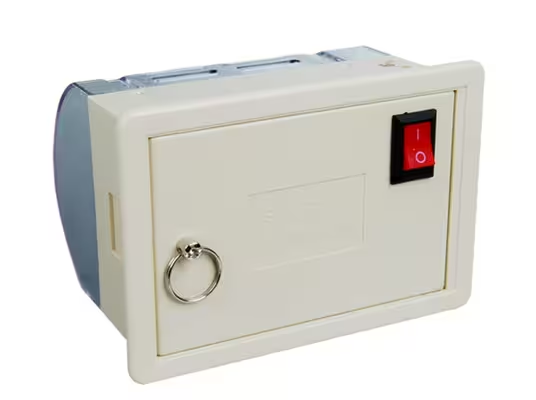
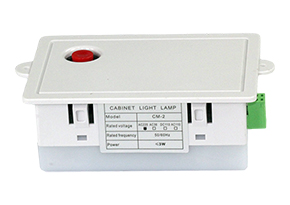
Different cabinet designs require different lighting solutions. The CM-1 Cabinet Light for Switchgear is often selected for compact enclosures where installation space is limited. Its structure supports efficient cabinet illumination while maintaining a practical footprint. Product selection should always consider cabinet dimensions, maintenance accessibility, and environmental conditions. Choosing a suitable lighting solution helps technicians perform inspections more effectively and contributes to safer daily operation. Reliable products can also reduce maintenance interventions and improve overall equipment availability throughout the facility.
Integration with Monitoring and Control Systems
Modern industrial facilities increasingly integrate cabinet lighting with monitoring systems. Lighting can support maintenance activities and improve visibility during equipment inspections. Some installations combine illumination with door switches or monitoring functions that activate lights automatically when access panels open. These features improve convenience and reduce unnecessary energy consumption. Integration planning should consider wiring requirements, available power sources, and maintenance procedures. A well-integrated lighting solution enhances operational efficiency while supporting safer maintenance practices across different types of electrical equipment and control systems.
Performance Comparison by Application Environment
The table below illustrates how different environmental conditions influence lighting selection criteria.
| Environment | Recommended IP Rating | Primary Requirement | Typical Lighting Type |
|---|---|---|---|
| Indoor Control Room | IP20-IP40 | Visibility | LED |
| Industrial Workshop | IP54 | Dust Protection | LED |
| Outdoor Electrical Cabinet | IP65 | Moisture Resistance | LED |
| Harsh Industrial Site | IP66+ | Maximum Protection | Industrial LED |
Application-specific analysis helps organizations avoid over-specification or under-specification. Selecting protection levels that match actual operating conditions improves reliability and controls costs. Environmental assessment should remain an important part of every purchasing decision. Proper alignment between product capabilities and site conditions contributes directly to service life and operational stability.
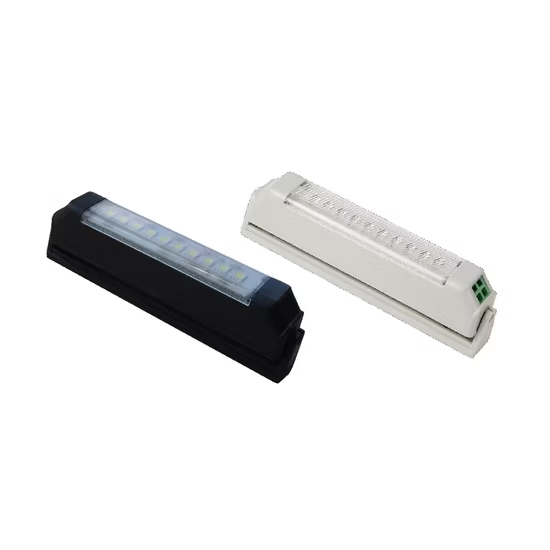
Advanced LED Cabinet Lighting Solutions
The CM-L2 Cabinet LED Light for Switchgear offers efficient illumination for modern electrical enclosures. Its LED technology supports low power consumption and extended operating life. Compact dimensions allow installation in cabinets where available space remains limited. Consistent brightness improves visibility during inspections and maintenance activities. Many facilities prefer LED-based solutions because they reduce replacement frequency and support long-term operating efficiency. Product evaluation should still include voltage compatibility, environmental protection, and installation requirements before final selection.