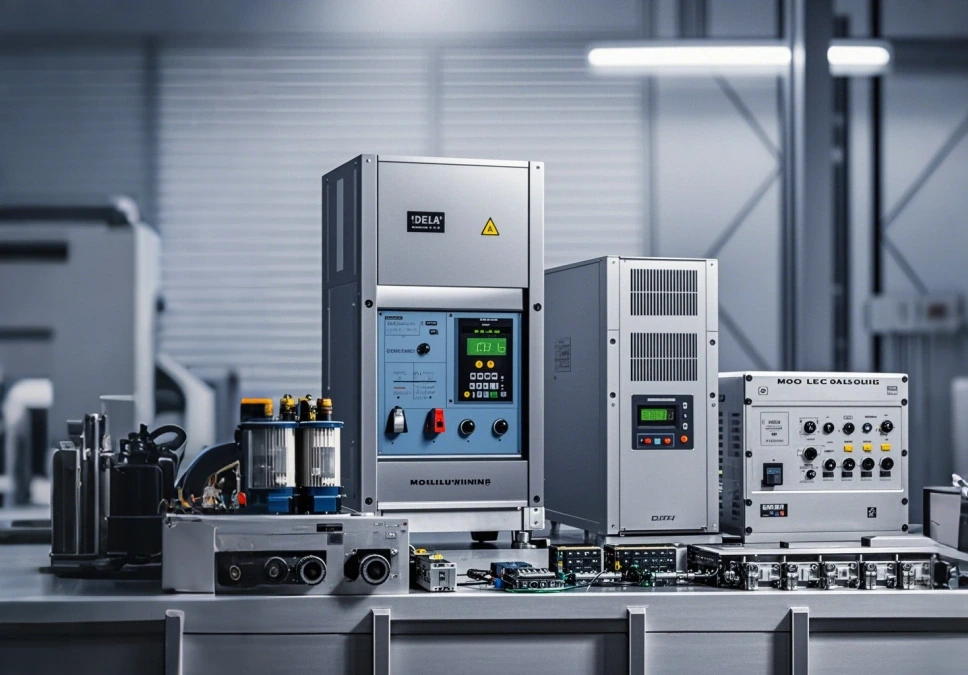
How Does Current Temp Fault Monitor System Improve Safety?
Sed ut perspiciatis unde omnis iste natus error sit voluptatem accusantium doloremque laudantium, totam rem aperiam. Sed ut perspiciatis unde omnis iste natus error sit voluptatem.
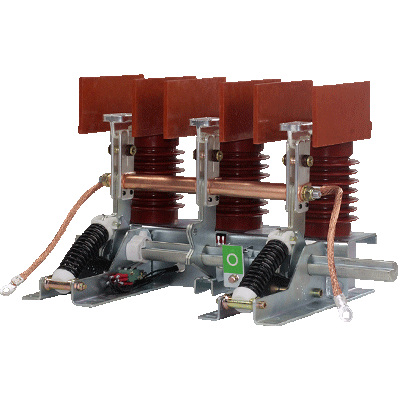
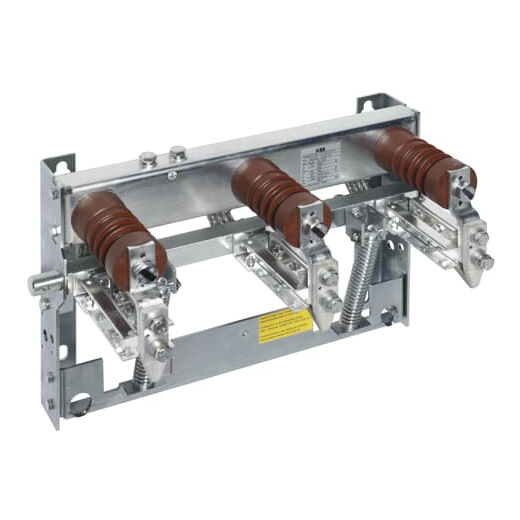
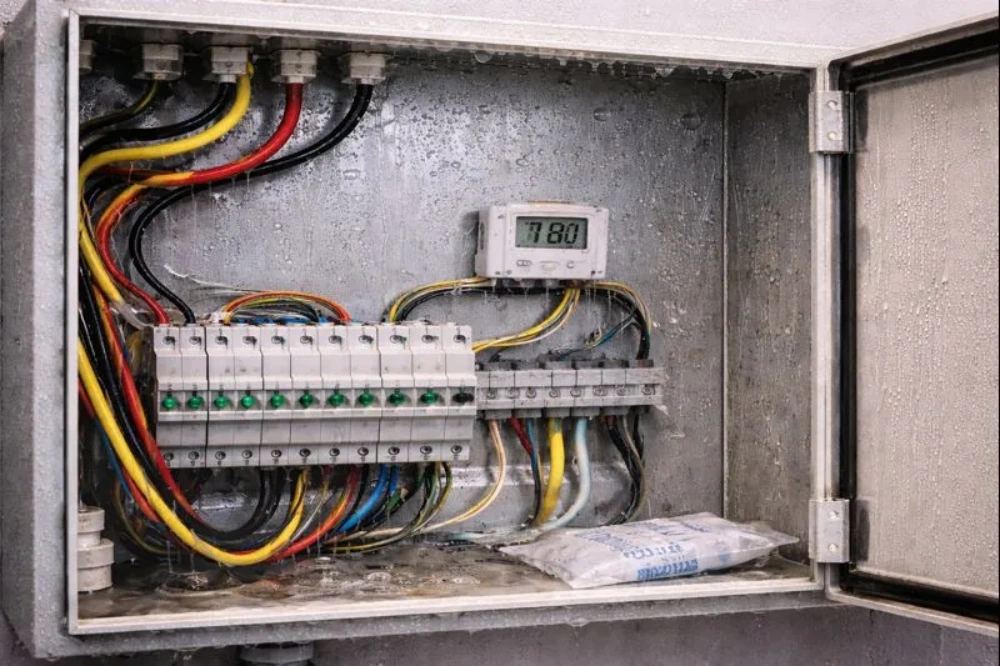
Current temperature fault monitoring system safety plays a central role in industrial risk control and equipment protection. It integrates sensing, analysis, and response functions to track thermal behavior in real time. Industrial environments often involve continuous electrical load variations and heat accumulation risks. Without accurate monitoring, overheating can lead to insulation breakdown or sudden system failure. This system continuously collects temperature and current data from critical points. It then converts physical signals into digital information for analysis. Operators receive timely feedback about abnormal conditions before damage occurs. Modern factories rely on this mechanism to maintain stable operation. Safety performance improves significantly when thermal anomalies are detected early. In high-demand environments, this approach reduces downtime and prevents costly equipment loss.
Core working principles of current temperature fault monitoring system safety
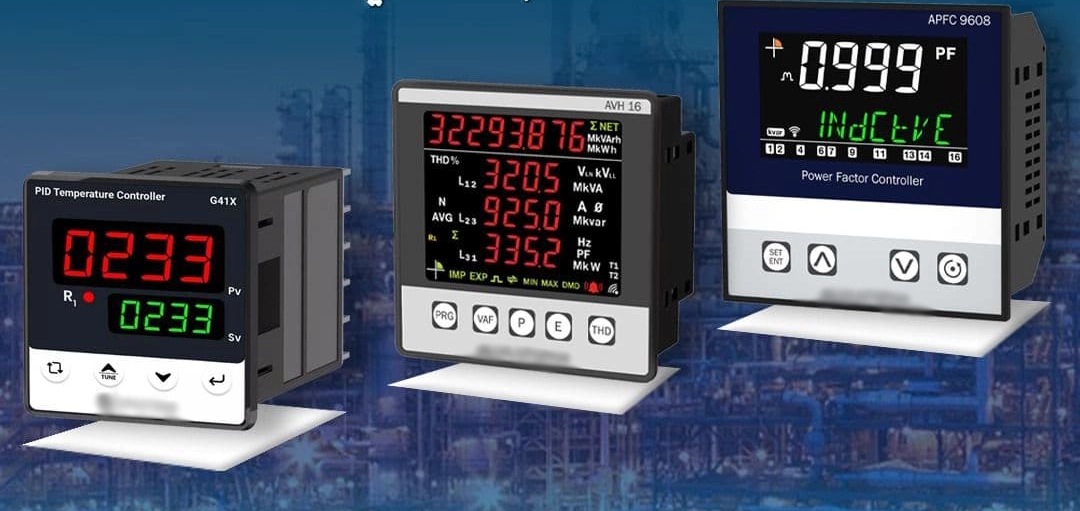
The operation of current temperature fault monitoring system safety depends on real-time sensing and signal interpretation. Sensors installed on equipment measure both current load and temperature changes. These signals pass through conditioning circuits before digital conversion. Embedded processors analyze data patterns and compare them with preset thresholds. When abnormal values appear, the system activates alerts immediately. Communication modules transmit information to centralized monitoring platforms. Operators can view live conditions through control interfaces. Decision logic ensures rapid response to potential risks. Temperature rise trends often indicate insulation stress or overload conditions. By correlating current flow with heat generation, the system identifies hidden faults. This structured process ensures continuous protection across industrial assets.
Key components and sensors in monitoring architecture
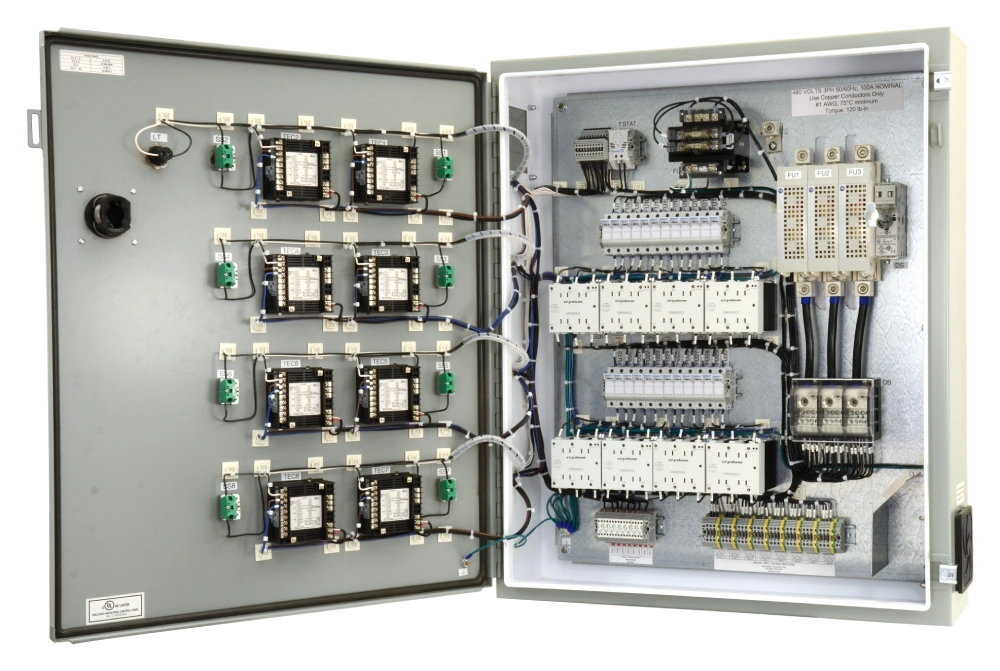
The performance of current temperature fault monitoring system safety depends on multiple integrated components. Temperature sensors, such as thermocouples and RTDs, provide precise thermal readings. Current transformers measure electrical load variations in real time. Signal conditioning units stabilize raw data before processing. Microcontrollers execute computational analysis and fault detection logic. Communication modules enable data transmission to supervisory systems. Industrial gateways connect local devices with cloud platforms.
| Component | Function | Industrial Role |
|---|---|---|
| RTD Sensor | Measures precise temperature | Thermal stability monitoring |
| Current Transformer | Tracks electrical load | Overload detection |
| Control Unit | Processes data signals | Fault decision execution |
Each component contributes to reliable system performance. Accurate sensor placement ensures stable data acquisition. Communication efficiency directly impacts response speed. Integration of hardware layers strengthens overall safety architecture. This structured design improves operational reliability in demanding environments.
The above architecture demonstrates how each element supports current temperature fault monitoring system safety in industrial applications. Sensor accuracy determines detection precision under fluctuating loads. Signal stability ensures that no critical variation is missed during processing. Control units act as decision centers for safety actions. Communication layers extend monitoring beyond local equipment. Industrial systems depend on synchronized operation among all components. Any delay in data transmission can reduce protection efficiency. Therefore, system designers focus on redundancy and fault tolerance. These measures ensure continuous monitoring even during partial failures. As a result, equipment remains protected against unexpected thermal events.
How temperature fault detection improves industrial protection
Current temperature fault monitoring system safety significantly enhances industrial protection by enabling early fault identification. Temperature deviations often indicate developing electrical stress or mechanical wear. Early detection allows maintenance teams to intervene before failure occurs. This reduces the probability of catastrophic breakdowns in production systems. Continuous monitoring also helps optimize equipment loading conditions. Stable thermal conditions extend the lifespan of electrical components. Operators can adjust operational parameters based on real-time feedback. Risk exposure decreases when overheating patterns are controlled effectively. Production efficiency improves due to reduced unplanned shutdowns. Industrial environments benefit from improved safety margins and operational continuity. Predictive maintenance strategies also rely on this monitoring framework for decision support.
Data acquisition and real-time analytics in monitoring systems
The effectiveness of current temperature fault monitoring system safety relies heavily on data acquisition speed and analytical accuracy. Sensors continuously collect temperature and current readings from multiple points. These data streams are processed using edge computing units or centralized servers. Real-time analytics identify abnormal trends and predict potential failures. Machine learning models enhance detection accuracy over time.
| Data Type | Collection Method | Analysis Purpose |
|---|---|---|
| Temperature Data | Thermal sensors | Overheat detection |
| Current Data | Current transformers | Load imbalance analysis |
| Trend Data | Continuous sampling | Predictive maintenance |
Data synchronization ensures consistent monitoring across systems. Edge computing reduces latency in fault detection. Centralized systems provide long-term trend analysis. Predictive models improve system intelligence. These technologies collectively strengthen industrial safety frameworks.
The table above highlights how different data types support analytical functions within monitoring systems. Temperature data provides direct insight into thermal conditions. Current data reveals electrical load variations and stress levels. Trend data enables predictive modeling for future risks. Each dataset contributes to a comprehensive safety overview. Processing speed determines how quickly anomalies are detected. Efficient analytics reduce response delays in critical situations. Industrial facilities benefit from improved decision-making accuracy. This structured approach ensures that current temperature fault monitoring system safety remains effective under dynamic conditions.
Alarm mechanisms and response strategies for fault conditions
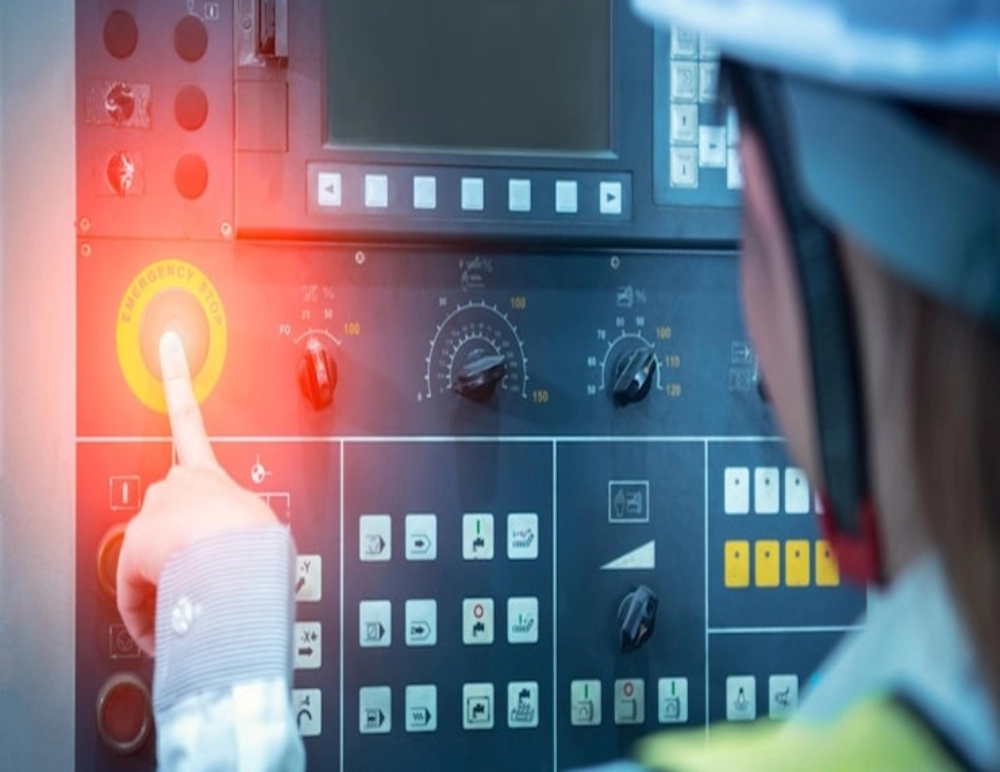
Current temperature fault monitoring system safety includes multi-layer alarm mechanisms to ensure rapid response to abnormal conditions. When temperature thresholds are exceeded, the system triggers visual and audible alerts. Secondary alarms notify remote control centers through network communication. Escalation levels determine the severity of response actions. Automatic shutdown functions activate when critical limits are reached. Operators receive detailed fault information for diagnosis.
- Warning level alerts for early temperature rise
- Critical alarms for rapid overheating
- Emergency shutdown for system protection
These layered responses ensure structured safety management. Immediate action reduces damage risk to equipment. Automated logic minimizes human reaction delays. Remote monitoring enhances operational awareness. This structured alarm design strengthens industrial reliability.
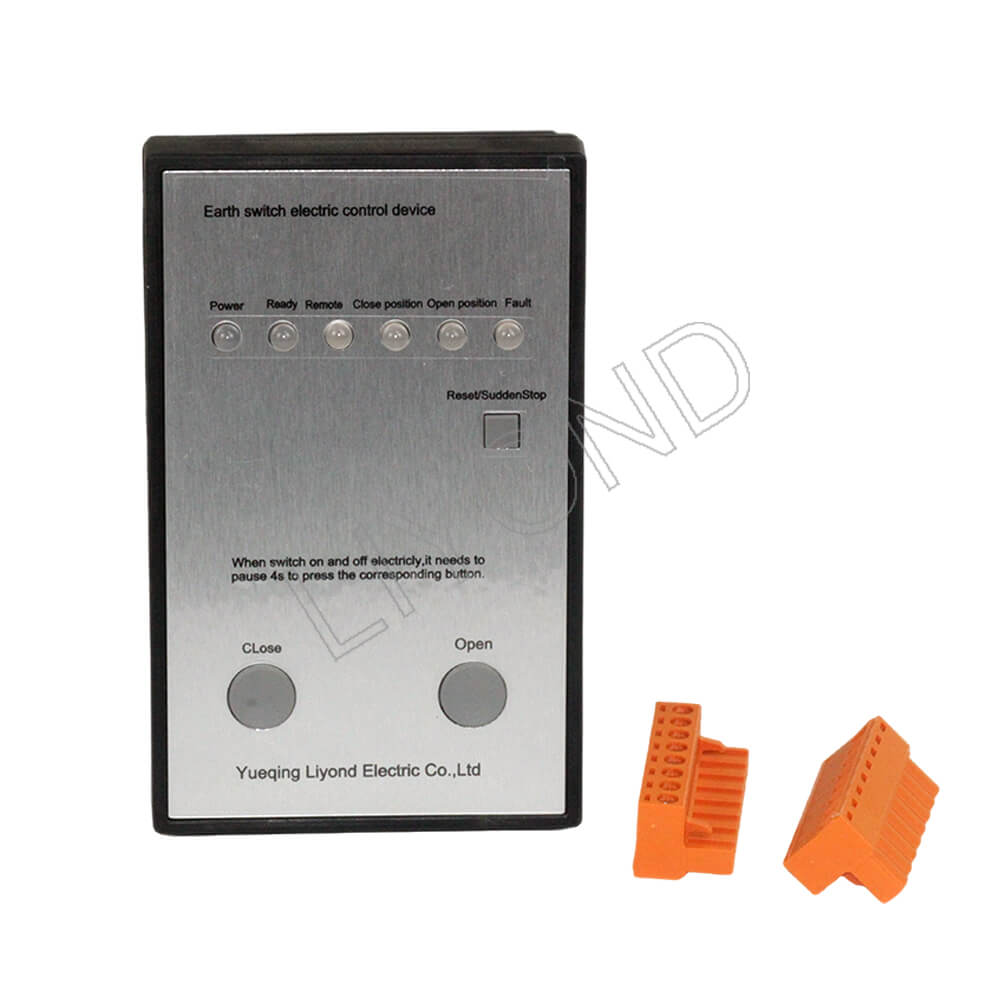
Installation and calibration considerations for reliable performance
Proper installation is essential for current temperature fault monitoring system safety effectiveness. Sensor positioning must reflect actual thermal hotspots. Incorrect placement can lead to inaccurate readings. Calibration ensures measurement consistency across operating conditions. Environmental factors such as humidity and vibration affect sensor accuracy. Regular calibration cycles maintain data reliability. Wiring stability prevents signal interference during operation.Technicians follow standardized installation procedures for consistency. Equipment must be grounded properly to avoid electrical noise. Testing phases verify system response before deployment. Calibration adjustments improve long-term measurement stability. Accurate setup directly impacts fault detection performance. Industrial environments require strict adherence to installation standards. Proper configuration ensures dependable system operation.
Maintenance and reliability factors affecting system lifespan
Maintenance practices directly influence current temperature fault monitoring system safety performance over time. Regular inspection ensures sensor functionality remains stable. Dust accumulation can reduce sensor sensitivity. Connection points must be checked for corrosion or looseness. Firmware updates improve system intelligence and detection accuracy.
- Routine sensor cleaning schedules
- Periodic calibration verification
- Software update implementation
Redundant system design increases reliability under failure conditions. Diagnostic tools help identify hidden faults early. Predictive maintenance reduces unexpected downtime. Equipment lifespan extends through consistent servicing. Proper maintenance ensures continuous industrial protection.
Industry compliance and safety standards integration
Compliance with international standards supports current temperature fault monitoring system safety in industrial environments. IEC 61508 defines functional safety requirements, while IEC 60204-1 specifies electrical equipment safety for machinery. IEC 60076 sets thermal and performance limits for power transformers. IEEE C37.2 standardizes device function identification in power systems. IEEE 519 manages harmonic distortion in power systems. ISO 13849 defines machinery safety control performance levels. IEC 61000 addresses electromagnetic compatibility requirements for industrial equipment. Certification bodies validate compliance through testing and documentation review. Audits confirm installation accuracy and operational safety under load conditions. Fault simulation tests verify system response under abnormal thermal stress. Documentation ensures traceability of design, calibration, and maintenance records. These frameworks ensure consistent global interoperability and reduced operational risk.
Cost-benefit analysis in industrial deployment
Investing in current temperature fault monitoring system safety delivers long-term operational benefits. Initial installation costs include sensors, controllers, and integration systems. However, reduced downtime significantly offsets investment expenses. Equipment failures become less frequent under continuous monitoring. Maintenance costs decrease due to predictive diagnostics. Energy efficiency improves through optimized load management.
Financial benefits include:
- Reduced emergency repair expenses
- Lower production downtime losses
- Extended equipment service life
These advantages improve return on investment over time. Industrial operators gain improved financial stability. Risk reduction contributes to long-term operational efficiency. Safety improvements translate directly into economic value. Monitoring systems therefore represent strategic infrastructure investments.
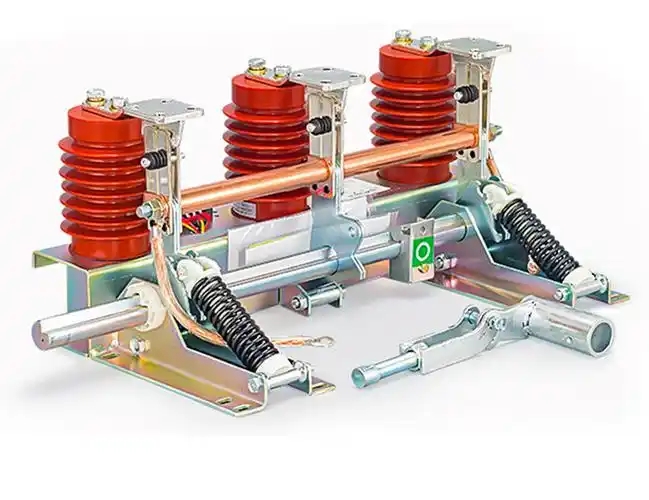
What industries benefit most from these systems?
Many industries benefit from current temperature fault monitoring system safety, especially those involving high electrical loads and continuous operations. Power generation facilities rely on it for transformer and substation protection. Manufacturing plants use it to monitor heavy machinery and production lines. Data centers depend on it to prevent overheating in server environments. Transportation infrastructure also applies it in rail and energy systems. Oil and gas industries use it for equipment safety in extreme conditions. These sectors require high reliability and low failure rates. Monitoring systems ensure stable performance and reduce operational risks across all these applications.
Conclusion of current temperature fault monitoring system safety
Current temperature fault monitoring system safety provides essential protection for modern industrial operations. It combines sensing, analytics, and automated response into a unified framework. Continuous monitoring reduces risks associated with overheating and electrical faults. System reliability improves through integrated hardware and software coordination. Industrial environments benefit from enhanced stability and reduced failure rates. Predictive capabilities further strengthen maintenance strategies. Safety performance increases as real-time data improves decision-making. Overall, this system plays a critical role in maintaining operational integrity and equipment protection.
FAQ
What is the main purpose of current temperature fault monitoring system safety?
The main purpose of current temperature fault monitoring system safety is to ensure continuous protection of industrial equipment through real-time temperature and current analysis. It detects abnormal thermal behavior early and prevents equipment damage caused by overheating or electrical stress. The system continuously monitors operational conditions and compares them with predefined safety thresholds. When irregular patterns appear, it triggers alerts or automated responses. This reduces downtime and prevents costly failures. It also improves operational stability by maintaining safe working conditions. Industrial systems rely on this technology to support uninterrupted production and reduce unexpected breakdown risks.
How does real-time monitoring prevent equipment failure?
Real-time monitoring prevents equipment failure by continuously tracking temperature and current variations across critical components. The system identifies abnormal increases that may indicate overload or insulation issues. Early detection allows operators to take corrective actions before damage occurs. Automated alerts ensure immediate awareness of potential risks. In severe cases, the system can trigger shutdown procedures to protect equipment. Data trends also help predict future failures through pattern analysis. This proactive approach reduces sudden breakdowns and improves system reliability. Continuous feedback ensures stable operating conditions and minimizes long-term maintenance costs across industrial environments.