
How To Choose A High Voltage Presence Indicator OEM?
Compare high voltage presence indicator OEMs by sensing technology, switchgear compatibility, customization, safety, and quality testing.
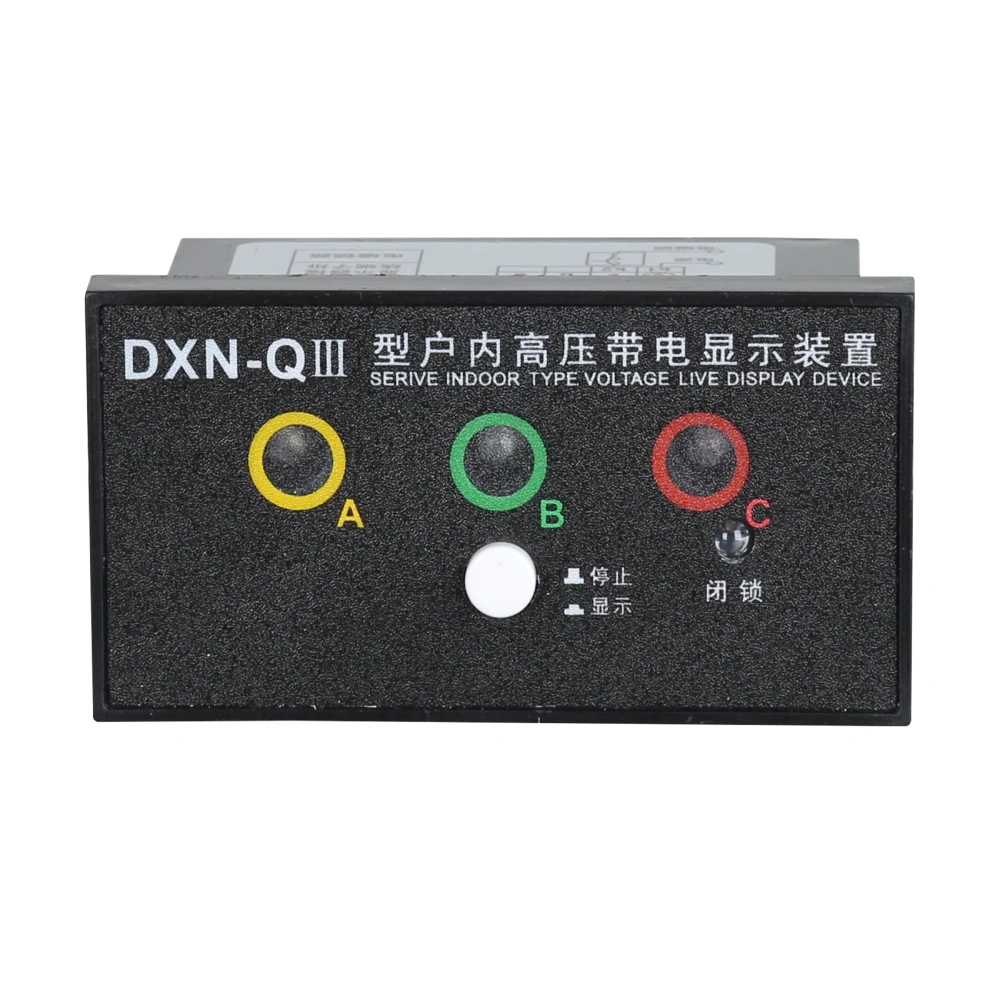
What Is a High Voltage Presence Indicator?
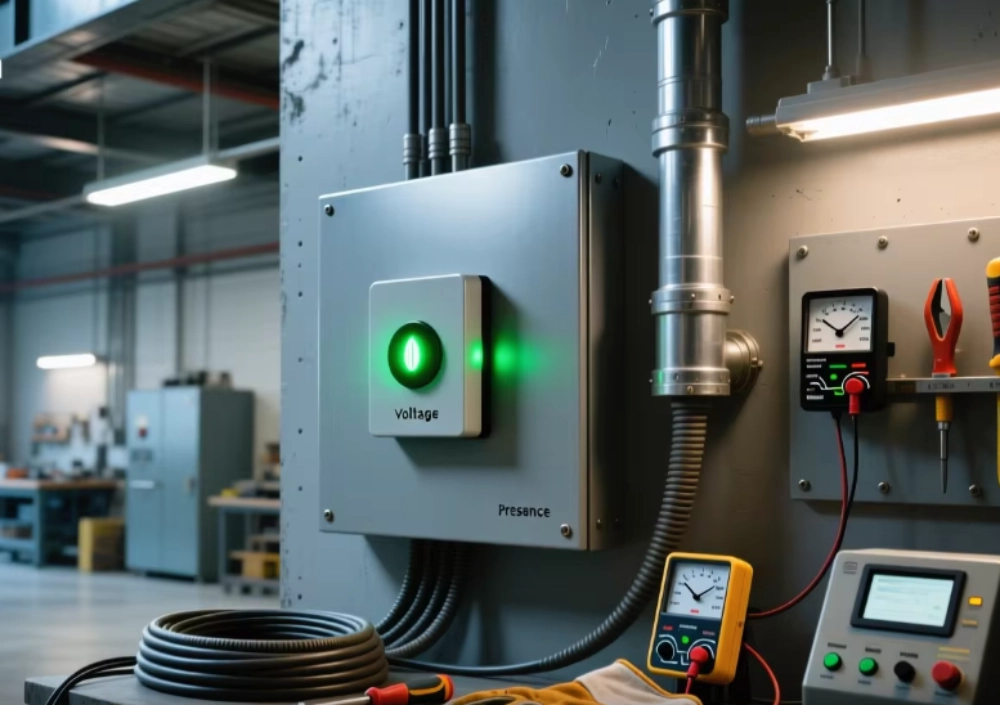
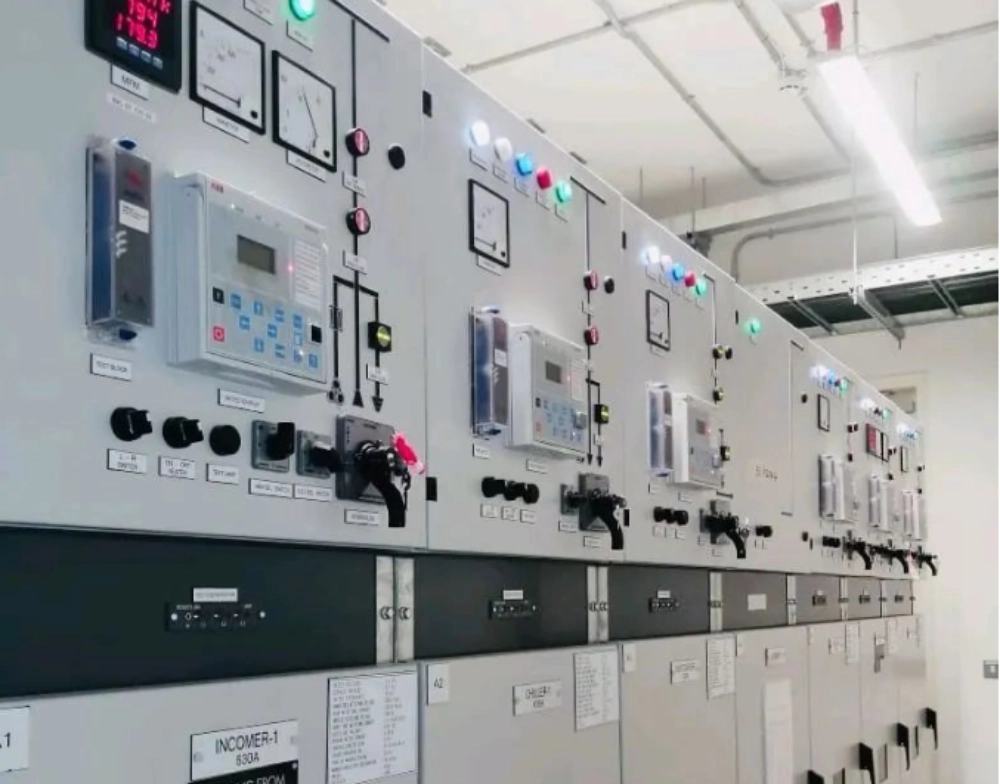
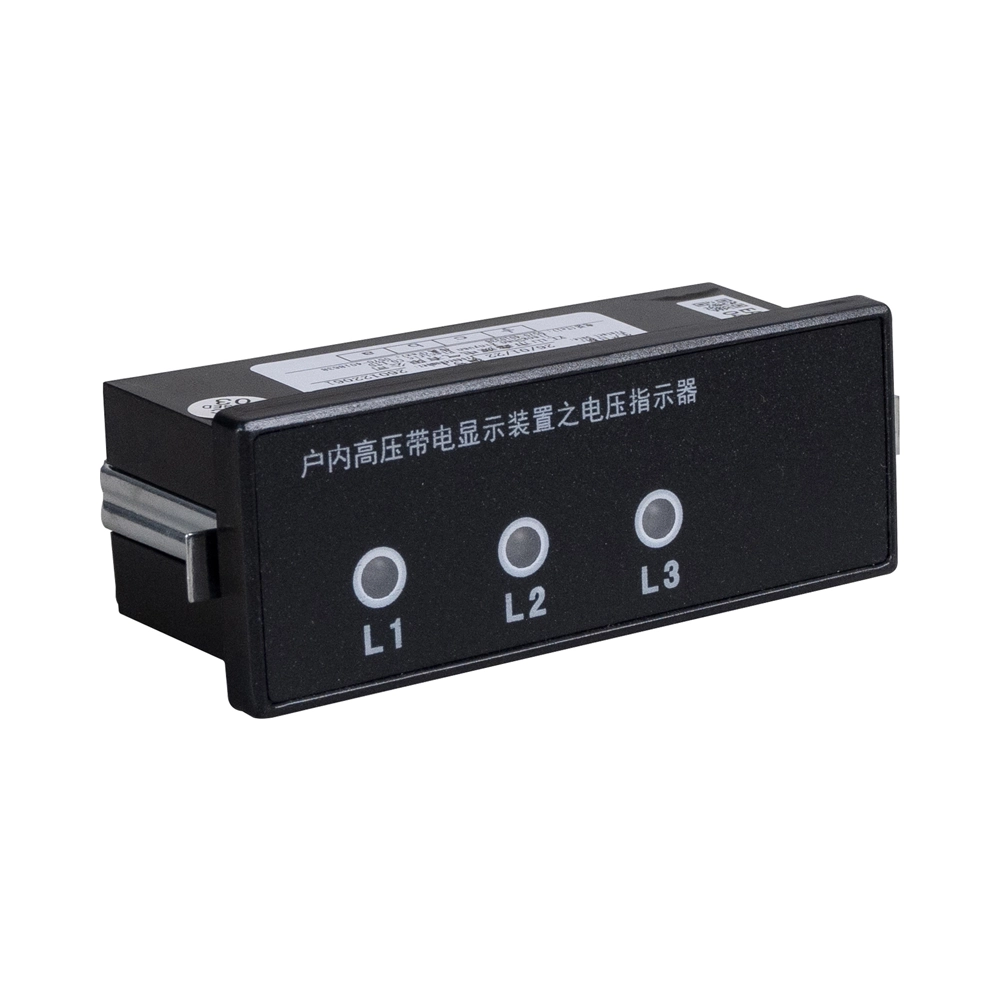
A high voltage presence indicator is an electrical device that visually signals voltage in monitored circuits. It is commonly installed in switchgear, distribution panels, and industrial electrical equipment. Many designs use separate LED indicators for individual phases and a grounding reference. These indicators help maintenance personnel recognize potentially energized circuits before starting work. Some models use permanently installed, self-powered circuits that require no external supply. Others rely on capacitive sensing interfaces or dedicated electronic detection modules. When evaluating a High Voltage Presence Indicator OEM, buyers should distinguish direct voltage-sensing circuits from capacitive detection systems. Their operating principles, installation requirements, and compatible voltage ranges can differ significantly. Selecting the correct design requires matching the indicator to the actual electrical system.
How Does a High Voltage Presence Indicator Work?
Many conventional indicators use high-impedance resistor networks to limit current while detecting voltage between phase conductors and ground. In some AC designs, paired LEDs respond to opposite half-cycles of the alternating waveform. This arrangement provides visible phase indication without requiring a separate power supply. Under balanced three-phase conditions, phase indicators may illuminate while ground indicators remain off. However, phase loss or voltage imbalance can change the ground indication. High-resistance-grounded systems may also produce ground LED activity without necessarily indicating a ground fault. Ungrounded systems present additional challenges because a reliable ground reference may be unavailable. These behaviors depend on the circuit design and system configuration. Therefore, an OEM manufacturer must verify the intended grounding arrangement before recommending a specific indicator.
Why Are Voltage Presence Indicators Important for Electrical Safety?
Voltage presence indicators provide a visible warning when electrical energy remains present in monitored circuits. Permanently installed indicators can help personnel identify energized equipment without immediately opening an enclosure. However, their effectiveness depends on correct installation, compatible sensing circuits, and proper grounding where required. A failed connection or unsuitable system configuration can produce misleading indications. Buyers should therefore review installation instructions and any prescribed commissioning tests. The indicator should also be installed at a location appropriate for the intended monitoring point. During maintenance, personnel must follow applicable isolation and lockout procedures. An extinguished indicator alone cannot establish that equipment is de-energized. Qualified personnel must verify the absence of voltage using an appropriately rated test instrument and the required safety procedure.
What Should You Consider When Selecting an OEM Indicator?
Selecting a suitable indicator begins with the electrical characteristics of the target switchgear. Buyers should specify nominal and maximum operating voltages, AC or DC operation, system frequency, phase arrangement, and grounding method. They should also identify whether the design uses direct connections, capacitive coupling, or another sensing interface. Installation details matter equally, including panel cutouts, mounting depth, terminal spacing, and cable routing. For example, a Voltage Detecting Indicating System with Lock Function OEM/ODM may suit projects requiring integrated indication and a locking-related function. However, buyers must confirm the actual locking mechanism and its intended safety role. The OEM should review electrical schematics and mechanical drawings before confirming compatibility. These checks help prevent incorrect connections, unsuitable indication thresholds, and expensive modifications after production.
What Customization Options Can an OEM Manufacturer Provide?
OEM customization may include panel dimensions, mounting arrangements, LED colors, labels, terminal configurations, logos, and packaging. Some manufacturers can also modify sensing interfaces or develop display layouts for specific switchgear designs. An Inductive High Voltage Indicator Display may require different integration considerations from a conventional resistive or capacitive indicator. Buyers should confirm the sensing method rather than assume different technologies are interchangeable. Changes to insulation, sensing thresholds, protective components, or circuit layouts require engineering review. Such modifications may also affect testing requirements or existing certification coverage. Before approving mass production, buyers should review a representative sample against the agreed drawings and specifications. Functional testing should verify phase indications and other specified behaviors under appropriate test conditions. Written approval of the final design helps maintain consistency across subsequent production batches.
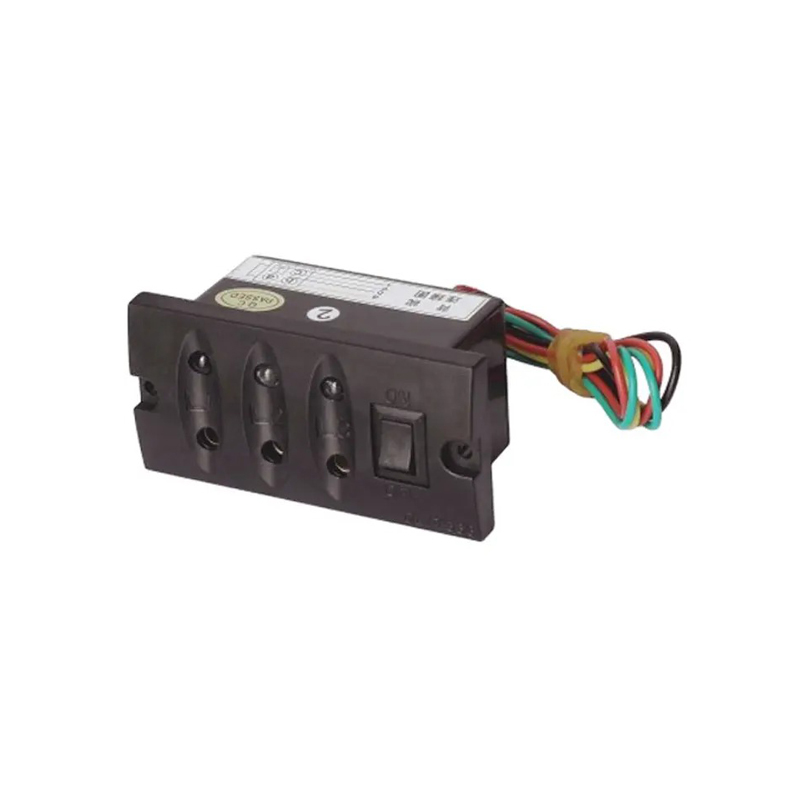
How Do You Choose a Reliable High Voltage Presence Indicator OEM?
A reliable supplier should demonstrate relevant technical knowledge and provide documentation for the proposed product. Request a datasheet, wiring diagram, dimensional drawing, and applicable test reports. Check whether the documented voltage range, installation category, environmental ratings, and certifications match the intended application. Certification claims should be verified against the exact model and configuration. Buyers should also ask how the manufacturer controls component quality, assembly consistency, and final functional testing. For customized orders, confirm sample approval procedures and engineering change controls. Production lead time, minimum order quantity, warranty terms, and technical support also affect purchasing decisions. A qualified High Voltage Presence Indicator OEM should explain limitations clearly and identify requirements needing further validation. Comparing documented capabilities provides a stronger basis for supplier selection than price alone.
FAQ
What Is the Difference Between OEM and ODM Voltage Indicators?
OEM generally involves manufacturing products according to customer specifications or an approved design. ODM typically involves a manufacturer supplying an existing design or developing one for the customer. The distinction depends on the project's design responsibilities and commercial agreement. OEM projects may focus on branding, dimensions, wiring interfaces, and specified technical requirements. ODM projects may involve more extensive product development and engineering input. Buyers should clarify design ownership, tooling costs, testing responsibilities, and intellectual property rights before development begins. They should also establish who approves design changes and maintains technical records. Clear agreements reduce misunderstandings during prototyping and mass production.
Can an OEM Manufacturer Customize Voltage Indicators for Different Switchgear Systems?
Yes, customization may be possible when the manufacturer's design and engineering capabilities support the requested configuration. Common changes include mounting dimensions, terminal arrangements, indicator layouts, and identification labels. Electrical modifications require additional assessment because different systems may use different voltage ranges, grounding methods, and sensing interfaces. Buyers should provide accurate electrical schematics, installation drawings, and environmental requirements. The manufacturer can then evaluate feasibility, identify necessary design changes, and recommend suitable verification tests. A prototype helps confirm mechanical fit and functional performance before production approval. Not every modification can be completed without additional development or certification work. Final acceptance criteria should be agreed upon before mass production.
Can a Voltage Presence Indicator Confirm That Equipment Is De-Energized?
No. A voltage presence indicator is designed primarily to show the presence of voltage under specified conditions. An unlit indicator does not independently prove that all hazardous voltage has been removed. Component failures, disconnected sensing leads, or unsuitable grounding conditions may affect the display. Personnel must follow the applicable isolation and lockout procedures. Qualified individuals should verify the absence of voltage using appropriately rated test equipment at the required test points. They must also complete any additional safety steps specified by applicable procedures. A voltage indicator can support electrical safety, but it cannot replace formal verification.