How To Choose The Best Temp And Humidity Controller?
Temp and humidity controller selection for cabinets covers accuracy, sensors, installation, performance comparison in industrial use.
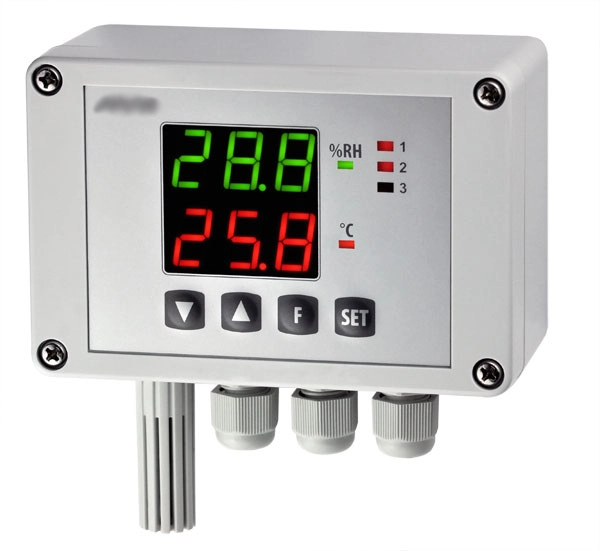
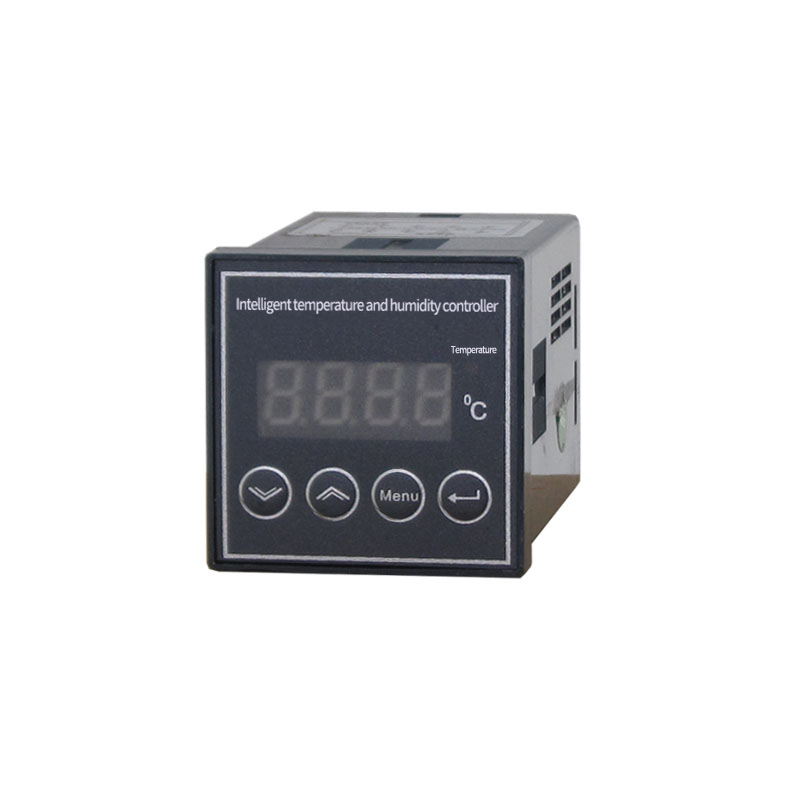
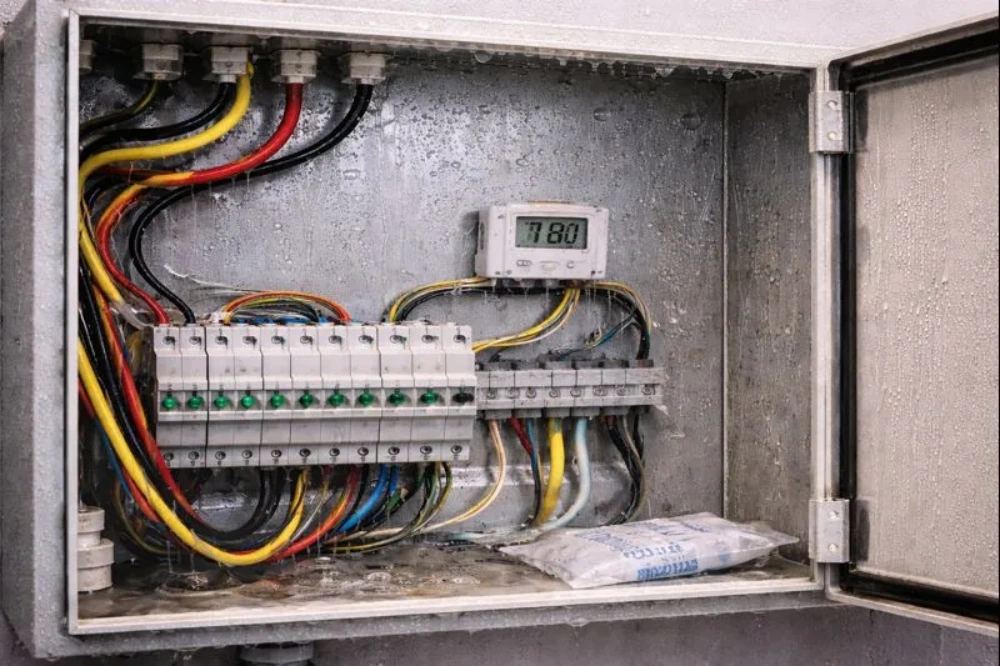
In modern electrical environments, a temp and humidity controller plays a critical role in maintaining stable internal conditions for sensitive equipment. It regulates environmental fluctuations inside control cabinets, reducing risks of condensation and overheating. These issues often lead to insulation failure, corrosion, or unpredictable circuit behavior. Industrial operators rely on stable environmental parameters to ensure continuous uptime and protect automation components. In many facilities, even small humidity changes can damage relays and circuit boards over time. Proper environmental regulation also improves equipment lifespan and reduces maintenance costs. Electrical enclosures in power distribution and automation systems particularly depend on stable conditions. Without this device, internal moisture accumulation becomes a serious operational risk. Engineers typically integrate it into monitoring systems for proactive environmental management.
What Makes A temp and humidity controller Essential In Electrical Systems
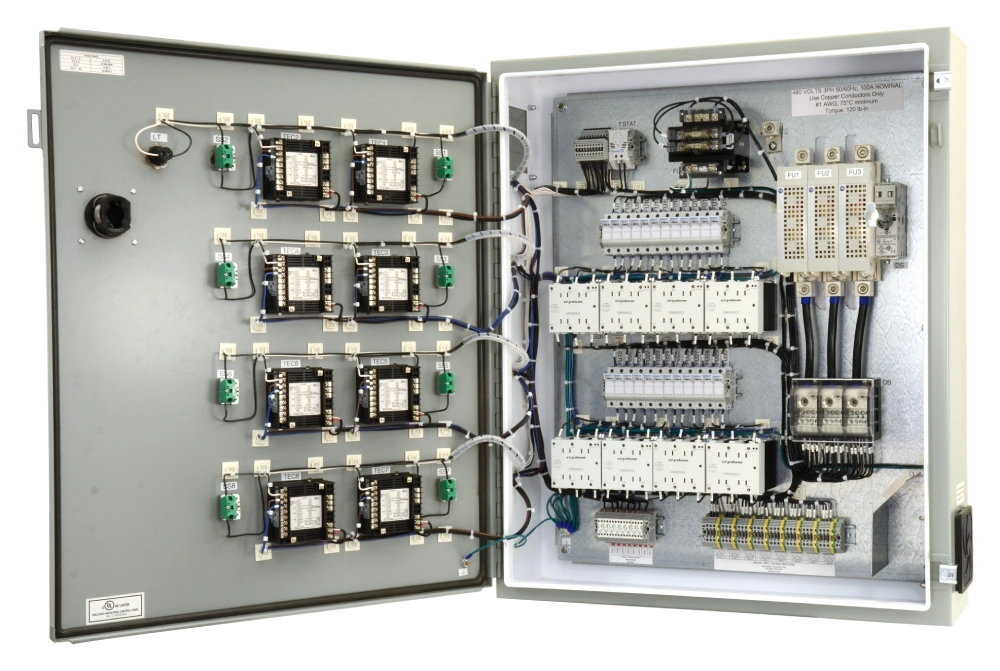
The temp and humidity controller ensures environmental balance inside sensitive electrical cabinets by continuously monitoring air conditions and activating heating or cooling elements when required. Its role is especially important in regions with unstable climates or high humidity levels. In industrial automation setups, stable humidity reduces the likelihood of short circuits and signal interference. Proper integration also supports consistent machine performance and prevents unexpected shutdowns. Many systems use relay-based outputs for precise environmental adjustments. Over time, this improves operational safety and reduces downtime. The controller also helps maintain compliance with equipment operational standards. Engineers often consider it a foundational component in electrical protection design rather than an optional accessory.
Key Selection Factors In Cabinet Protection
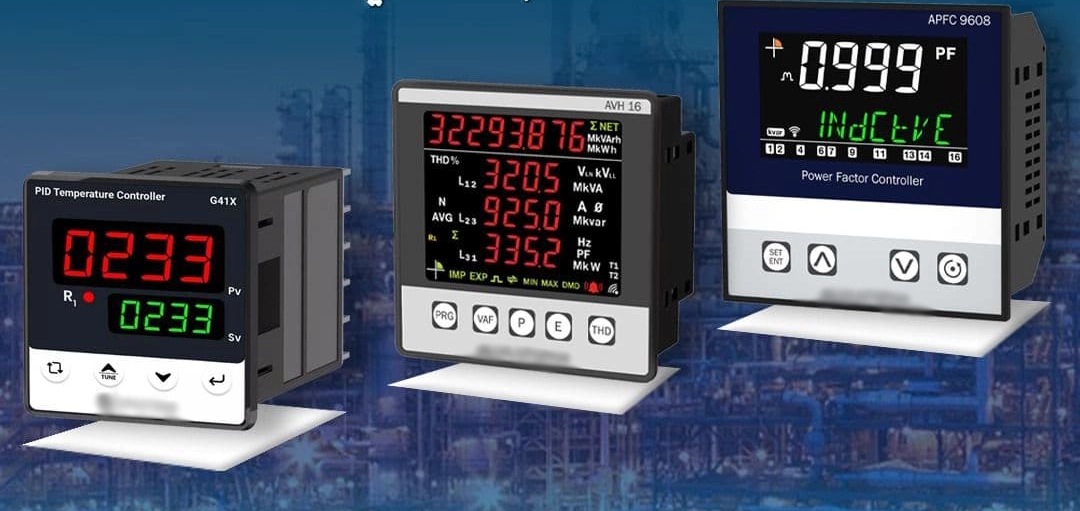
Selecting the right temp and humidity controller requires careful evaluation of accuracy, durability, and response performance. Electrical cabinets demand precise control to avoid environmental fluctuations that may impact internal components. Engineers often prioritize sensor sensitivity and relay switching speed when designing protection systems. Voltage compatibility and electromagnetic resistance are also critical in industrial environments. Installation flexibility ensures the controller can fit into various cabinet structures without modification. Long-term stability is equally important, especially in high-load applications. Poor selection may lead to inconsistent readings and inefficient control cycles. Therefore, technical specifications should always align with operational requirements rather than cost alone. Proper selection ensures long-term reliability and stable system performance.
Sensor Types And Control Accuracy Comparison
Different sensor technologies significantly influence performance accuracy and response time in environmental control systems. Choosing the right configuration improves efficiency and reduces calibration frequency. The table below compares common sensor types used in industrial controllers.
| Sensor Type | Accuracy Range | Response Time | Application Suitability |
|---|---|---|---|
| NTC Thermistor | ±0.5°C | Fast | General cabinet control |
| Capacitive Humidity Sensor | ±3% RH | Medium | Standard industrial systems |
| Digital Integrated Sensor | ±0.3°C / ±2% RH | Fast | High precision environments |
Each sensor type offers different trade-offs between cost and precision. Industrial engineers typically select based on environmental sensitivity and system complexity. High precision sensors reduce calibration frequency and improve stability. However, they may require better shielding from electrical noise. Selection should always match operational requirements rather than maximum specification alone. Proper sensor integration ensures long-term reliability and reduces maintenance interventions.
Installation Methods And Maintenance Practices
Proper installation significantly affects the performance of any temp and humidity controller in industrial environments. Placement inside the electrical cabinet should ensure airflow exposure without direct contact with heat sources. Wiring must follow electromagnetic compatibility principles to avoid interference from nearby power lines. Many engineers recommend separating control and power circuits for stability. Regular maintenance includes checking sensor calibration and cleaning dust accumulation from ventilation points. Improper installation often leads to inaccurate readings and inefficient control cycles. Environmental sealing of enclosures also plays a major role in long-term performance. Routine inspection schedules help maintain consistent operation and reduce unexpected failures. System reliability depends heavily on both installation quality and maintenance discipline. When correctly installed, the controller can operate efficiently for many years without significant performance degradation.
Cost Performance And Brand Selection For Industrial Applications
Evaluating cost against performance is essential when choosing a temp and humidity controller for industrial deployment. Low-cost options may lack precision or durability, leading to higher maintenance costs over time. High-performance models often include advanced sensors and better environmental protection ratings. The table below outlines common cost-performance considerations.
| Category | Performance Level | Durability | Cost Efficiency |
|---|---|---|---|
| Basic Controller | Moderate | Medium | High short-term value |
| Industrial Grade | High | High | Balanced long-term value |
| Precision System | Very High | Very High | Best lifecycle efficiency |
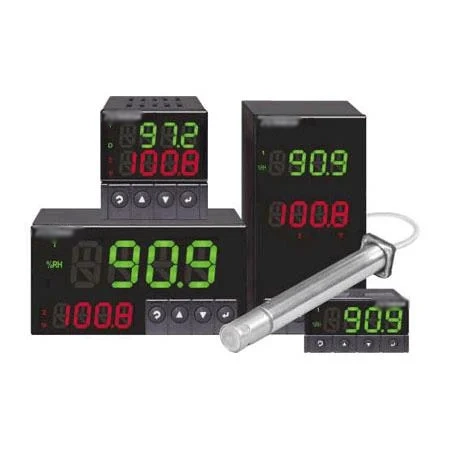
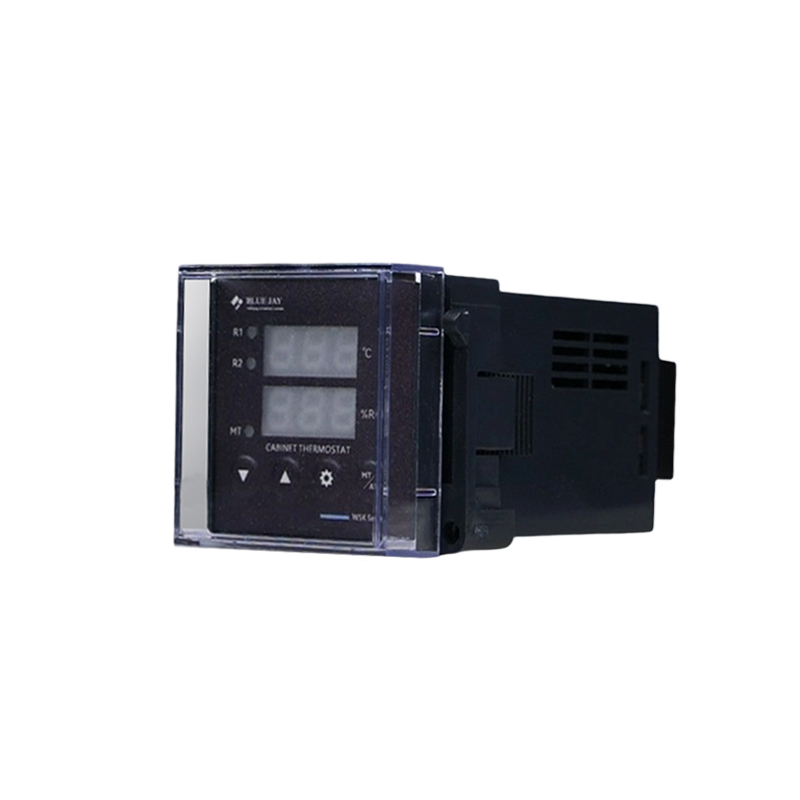
Brand selection also influences system stability and service reliability. For example, WSK Digital Precision Temperature and Humidity Controller is widely used in precision cabinet environments requiring stable regulation. Meanwhile, HK Temperature and Humidity Controller for Cabinets is often applied in standard industrial setups with moderate environmental demands. Choosing between these depends on operational criticality and budget planning. Long-term efficiency should always outweigh initial cost savings in professional deployments.
Conclusion
Choosing the correct temp and humidity controller requires balancing accuracy, durability, and application needs. Electrical environments depend heavily on stable humidity and temperature regulation to protect internal components. Poor selection can lead to long-term system degradation and operational risks. Engineers must evaluate sensor technology, installation conditions, and lifecycle performance before final decision-making. Industrial environments with higher sensitivity require more precise systems and stricter calibration routines. Proper integration ensures stable operation and reduced maintenance overhead. In modern electrical infrastructure, environmental control has become a core requirement rather than an optional feature. A well-selected system improves reliability and extends equipment lifespan significantly.
FAQ
What industries require a temp and humidity controller most?
Industries such as power distribution, automation, telecommunications, and manufacturing rely heavily on environmental stability inside electrical cabinets. Sensitive electronic systems generate heat and are affected by humidity fluctuations. A temp and humidity controller ensures stable operating conditions by regulating internal environments continuously. This helps prevent condensation, corrosion, and signal instability. Industrial control panels and server rooms are especially dependent on such systems. In these environments, even minor environmental shifts can disrupt operations or damage components. Therefore, integrating environmental control is considered a standard practice in professional electrical system design. It supports long-term reliability and reduces unexpected downtime in critical infrastructure.