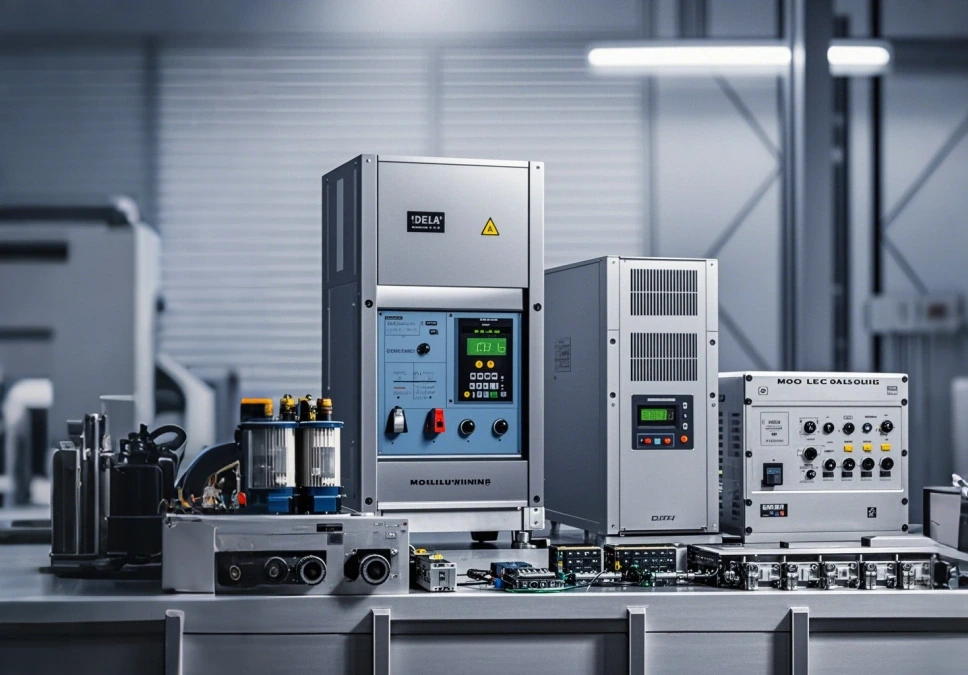
Is Temperature Humidity Control Needed For Switchgear?
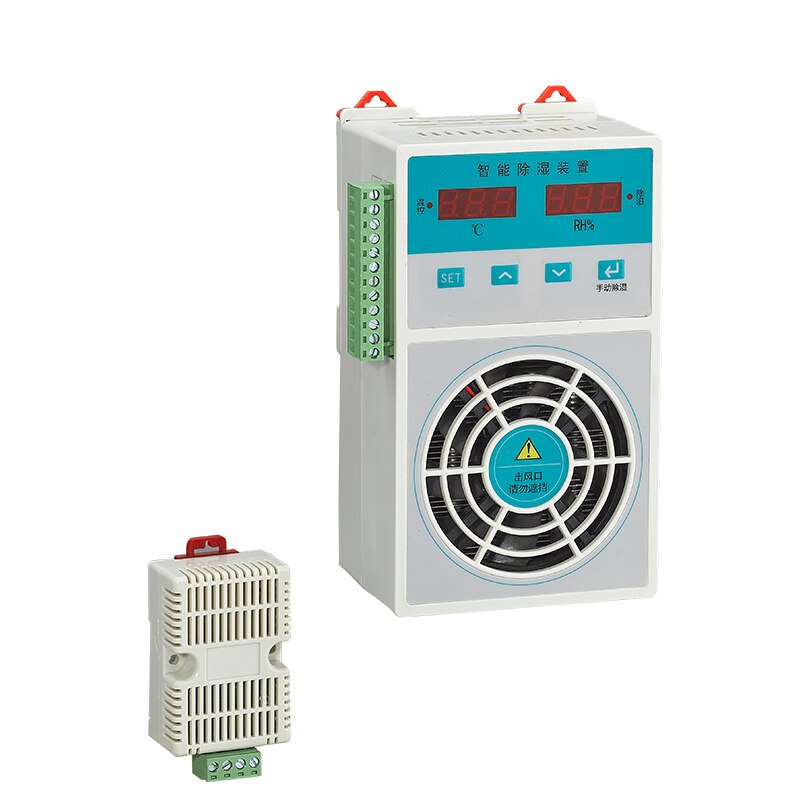
Temperature and Humidity Controller improves switchgear safety by limiting condensation, insulation failure, and corrosion risks.
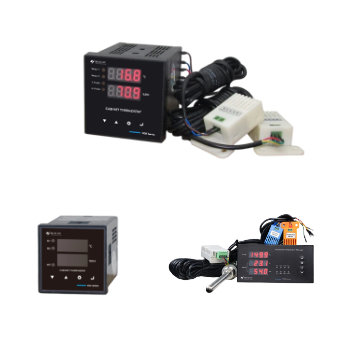
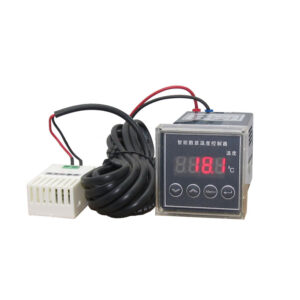
Environmental Risks Inside Modern Switchgear Systems
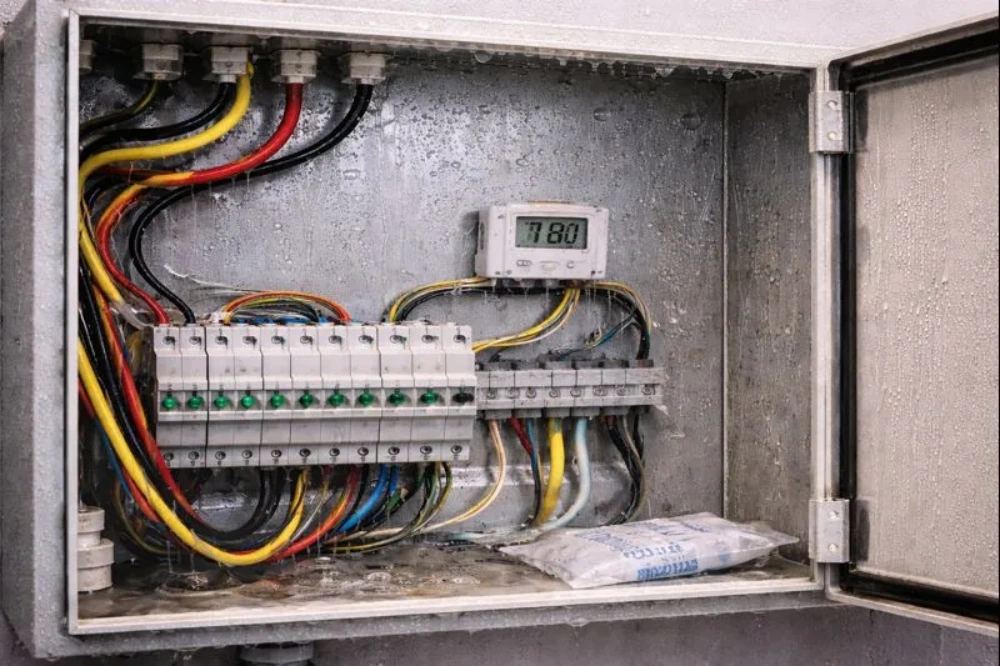
Temperature and Humidity Controller plays a critical role inside modern switchgear cabinets. Electrical systems generate heat during continuous current transfer operations. Moisture enters enclosures through ventilation gaps, damaged seals, and cable openings. Condensation often forms during rapid temperature changes. Water droplets reduce insulation resistance between energized conductors. Excess humidity also accelerates oxidation on copper surfaces and terminal connections. Industrial switchgear normally contains circuit breakers, relays, busbars, and metering assemblies. These components require stable environmental conditions for reliable operation. Outdoor substations face stronger environmental pressure than indoor installations. Coastal regions often experience salt contamination and persistent humidity exposure. Mining facilities also produce airborne particles and unstable temperatures. Electrical insulation performance decreases when moisture accumulates inside confined switchgear compartments for extended operating periods.
Why Climate Stability Supports Electrical Reliability
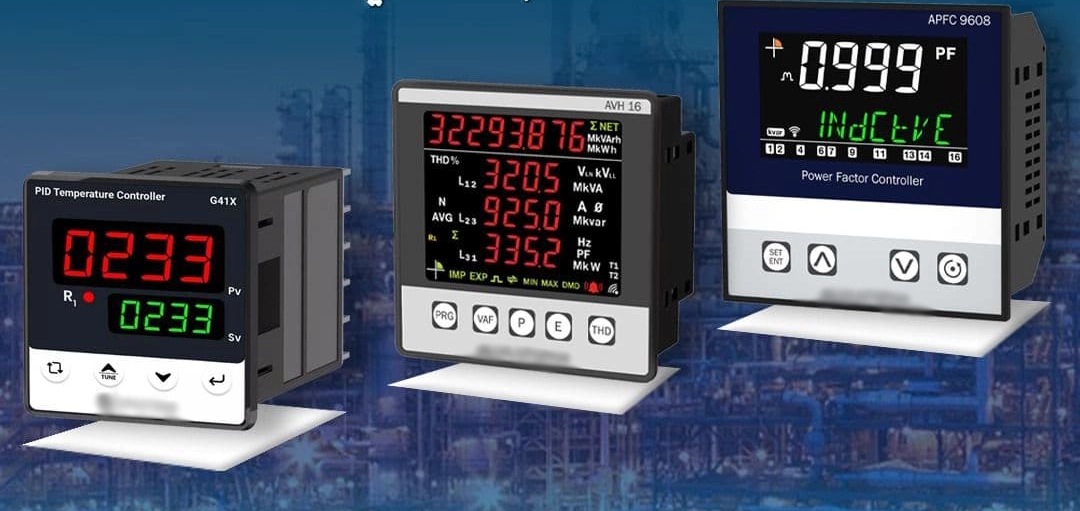
Stable environmental conditions improve operational reliability inside industrial power distribution systems. High temperatures increase conductor resistance and thermal stress on insulation materials. Excess humidity weakens dielectric performance and promotes surface leakage currents. Controlled airflow removes trapped heat from enclosed compartments efficiently. Industrial heaters reduce condensation during cold operating conditions. Digital sensors continuously monitor cabinet temperature and relative humidity levels. Modern controllers activate fans or heaters automatically after preset thresholds appear. Fast environmental correction protects relay contacts and electronic control boards effectively. Many manufacturers use polycarbonate insulation barriers because moisture resistance remains relatively stable. Epoxy resin insulation systems also perform well during fluctuating thermal conditions. Proper environmental regulation extends equipment service life significantly. Maintenance teams frequently monitor cabinet climate conditions during routine electrical inspections in high-load industrial facilities.
Common Moisture Problems Found in Industrial Switchgear
Moisture creates several operational hazards inside medium-voltage and low-voltage switchgear systems. Condensation frequently develops during nighttime cooling cycles in outdoor installations. Water accumulation causes flashover incidents across insulation surfaces. Oxidation forms gradually on copper busbars and aluminum conductors. Corroded terminals generate localized heating during electrical load transfer operations. Relay contacts also suffer performance degradation after prolonged humidity exposure. IEC 62271 standards emphasize insulation integrity within electrical switchgear assemblies. Industrial environments containing chemical vapors create additional corrosion challenges. Paper-based insulation materials absorb moisture rapidly under unstable environmental conditions. Silicone insulation performs better in humid operating environments. Persistent humidity often reduces dielectric withstand capability across energized components. Electrical arcing risks increase substantially when contamination combines with condensed moisture. Industrial operators usually implement environmental monitoring systems to reduce unexpected equipment failure risks and operational downtime.
Temperature and Humidity Controller in Harsh Operating Environments
Temperature and Humidity Controller becomes increasingly important in aggressive industrial environments. Coastal substations experience continuous salt-laden air exposure throughout operating cycles. Tropical facilities face elevated humidity levels during most seasonal conditions. Desert environments generate severe daytime heat and nighttime cooling fluctuations. Mining operations also expose switchgear cabinets to airborne dust contamination. Outdoor switchgear installations encounter stronger environmental stress than climate-controlled indoor systems. Water ingress risks increase during heavy rainfall and rapid weather transitions. Industrial heaters prevent internal condensation during cold operating periods effectively. Ventilation fans remove accumulated heat from high-current electrical compartments. Intelligent monitoring systems improve environmental stability during seasonal climate variations. Manufacturers often combine thermostats, humidity sensors, and anti-condensation heaters together. Proper environmental management improves dielectric performance across insulation structures significantly. Reliable switchgear operation remains essential for industrial production continuity and personnel safety during demanding operating conditions.
Internal Components Affected by Excess Humidity
Several critical switchgear components experience severe degradation under persistent humidity exposure. Circuit breakers require stable insulation conditions for safe interruption performance. Current transformers depend on dry insulation systems for measurement accuracy. Busbars transfer electrical current through conductive copper or aluminum assemblies. Relay modules contain sensitive electronic circuits vulnerable to moisture penetration. Insulation barriers separate energized conductors within compact cabinet structures. Cable terminations also experience partial discharge activity under excessive humidity conditions. Surface contamination accelerates electrical tracking across insulation materials. Industrial operators frequently monitor these components during preventive maintenance programs. Small environmental problems often create expensive long-term operational failures.
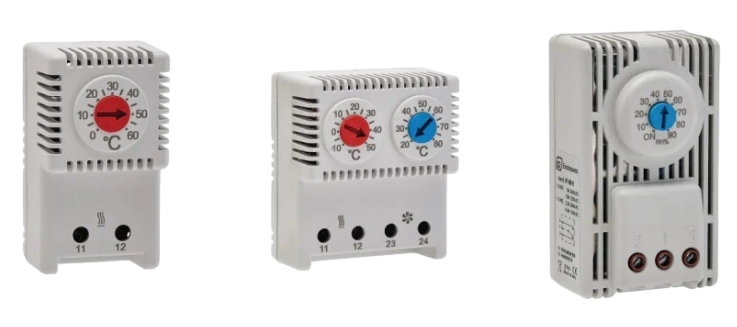
Proper climate regulation reduces electrical instability and protects sensitive switchgear assemblies during continuous industrial operation cycles.
- Circuit breakers may experience insulation breakdown under condensation exposure
- Copper busbars can develop oxidation and localized overheating problems
- Relay contacts often suffer corrosion after long humidity exposure periods
- Current transformers may lose measurement accuracy under unstable climates
- Cable terminations face higher partial discharge risks during wet conditions
Comparing Controlled and Uncontrolled Switchgear Conditions
| Operating Factor | Controlled Environment | Uncontrolled Environment |
|---|---|---|
| Condensation Formation | Minimal occurrence | Frequent occurrence |
| Insulation Resistance | Stable performance | Gradual reduction |
| Corrosion Rate | Slow surface oxidation | Rapid corrosion development |
| Maintenance Frequency | Lower inspection demand | Higher inspection demand |
| Operational Reliability | Consistent stability | Frequent interruption risks |
Controlled environmental conditions improve switchgear reliability over extended operational periods. Stable humidity levels reduce corrosion across conductive metal surfaces effectively. Consistent thermal management also protects polymer insulation from accelerated aging damage. Facilities operating without environmental regulation normally experience higher maintenance expenses. Electrical failures often create unplanned production interruptions and equipment replacement costs. Industrial downtime significantly affects manufacturing efficiency and operational profitability. Utility operators frequently prioritize environmental monitoring for critical electrical infrastructure. Reliable switchgear performance also supports worker safety within industrial production facilities. Environmental regulation remains especially important for outdoor substations and coastal installations. Proper cabinet climate management reduces unexpected electrical discharge incidents and extends operational service life for sensitive electrical equipment.
Installation Standards and Controller Selection Factors
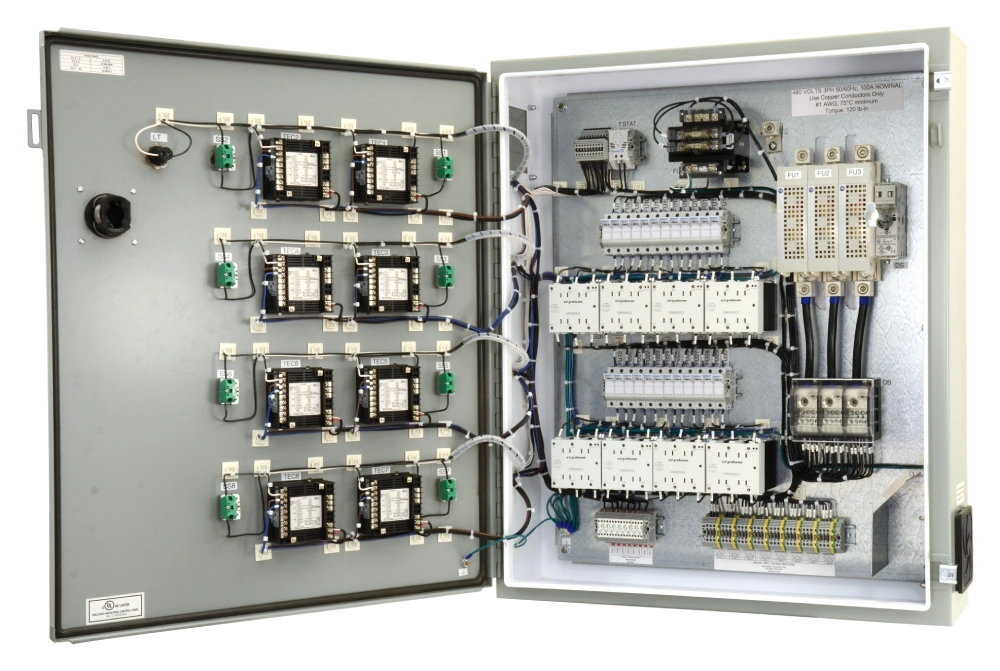
Industrial engineers evaluate several technical factors before selecting environmental control equipment. Cabinet dimensions strongly influence heater capacity and airflow requirements. Sensor accuracy directly affects environmental response performance inside enclosed compartments. Fast-response monitoring systems improve protection during sudden climate changes. IP-rated enclosures resist water ingress and airborne contamination effectively. Many industrial installations use IP54 or IP65 protective enclosure standards. Voltage compatibility remains important during controller integration with switchgear assemblies. Industrial facilities frequently operate with 24VDC, 110VAC, or 220VAC control systems. Environmental controllers should coordinate correctly with cabinet heaters and ventilation fans. DIN rail mounting simplifies installation inside compact electrical cabinets. Reliable sensor calibration improves long-term environmental monitoring accuracy significantly. Industrial operators also evaluate durability, thermal endurance, and maintenance accessibility before selecting environmental regulation equipment for large-scale power distribution systems.
Operational Performance Under Different Climate Conditions
| Environment Type | Typical Humidity Level | Main Operational Risk | Recommended Protection |
|---|---|---|---|
| Coastal Substation | 75%–95% | Salt corrosion | Anti-condensation heater |
| Mining Facility | 60%–90% | Dust contamination | Filtered ventilation |
| Indoor Factory | 40%–70% | Thermal buildup | Ventilation fan system |
| Outdoor Utility Yard | 50%–100% | Rapid condensation | Integrated climate controller |
Environmental conditions vary significantly across industrial operating locations worldwide. Coastal substations normally experience severe corrosion pressure from salt-contaminated air masses. Mining facilities combine airborne dust exposure with unstable thermal operating conditions. Indoor industrial systems generally maintain more stable environmental performance throughout operational cycles. Outdoor utility installations encounter rapid weather changes and moisture accumulation risks. Climate stabilization equipment helps maintain consistent insulation resistance during environmental fluctuations. Industrial engineers often analyze seasonal weather data before selecting cabinet protection systems. Accurate environmental planning improves equipment reliability during demanding operating conditions. Effective environmental regulation also reduces inspection frequency and emergency maintenance requirements. Long-term operational stability depends heavily on maintaining controlled cabinet conditions within safe industrial operating thresholds for electrical infrastructure systems.
Maintenance Planning for Climate Control Equipment
Routine maintenance supports reliable environmental regulation inside industrial switchgear installations. Technicians normally inspect humidity sensors during scheduled preventive maintenance programs. Dust accumulation reduces airflow efficiency across cooling and ventilation assemblies. Heater terminals also require regular inspection for loose electrical connections. Calibration checks improve sensor accuracy during long operational periods. Industrial operators frequently replace damaged cabinet seals to reduce moisture ingress. Cleaning procedures help maintain stable thermal transfer performance inside electrical enclosures. Maintenance teams usually document environmental performance data after inspection activities. Historical operating data helps identify recurring environmental instability trends quickly. Effective preventive maintenance reduces unexpected switchgear failure risks significantly. Industrial facilities often integrate environmental monitoring systems with centralized maintenance platforms. Proper maintenance scheduling improves controller lifespan and strengthens operational reliability within demanding industrial power distribution environments.
- Inspect humidity sensors every six months
- Clean ventilation filters during routine maintenance schedules
- Verify heater operation before seasonal temperature changes
- Tighten electrical terminals during inspection procedures
- Replace damaged enclosure seals immediately after detection
Energy Consumption and Operational Efficiency Considerations
Industrial operators often balance environmental protection with energy efficiency objectives carefully. Cabinet heaters consume electricity continuously during cold environmental conditions. Ventilation systems also increase operational power demand during heavy thermal loading periods. Smart environmental controllers reduce unnecessary heater activation cycles effectively. Automated sensor systems improve operational efficiency through accurate environmental monitoring. Variable-speed ventilation fans lower energy consumption during moderate thermal conditions. Modern controllers frequently include programmable operating thresholds for optimized performance. Efficient thermal management also reduces stress on insulation materials and electrical conductors. Lower operating temperatures improve overall electrical efficiency across switchgear assemblies. Industrial facilities increasingly implement intelligent monitoring systems within digital power infrastructure networks. Advanced environmental regulation technology improves long-term operational stability while limiting unnecessary electrical energy consumption across industrial switchgear installations and substations.
Temperature and Humidity Controller for Long-Term Asset Protection
Temperature and Humidity Controller contributes directly to long-term switchgear asset protection strategies. Stable environmental conditions reduce insulation aging across electrical components significantly. Corrosion prevention also improves conductor reliability during continuous industrial operations. Reduced moisture exposure lowers the probability of partial discharge incidents effectively. Industrial facilities benefit from fewer emergency maintenance shutdowns and replacement expenses. Reliable switchgear performance supports continuous production and operational safety goals. Environmental monitoring systems also improve predictive maintenance planning accuracy substantially. Electrical utilities frequently prioritize climate regulation within critical power infrastructure projects. Long operational service life remains essential for industrial cost management objectives. Controlled environmental conditions improve overall reliability across medium-voltage and low-voltage switchgear systems. Effective climate regulation protects valuable electrical infrastructure investments while supporting safe and efficient industrial power distribution performance for demanding operating environments worldwide.
Conclusion
Switchgear reliability depends heavily on stable environmental operating conditions. Moisture accumulation creates insulation degradation, corrosion, and electrical discharge risks. Excessive heat also increases thermal stress across conductors and insulation structures. Industrial facilities operating in coastal, tropical, or outdoor environments face stronger environmental pressure daily. Environmental regulation equipment helps maintain stable cabinet conditions during demanding operational cycles. Reliable thermal and humidity management reduces maintenance frequency and unexpected downtime risks. Industrial operators frequently integrate intelligent monitoring systems within modern electrical infrastructure projects. Proper climate stabilization improves operational safety, electrical efficiency, and long-term equipment durability. Consistent environmental protection remains essential for reliable switchgear performance across industrial power distribution systems worldwide.