What Affects High-Voltage Electromagnetic Lock Performance?
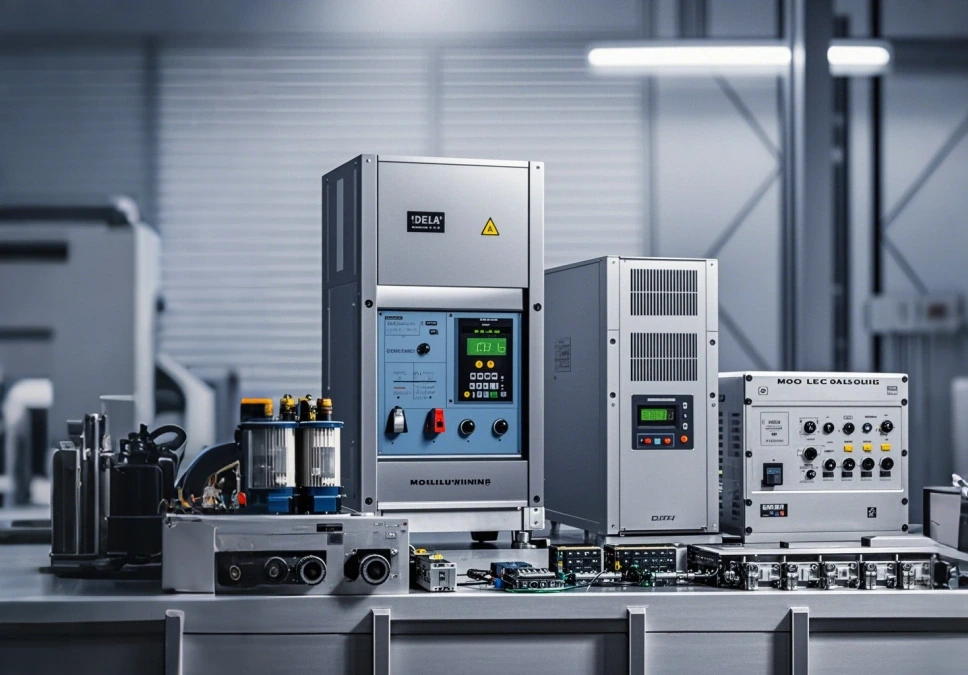
High-voltage electromagnetic lock performance relies on quality materials, stable power, precise installation, and maintenance for safety.
How Does Electromagnetic Structure Influence High-Voltage Electromagnetic Lock Performance?
High-Voltage Electromagnetic Lock performance depends greatly on electromagnetic structure design, because every internal component affects locking force and operational stability. The core, coil, armature, and mechanical connection parts work together to create reliable locking functions. A magnetic core with high permeability improves magnetic field concentration and increases attraction efficiency. Copper coils with suitable winding density reduce resistance and support stable current flow. Meanwhile, precise armature movement ensures smooth engagement without excessive friction. Engineers usually optimize the magnetic circuit to reduce energy loss and improve response speed. Proper structural design also prevents overheating during long operation periods. These factors allow electromagnetic locking systems to maintain consistent performance in high-voltage switchgear applications where safety and accuracy remain critical requirements.
What Materials Determine Electromagnetic Lock Durability and Reliability?
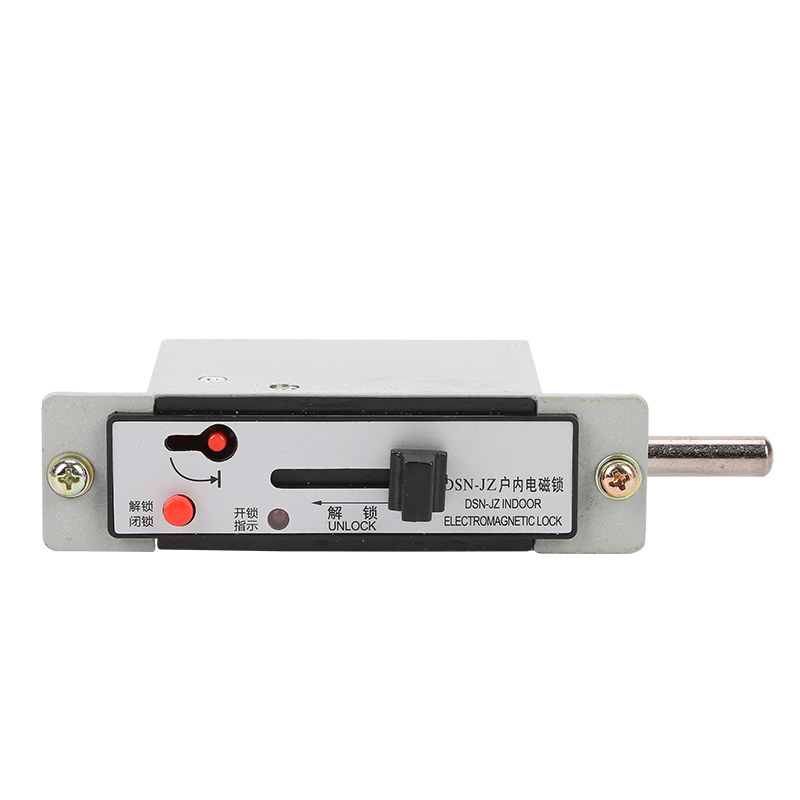
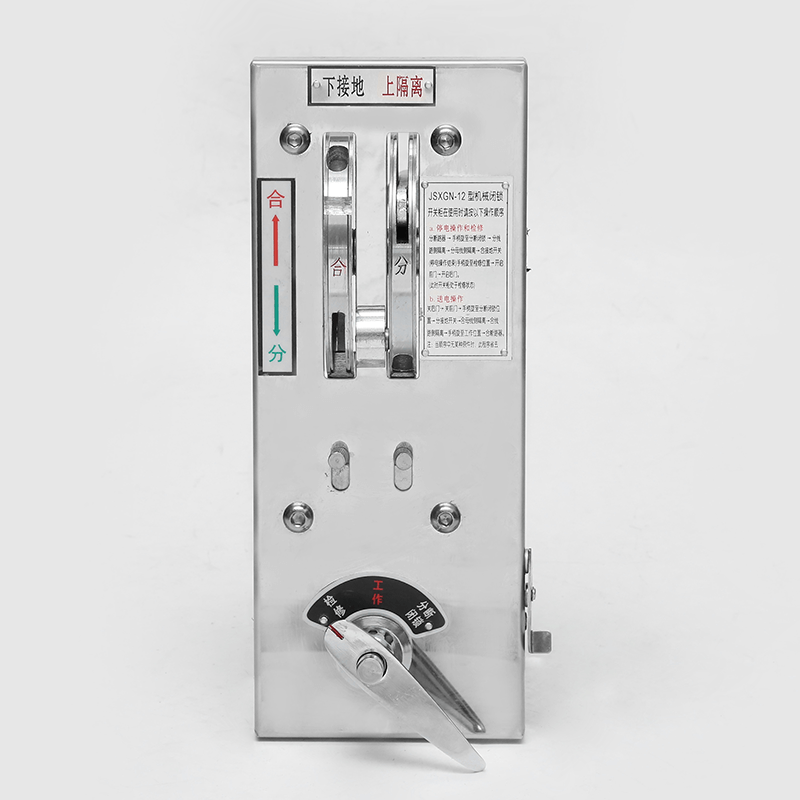
Material selection directly influences electromagnetic lock durability, resistance, and service life in industrial environments. The magnetic core requires materials with excellent magnetic conductivity because weak magnetic properties can reduce holding strength. High-quality copper wire inside the coil improves electrical efficiency and reduces heat generation during operation. External housing materials also protect internal components from dust, moisture, and mechanical impact. Stainless steel or corrosion-resistant alloys often provide better protection in demanding conditions. Surface treatment technology helps prevent oxidation and extends component lifespan. Manufacturers evaluate material performance through mechanical tests, electrical inspections, and environmental simulations. A suitable material combination allows electromagnetic locking equipment to operate reliably under continuous usage. Therefore, material quality becomes a fundamental factor when selecting equipment for switchgear safety systems.
| Performance Factor | Key Component | Impact on Operation |
|---|---|---|
| Magnetic Efficiency | Magnetic Core | Determines attraction force and locking stability |
| Electrical Performance | Copper Coil | Affects current efficiency and heat control |
| Mechanical Protection | Housing Material | Improves durability and environmental resistance |
| Environmental Adaptability | Surface Treatment | Reduces corrosion and extends service life |
How Do Power Conditions Affect High-Voltage Electromagnetic Lock Stability?
Stable power supply plays an important role in maintaining High-Voltage Electromagnetic Lock reliability during operation. Voltage fluctuations can directly influence electromagnetic force because the coil depends on consistent electrical input. Insufficient voltage may reduce attraction strength and create incomplete locking conditions. Excessive voltage can increase coil temperature and accelerate insulation aging. Control systems should provide suitable voltage protection to prevent abnormal operation. Engineers also consider current capacity, electrical noise, and power conversion quality when designing switchgear solutions. A stable electrical environment allows the electromagnetic mechanism to respond accurately during opening and closing operations. Reliable power management reduces unnecessary failures and improves overall equipment safety. For high-voltage applications, electrical stability remains one of the most important factors affecting long-term performance.
How Does Control Design Improve Electromagnetic Lock Safety?
Control design determines how effectively electromagnetic locks interact with switchgear protection systems. Modern locking solutions require accurate signals between electrical components and mechanical structures. A well-designed control system prevents incorrect operations by verifying equipment status before allowing movement. Signal transmission quality, relay performance, and control logic all influence operational accuracy. Active control methods can provide real-time responses based on switching conditions. They help operators maintain safer procedures during maintenance and inspection activities. Proper control design also reduces unnecessary electromagnetic activation, which can lower energy consumption and component stress. Engineers focus on balancing response speed, safety requirements, and system compatibility. When control technology matches equipment requirements, electromagnetic locking systems provide stronger protection for high-voltage applications.
What Makes DSN-JK Active Electromagnetic Lock for Switchgear Reliable?
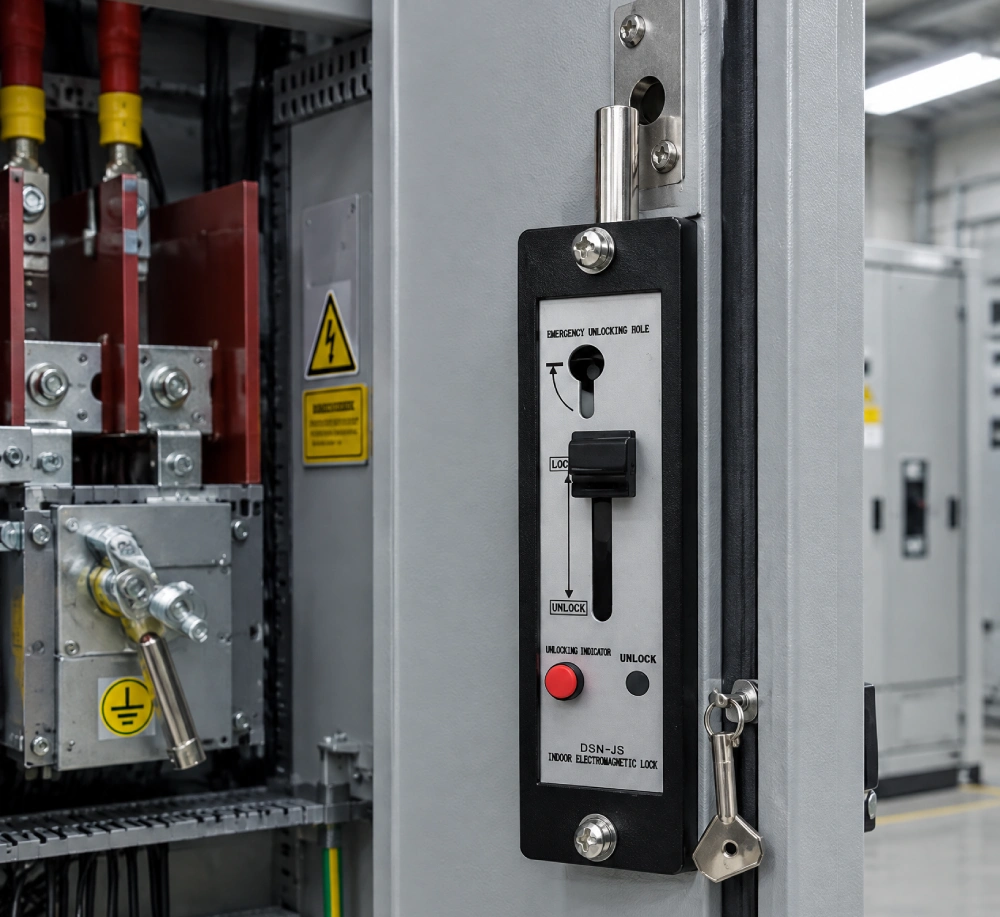
DSN-JK Active Electromagnetic Lock for Switchgear provides reliable protection through active control technology and accurate electrical management. Active electromagnetic locks use external control signals to manage locking and unlocking operations according to system conditions. This design allows operators to achieve precise control during switchgear operation and maintenance procedures. The locking mechanism integrates electromagnetic components with control circuits to improve safety coordination. A stable magnetic force helps prevent unauthorized mechanical movement and reduces operational risks. The product design focuses on response accuracy, electrical compatibility, and long-term reliability in industrial environments. Proper integration with switchgear systems allows active electromagnetic solutions to support safer workflows. Engineers evaluate factors such as coil performance, signal accuracy, and installation matching to ensure consistent operation under different working conditions.
How Do Installation Factors Impact Electromagnetic Lock Accuracy?
Installation quality has a direct influence on electromagnetic lock accuracy because mechanical alignment affects magnetic contact efficiency. Incorrect positioning between the magnetic core and armature may reduce attraction force and create unstable locking conditions. Electrical wiring errors can also interrupt signal transmission and affect normal operation. Installers need to check mounting surfaces, connection points, and mechanical clearances before completing installation. Proper fixation prevents vibration from changing component positions during long-term service. Environmental factors around the installation area should also receive attention because excessive dust or moisture may affect internal parts. Professional installation procedures improve equipment reliability and reduce future maintenance requirements. A precise installation process allows electromagnetic locking systems to achieve designed performance while supporting safe operation in high-voltage switchgear environments.
How Does DSN-WY-JK Passive Electromagnetic Lock for Switchgear Support Protection?
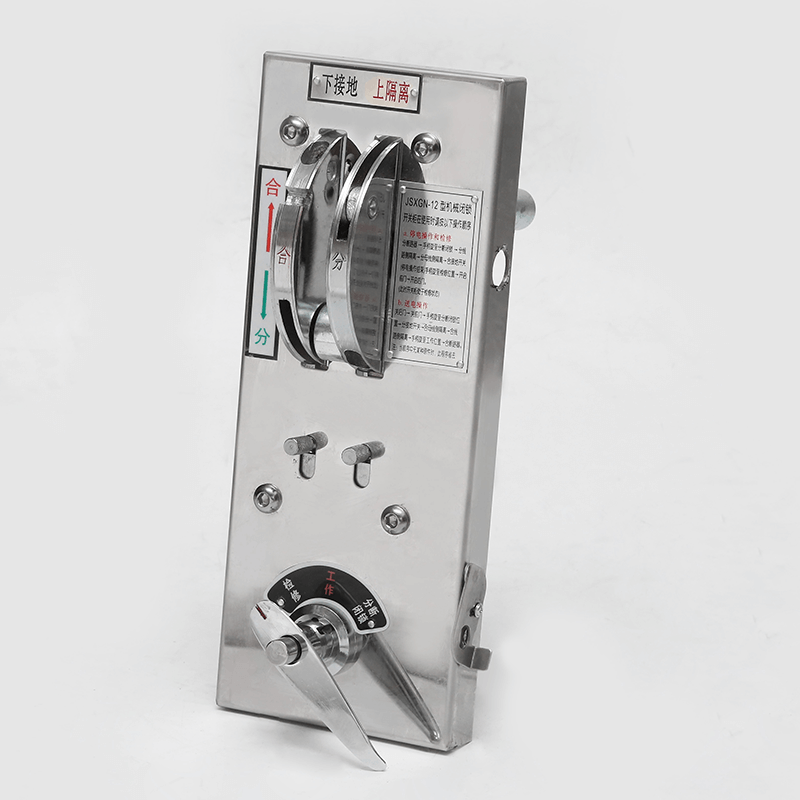
DSN-WY-JK Passive Electromagnetic Lock for Switchgear supports safety protection through a passive electromagnetic design that reduces dependence on continuous power supply. Passive locking structures can maintain protection functions through specific mechanical and electrical configurations. This approach helps improve reliability in applications where stable safety conditions are required. The design focuses on preventing incorrect switching actions and supporting reliable interlocking functions. Compared with active systems, passive solutions can provide different advantages for specific switchgear environments. Engineers consider operating conditions, maintenance requirements, and safety standards before selecting suitable locking methods. The product structure requires accurate manufacturing because mechanical precision directly affects protection performance. Proper application of passive electromagnetic technology helps users improve equipment safety while reducing unnecessary operational risks in electrical distribution systems.
How Do Environmental Conditions Change Electromagnetic Lock Service Life?
Environmental conditions strongly influence electromagnetic lock service life because industrial equipment often operates under complex conditions. Temperature changes can affect coil resistance and magnetic performance during continuous operation. High humidity may increase corrosion risks on metal components and electrical connections. Dust accumulation can interfere with mechanical movement and reduce locking accuracy. Electromagnetic interference from nearby equipment may also influence control signal stability. Manufacturers usually consider protection levels, sealing structures, and material treatments to improve environmental adaptability. Regular inspection helps identify early signs of corrosion, overheating, or mechanical wear. A suitable installation environment combined with proper protection measures can extend equipment lifespan. Reliable environmental resistance ensures that electromagnetic locking systems continue providing stable safety functions in demanding switchgear applications.
What Maintenance Methods Help Maintain Electromagnetic Lock Performance?
Regular maintenance helps preserve High-Voltage Electromagnetic Lock performance by identifying potential problems before they affect operation. Maintenance teams should inspect coil conditions, electrical connections, magnetic surfaces, and mechanical movement regularly. Checking insulation quality helps prevent electrical failures caused by aging components. Cleaning contact surfaces removes dust and oxidation that may reduce locking efficiency. Technicians should also verify operating voltage and measure electromagnetic force during scheduled inspections. A detailed maintenance record allows users to track performance changes over time. Recommended maintenance procedures include:
- Checking coil resistance and insulation conditions.
- Inspecting mechanical alignment between locking components.
- Testing electrical signals and control responses.
- Cleaning internal and external surfaces.
- Reviewing installation stability after long-term operation.
These maintenance activities provide valuable information about equipment health and help prevent unexpected failures. Consistent inspection practices improve reliability and support safer switchgear operation.
Why Proper Maintenance Planning Improves Long-Term Reliability?
Maintenance planning creates a systematic approach for protecting electromagnetic locking equipment throughout its service period. A clear schedule allows operators to monitor component conditions and identify performance changes early. Preventive maintenance reduces the possibility of sudden failures caused by electrical stress, mechanical wear, or environmental damage. Companies often combine routine inspections with technical testing to maintain accurate performance records. Engineers can adjust maintenance frequency based on operating environment, switching frequency, and equipment importance. Proper spare component management also improves response efficiency when replacement becomes necessary. Long-term reliability depends not only on product quality but also on continuous management practices. Effective maintenance strategies help users achieve safer operation and maximize the value of electromagnetic protection systems.
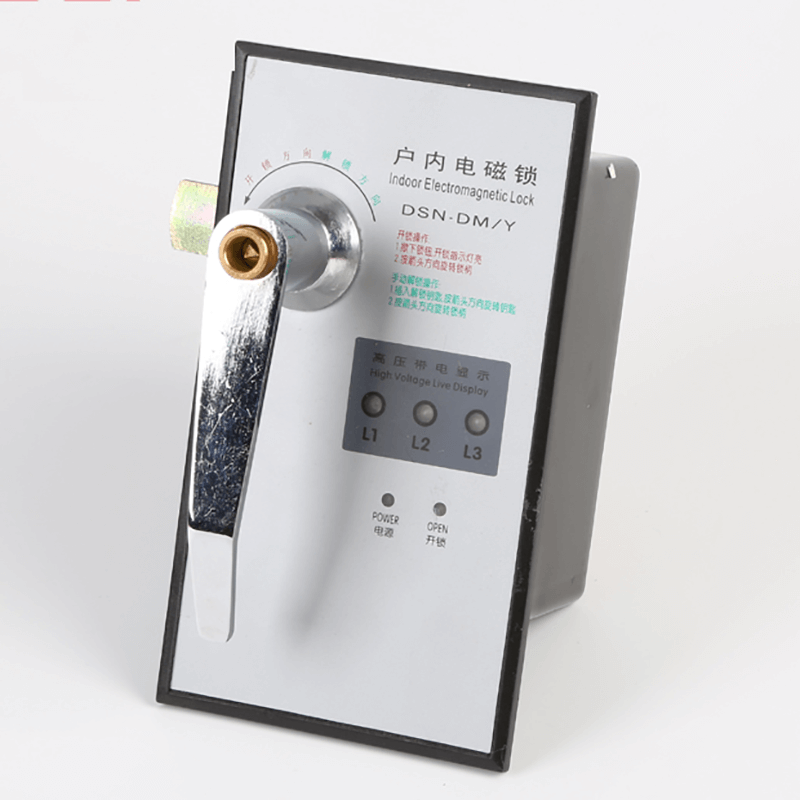
Choosing The Right Partner For Switchgear Lock Applications
Industrial buyers should consider multiple factors before selecting a supplier for switchgear locking solutions. Product quality, engineering capability, customization service, and production management all influence final decisions. Low prices may appear attractive, but unstable quality can increase maintenance costs and project risks. A reliable manufacturer focuses on balanced value through consistent performance and professional support. Companies should review supplier experience with similar applications and evaluate their ability to manage special requirements. Strong cooperation depends on transparent communication and continuous improvement. When suppliers provide dependable products and technical assistance, customers can achieve better project efficiency. Careful evaluation helps companies build stable supply relationships and maintain reliable electrical system performance.