What Are The Benefits Of A Temperature Control PID Controller?
Deploy a temperature control pid controller to maintain exact heat levels, reduce energy waste, and secure high product consistency.
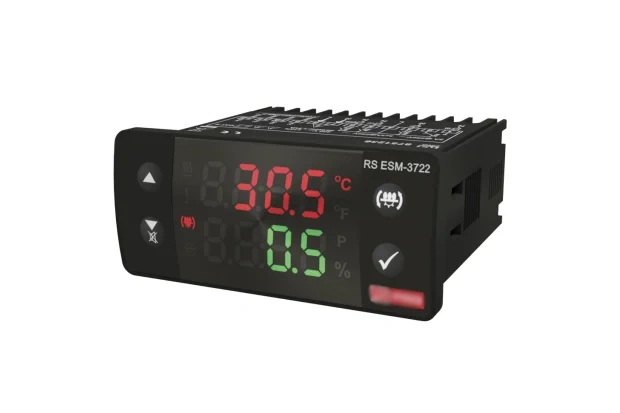
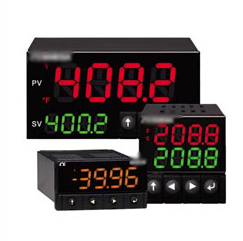
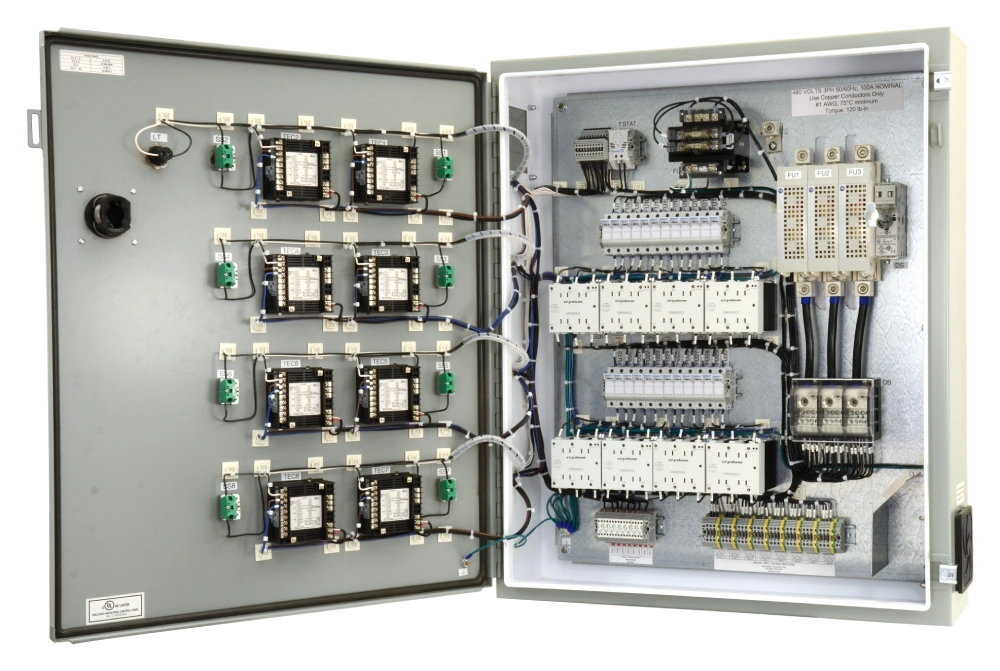
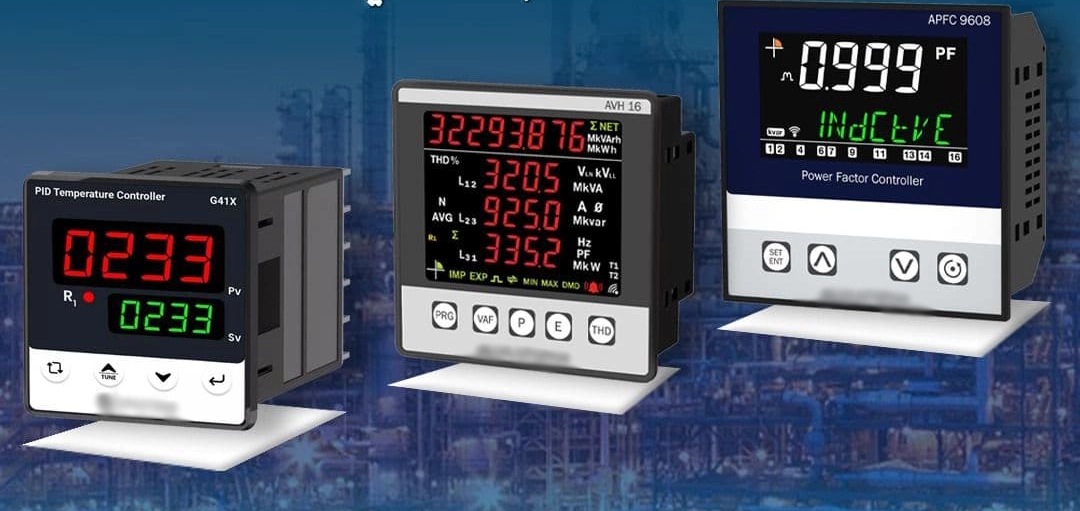
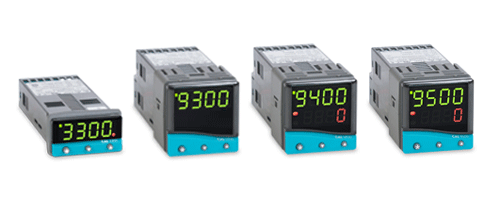
Modern industrial plants require stable thermal environments to manufacture high-quality goods consistently. Fluctuations in heat can damage delicate raw materials and ruin expensive manufacturing equipment. To prevent these losses, factories deploy a temperature control pid controller to regulate heat levels. This device continuously measures the difference between target setpoints and actual process temperatures. It then applies corrective adjustments using proportional, integral, and derivative math calculations. Engineers rely on this closed-loop feedback mechanism to keep manufacturing processes running smoothly. Utilizing automated feedback reduces manual labor and decreases the likelihood of costly human errors. Consequently, plants achieve much higher productivity rates and enjoy lower operational overhead costs. Optimal heat management remains a vital component of successful manufacturing operations today.
Implementing a temperature control pid controller in modern industry
Precise thermal regulation depends heavily on three distinct mathematical actions operating together simultaneously. First, the proportional action calculates the current error between the measured value and the setpoint. This correction value changes in direct relation to the size of the thermal variance. Second, the integral action addresses accumulated past errors to eliminate persistent steady-state offsets. Without this step, minor deviations could linger indefinitely and affect the final output quality. Third, the derivative action predicts future temperature trends by analyzing the rate of change. Combining these actions allows the processor to make rapid adjustments to the power supply. Industrial systems run with extreme accuracy because these three parameters continuously balance each other. Thus, operators secure stable thermal conditions even during sudden external environmental shifts.
Eliminating dynamic thermal fluctuations with active feedback loops
Thermal overshoot poses a severe threat to highly sensitive electronics stored inside industrial enclosures. Excess heat can degrade delicate circuit boards and cause unexpected system shutdowns during operation. To combat this hazard, managers install the WK Digital Precision Temperature Controller for Cabinets. This specialized device regulates the internal climate and maintains a perfectly safe operating environment. Its responsive algorithm functions similarly to a high-end temperature control pid controller used on machinery. Rapid heat spikes trigger immediate cooling cycles before components experience any physical degradation. Preventing these spikes ensures continuous uptime for critical network servers and control modules. Reliable cabinet climate regulation protects hardware investments and prevents expensive emergency repair calls. Businesses save thousands of dollars annually by maintaining stable internal conditions for electronics.
Maximizing industrial system longevity with a PID temperature unit
Standard on-off regulation methods often create heavy thermal stress on high-voltage electrical machinery. For instance, sudden temperature swings can degrade coil insulation within heavy power distribution networks. Facility managers mitigate this risk by deploying a Temperature Controller for Dry type Transformer. This advanced unit monitors physical windings to prevent catastrophic failures under high electrical loads. Consistent thermal monitoring prolongs the active service life of expensive copper and aluminum parts. Additionally, reducing extreme temperature cycles decreases the physical expansion of fragile internal materials. Less physical wear means fewer maintenance checks and lower long-term capital replacement costs. Plants run more safely when key electrical components stay within their optimal heat ranges. Safe operations eventually lead to higher overall equipment effectiveness across the entire facility.
Selecting the ideal temperature control pid controller for harsh settings
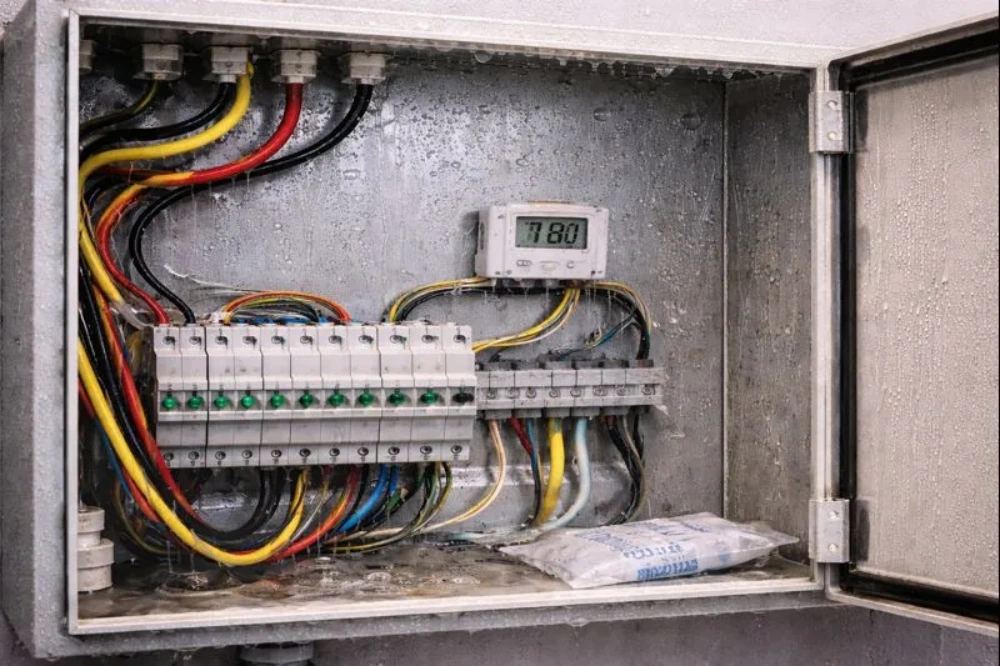
Industrial environments often subject delicate electronic parts to extreme humidity, vibration, and dust. Selecting a robust temperature control pid controller ensures reliable regulation despite these tough conditions. Buyers must inspect the outer housing material to ensure adequate protection against moisture ingress.Metal casings provide superior electromagnetic shielding in areas with heavy electrical noise interference.Furthermore, clear digital displays allow operators to read current thermal levels from a distance.
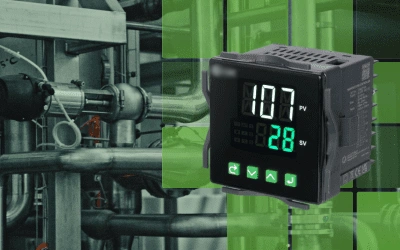
Modern units also feature tactile buttons that work well even when users wear thick gloves. These physical attributes guarantee that the hardware remains fully functional in dusty manufacturing bays. Investing in rugged components reduces the frequency of device failures and keeps production lines active.
| Control Type | Precision Level | Energy Waste | Component Wear |
|---|---|---|---|
| Traditional On/Off | Low | High | Severe |
| Proportional (P) | Medium | Medium | Moderate |
| Proportional-Integral (PI) | High | Low | Low |
| Proportional-Integral-Derivative (PID) | Excellent | Very Low | Minimal |
| Metric Name | Target Goal | Impact on Quality | Correction Method |
|---|---|---|---|
| Overshoot | Minimize | Prevents material burn | Increase Derivative Gain |
| Settling Time | Reduce | Accelerates production cycles | Adjust Proportional Gain |
| Steady-State Error | Eliminate | Maintains exact warmth | Increase Integral Gain |
- Auto-Tuning Algorithm: Automatically calculates P, I, and D parameters for fast deployment.
- Multi-Sensor Compatibility: Accepts inputs from PT100, Type J, and Type K thermocouples.
- Dual Control Outputs: Supports both heating and cooling loops simultaneously.
- Modbus RTU Communication: Integrates seamlessly with programmable logic controllers.
These technical specifications represent the essential hardware elements needed for advanced industrial automation projects. First, auto-tuning functions save valuable setup time by calculating control loops without manual trial-and-error. Operators activate this feature to let the unit analyze the system response automatically. Second, multi-sensor compatibility allows factories to connect various physical probes to a single model. This flexibility reduces the need to stock multiple types of spare hardware parts. Third, dual outputs enable precise control in applications requiring both heating and liquid cooling. Finally, Modbus communication allows supervisors to monitor thermal parameters remotely from a central room. Centralized monitoring enhances overall safety and provides immediate alerts if any unexpected temperature deviations occur.
Strategic calibration methods for peak performance
Achieving peak performance requires systematic calibration of your digital feedback loop after installation. Manual tuning methods, like the classic Ziegler-Nichols process, offer high precision for skilled technicians. This method involves finding the ultimate gain value where the system begins to oscillate continuously. Technicians then calculate the other tuning parameters using mathematically proven percentage ratios. Alternatively, software-driven auto-tuning options provide a fast, reliable starting point for standard setups. Automated routines test the system heat response and save the calculated values directly to memory. Regular recalibration is necessary to account for changing environmental conditions and component wear. Keeping the loop calibrated guarantees long-term energy efficiency and maintains superior output quality. Smart calibration practices prevent manufacturing downtime and always ensure consistent thermal regulation every day.
FAQ
How does derivative action prevent thermal overshoot?
The derivative action calculates the rate at which the process temperature changes over time. If the temperature rises too rapidly, the derivative function predicts a future overshoot. It immediately reduces the control output power to slow down the heating rate. This braking action dampens the approach to the target setpoint, preventing heat spikes. Consequently, sensitive products do not experience excess heat that could damage material structure. Systems reach stability much faster because the controller prevents wild, uncontrolled thermal swings. This predictive regulation is vital for maintaining high product quality in fast-moving production lines. Using derivative controls ensures that delicate processes remain within safe temperature limits always. Ultimately, operators achieve greater consistency across all finished batches of materials.
Why is sensor selection critical for accurate processing?
Temperature sensors provide the primary feedback that the control device uses to make calculations. Selecting an incorrect sensor type leads to delayed readings and poor system responsiveness. For instance, heavy-duty industrial RTD sensors offer high accuracy for steady thermal environments. In contrast, fine thermocouples react much faster to rapid heat changes in dynamic operations. If the sensor is slow, the controller receives outdated data and applies wrong corrections. This lag causes unstable oscillations and defeats the purpose of precise mathematical tuning. Therefore, engineers must match the sensor specifications to the specific thermal dynamics involved. Correct pairings guarantee that the feedback loop operates with maximum possible physical precision. Reliable data inputs form the foundation of any successful automated climate control layout.
Can these advanced systems operate without manual tuning?
Modern digital regulators feature automated calibration modes that handle initial parameter setups very easily. These programs run a series of heat tests to evaluate thermal lag and capacity. Then, the device automatically programs the ideal proportional, integral, and derivative gain levels. This automated procedure works exceptionally well for standard industrial ovens and heating jackets. However, complex processes with severe external disturbances might still require minor manual adjustments afterward. Technicians can fine-tune the automated settings to achieve absolute perfection for specialized operations. Combining automatic setup with professional manual oversight delivers the best operational results possible. Overall, automated tuning significantly reduces commissioning times for busy engineering teams everywhere. Facilities always deploy these smart features to simplify maintenance schedules and reduce training requirements.