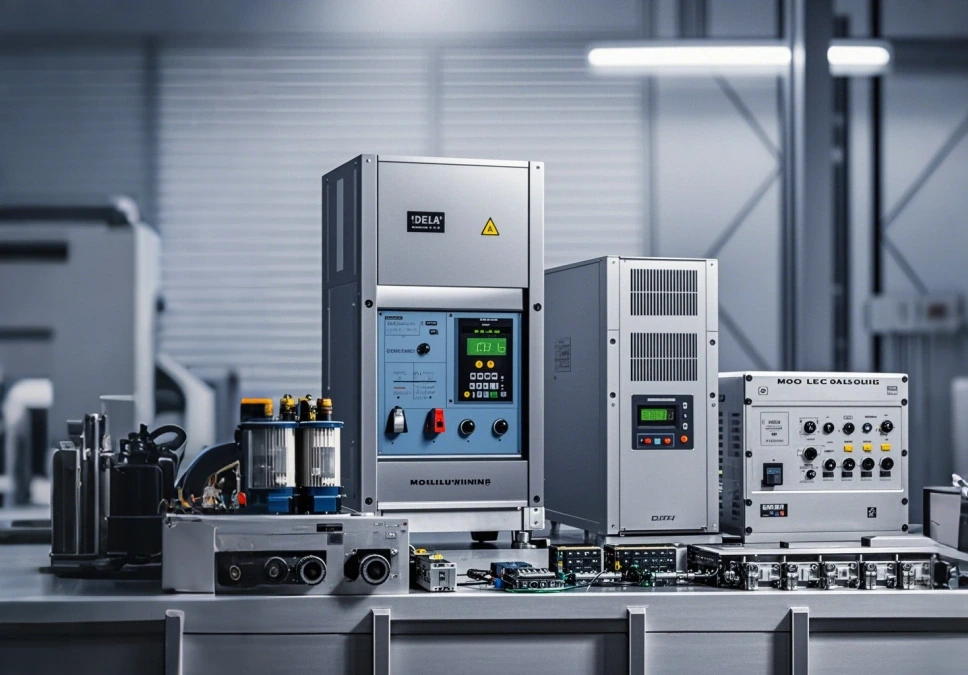
What Features Matter In Industrial Temperature Controller?
Optimize factory thermal regulation with a rugged industrial temperature controller designed for stable, high-precision climate control.
Core Elements of Thermal Process Control
Modern manufacturing facilities require highly accurate climate management systems to maintain continuous product quality. Extreme heat variations ruin sensitive chemical compounds and warp heavy machinery parts. Utilizing a robust industrial temperature controller prevents these dangerous deviations from occurring. Engineers rely on these active devices to stabilize heat levels within closed environments. They constantly monitor atmospheric shifts and activate cooling mechanisms automatically. This real-time response reduces energy waste significantly while preventing costly equipment downtime. Plant managers achieve consistent yields by integrating advanced thermal regulators into their production lines. Consistent thermal management remains the foundational element of modern automated factory workflows. Reliable regulators protect workers by stopping thermal runaways before components melt. High-precision hardware guarantees that processing systems work inside safe operational limits day and night.
Evaluating Basic Thermal Regulatory Hardware
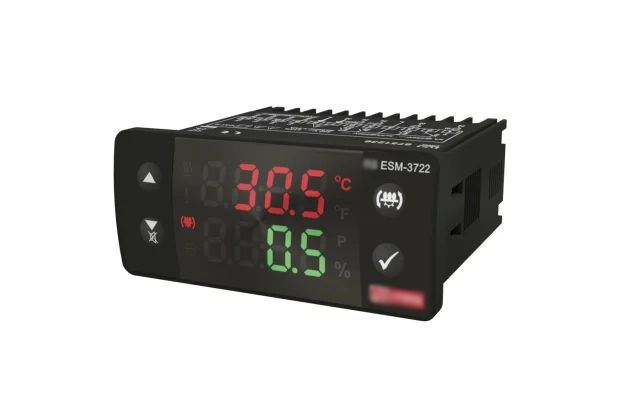
Simple operations often demand straightforward devices that operate without complex software setup routines. Standard electrical enclosures require small yet dependable components to handle basic heating cycles. Facility engineers frequently install the WK Fixed Temperature Controller for Cabinets in standard control panels. This specific hardware delivers exceptional reliability when maintaining pre-set limits in standard dry locations. It operates via mechanical contacts to toggle fans whenever internal heat crosses critical safety margins.
Users avoid complex software programming because the factory pre-sets the exact operational threshold. The metal housing withstands heavy vibration from nearby compressors and factory presses.Implementing this simple mechanism keeps sensitive relays safe from excessive heat buildup without adding operating costs. Compact units like this maintain system integrity inside simple electrical setups across many plants.
Optimizing Control with an Industrial Temperature Controller
Modern thermal systems achieve outstanding precision by utilizing advanced loop processing microprocessors. Standard on-off systems cause broad thermal swings that can damage fragile chemical mixtures. Advanced processing units utilize proportional calculations to minimize these destructive waves of heat. Clever algorithms predict thermal momentum by measuring the speed of incoming temperature changes. The processor then adjusts the power output smoothly before the system exceeds target settings. Operators monitor these adjustments via clear digital readouts on the front interface screen. This active regulation keeps critical operations running close to ideal parameters without human intervention. Utilizing proportional calculations ensures that delicate materials receive uniform heating during critical assembly steps. Smart processors react to sudden ambient cooling by raising output energy levels immediately.
| Sensor Type | Temperature Range | Accuracy Level | Typical Use Case |
|---|---|---|---|
| Thermocouple Type K | -200°C to 1250°C | Moderate (±2.2°C) | High-heat metal furnaces |
| RTD Pt100 | -200°C to 850°C | High (±0.15°C) | Pharmaceutical reactors |
| Thermistor | -40°C to 150°C | Very High (±0.1°C) | Medical cooling baths |
Analyzing Thermal Sensor Input Dynamics
Selecting the correct input element determines the structural efficiency of your heating equipment. Technicians must match the sensor properties with their specific liquid or gas properties. Thermocouples offer immense range but lack the pinpoint accuracy of platinum RTD units. RTD probes utilize electrical resistance changes to deliver highly stable readings over long shifts. These stable readings prevent gradual temperature drift in delicate pharmaceutical mixing operations. Heavy industrial furnaces rely on thermocouples because ceramic jackets shield the delicate wire joints. Chemical plants install thermistors for fast reaction times within narrow thermal spans. Each unique configuration changes how the main processor calculates proportional energy adjustments. Matching these sensor variables prevents system failure and extends the life of internal components.
| Output Type | Switching Speed | Lifespan (Cycles) | Optimal Load Type |
|---|---|---|---|
| Mechanical Relay | Slow (10 to 20 seconds) | 100,000 cycles | Heavy solenoid valves |
| Solid State Relay (SSR) | Fast (milliseconds) | Infinite (no moving parts) | Electric heating elements |
| Analog Output (4-20mA) | Continuous modulation | Infinite (solid state) | Proportional control valves |
Selecting Your Ideal Industrial Temperature Controller Output
Selecting the optimal switching mechanism directly influences how well your production system performs. Mechanical relays offer affordable initial costs but suffer from physical wear over continuous production cycles. Heavy electrical arcs degrade contact surfaces every time the relay switches power on. Solid state switches eliminate moving parts to provide silent and incredibly rapid switching capability. This speed proves vital when working with quartz heaters that cool down in seconds. Continuous analog outputs provide unmatched control by varying the voltage signal to control valves smoothly. Managers select this analog option when steam pipes require gradual valve adjustments. Choosing the proper output style ensures that your hardware runs without unexpected service stops. Proper planning here saves substantial capital by avoiding premature heating element failures.
Essential Safety Features for Processing Lines
- Over-temperature limit shutoff to prevent thermal runaway.
- Sensor break detection with automatic output disable.
- Password protection to prevent unauthorized setting changes.
- Dual alarm relays for low and high temperature warnings.
Integrating Safety Systems in Processing Plants
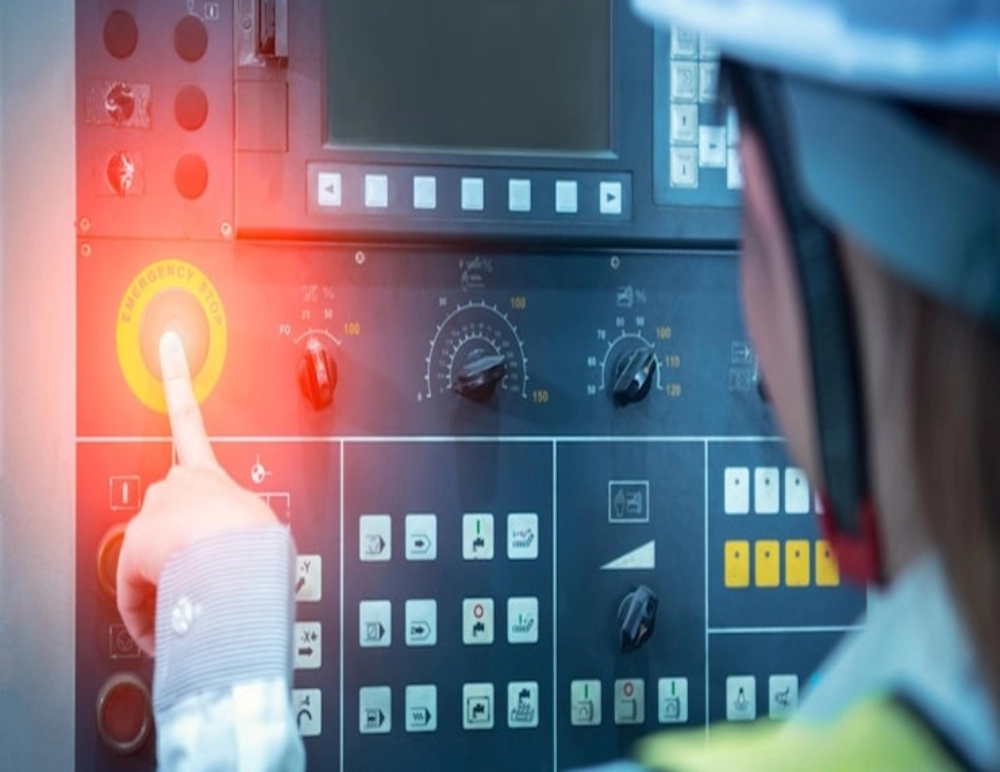
Maintaining safe operations requires layered protection mechanisms that work independently of primary control loops. Emergency stop circuits prevent catastrophic damage when contactors fuse in the closed position. Operators depend on auxiliary limit alarms to isolate raw power from dangerous heating units. Installing the WK Digital Precision Temperature Controller for Cabinets provides maximum security in confined workspaces. This advanced instrument combines high-speed calculations with dedicated hardware interlocks to guarantee continuous safety. Dual screen displays give workers immediate visual confirmation of current status and setpoints.
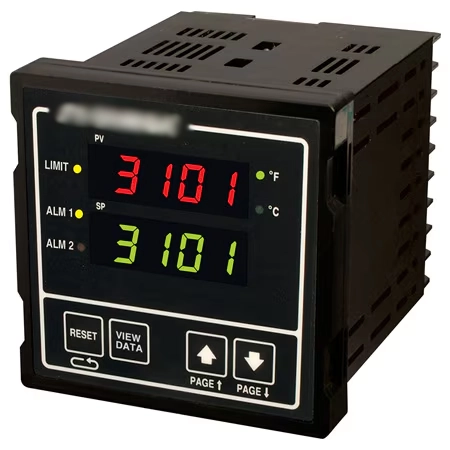
Audible alert systems notify off-site supervisors before environmental conditions threaten raw materials. Incorporating these redundant systems protects your facility against sudden electrical surges and user errors. Secure cabinets keep dust and water away from fragile internal microchips during daily washdowns.
Enhancing Productivity via Network Communication
Modern assembly yards link single machines into central monitoring rooms to streamline oversight. Integrating a sophisticated industrial temperature controller into your network allows remote tuning of complex processes. Control operators adjust parameters from a centralized screen without visiting the active factory floor. Modbus and Ethernet connections transmit sensor data in real time to logging databases. This constant data stream helps engineers predict when heating elements will require routine replacement. Programmers utilize this information to balance heating cycles across different parts of the facility. Smart scheduling saves considerable electricity by preventing simultaneous high-power startup spikes. Connected systems minimize labor costs because a single technician monitors multiple zones simultaneously. Security protocols prevent unauthorized network access to protect critical industrial configuration files from outside interference.
Hardware Resilience in Extreme Factory Settings
Factory air contains fine dust particles, oil mist, and corrosive chemical vapors. High-quality physical housing shields delicate internal circuitry against these harmful atmospheric elements. Heavy industrial settings demand an industrial temperature controller with a certified IP65 front panel. This sealed design prevents water spray from entering the chassis during routine sanitation shifts. Internal shock-absorbing mounts protect fragile quartz oscillators from constant low-frequency floor vibrations. Ceramic insulators isolate high-voltage power lines from sensitive low-voltage microprocessor inputs. Thermal heatsinks disperse internal warmth quickly to ensure optimal performance inside tightly packed electrical enclosures. Durable buttons survive repeated presses from workers wearing heavy protective leather gloves. Investing in rugged design elements prevents unexpected control loop shutoffs during peak manufacturing seasons.
FAQ
How Does Auto-Tuning Enhance Temperature Regulation?
Auto-tuning technology simplifies control loop setup by calculating ideal proportional, integral, and derivative values automatically. Traditional tuning requires manual mathematical formulas and extensive testing trials to achieve stability. An advanced industrial temperature controller measures thermal feedback after sending short heat pulses into the system. The integrated chip evaluates these thermal delay times to set perfect operation parameters. Utilizing auto-tune prevents severe thermal overshoot and keeps system settings highly stable during start-up cycles. Operators activate this function with a single keypress to ensure reliable performance on new production systems. This smart utility saves hours of complex manual calibration work for senior plant technicians.
Why Are Dual Display Screens Necessary on Factory Floors?
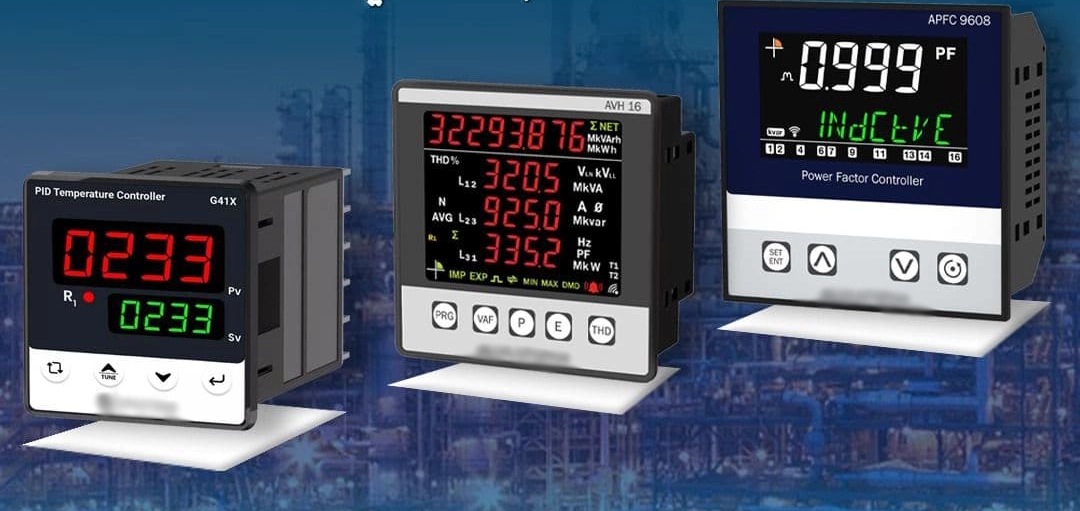
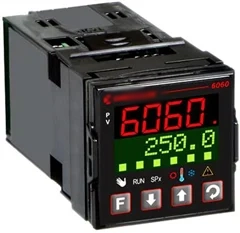
Dual screen displays provide critical real-time information to operators during fast-paced assembly tasks. The top screen displays the current process temperature in bright red digits. Green characters on the lower screen show the target temperature value. Having both values visible simultaneously allows workers to identify system errors instantly from across the room. Operators do not need to press buttons or scroll through menus to check settings. This constant visibility prevents manufacturing errors by ensuring target parameters remain active. Maintenance personnel rely on these dual displays to diagnose sensor wiring faults without using diagnostic instruments. Quick visual checks keep processes running smoothly and protect fragile machinery from sudden overheating hazards.
What Causes Thermal Overshoot in Heating Systems?
Thermal overshoot occurs when a heating system surpasses its target temperature before stabilizing. Poorly tuned control parameters represent the most common cause of this dangerous temperature spike. Standard heaters continue to radiate warmth even after the controller shuts off the electricity. Heavy heating elements contain thermal mass that releases energy slowly over several minutes. This residual heat pushes the system past the safe limits if the controller does not anticipate the delay. Solid state switches help reduce overshoot by cycling energy in small steps rather than massive blocks. Proper system tuning keeps delicate industrial components safe from these sudden thermal surges.