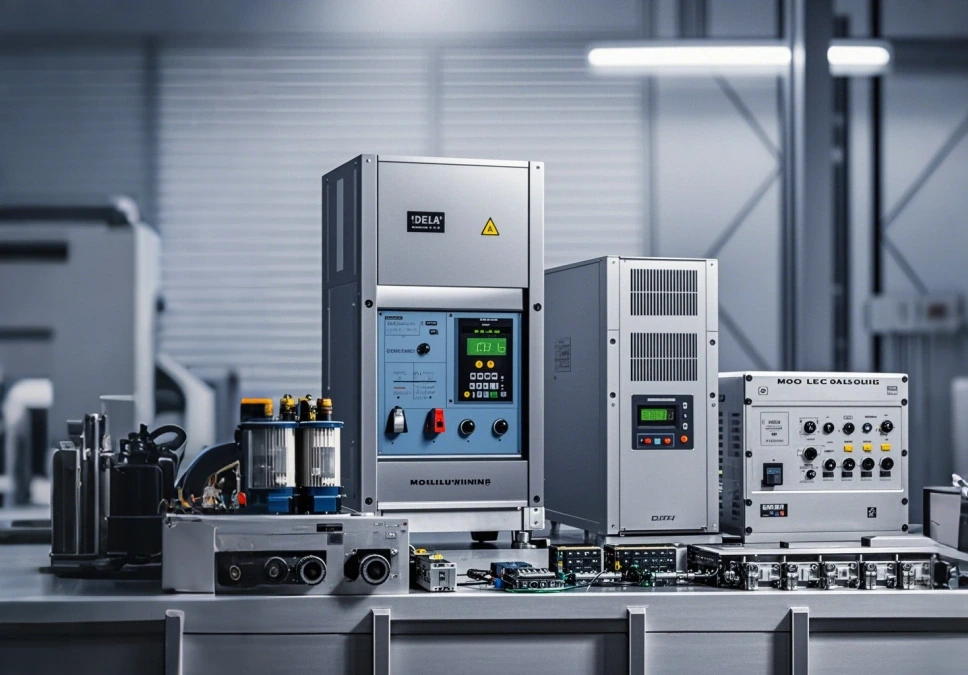
What Makes An Interlocking Electromagnet Factory Reliable?
Choose an Indoor Interlocking Electromagnet factory with quality control, custom solutions, precise testing, and stable switchgear use.
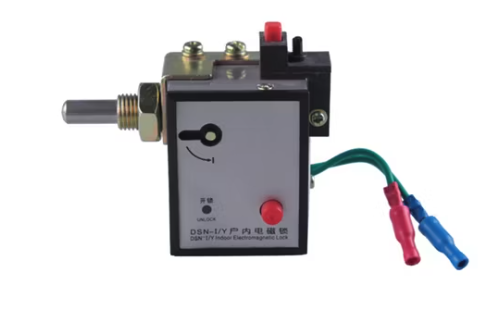
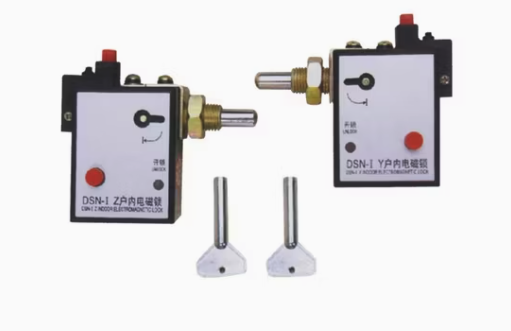
Electrical systems require accurate protection mechanisms to maintain safe operation. An Indoor Interlocking Electromagnet factory provides essential components for switchgear safety applications. These devices prevent incorrect switching actions and improve operational protection. Reliable electromagnetic locking systems support safer maintenance procedures and reduce equipment risks. Industrial buyers usually evaluate suppliers through engineering ability, manufacturing control, and testing capability. A professional manufacturer should provide stable products that match different electrical environments. Product consistency depends on material selection, production accuracy, and inspection procedures. Long-term cooperation also requires responsive communication and technical assistance. Therefore, selecting a capable supplier becomes a critical decision for switchgear manufacturers and electrical equipment companies.
How Engineering Capability Defines A Professional Electromagnet Manufacturer
Engineering capability determines whether electromagnetic products can achieve stable performance. Professional manufacturers need knowledge of both electrical principles and mechanical structures. Indoor interlocking electromagnets usually include electromagnetic coils, iron cores, moving armatures, springs, and protective housings. Each component affects magnetic force, response speed, and service durability. Engineers must calculate electrical parameters according to operating voltage and application conditions. They also optimize internal structures to reduce energy loss and improve movement accuracy. Advanced design methods help manufacturers create products suitable for different cabinet configurations. Technical teams should analyze installation requirements before production begins. Strong engineering experience allows suppliers to provide reliable solutions for complex industrial applications.
What Production Processes Should A Reliable Factory Control
Manufacturing quality depends on strict control throughout the entire production process. A professional factory starts with careful inspection of incoming materials. Copper wires, magnetic materials, insulation components, and metal parts require accurate evaluation before assembly. Coil winding processes must maintain proper tension and arrangement to ensure stable electromagnetic performance. Iron core processing requires precise dimensions because structural errors may affect magnetic efficiency. Assembly workers need to verify mechanical movement and component positioning. Final production stages include electrical testing and functional inspection. Standardized manufacturing procedures reduce production variation and improve product consistency. Effective process management allows suppliers to support large-volume orders while maintaining reliable performance.
Which Quality Standards Should An Indoor Interlocking Electromagnet factory Follow
Quality systems help manufacturers maintain stable product performance. An Indoor Interlocking Electromagnet factory should establish strict inspection methods for every production stage. ISO 9001 quality management principles help organize manufacturing procedures and improve process control. Electrical inspections verify insulation performance, operating voltage, and coil characteristics. Mechanical tests evaluate locking strength and operational durability. Production records allow factories to trace product information and improve future processes. Reliable suppliers also use testing equipment to identify potential defects before delivery. Buyers can evaluate factory capability through certification systems, inspection reports, and quality management practices. Strong quality control reduces application risks and improves confidence in long-term cooperation.
| Quality Inspection Item | Testing Method | Quality Purpose |
|---|---|---|
| Coil Resistance | Electrical Measurement | Verify stable electromagnetic operation |
| Insulation Performance | Voltage Withstand Testing | Improve electrical safety protection |
| Mechanical Movement | Cycle Operation Testing | Check durability during repeated use |
| Voltage Response | Functional Activation Test | Confirm reliable operating performance |
How Testing Data Improves Electromagnetic Product Reliability
Testing procedures provide measurable information about product performance. Manufacturers use different methods to verify electrical and mechanical characteristics. Coil resistance testing confirms whether electromagnetic circuits meet design specifications. Insulation tests evaluate protection capability under electrical stress conditions. Mechanical cycle testing simulates repeated operation during actual service periods. Temperature evaluations check whether components maintain stable performance in changing environments. These tests help factories discover possible problems before shipment. Buyers benefit from suppliers that provide clear quality information and inspection records. Accurate testing improves product reliability and supports continuous improvement. Professional manufacturers use data analysis to optimize structures, materials, and production methods for better industrial applications.
Key Performance Factors To Evaluate Electromagnet Product Quality
Electromagnetic locking products require balanced performance across multiple technical areas. Buyers should review important specifications before selecting a suitable supplier. Different switchgear systems may require different operating conditions and structural designs. The following table shows common evaluation factors for industrial applications.
| Performance Factor | Technical Description | Industrial Importance |
|---|---|---|
| Magnetic Force | Determines locking capability and holding strength | Ensures stable equipment operation |
| Response Speed | Measures activation and release efficiency | Supports quick switching procedures |
| Material Selection | Affects durability and environmental resistance | Extends product service life |
| Structural Accuracy | Controls installation compatibility | Improves cabinet integration |
How Customization Ability Improves Industrial Application Compatibility
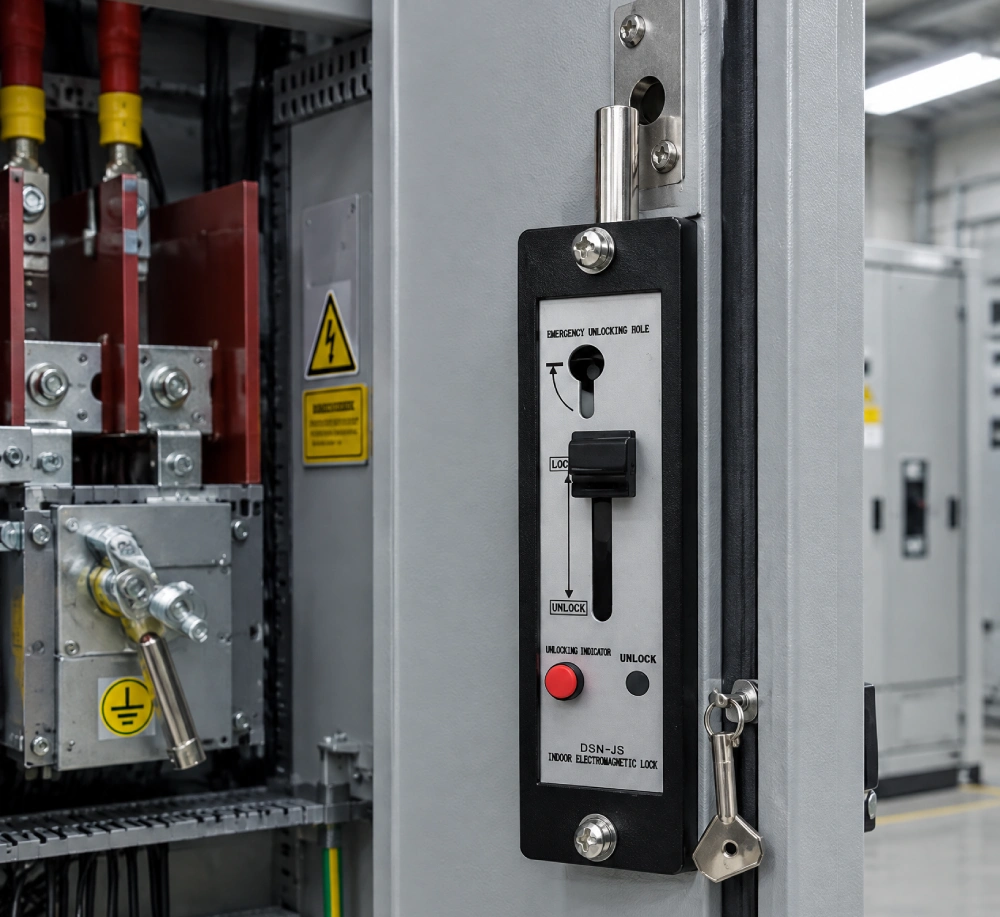
Customization capability helps suppliers meet different equipment requirements. Switchgear manufacturers often need specific dimensions, voltage options, and connection methods. A professional supplier can adjust product structures according to application conditions. Engineering teams may modify mounting designs, wiring arrangements, and housing solutions. These adjustments improve installation efficiency and reduce compatibility problems. DSN DM Indoor Electromagnetic Door Lock OEM/ODM provides customized development possibilities for projects requiring specific locking solutions. Effective communication between engineers and customers ensures better product results. Suppliers with strong customization ability can support various industries and application environments. Flexible manufacturing also helps customers manage different project requirements more efficiently.
Important Features To Check Before Choosing A Factory Supplier
Choosing a suitable supplier requires evaluating multiple production and service factors. Industrial buyers should focus on manufacturing experience, technical capability, and quality management systems. Important evaluation points include:
- Production experience with electromagnetic locking devices
- Complete inspection and testing procedures
- Flexible OEM and customization support
- Stable raw material management
- Professional technical communication
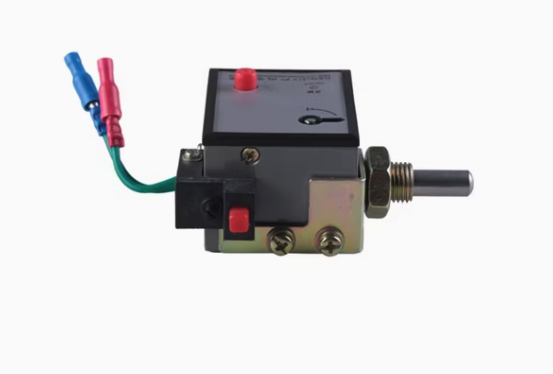
These factors help buyers identify reliable manufacturing partners. A capable supplier provides more than product delivery. Technical assistance, production transparency, and consistent quality are also important. Careful supplier evaluation reduces purchasing risks and supports stable cooperation. Factories with strong manufacturing systems can respond better to changing project requirements. Reliable cooperation creates advantages for electrical equipment manufacturers and system integrators.
Why Stable Supply Capability Matters For Industrial Buyers
Stable supply performance directly influences industrial production schedules.
Large equipment projects require consistent product availability and accurate delivery timing. A reliable manufacturer maintains organized production planning, inventory management, and supplier coordination to support continuous production. Raw material preparation affects manufacturing efficiency, while strict quality inspections help maintain stable shipment schedules. Companies often prefer suppliers with consistent manufacturing capacity and strong project support. An experienced Indoor Interlocking Electromagnet factory can provide dependable production resources for switchgear applications, including customized solutions such as DSN-JK Active Electromagnetic Lock for Switchgear OEM/ODM. Effective inventory control and manufacturing coordination reduce project delays and improve delivery efficiency. A professional supplier combines technical assistance, production stability, and responsive communication throughout long-term cooperation.
How Professional Manufacturing Supports Future Switchgear Applications
The electrical industry continues developing toward safer and more efficient equipment solutions. Electromagnetic locking products require compact structures, stronger durability, and improved operational accuracy. Manufacturers are improving magnetic circuits, materials, and production technologies to meet new requirements. A professional supplier focuses on product optimization through engineering improvements and application feedback. Indoor interlocking electromagnets must adapt to modern switchgear designs and stricter safety expectations. Continuous innovation helps manufacturers provide better solutions for future electrical systems. Strong technical capability allows suppliers to support different industries, including power distribution, industrial automation, and electrical control equipment. Reliable manufacturing creates long-term value for customers seeking stable and efficient components.
FAQ
What Applications Use Indoor Interlocking Electromagnets?
Indoor interlocking electromagnets are widely used in switchgear systems, electrical cabinets, and power distribution equipment. They help prevent incorrect mechanical operations during switching procedures. Medium-voltage switchgear commonly uses these devices to improve operator safety and equipment protection. Industrial facilities and electrical infrastructure projects require stable locking performance for reliable operation. These components coordinate mechanical movement with electrical control systems. Their compact design allows installation in different cabinet structures. Choosing a supplier with strong manufacturing capability helps ensure product compatibility and service durability. Reliable electromagnetic locking devices contribute to safer electrical environments and more efficient maintenance procedures.
How Can Buyers Evaluate An Electromagnet Factory?
Buyers can evaluate an electromagnet factory by reviewing manufacturing experience, quality systems, testing capability, and technical support. A professional supplier should provide detailed product specifications and demonstrate consistent production performance. Inspection procedures reveal whether the factory controls product quality effectively. Customization capability is also important because different applications may require specific designs. Communication efficiency helps customers solve technical questions during cooperation. Suppliers with complete manufacturing systems usually provide better delivery stability and product reliability. Careful evaluation allows buyers to select partners that meet project requirements and reduce risks related to performance, compatibility, and long-term operation.