What Problems Do Humidity And Temperature Controllers Solve?
Maintain optimal industrial environments with a humidity and temperature controller. Prevent equipment rust and secure product quality.
Preventing Industrial Equipment Degradation and Corrosion
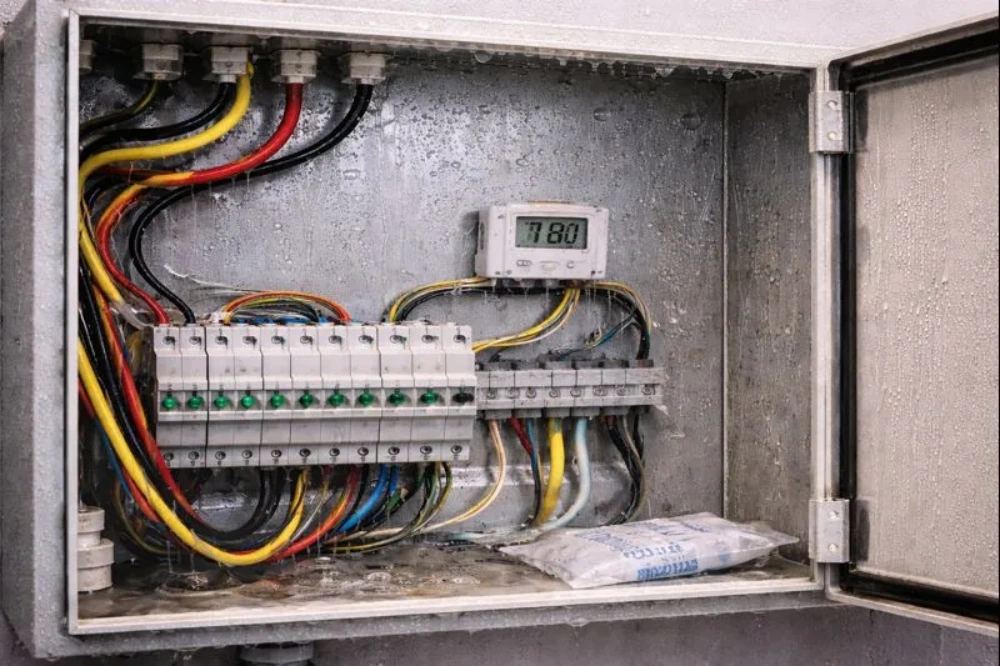
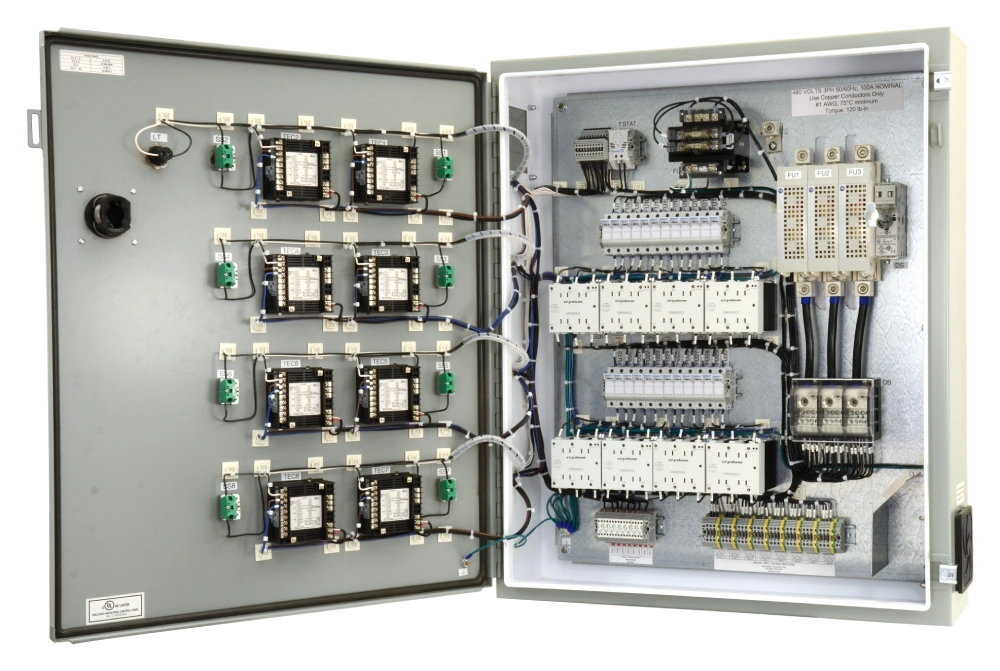
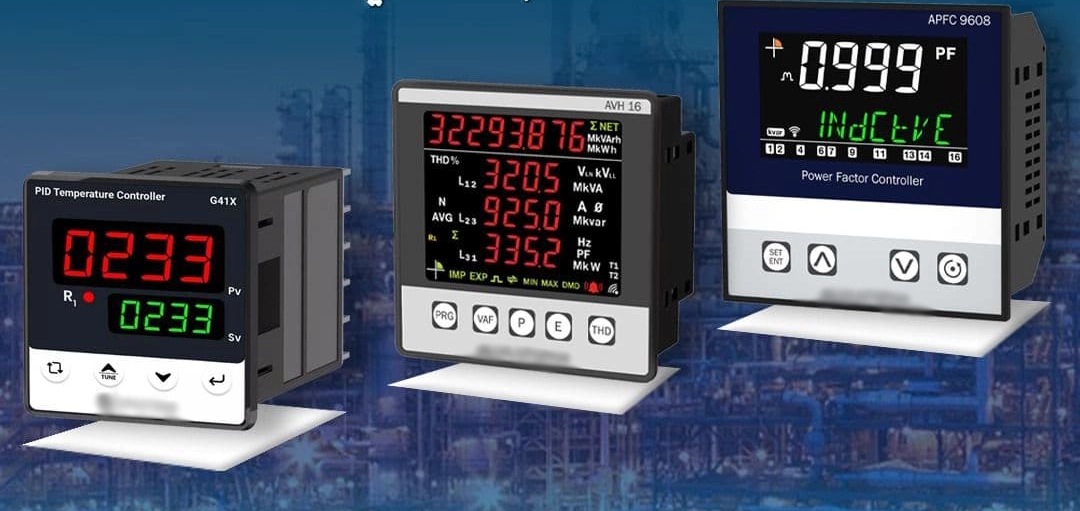
Industrial facilities face constant threats from moisture and extreme heat. High humidity causes rapid rust on heavy steel structures. Excessive thermal energy damages sensitive electronic circuits inside control panels. To prevent these costly failures, engineers install a precision humidity and temperature controller. This electronic device constantly monitors ambient conditions within modern factory floors. Advanced sensors detect subtle changes in moisture levels and thermal parameters. Then, the internal processor triggers exhaust fans or heating elements automatically. Such a proactive approach preserves expensive machinery and maintains manufacturing consistency. Operators achieve much better production yields when they regulate their microclimate accurately. Proper environmental management reduces unscheduled downtime and lowers high maintenance costs significantly. Furthermore, stable conditions prevent raw material waste during sensitive production runs.
Minimizing Product Spoilage in Cold Chain Logistics
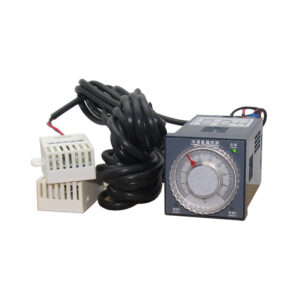
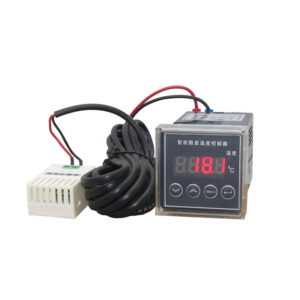
Perishable goods require strict climate regulation during long-distance transportation. Fluctuating conditions ruin pharmaceutical shipments and fresh agricultural products easily. Logistics managers utilize robust automation tools to maintain the required thermal storage zones. They prevent dangerous condensation by utilizing specialized ventilation systems in shipping containers. For localized container storage, engineers recommend the HK Temperature and Humidity Controller for Cabinets. This specific device regulates small enclosures to protect critical inventory from moisture damage. It utilizes high-precision capacitive sensors to track immediate atmospheric adjustments. Reliable alarms notify drivers if the internal conditions breach preset safety limits. As a result, companies experience minimal cargo loss during transcontinental shipping routes. Consistent cold chain integrity builds strong trust between manufacturers and final distributors. Implementing these automated tools also ensures compliance with national food safety standards.
Optimizing Server Reliability with a Humidity and Temperature Controller
Data centers generate immense heat while processing millions of digital transactions daily. Servers fail quickly if the ambient temperature exceeds safe operational boundaries. Conversely, low humidity levels generate static electricity, which destroys microchips instantly. To prevent these disasters, facility managers rely on a humidity and temperature controller. This hardware coordinates with large air conditioning units to maintain safe equilibrium. Intelligent algorithms analyze real-time data to adjust cooling output every second. Consequently, servers function at peak performance without experiencing thermal throttling. Efficient cooling also minimizes carbon emissions and reduces expensive electricity bills. Global enterprises invest heavily in these dual-action units to secure their IT infrastructure. Uninterrupted server uptime keeps digital services running smoothly for global consumers. Therefore, precision environmental hardware forms the foundation of modern digital commerce.
Essential Environmental Parameters for Regulatory Compliance
| Industrial Sector | Optimal Temperature Range | Relative Humidity Limits | Regulatory Standard |
|---|---|---|---|
| Semiconductor Fab | 22°C ± 1°C | 45% ± 3% RH | ISO Class 1 Cleanroom |
| Pharmaceutical Storage | 20°C to 25°C | Under 60% RH | USP <1151> |
| Food Processing | 4°C to 15°C | 50% to 70% RH | HACCP Protocols |
Deep Analysis of Environmental Parameter Tolerances
Each industrial sector demands distinct environmental parameters to maintain quality. Semiconductor cleanrooms operate under extremely tight tolerances to avoid microscopic wafer defects. Even a tiny variation of one degree Celsius ruins entire silicon batches during manufacturing. Pharmaceutical facilities focus heavily on preventing biological activity and moisture absorption in powders. They follow strict USP regulations to ensure that drug compounds remain chemically stable. Food processors require cold temperatures to suppress bacterial growth on fresh ingredients. However, they must prevent low humidity from drying out perishable products. Meeting these diverse industry standards requires high-performance monitoring instruments. Factory operators use these devices to log historical data for safety audits. Continuous tracking guarantees that operations comply with international quality protocols.
Technical Hardware Specifications for Modern Enclosures
| Specification Parameter | Standard Duty Device | Heavy Duty Device |
|---|---|---|
| Operating Voltage | 110V to 220V AC | 24V DC to 240V AC |
| Ingress Protection Rating | IP54 Enclosure | IP65 Waterproof |
| Output Relay Rating | 5A Resistive | 10A Inductive |
| Mounting Method | DIN Rail 35mm | Wall Panel Mount |
Critical Insights into Hardware Performance Metrics
Selecting appropriate hardware specifications protects electronic systems from premature failure. Operating voltage flexibility allows seamless integration into varying industrial electrical grids. Heavy duty devices support wide power input ranges, reducing installation complexity. Ingress protection ratings dictate how well enclosures resist dust and water spray. For example, IP65 units withstand high-pressure water jets during daily sanitation cycles. Output relay ratings determine the electrical load a system can switch safely. Inductive loads require robust relays to prevent electrical contact welding over time. Furthermore, standard DIN rail mounting simplifies terminal block configuration within control panels. Wall mounts provide extra stability in high-vibration heavy industrial machinery areas. Engineers evaluate these physical properties to match their specific factory environment. This technical evaluation process guarantees prolonged hardware reliability and system efficiency.
Key Components of Modern Industrial Control Systems
- Microprocessors: These internal chips calculate atmospheric data using advanced PID control algorithms.
- RTD Probes: High-accuracy resistance temperature detectors measure thermal fluctuations down to decimal points.
- Capacitive Sensors: Polymer films absorb water vapor to measure relative humidity with minimal signal drift.
- Output Relays: Electromechanical switches power external fans, dampers, and heating coils instantly.
How Premium Component Engineering Impacts System Longevity
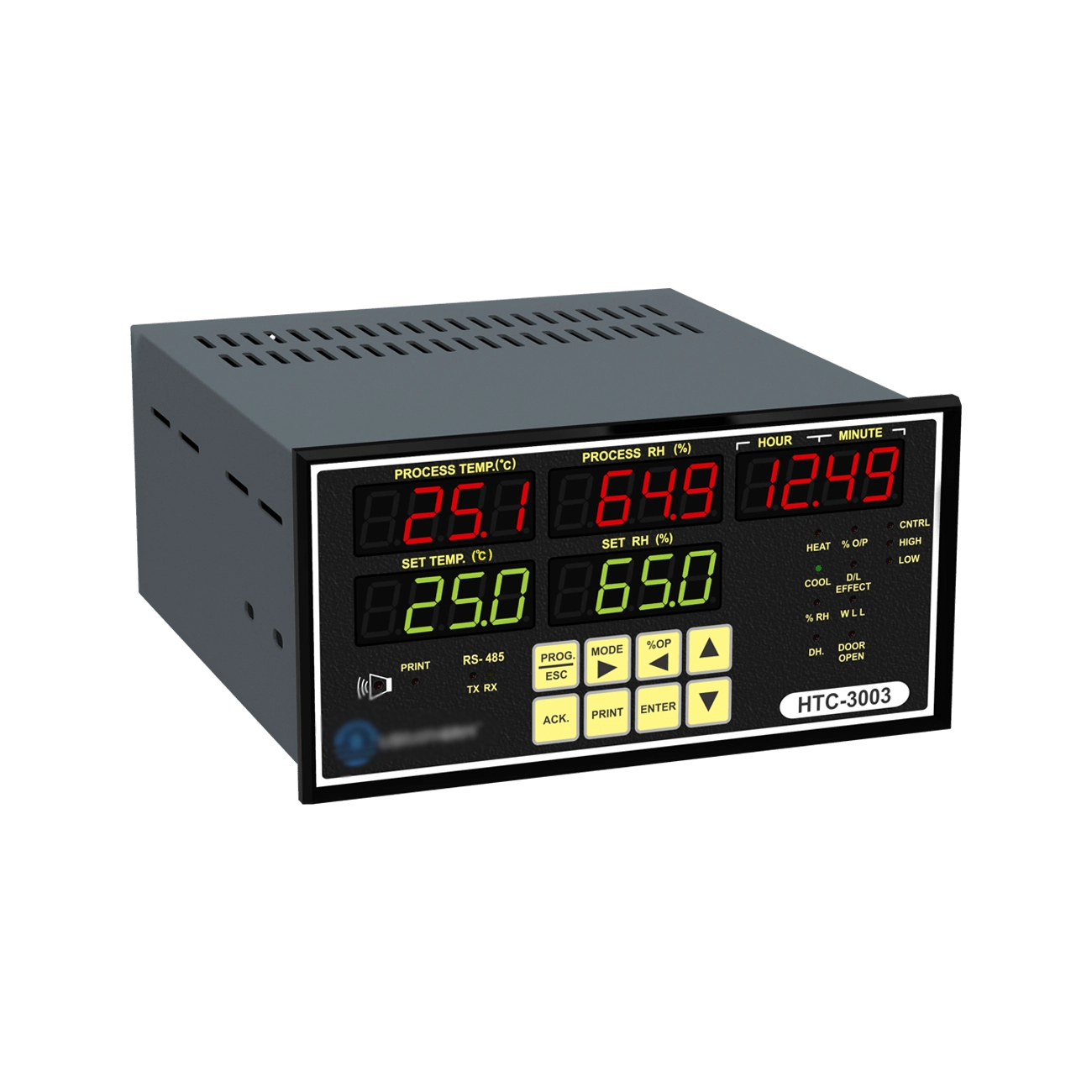
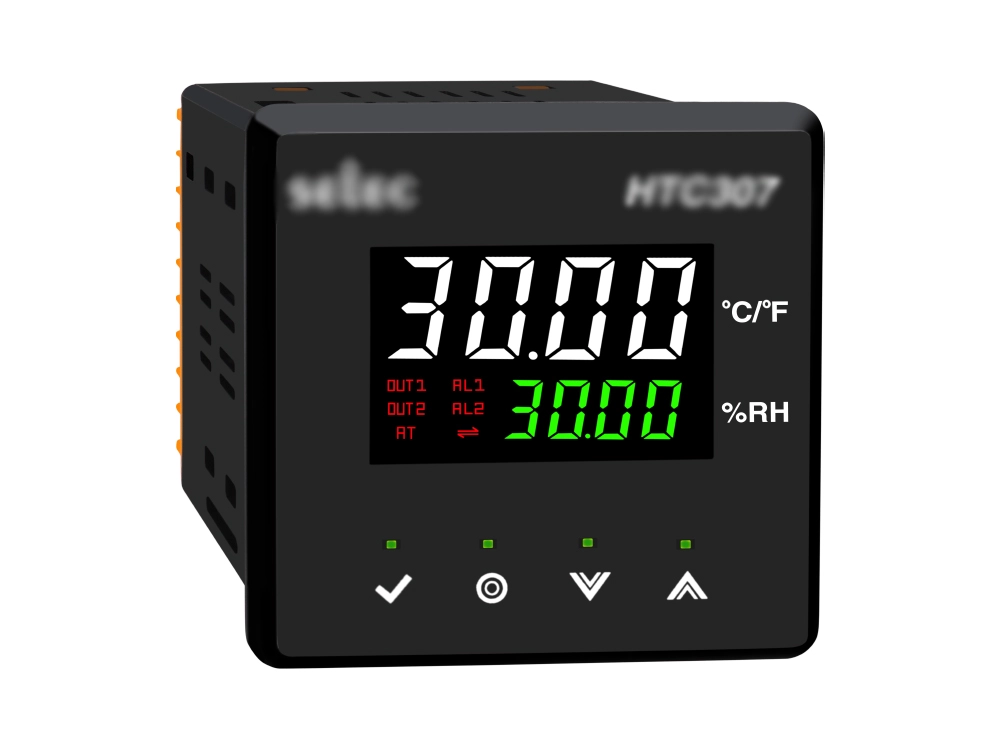
High-quality components differentiate cheap consumer gadgets from heavy industrial control equipment. Industrial systems rely on precise hardware to process rapid sensor measurements. For complex processing tasks, companies install the WSK Dual-Channel Digital Temperature and Humidity Controller.
This specialized instrument operates with dual sensor inputs to monitor two zones simultaneously. It utilizes capacitive polymer sensors to resist chemical vapors in industrial environments. Precision microprocessors inside prevent signal noise from corrupting delicate sensor feedback. Additionally, heavy duty output relays handle frequent switching without causing contact fatigue. Reliable hardware prevents sudden microclimate drifts in harsh manufacturing environments. Engineers specify these premium components to avoid unplanned facility shutdowns. Investing in superior internal components ensures consistent output over decades of service.
Why Every Electronic Component Warehouse Needs a Humidity and Temperature Controller
FAQ
How do dual-channel transmitters improve industrial process safety?
Dual-channel systems offer redundant measurements to protect critical processing zones. If one thermal sensor fails, the second channel provides immediate backup data. This continuous operation prevents dangerous overheating during manufacturing runs. Operators use a dual-channel humidity and temperature controller to monitor separated zones simultaneously. This setup prevents moisture damage across multiple adjacent electrical cabinets. Advanced transmitters verify sensor accuracy by cross-referencing input signals automatically. The controller flags any measurement discrepancies before equipment suffers serious damage. Implementing this dual design enhances overall facility safety and reduces maintenance costs. It provides reliable backup protection for high-value manufacturing assets.
What is the optimal calibration interval for climate monitoring devices?
Most manufacturers recommend calibrating environmental monitors once every twelve months. Harsh industrial environments with high chemical exposure require semi-annual calibration intervals. Sensors drift naturally over time due to dirt and thermal stress. Regular testing ensures that capacitive sensors maintain accurate moisture readings. Technicians utilize certified reference instruments to verify device performance. They adjust calibration parameters according to ISO standard protocols. Documented calibration events satisfy strict regulatory compliance audits for medical facilities. Maintaining this routine schedule preserves product quality and prevents unexpected machinery errors. This simple maintenance task extends overall device life and reduces operating risks.