
What Should You Ask A Switchgear Light Manufacturer?
Switchgear light manufacturer selection depends on voltage, installation, lighting, protection, testing, customization, and quality control.
Switchgear light manufacturer selection affects safety, service access, and cabinet usability. Buyers should review more than brightness and product appearance. A cabinet light must match the electrical system, enclosure space, and maintenance routine. Input voltage needs confirmation before sample approval. Mounting dimensions also require comparison with internal cabinet structures. Optical coverage matters because breakers, terminals, and cable compartments can create shadows. Environmental conditions can also affect service life and insulation performance. Buyers should request technical documents before placing volume orders. A supplier should explain testing, wiring, customization, and production controls clearly. These details help procurement teams compare samples using consistent criteria. They also reduce installation changes after production begins. A practical evaluation should connect every specification with its actual cabinet application.
How Does the Light Fit Inside a Switchgear Cabinet?
Cabinet lighting operates within a crowded mechanical environment. Busbars, circuit breakers, terminal blocks, relays, and cable channels occupy valuable space. The light should not interfere with these components or their service paths. Buyers should compare the lamp length, body thickness, mounting points, and cable exit position. Door movement also requires enough clearance around the fixture. A poorly positioned lamp can block inspection areas or create glare. Magnetic mounting may simplify installation, while fixed brackets can provide stronger retention. The correct choice depends on cabinet construction and vibration conditions. Buyers should also check whether installation requires drilling or additional hardware. These details affect both initial assembly and later maintenance. A supplier should provide dimensional drawings before sample approval. The drawing should show mounting holes, cable routing, and external dimensions clearly.
What Input Voltage and Power Options Are Available?
Electrical compatibility starts with the cabinet auxiliary power supply. Common systems may use low-voltage AC or DC control circuits. A switchgear light manufacturer should confirm the actual voltage before proposing a final configuration. The actual voltage depends on the switchgear design and project specification. Buyers should also confirm the acceptable operating range around the nominal value. Power consumption matters when many cabinets operate within one facility. Lower consumption can reduce auxiliary load, but brightness still needs sufficient coverage. LED efficiency therefore matters more than wattage alone. Buyers should request rated voltage, current, power, and operating range. The following comparison can help procurement teams organize initial technical checks.
| Parameter | What to Check | Why It Matters |
|---|---|---|
| Input voltage | Nominal AC or DC supply | Prevents electrical mismatch |
| Operating range | Permitted voltage variation | Supports stable operation |
| Power consumption | Rated wattage and current | Controls auxiliary load |
| Light output | Lumen output and coverage | Supports component visibility |
How Is the Light Controlled During Maintenance?
Control method directly affects maintenance convenience inside the cabinet. A door switch can activate illumination when technicians open the enclosure. Manual switches can provide direct control when continuous lighting is unnecessary. Some projects may require a specific control circuit for operational reasons. Buyers should confirm switch position, rated electrical load, contact configuration, and mechanical life. The switch should remain accessible without obstructing service work. Wiring should also allow clean routing around existing components. A cabinet light should not depend on awkward cable loops or exposed connections. Buyers can compare control options using these practical criteria:
- Door activation and switching response
- Manual override availability
- Switch location and accessibility
- Contact rating and electrical compatibility
- Cable routing and terminal arrangement
- Expected switching frequency
After selecting a control method, buyers should verify it during sample installation. A bench test alone cannot reveal every cabinet-level access issue.
Which Light Source and Optical Design Are Used?
LED selection should focus on usable illumination rather than wattage alone. Light output describes the amount of visible light produced by the source. Beam distribution describes where that light reaches inside the enclosure. A narrow beam may create bright spots and dark areas. A wider distribution can improve visibility across terminals and cable zones. Color temperature also affects visual perception during inspection tasks. Neutral white light often provides a balanced appearance for industrial maintenance areas. Color rendering can matter when technicians inspect wire colors, labels, and component markings. Heat management also deserves attention because electronic components operate inside enclosed spaces. Buyers should request lumen output, color temperature, color rendering data, and optical distribution. These specifications provide a stronger basis for comparing samples than wattage alone.
Can a Switchgear Light Manufacturer Customize the Installation?
A switchgear light manufacturer may support project-specific mechanical and electrical requirements. Customization can involve lamp length, mounting hardware, cable length, connectors, terminal positions, or switch placement. Buyers should separate standard options from engineering changes. Standard configurations usually simplify procurement and replacement planning. Custom versions may solve space restrictions in specialized cabinets. However, every change should receive documented approval before production. Drawings should reflect the final dimensions and wiring arrangement. Sample units should also match the approved production configuration. This process reduces discrepancies between engineering documents and delivered products. Buyers should ask whether tooling changes affect minimum order quantities or lead times. They should also confirm how engineering revisions receive identification and approval. A clear revision process becomes especially important during repeated production batches.
What Protection and Environmental Ratings Should You Check?
Cabinet conditions vary widely between indoor electrical rooms and harsher industrial locations. Dust, moisture, temperature changes, and vibration can affect lighting equipment. The enclosure location therefore determines which protection features deserve attention. IP ratings describe protection against solid objects and water under defined test conditions. They do not automatically indicate resistance to chemicals, corrosion, or mechanical impact. Buyers should also check the specified operating temperature range. Thermal limits matter because switchgear cabinets can become warm during continuous electrical loading. Materials and seals should suit the surrounding environment. In corrosive locations, surface treatment and material selection may require additional review. Vibration can also affect mounting hardware and electrical connections over time. Buyers should match every environmental requirement with actual installation conditions. A generic rating should never replace project-specific environmental assessment.
What Electrical and Safety Tests Should Be Requested?
A switchgear light manufacturer should provide evidence that a cabinet light meets its declared electrical requirements. Buyers should request test records that match the purchased configuration. Typical checks can include input operation, insulation performance, electrical continuity, and functional switching. Some projects may also require dielectric withstand testing. Temperature testing can help evaluate heat behavior under defined operating conditions. Mechanical checks may verify mounting strength and connection security. Production testing should remain separate from prototype evaluation. A sample can perform correctly while batch variation still creates risks. Buyers should therefore ask about both type testing and routine production checks. Test documents should identify the tested model, parameters, date, and acceptance criteria. Clear records make technical review easier and improve traceability during supplier audits.
What Documents Should Buyers Request Before Sampling?
Procurement teams should request a consistent document package before approving samples. The package should connect engineering requirements with the physical product. Buyers can use the following checklist during supplier qualification:
- Product specification sheet
- Dimensional and mounting drawing
- Wiring diagram
- Rated electrical parameters
- Environmental specifications
- Material information
- Test records
- Sample inspection criteria
- Production quality procedures
| Test Item | Primary Purpose | Buyer Review Point |
|---|---|---|
| Input operation test | Checks electrical function | Confirm rated supply compatibility |
| Insulation test | Checks insulation performance | Review test conditions and results |
| Dielectric withstand test | Checks electrical strength | Confirm applicable project requirements |
| Functional test | Checks lighting and switching | Verify the complete assembled unit |
| Temperature test | Checks thermal behavior | Compare results with rated conditions |
A complete document set makes technical comparisons more consistent. It also helps engineering teams identify missing information before installation. For example, a drawing may show lamp dimensions but omit cable exit details. That omission can create installation changes after cabinet assembly. Buyers should therefore check whether every critical dimension appears on controlled documentation. Revision numbers should remain consistent across drawings, specifications, and samples. This approach supports traceability from initial inquiry through repeat orders.
How Should You Evaluate Wiring and Terminal Quality?
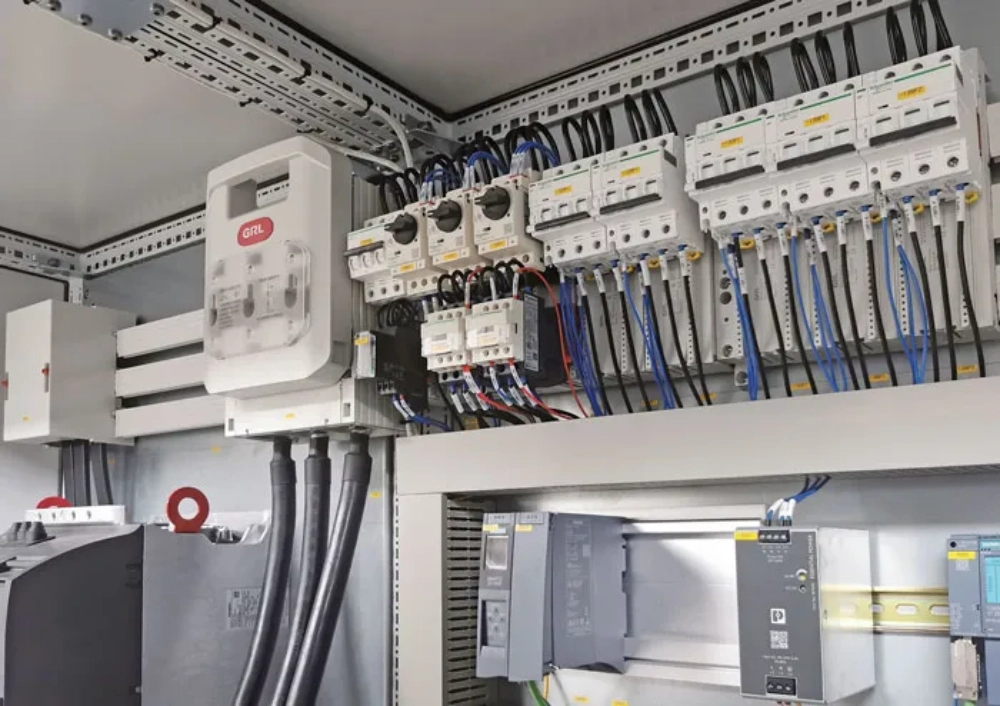
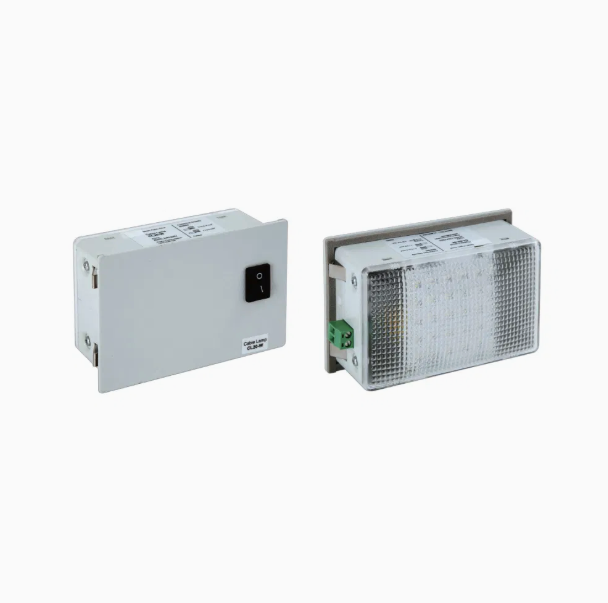
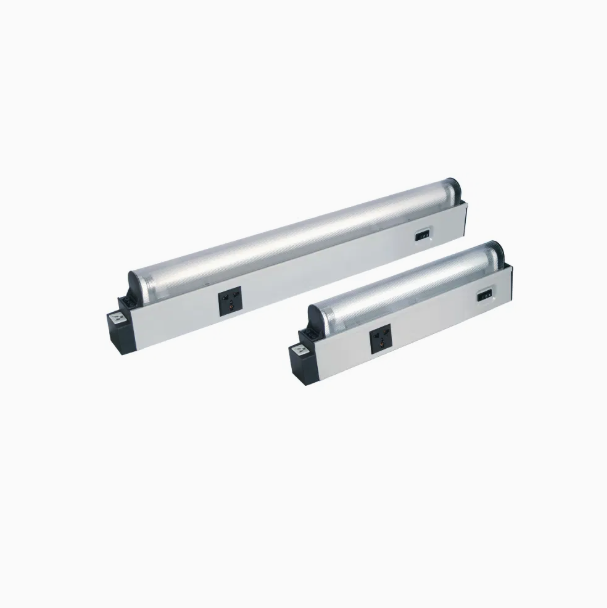
Wiring quality affects both electrical reliability and maintenance efficiency. Buyers should inspect conductor size, insulation construction, terminal design, and connection security. Wire insulation must suit the rated voltage and expected temperature range. Terminal connections should provide stable electrical contact without excessive exposed conductor length. Crimped terminals require consistent compression and suitable tooling. Loose crimps can increase resistance and generate localized heat. Cable exits also need suitable strain relief when movement may occur. Routing should avoid sharp edges, moving door parts, and high-temperature components. Buyers should compare cable length with the actual cabinet layout. Excess cable can create congestion, while insufficient length can complicate installation. The CM-1 Cabinet Light for Switchgear can serve as a sample reference during this type of review. Buyers should still verify the exact wiring configuration against project requirements.
What Quality Control Process Does a Switchgear Light Manufacturer Use?
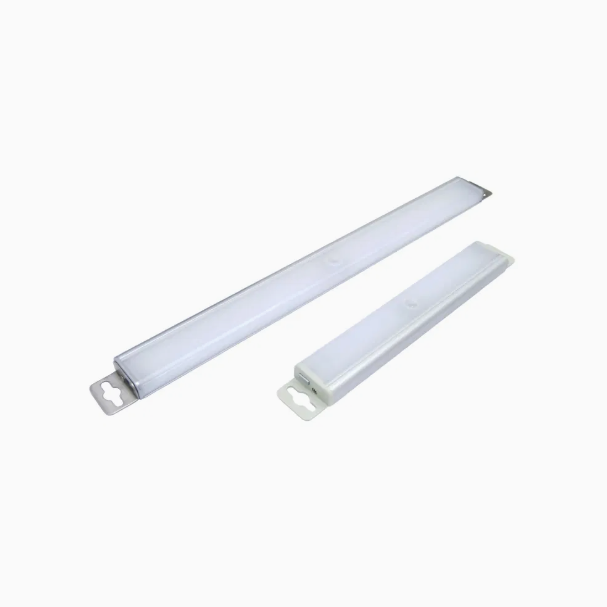
Quality control should cover incoming materials, assembly, electrical testing, and final inspection. Suppliers should identify how they verify LED components, drivers, switches, wires, and terminals. Assembly checks should confirm correct polarity, fastening, wiring, and mounting alignment. Functional tests should verify illumination and switching behavior before shipment. Dimensional inspection can confirm consistency across repeated production batches. Buyers should also ask how defective units are identified and isolated. A documented nonconformance process helps prevent accidental shipment of rejected products. Batch records can provide useful traceability for larger projects. The CM-L3 Explosion-Proof Cabinet Light for Switchgear can be considered when a project has special hazardous-area requirements. Such applications require confirmation of the relevant product certification and installation conditions. Buyers should never assume that a product name alone establishes suitability.
What Can a Real Switchgear Lighting Project Reveal?
A published metal-enclosed switchgear case documents internal electrical compartments and dedicated lighting arrangements. The documented equipment included lights powered from an external source. Operators could also switch the lighting at the switchgear. The case shows how lighting forms part of the wider auxiliary system. This arrangement highlights an important procurement point. Lighting needs should be considered alongside control power and enclosure design. Buyers should confirm where the lighting supply originates before selecting fixtures. They should also check how operators access the lighting controls during maintenance. A project-level review can reveal issues that product testing cannot show. These issues may include cable routing, control accessibility, clearance, and service procedures. The case therefore supports a broader evaluation process for switchgear lighting. Product specifications should always be checked against the actual installation arrangement.
What Should You Request Before Approving the Final Sample?
Final sample approval should combine engineering, electrical, and quality information. Buyers can ask the switchgear light manufacturer to confirm every approved parameter before volume production. The input voltage must match the cabinet auxiliary supply. Mounting points should align without unexpected drilling or structural changes. Cable length should support the intended routing without excessive slack. The switching method should operate correctly during normal maintenance access. Light distribution should cover the required service area without excessive glare. Environmental ratings should match the actual cabinet location. Test records should correspond to the exact product configuration. Buyers should also confirm packaging, labeling, and revision identification before volume production. A controlled approval process reduces the risk of specification drift. It also creates a clear reference for future replacement orders.
FAQ
What voltage should a switchgear cabinet light use?
There is no single voltage that suits every switchgear cabinet. The correct choice depends on the available auxiliary power system. Some installations use low-voltage AC supplies, while others use DC control power. Buyers should provide the nominal voltage before requesting a final configuration. The supplier should then confirm the operating range and power requirements. Current consumption also matters when many cabinet lights share one auxiliary circuit. A compatible light should operate reliably across the specified voltage range. Buyers should verify these values on the technical specification sheet. They should also confirm whether the stated voltage applies to the complete assembled product. Sample testing should use the same supply conditions planned for the final installation.
Why does switchgear light installation method matter?
Installation method affects cabinet space, maintenance access, wiring, and long-term mechanical stability. A fixture can provide sufficient light yet remain unsuitable for a crowded enclosure. Buyers should check mounting points against breakers, terminals, ducts, and cable routes. Door movement also requires sufficient clearance around the fixture. Fixed mounting can provide strong retention in some applications. Other cabinets may benefit from simpler installation methods. The selected structure should match vibration, access frequency, and cabinet construction. Cable routing should remain clean after installation. Technicians should also reach the fixture without unnecessary component removal. Sample testing inside a representative cabinet can reveal practical issues. This step provides more useful information than checking the fixture separately.
What documents should buyers request from the supplier?
Buyers should request documents that cover technical, electrical, mechanical, and quality requirements. A product specification sheet should state voltage, power, dimensions, and environmental limits. Dimensional drawings should show mounting points and cable exits. Wiring diagrams should identify terminals, switches, and connection methods. Test records should identify the tested configuration and relevant parameters. Buyers may also request material information and production inspection procedures. Revision numbers should remain consistent across all controlled documents. Sample units should match the approved drawings and specifications. This documentation creates a traceable reference for production orders. It also helps engineering teams identify discrepancies before cabinet assembly. For larger projects, buyers should define document requirements during the quotation stage.