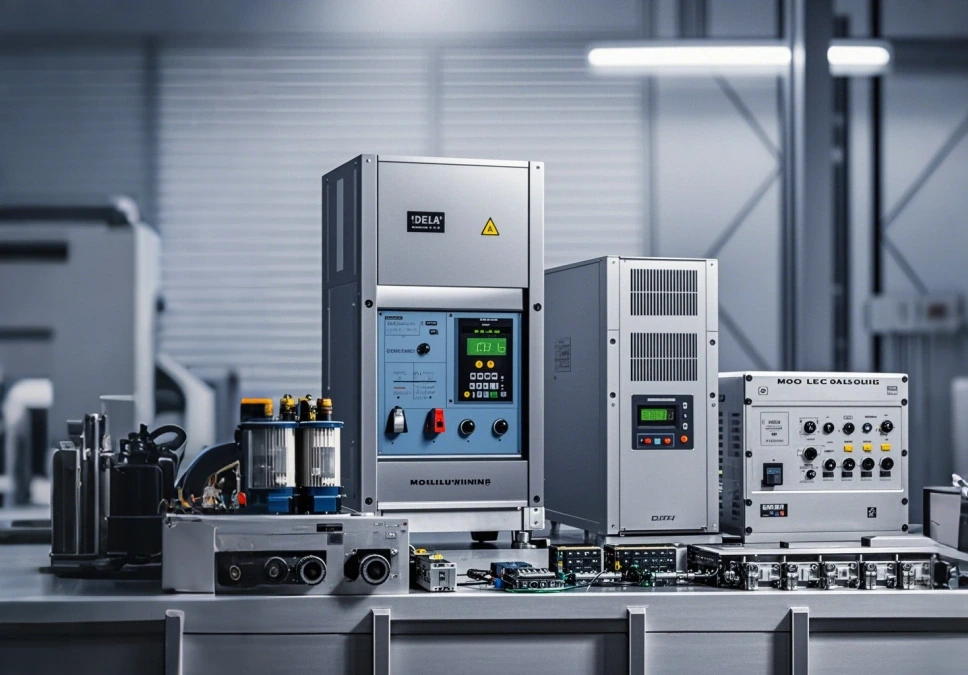
What Should You Look For In Digital Temperature Controller?
Optimize thermal systems using a digital temperature controller with precise PID tuning, sensor compatibility, and robust communication.
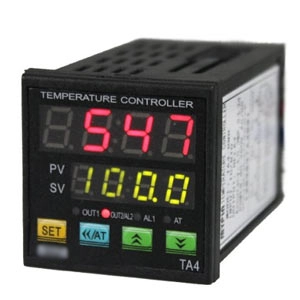
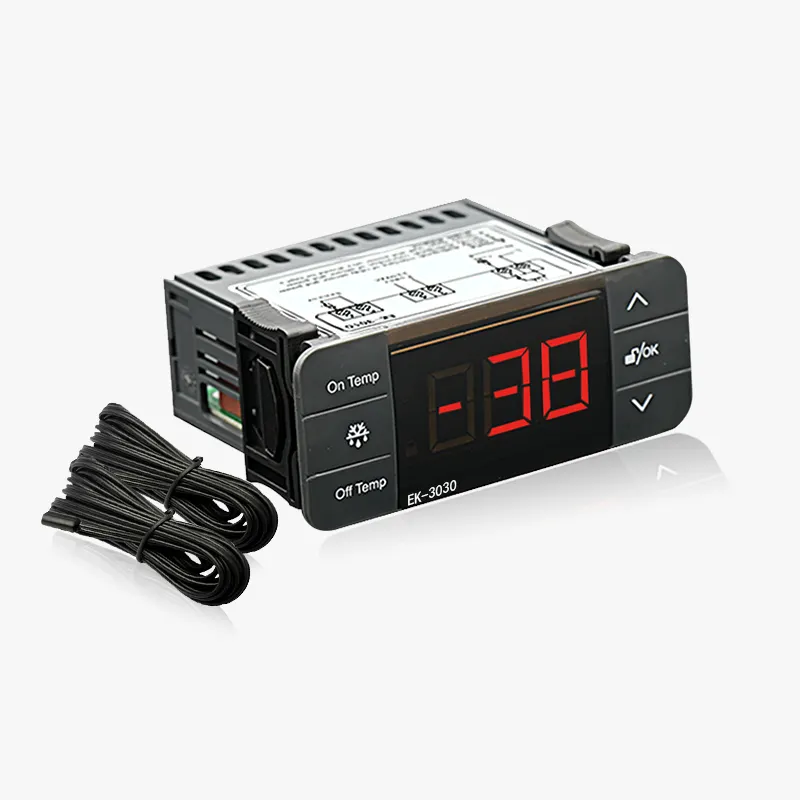
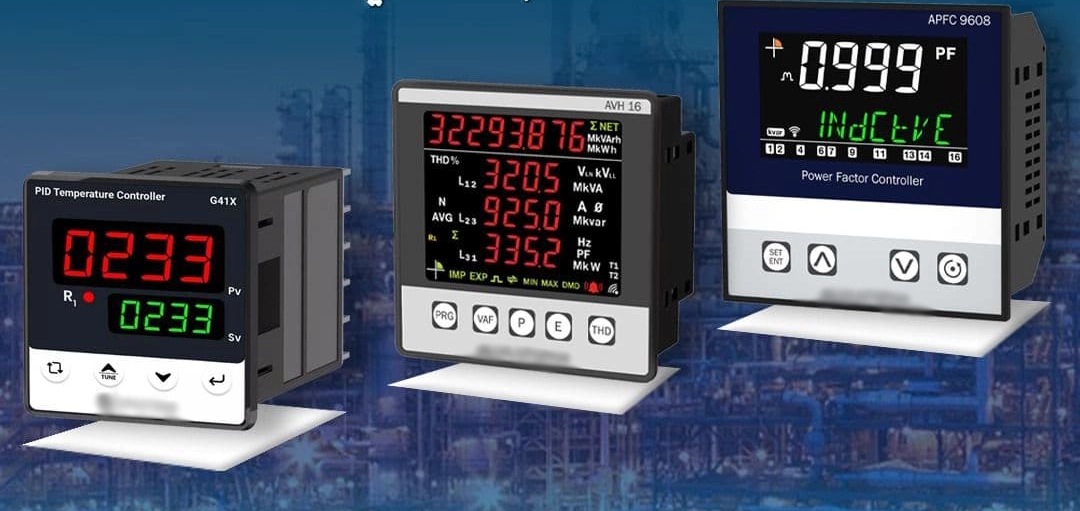
Industrial thermal processes require precise regulation to ensure product quality and operational safety. Engineers constantly seek reliable hardware to manage complex heating and cooling cycles. Selecting the right digital temperature controller prevents thermal runaways in sensitive manufacturing environments. Modern facilities deploy these instruments to automate critical feedback loops. Operators monitor real-time values on bright dual-line screens to maintain process consistency. Advanced processors calculate thermal shifts rapidly to prevent unwanted deviation. High accuracy levels ensure that raw materials undergo correct thermal treatments. This selection process demands a deep analysis of output configurations and physical environments. Robust components protect the system from unexpected electrical spikes or sudden power losses. Reliable operation ultimately reduces maintenance costs and improves overall factory efficiency.
Crucial Functions of a Digital Temperature Controller
Proportional-integral-derivative control remains the standard algorithm for precise thermal modulation. Operators adjust proportional band settings to reduce system overshoot during rapid heating. Integral action eliminates steady-state errors by calculating cumulative offset values over time. Derivative control counters rapid thermal changes by predicting future temperature trends. High-performance models incorporate auto-tuning functions to simplify initial system programming. This automation calculates optimal control parameters without manual trial and error. Cabinet systems benefit greatly from specialized devices like the WK Digital Precision Temperature Controller for Cabinets. These compact units regulate cooling fans to prevent heat buildup inside electrical enclosures. Users configure specific alarm outputs to trigger emergency cooling if temperatures exceed safety thresholds. Actuators respond instantly to electronic signals from the control unit to maintain thermal equilibrium.
Sensor Inputs and Signal Compatibility
Accurate thermal regulation depends on selecting compatible sensor inputs for your specific application. Thermocouples offer exceptional durability and cover broad temperature ranges in harsh smelting furnaces. Platinum RTD sensors provide superior accuracy and stability for low-temperature food processing systems. A digital temperature controller must support multiple input types to accommodate changing facility needs. Users configure the input configuration using the front panel interface or software. Calibration procedures eliminate signal drift caused by long wire runs or connection degradation. Cold-junction compensation ensures thermocouple accuracy despite fluctuating ambient temperatures at the terminal block. Operators must choose shielded cabling to prevent electromagnetic interference from surrounding motors. High-quality inputs guarantee clean signal transmission for the internal microprocessor to analyze. Correct sensor placement prevents false readings and ensures consistent thermal monitoring.
Input Specifications and Relay Ratings
| Output Type | Switching Speed | Expected Lifespan | Primary Application |
|---|---|---|---|
| Mechanical Relay | Slow (seconds) | 100,000 cycles | High-current alarm horns |
| Solid State Relay | Fast (milliseconds) | Nearly unlimited | Rapid PID pulse heaters |
| Analog Output | Continuous | Unlimited | Modulating control valves |
Analysis of Output Relay Configurations
Selecting appropriate output hardware directly influences the overall longevity of thermal control systems. Mechanical relays provide robust contact ratings but suffer from mechanical wear during rapid cycles. Solid-state devices eliminate physical moving contacts to handle high-frequency switching tasks. Engineers specify analog outputs to regulate proportional valves with smooth current adjustments. Improper matching leads to premature contact failure or erratic temperature oscillations. System designers calculate total load currents before wiring heater circuits to the terminals. Secondary safety contactors prevent thermal disasters if primary relays fuse shut unexpectedly. Operators must verify voltage compatibility between the control signals and external actuators. Proper heat sinking preserves solid-state components during extended high-load manufacturing operations. These engineering choices secure stable manufacturing outputs and reduce maintenance interventions.
Advanced Temperature Control Applications
Specialized manufacturing environments demand dedicated hardware tailored for highly specific electrical equipment. High-voltage power distribution networks rely on the Temperature Controller for Dry type Transformer to monitor internal coil heat. Windings require constant vigilance to prevent catastrophic insulation failure under heavy loads.A modern digital temperature controller provides multiple thermal probe inputs for simultaneous multi-phase monitoring.The processor evaluates separate winding channels and activates cooling fans when thresholds rise.
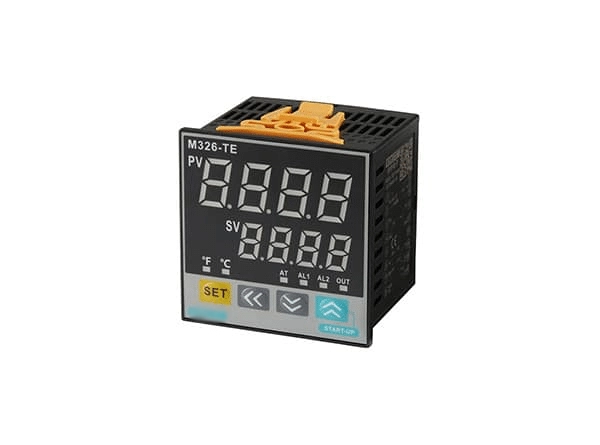
Dust-tight enclosures shield delicate internal circuitry from ambient industrial contaminants. Maintenance crews perform routine checkups using visual indicators on the front interface. Accurate tracking limits service interruptions and extends costly equipment lifespans significantly. Smart programming allows rapid adaptation to changing ambient weather or seasonal variations. Technicians store historical heat profiles to analyze thermal stress patterns over long operating periods.
Standard Communication Interfaces
- RS-485 Modbus RTU interface for long-distance multi-drop telemetry.
- Ethernet Modbus TCP connection for high-speed local network integration.
- Analog 4-20 milliamp retransmission outputs for legacy chart recorders.
- Profibus DP connectivity for complex European automation environments.
Network Integration and Data Transmission
Modern factories require seamless device integration to achieve centralized monitoring and comprehensive data logging. Plant managers collect real-time data from each digital temperature controller to build complete historic profiles. This networked coordination allows quick adjustments from central control rooms during critical events. Communication lines require proper termination resistors to prevent data corruption over long distances. Technicians install shielded twisted-pair cables to repel electromagnetic noise from heavy manufacturing machinery. Diagnostic software flags transmission errors instantly to preserve process safety and avoid outages. Automated alarms transmit status updates directly to remote computers over local area networks. Operators view live progress metrics on visual displays to supervise multiple thermal zones simultaneously. Secure networks protect operational machinery from unauthorized external access or software tampering. Efficient communication layouts reduce manual labor and raise industrial output dramatically.
Hardware Safety and Enclosure Ratings
| Enclosure Code | Ingress Protection | Dust Resistance | Ideal Environment |
|---|---|---|---|
| IP65 | Low-pressure water jets | Fully dust-tight | Washdown beverage lines |
| NEMA 4X | Corrosion-resistant spray | Windblown dust protection | Outdoor chemical plants |
| IP20 | No liquid protection | Large particle limit | Clean electrical cabinets |
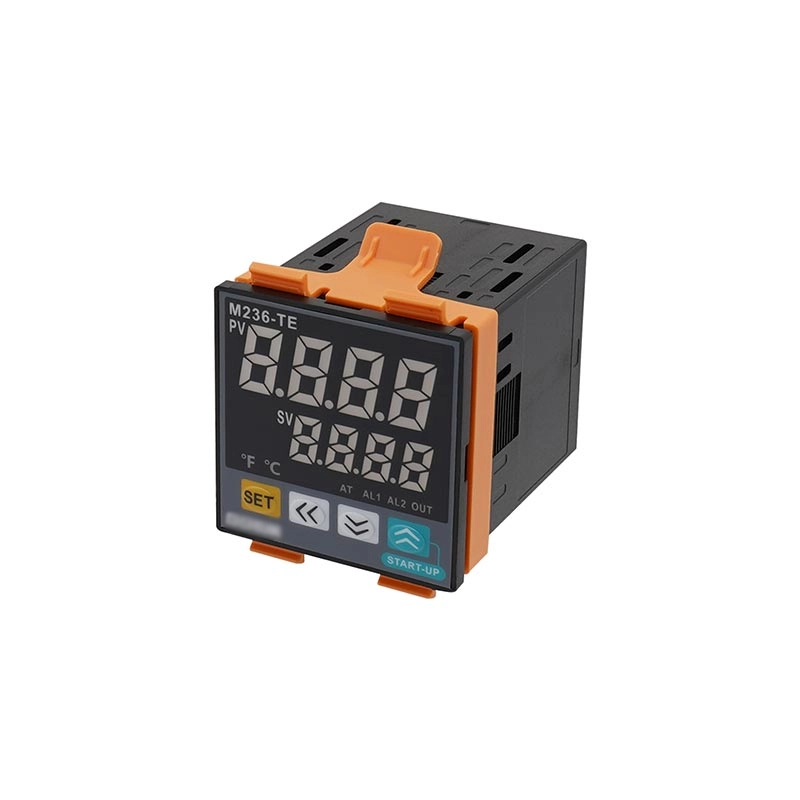
Environmental Performance and Industry Compliance
Harsh industrial surroundings dictate the physical requirements for electronic installations across various sectors. Chemical processing plants require high protection standards to resist airborne corrosive droplets. IP65 front panel sealing prevents liquid penetration during daily high-pressure equipment washdowns. Plastic housings must withstand high ambient heat without structural deformation or chemical degradation. Metal brackets secure the heavy enclosure tightly against rubber gaskets to maintain sealing integrity. Industry compliance marks guarantee that the device satisfies rigorous safety standards under load. Technicians must inspect physical seals regularly to detect cracks before moisture penetrates delicate circuitry. Grounding terminals must connect properly to eliminate static buildup and protect electronic logic boards. Proper physical isolation protects operators from high-voltage wiring inside the electrical panel. Investing in certified rugged designs prevents unexpected hardware failures and process downtime.