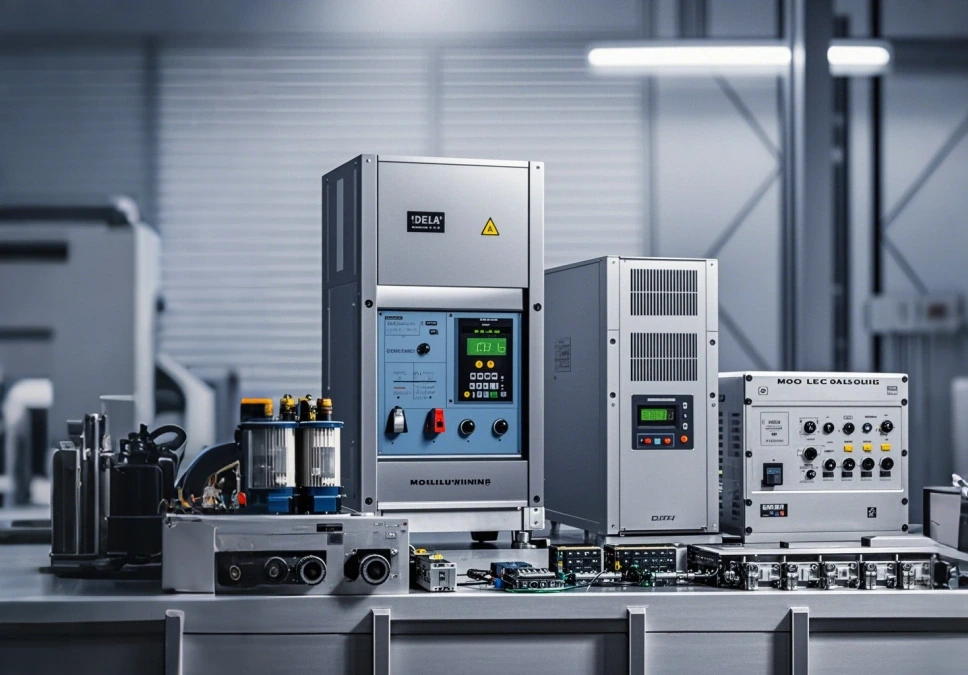
Why Does Switchgear Electromagnetic Lock Lose Holding Force?
Switchgear Electromagnetic Lock Holding Force drops due to electrical, thermal, and mechanical factors in industrial switchgear systems.
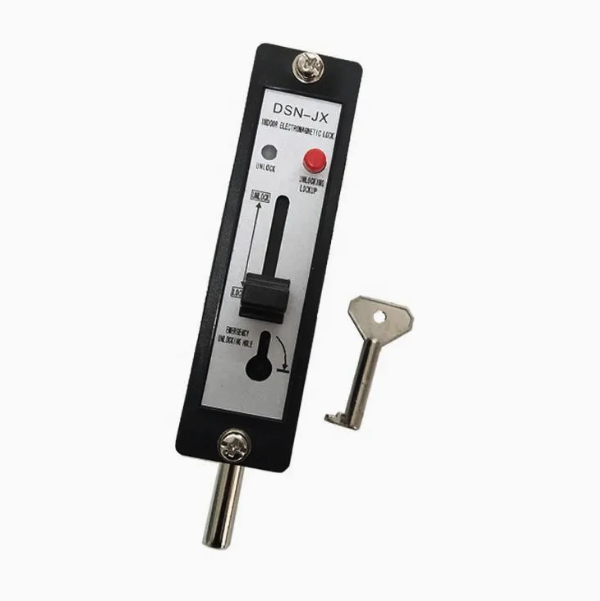
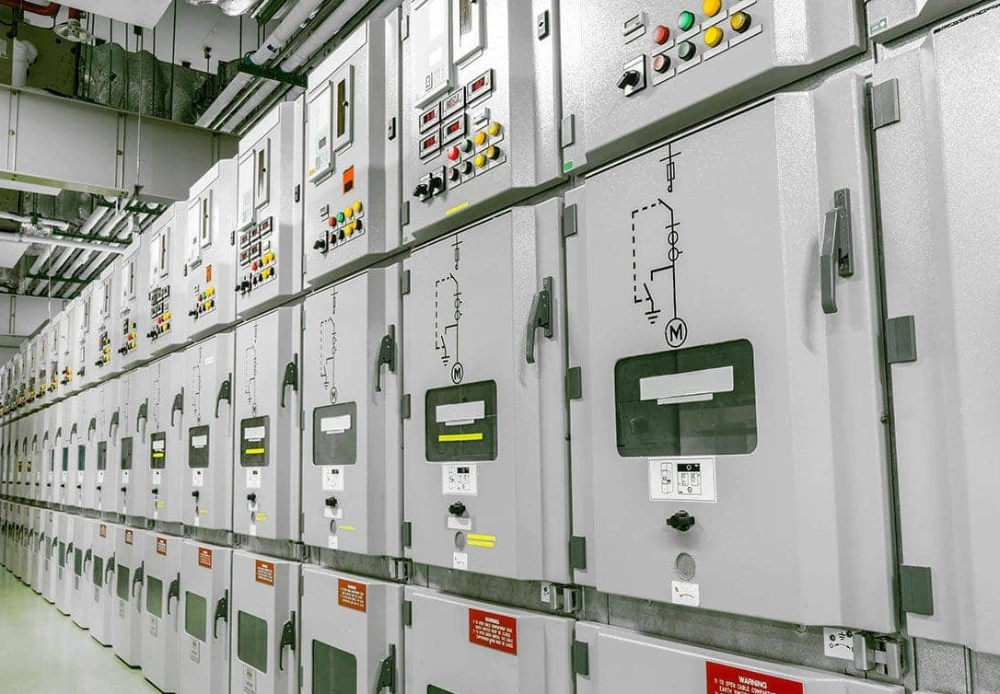
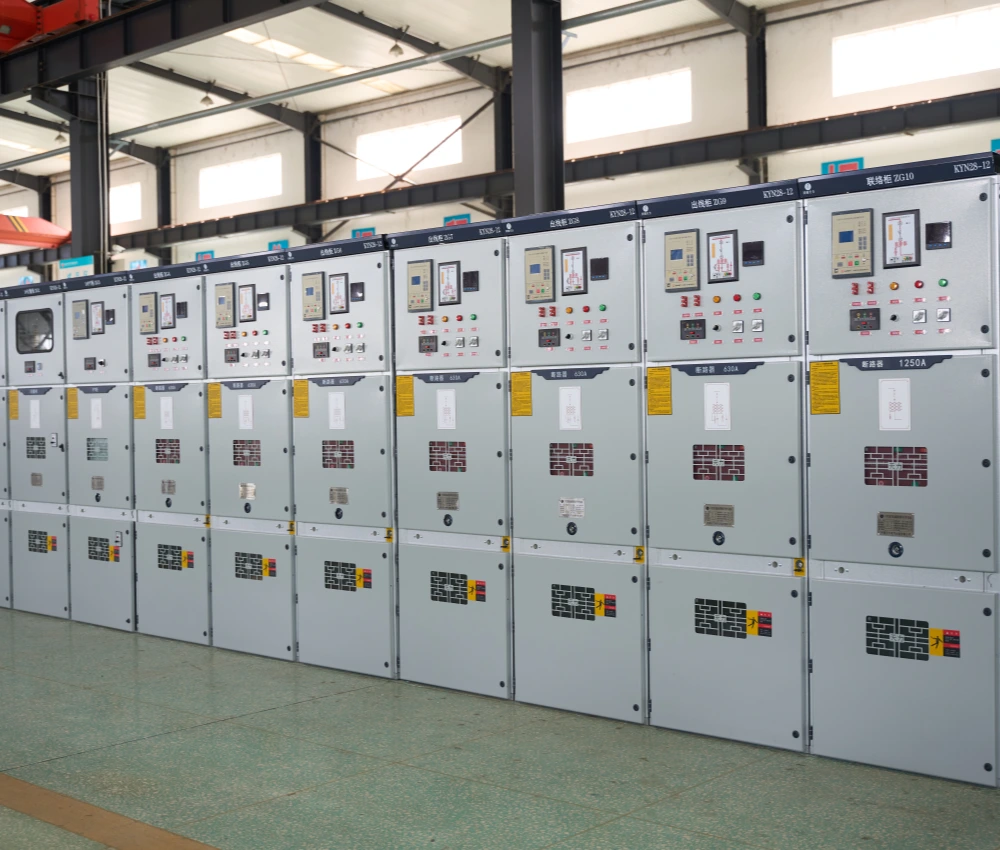
The switchgear Electromagnetic Lock Holding Force plays a critical role in secure panel operation. Industrial environments rely on stable magnetic adhesion for safety and control integrity. Over time, this force can gradually weaken due to electrical, thermal, and mechanical influences. Engineers often observe reduced locking reliability during long duty cycles in high-load facilities. Coil excitation efficiency becomes unstable under continuous energization conditions. Environmental exposure also accelerates performance drift in compact switchgear enclosures. Engineers and operators analyze these degradation patterns to maintain consistent system reliability. Maintenance teams frequently evaluate holding force trends during scheduled inspections. Early detection of performance loss reduces unexpected operational interruptions. Proper system design and monitoring improve long-term stability in demanding electrical infrastructures.
Electrical Instability Effects on switchgear Electromagnetic Lock Holding Force
Electrical instability is a primary contributor to reduced locking performance. Voltage fluctuations directly affect coil excitation strength and magnetic field density. When supply voltage drops, magnetic attraction weakens immediately. Repeated fluctuations accelerate insulation stress inside the coil windings. Increased resistance in conductors reduces current flow efficiency over time. Harmonic distortion in industrial grids also impacts stable energization. Poor contact terminals introduce additional resistance losses within the circuit path. These issues combine to reduce overall holding stability in switchgear systems. Engineers often monitor supply consistency using precision measurement tools. Stable electrical input is essential for long-term locking reliability. Preventive electrical audits help reduce performance degradation risks significantly.
Environmental Stress Impact on switchgear Electromagnetic Lock Holding Force
Environmental conditions strongly influence electromagnetic locking performance. High humidity levels reduce insulation resistance inside coil assemblies. Condensation can form on metallic surfaces, weakening magnetic contact efficiency. Temperature variation alters magnetic permeability of core materials. Dust accumulation increases surface resistance and disrupts uniform attraction. Industrial airborne particles often settle inside enclosure gaps. These contaminants reduce effective contact area between armature surfaces. Thermal expansion and contraction cycles also introduce alignment shifts.
Switchgear Electromagnetic Lock Holding Force degrades gradually. Regular environmental control improves system stability in industrial installations. Maintaining clean and dry operating conditions ensures longer service life.
Mechanical Wear Influences on Switchgear Locking Stability
Mechanical components directly affect magnetic locking efficiency. Repeated engagement cycles wear down armature contact surfaces. Uneven surface contact reduces effective magnetic attraction area. Spring fatigue decreases return force consistency during operation cycles. Misalignment between lock body and armature plate creates uneven force distribution. Vibration from nearby equipment accelerates mechanical loosening. Structural deformation inside mounting brackets affects alignment accuracy. switchgear Electromagnetic Lock Holding Force degradation occurs. Maintenance teams often inspect mechanical fit during routine servicing. Correct alignment ensures balanced force distribution across contact surfaces. Mechanical integrity is essential for maintaining reliable switchgear operation.
Thermal Behavior and Coil Efficiency in Electromagnetic Systems
Thermal accumulation significantly affects coil performance stability. Continuous energization increases internal temperature within winding structures. Elevated temperature raises electrical resistance in copper conductors. Increased resistance reduces current flow and magnetic field strength. Heat also affects insulation material aging over time. Poor ventilation inside enclosures worsens thermal buildup conditions. Magnetic permeability of core materials decreases under high heat stress. These combined effects reduce holding stability during long operation cycles. Engineers design cooling paths to minimize thermal accumulation. Proper heat dissipation ensures consistent electromagnetic performance. Temperature control remains a key design requirement in switchgear systems.
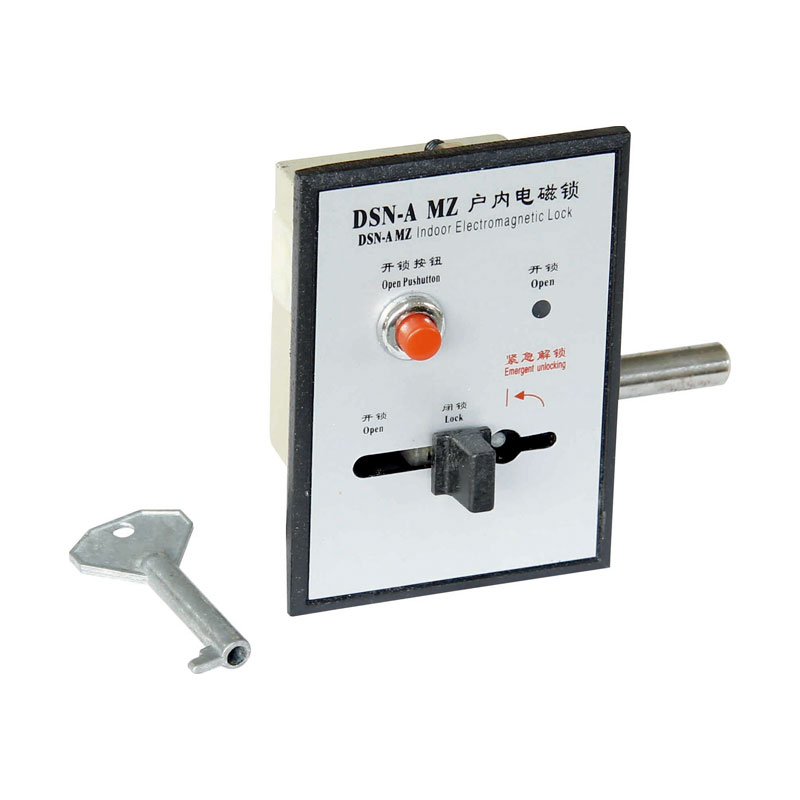
Surface Contamination Effects on Magnetic Contact Efficiency
Switchgear Electromagnetic Lock Holding Force causes surface issues. Dust layers create micro-gaps between contact surfaces. Oil residues reduce friction and weaken magnetic coupling strength. Oxidation layers form naturally on exposed metallic interfaces. These layers introduce resistance to direct magnetic contact. Industrial environments often increase contamination risks significantly. Fine particles accumulate in ventilation-restricted switchgear panels. Cleaning cycles help restore optimal surface conductivity. Proper maintenance prevents long-term degradation of contact efficiency. Controlled environments improve operational consistency across systems.
Material Performance Comparison in Electromagnetic Lock Systems
| Component | Material Type | Key Property | Performance Impact |
|---|---|---|---|
| Armature Plate | Low Carbon Steel | High Magnetic Permeability | Improves holding efficiency |
| Coil Wire | Enamel Copper | Electrical Conductivity | Stable current transmission |
| Housing | Aluminum Alloy | Thermal Dissipation | Reduces overheating risk |
Material selection determines long-term performance stability. Armature steel composition directly affects magnetic flux concentration. High permeability materials improve attraction strength significantly. Copper purity in coil windings ensures stable conductivity levels. Housing materials influence heat dissipation efficiency. Poor thermal design increases internal stress levels. Corrosion resistance also impacts long-term durability in industrial environments. Engineers evaluate material combinations for optimal performance balance. Proper selection reduces maintenance frequency and system downtime. Material engineering remains central to reliable switchgear design.
Diagnostic Methods for Evaluating Lock Performance
Pull force measurement using calibrated force gauges
Coil resistance testing with precision multimeters
Thermal imaging for hotspot identification
Vibration monitoring for structural stability analysis
Accurate diagnostics help identify performance degradation early. Force measurement quantifies real holding capacity reduction. Electrical resistance testing reveals internal coil degradation. Thermal imaging detects abnormal heat concentration zones. Vibration monitoring identifies mechanical misalignment issues. Combined diagnostic approaches improve maintenance accuracy. Engineers use trend analysis to predict failure risks. Regular testing schedules ensure consistent operational safety. Early detection reduces repair costs significantly. Predictive diagnostics enhance system reliability in industrial applications.
Maintenance Strategies for Performance Restoration
| Maintenance Action | Purpose | Expected Outcome |
|---|---|---|
| Surface Cleaning | Remove contamination layers | Restore magnetic contact efficiency |
| Coil Replacement | Fix electrical degradation | Recover full excitation strength |
| Alignment Adjustment | Correct mechanical offset | Improve force distribution |
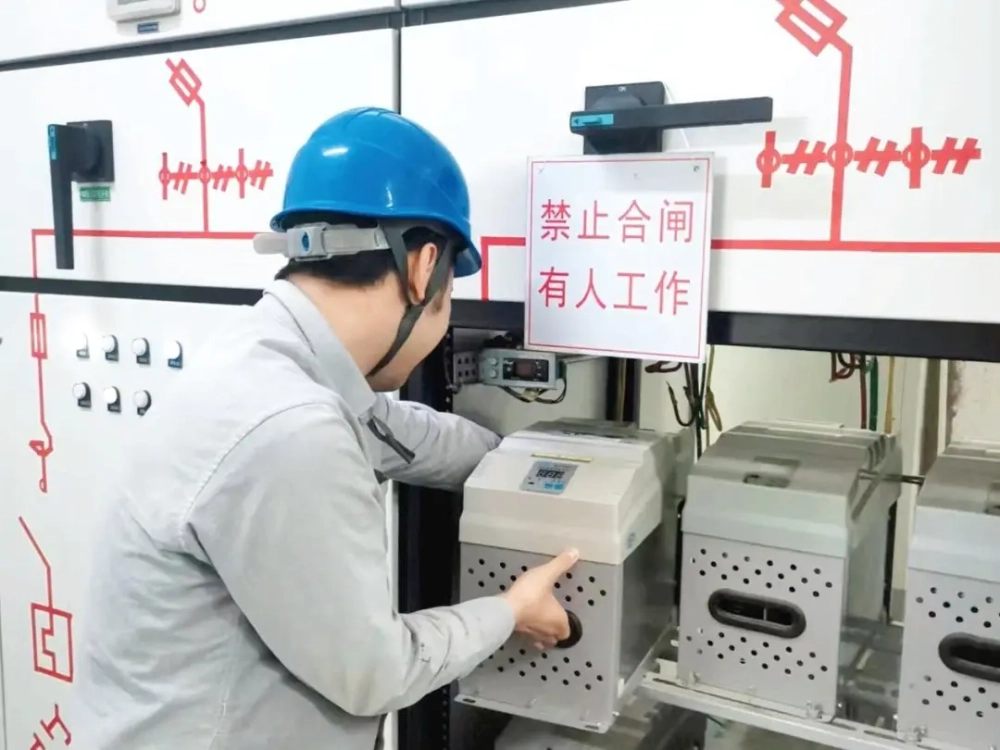
Maintenance actions directly influence system recovery performance. Cleaning restores metallic contact efficiency. Coil replacement addresses irreversible electrical aging. Alignment adjustment ensures proper magnetic coupling geometry. Preventive scheduling reduces unexpected failures. Technicians often combine multiple methods for best results. Maintenance planning improves operational stability significantly.
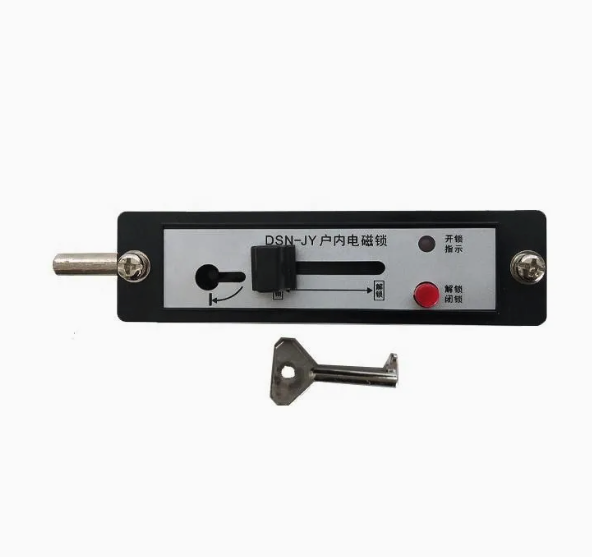
How can holding force be restored without replacing the lock?
Restoration can be achieved through targeted maintenance procedures. Cleaning contact surfaces removes dust and oxidation layers. Electrical testing identifies weak coil performance conditions. Realignment of armature plates improves magnetic coupling efficiency. Tightening terminals restores stable current flow paths. In some cases, controlled heating cycles help remove moisture buildup. Minor resistance issues can be corrected through rewiring connections. These steps often restore partial or full performance. However, severely damaged coils may still require replacement. Regular maintenance improves recovery success rates significantly in industrial environments.
What Impacts Locking Force In Indoor Electromagnetic Locks?
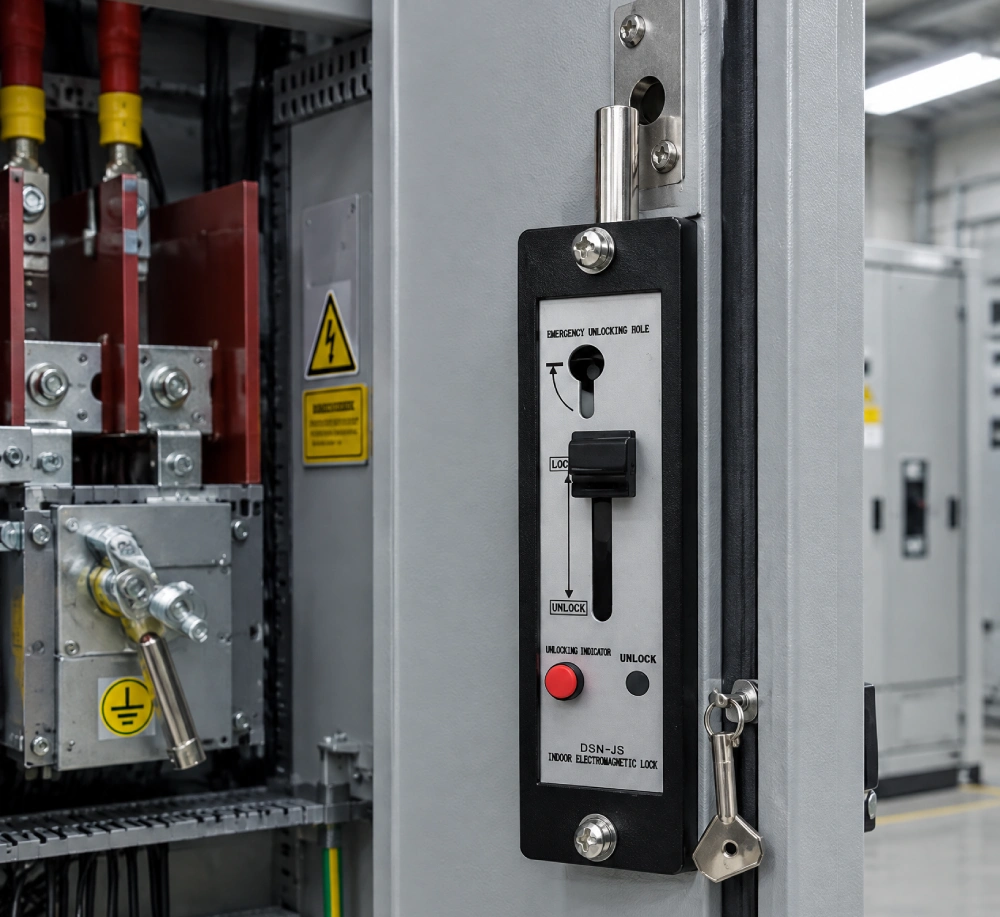
The locking force is influenced by electrical supply stability and coil excitation strength. Voltage fluctuations reduce magnetic field intensity and holding performance. Mechanical alignment between armature and lock body affects contact efficiency. Surface contamination such as dust or oil weakens magnetic adhesion. Temperature rise inside the enclosure reduces coil conductivity over time. Humidity and moisture conditions degrade insulation resistance and stability. Frequent switching cycles increase wear on internal components. Material quality of the core and armature also determines force output consistency. Poor maintenance accelerates performance degradation significantly in indoor environments. Regular inspection and cleaning help maintain stable locking force over long-term operation. Predictive maintenance improves reliability and extends effective service life in electromagnetic lock systems.
Regular inspection cycles extend system lifespan. Proper execution ensures consistent locking reliability. Structured maintenance remains essential for industrial switchgear systems.
Engineering Improvements for Long-Term Stability
Engineering improvements enhance system durability and performance consistency. Optimized magnetic circuit design increases flux efficiency. Improved coil insulation materials reduce thermal aging effects. Enhanced ventilation structures support better heat dissipation. Smart monitoring sensors provide real-time performance feedback. Structural reinforcement reduces mechanical vibration impact. Advanced coatings minimize surface oxidation risks. switchgear Electromagnetic Lock Holding Force stability improves. Modern switchgear systems integrate predictive maintenance features. Continuous design evolution improves industrial reliability standards. Engineering innovation ensures long-term operational consistency.
Conclusion on Switchgear Lock Performance Reliability
Electromagnetic locking systems require stable electrical and mechanical conditions. Performance degradation results from combined environmental and operational stress factors. Proper maintenance and monitoring reduce long-term efficiency loss. Engineers focus on improving material and thermal design strategies. Predictive diagnostics enhance system reliability across industrial networks. Structured maintenance planning ensures stable operational safety. Long-term performance depends on balanced system integration. Reliability engineering remains essential in power distribution systems.
FAQ
What causes sudden loss of switchgear Electromagnetic Lock Holding Force?
Sudden loss of holding force often results from electrical interruption or coil failure. Voltage drops reduce magnetic excitation instantly. Loose terminals can also interrupt current flow unexpectedly. Mechanical misalignment may worsen the issue during operation cycles. In some cases, overheating damages coil insulation rapidly. Environmental moisture can short internal circuits under extreme conditions. These combined failures create abrupt performance loss. Regular inspection helps detect early warning signs. Stable power supply and clean contacts reduce sudden failure risks significantly in industrial switchgear systems.