Why Is A Humidity Controller Important For Industry?
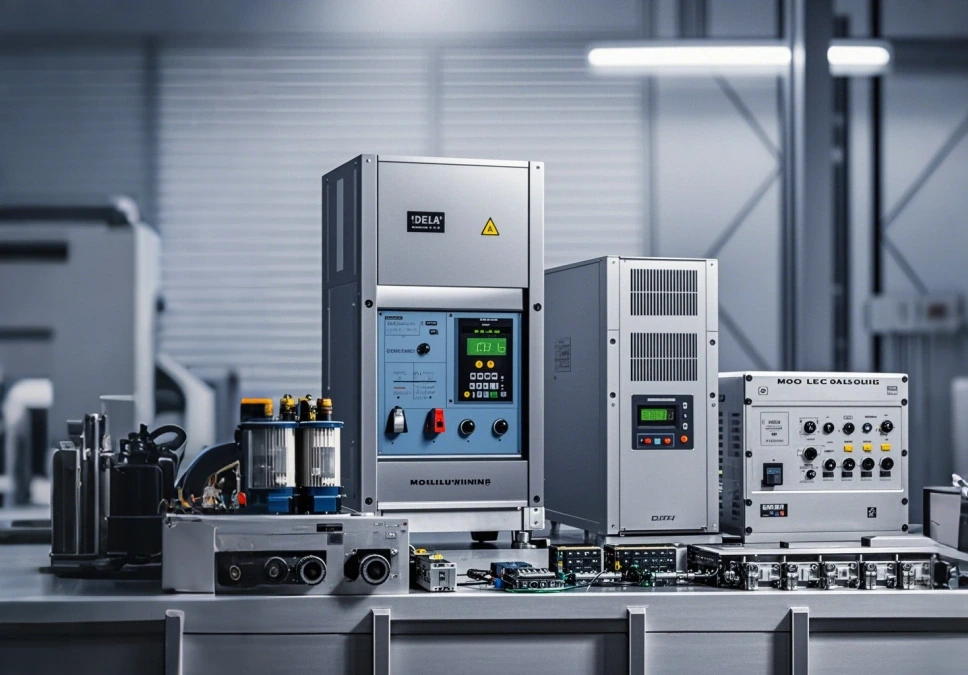
An industrial humidity controller stabilizes ambient air moisture to protect valuable product quality and prevent machinery corrosion.
The Critical Need for Atmospheric Regulation in Modern Factories
Water vapor invisible to the human eye poses a massive threat to industrial manufacturing processes. Uncontrolled ambient moisture damages sensitive raw materials and compromises expensive equipment performance across various sectors. Every modern manufacturing facility requires a reliable humidity controller to maintain air quality. This specialized device regulates moisture levels within critical production zones. Proper atmospheric control prevents biological mold growth on organic components. Furthermore, dry air eliminates dangerous electrostatic discharge risks in microelectronics assembly lines.Managers must prioritize real-time environmental monitoring to avoid sudden, expensive operational shutdowns.
High ambient moisture also degrades chemical mixtures and alters reaction rates in processing plants. Consistent environmental preservation remains a fundamental requirement for successful daily facility operations.
Decoding the Mechanics of an Industrial Humidity Controller
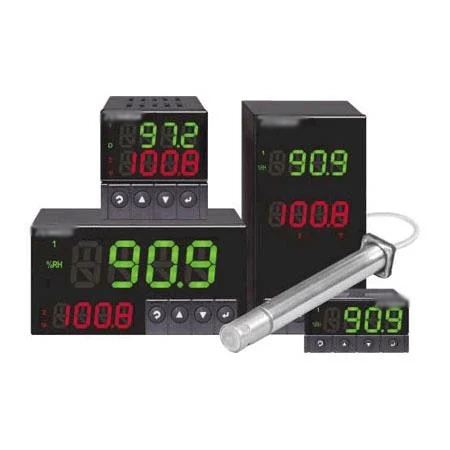
Electronic sensors within these systems measure water vapor content constantly. These instruments calculate relative humidity by detecting electrical capacitance changes in the surrounding air. Accurate measurements allow the system to trigger relays instantly. Humidifiers activate when the air becomes too dry for safe production. Conversely, industrial dehumidifiers start running when moisture levels exceed pre-set thresholds. Modern digital units feature microprocessors to process sensor signals with high precision. This continuous feedback loop maintains stable atmospheric conditions automatically. Industrial operators rely on this automation to protect vulnerable materials from sudden environmental shifts. Stable ambient conditions prevent expensive material swelling or contraction. Consequently, automated regulation preserves product integrity during long manufacturing cycles.
How Moisture Regulators Prevent Costly Electronic Damage
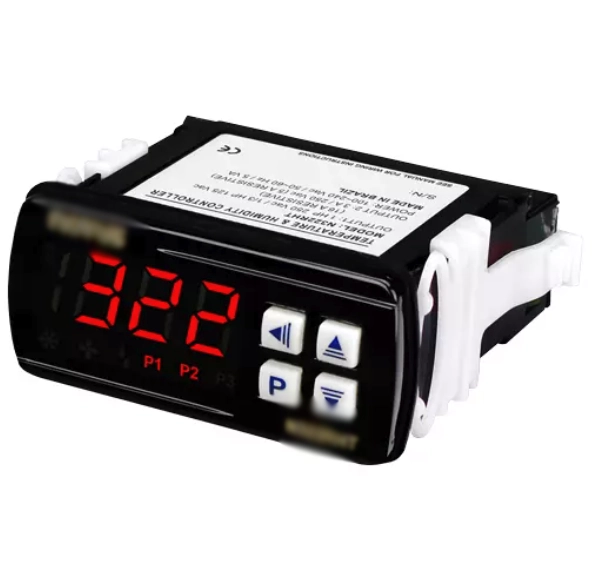
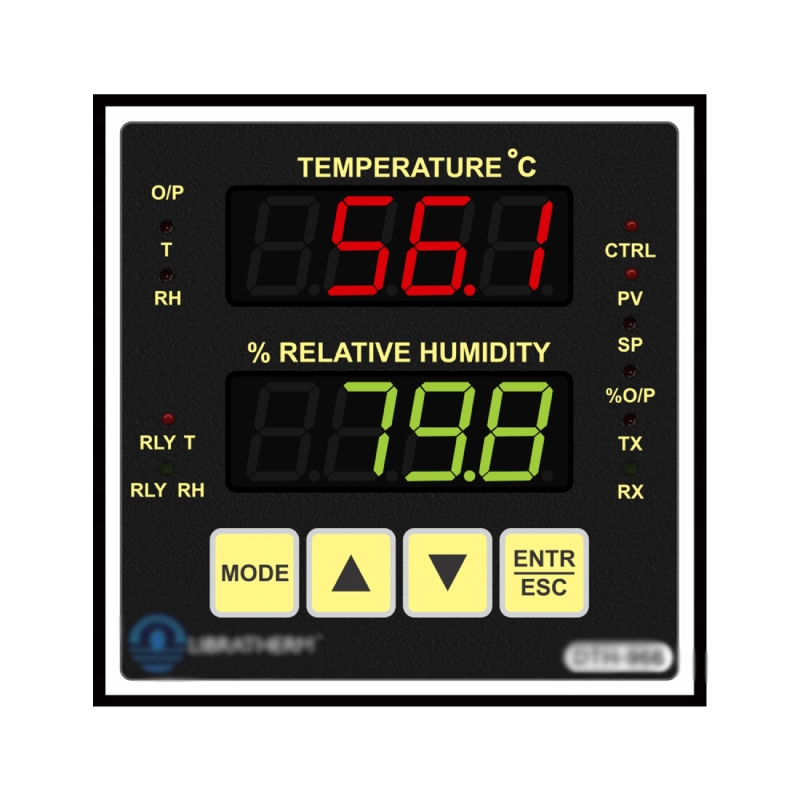
Electrostatic discharge represents a major threat in modern microelectronics assembly plants. Low humidity levels desiccate the air and cause static electricity buildup on work surfaces. This electrical accumulation discharges suddenly and destroys delicate silicon wafers instantly. Utilizing the SK-Z Single-Channel Digital Humidity Controller for Panels protects sensitive semiconductor modules from these voltage spikes. The DIN-rail mounted unit monitors relative humidity with remarkable accuracy. It triggers chemical humidification systems when environmental sensors detect dry conditions. Safe manufacturing environments require a constant relative humidity range between forty and sixty percent. Maintaining this specific range prevents latent defects in microchips. Quality control managers decrease scrap rates significantly by keeping atmospheric moisture within tight boundaries.
Corrosion Mitigation in Heavy Machinery and Metal Storage
Moisture in the air initiates electrochemical reactions on unprotected iron and steel surfaces. Rust forms rapidly when relative humidity levels exceed fifty percent in storage areas. This chemical oxidation compromises the structural integrity of expensive industrial machinery parts. Facility supervisors must control warehouse atmospheres to protect raw steel coils from degrading. Dehumidification systems remove moisture from the air to maintain safe dew point margins. Keeping ambient humidity low eliminates the need for messy protective oil coatings on metal parts.Technicians can work on clean machinery without cleaning heavy grease off components first.
Furthermore, rust prevention extends the lifespan of critical production tooling and die sets. Safe storage conditions preserve expensive assets for immediate use on assembly lines.
Recommended Industrial Parameters for Different Processing Sectors
Different manufacturing sectors require specific environmental conditions to achieve optimal product quality and consistency. Operating within these unique parameters prevents raw material degradation and ensures machine efficiency. For instance, pharmaceutical cleanrooms demand extremely dry environments to prevent active powders from clumping. Food processing facilities require precise control to inhibit dangerous microbial growth during packaging stages. Mechanical workshops need stable relative humidity to prevent steel tools from corroding. Managers utilize detailed environmental directives to program their facility HVAC systems accurately. The following data outlines these industry standards to highlight the diverse environmental needs across major manufacturing fields. Implementing these specific humidity ranges ensures long-term process reliability and reduces factory reject rates significantly.
| Industry Sector | Target Relative Humidity (RH) | Primary Production Risk |
|---|---|---|
| Semiconductor Fabrication | 35% - 45% RH | Electrostatic Discharge (ESD) and Dust Adhesion |
| Pharmaceutical Packaging | 20% - 35% RH | Powder Clumping and Chemical Degradation |
| Textile Spinning Mills | 50% - 65% RH | Yarn Breakage and Static Clinging |
| Automotive Painting | 60% - 70% RH | Paint Blistering and Uneven Coating Thickness |
Analyzing Sector-Specific Moisture Regulators and Operational Impacts
Analyzing the data shows that each industrial environment demands a distinct atmospheric strategy. Semiconductor plants require strict dry limits to avoid static electricity hazards. Conversely, textile mills need higher moisture to keep natural fibers flexible and strong. Utilizing an adjustable humidity controller allows plant operators to switch between these specific targets easily. This flexibility helps managers protect different assembly lines within the same industrial park. Furthermore, stable environments reduce mechanical wear on automated robotic arms. Correct moisture levels prevent electrostatic dust attraction on precision optical lenses. Modern facilities combine sensor telemetry with automated valves to maintain these specific targets continuously. Consequently, factory owners achieve greater operational efficiency by eliminating atmospheric variations.
Choosing the Right Humidity Controller for Your Facility
Selecting the correct hardware requires a deep analysis of facility layout and sensor capabilities. Engineers must evaluate sensor accuracy, response times, and enclosure ratings before purchasing equipment. Heavy-duty factories require dust-proof casings to protect sensitive internal microprocessors from airborne particles. Additionally, dual-stage output relays allow managers to control both humidifiers and dehumidifiers simultaneously. Choosing units with digital communication protocols simplifies integration with pre-existing plant network systems. This technical evaluation ensures long-term operational reliability in harsh industrial environments. Facility managers must also consider calibration requirements to maintain system accuracy over many years. The following table highlights the essential technical features to evaluate during the procurement process. These critical specifications determine the performance and lifespan of environmental control hardware.
| Technical Specification | Industrial Standard Value | Operational Benefit |
|---|---|---|
| Sensor Accuracy | ±2% RH or better | Prevents false readings and microchip manufacturing defects |
| Enclosure Rating | IP65 / NEMA 4X | Resists water sprays, dust intrusion, and corrosive gases |
| Output Relays | Dual-contact (5A/250VAC) | Controls high-power humidification and ventilation equipment |
| Communication Interface | RS-485 Modbus RTU | Enables remote monitoring via building management software |
Analyzing Technical Specifications and Hardware Performance
Analyzing these key specifications assists procurement teams in selecting robust equipment. High accuracy sensors prevent microchip manufacturing defects and reduce heating energy consumption. Furthermore, IP65 enclosures protect internal microprocessors from high-pressure water sprays and airborne metallic dust. These dual-contact relays allow direct electrical connection to heavy heating elements and ventilation fans. Additionally, Modbus serial interfaces let engineers monitor ambient parameters from a central factory control room. Utilizing standardized electronic equipment minimizes replacement parts inventories and simplifies new operator training. Correct hardware selection ultimately lowers long-term maintenance costs and extends overall system service life. Industry professionals avoid catastrophic sensor failures by investing in high-quality hardware from the very beginning of installation.
Optimizing Factory Environments with Advanced Environmental Controllers
Proper installation practices determine the final accuracy of industrial monitoring systems. Technicians must mount sensors away from direct heating sources and drafty warehouse doorways. Placing sensors near localized HVAC vents causes false readings and triggers machinery cycles unnecessarily. Furthermore, maintaining accurate calibration records ensures compliance with international quality standards during annual audits. Regular cleaning removes airborne aerosol oils and chemical residues from sensitive polymer sensor membranes. Facility managers should establish strict preventive maintenance schedules to prevent measurement drift over time. The following detailed list outlines the essential steps for successful sensor placement and calibration. Implementing these precise physical steps ensures peak equipment performance and protects manufacturing assets. Successful execution minimizes ambient fluctuations and reduces overall electrical utility bills.
- Mount sensor probes at a height of 1.5 meters to measure representative breathing-zone air.
- Shield environmental sensors from direct solar radiation to avoid high temperature errors.
- Avoid placing equipment near steam humidifier dispersion tubes or condensation lines.
- Run shielded cabling for analog signals to prevent industrial electromagnetic interference.
Essential Hardware Features for Automated Regulation Devices
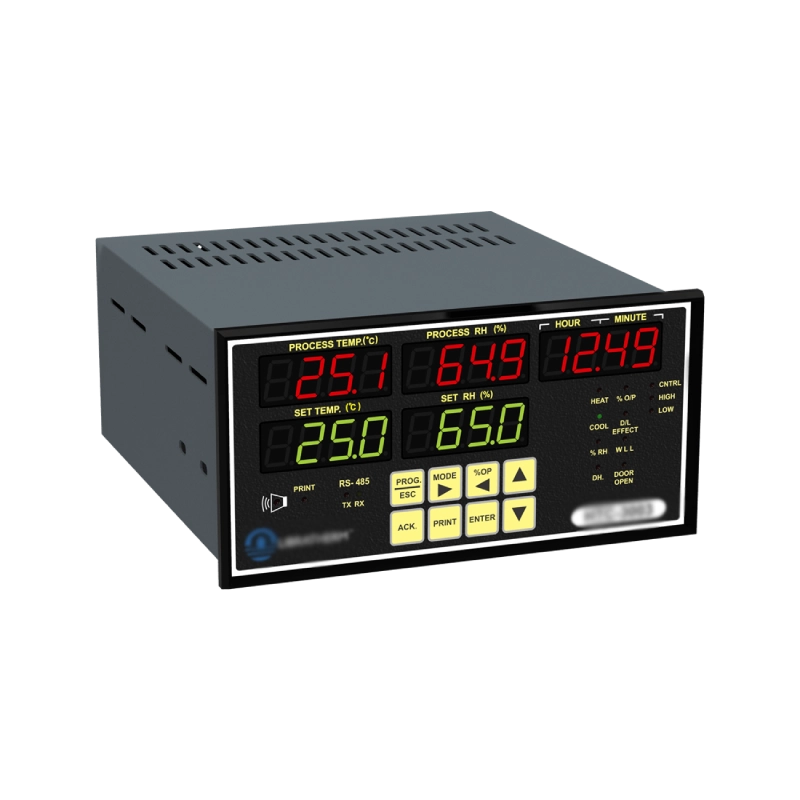
Adhering to these mounting rules prevents local microclimates from distorting factory environmental readings. Technicians protect fragile sensor elements from physical damage by using sturdy wall brackets. Furthermore, installing the S2K-Z Dual-Channel Digital Humidity Controller for Panels allows simultaneous tracking of two zones. This dual-zone capability helps operators monitor adjacent cleanrooms through a single interface. Shielded cabling prevents motor drives from introducing electrical noise into control loops. Additionally, proper sensor heights ensure that maintenance teams can access equipment easily for calibration. Consistent installation practices guarantee that different automated regulation systems work in perfect harmony. Consequently, production managers maintain stable pharmaceutical product quality across different specialized assembly departments. Reliable equipment performance limits expensive batch failures and increases factory output.
Regulatory Compliance and Strict Cleanroom Certification Standards
International regulators demand strict adherence to cleanroom standards in medical device manufacturing. Compliance agencies audit environmental logs to verify that facilities maintain correct relative humidity ranges. For example, ISO 14644 standards define specific cleanroom classifications that dictate moisture limitations. Furthermore, FDA regulations require continuous data logging to secure pharmaceutical production certificates. Facility operators must use certified calibration equipment to prove system accuracy during inspections. Reliable environmental control systems generate detailed electronic records to simplify these audits. Managers can print historical humidity trends to show compliance with good manufacturing practices. Ultimately, meeting these strict standards prevents expensive legal penalties and protects public health. Automated monitoring devices represent a vital tool for achieving cleanroom compliance certificates.
FAQ
What is the difference between active and passive moisture regulation in industrial facilities?
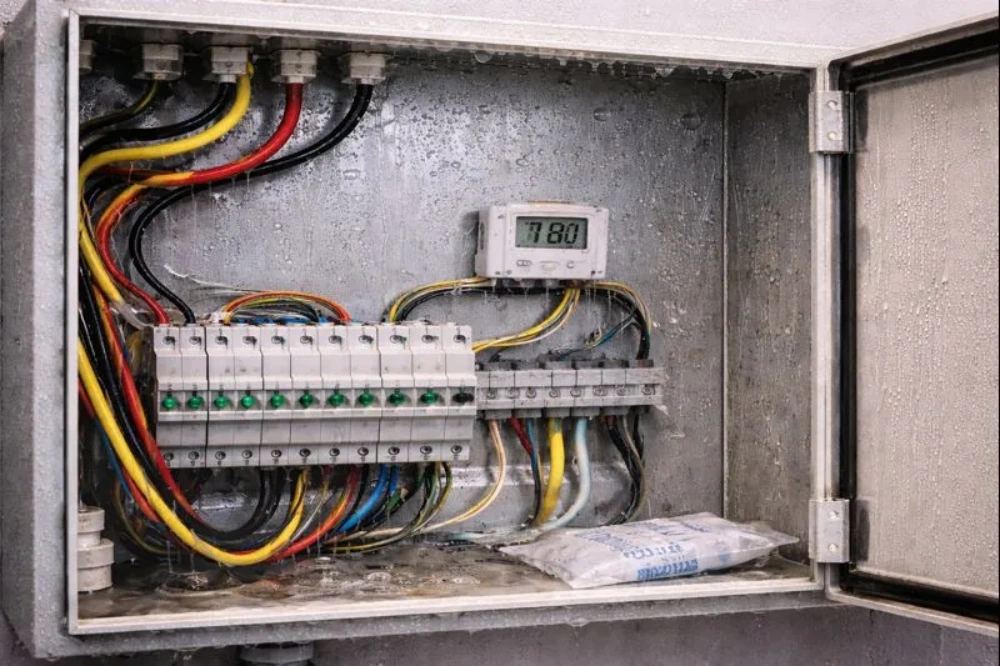
Mechanical active systems actively extract or add water vapor using electrical compressors or heaters. These units react instantly to sensor signals to maintain specific setpoints in dynamic production zones. Conversely, passive systems utilize desiccants like silica gel packs to absorb ambient water vapor naturally. Passive materials operate without electrical power but cannot adjust to sudden environment shifts. Additionally, desiccants require manual replacement once they reach saturation capacity. Industrial factories usually install active HVAC systems to manage large areas with variable moisture loads. Static protection methods shield small, sealed containers during product transportation or long-term warehouse storage.
How often should factory sensor probes undergo calibration?
Sensors in high-precision cleanrooms require calibration every six months to guarantee reliable readings. Technicians perform this check by connecting the humidity controller to a certified reference hygrometer. Furthermore, heavy industrial sites with dust or chemical exposure demand more frequent checks. Measurement drift occurs naturally when airborne particles coat the capacitive polymer membrane over time. Regular calibration schedules prevent expensive manufacturing errors that stem from inaccurate environmental data. Maintaining a detailed calibration log also ensures compliance with ISO quality standards during annual audits. Quality managers should replace old sensor probes every two years to maintain optimal system responsiveness.