How Do Suppliers Test Switchgear Lighting Products?
Switchgear lighting testing evaluates safety, durability, materials, and performance checks for reliable cabinet lighting solutions.
Why Is Switchgear Lighting Testing Important For Product Reliability?
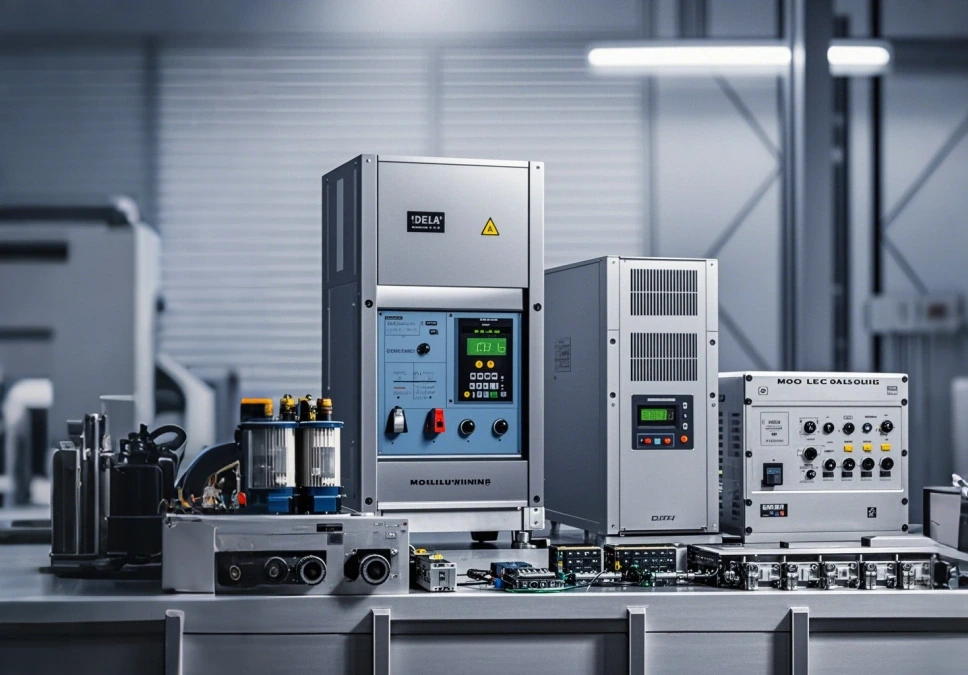
Switchgear lighting testing helps suppliers verify whether cabinet lighting products can operate safely in industrial environments. Electrical cabinets often face vibration, heat changes, dust, and continuous operation demands. Suppliers use detailed inspection procedures to evaluate product stability before shipment. These processes include electrical checks, component reviews, and environmental simulations. Reliable testing reduces product failures and improves customer confidence.
Professional manufacturers combine technical experience with strict quality control systems.They examine every important factor, from LED performance to housing strength. A complete testing process ensures lighting products can provide stable visibility inside switchgear cabinets during daily operations.
What Electrical Performance Tests Do Suppliers Conduct?
Electrical performance inspections are essential because cabinet lights must maintain stable operation near electrical equipment. Suppliers test voltage input, current output, power efficiency, and insulation performance. Engineers use measuring devices to record electrical values under different working conditions. These results help identify unstable drivers, weak connections, or inefficient components. Switchgear lighting testing also includes operating time assessments to confirm long-term reliability. The driver system receives special attention because it controls energy conversion and protects LED components. Suppliers review electrical data carefully to ensure products meet technical requirements. Accurate electrical testing supports safer applications and reduces unexpected maintenance costs.
How Does Switchgear Lighting Testing Verify Safety Standards?
Safety verification focuses on preventing electrical risks during product operation. Suppliers perform insulation resistance tests, dielectric strength evaluations, and grounding inspections. These procedures check whether protective structures can handle electrical stress. Testing teams inspect wiring connections, terminals, and protective covers to confirm proper installation. Industrial lighting products must maintain safe separation between energized parts and external surfaces. Switchgear lighting testing allows suppliers to identify possible safety problems before products enter the market. Manufacturers also review protection levels based on application conditions. A strong safety testing system improves product reliability and provides buyers with clearer quality information.
What Materials And Components Are Checked During Production?
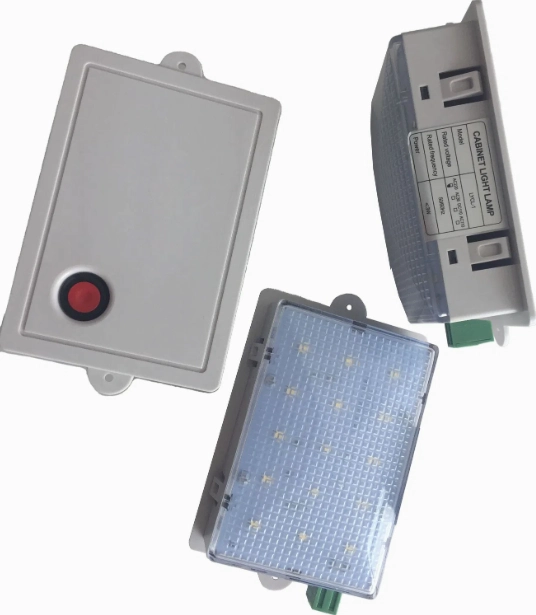
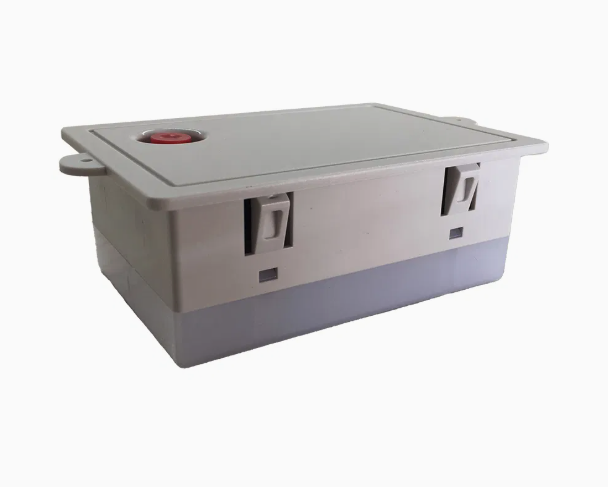
Material and component inspections influence product durability and operating performance. Suppliers examine LED chips because chip quality affects brightness consistency and service life. They also inspect drivers because these units manage voltage conversion and protect lighting circuits. Housing materials receive careful evaluation because they provide mechanical protection and heat management. Aluminum alloy structures can improve heat dissipation, while engineering plastics can provide insulation advantages. Wiring materials require proper resistance against heat and electrical stress. Protective covers need sufficient transparency and impact resistance. Products such as CM-1 Cabinet Light for Switchgear require accurate component evaluation to maintain reliable performance in demanding cabinet applications.
| Component | Inspection Focus | Performance Influence |
|---|---|---|
| LED Chip | Brightness, efficiency, lifespan | Stable lighting output |
| Driver | Voltage control and protection | Electrical reliability |
| Housing | Strength and thermal control | Mechanical durability |
| Wiring | Insulation and connection quality | Operational safety |
These inspections help suppliers maintain consistent product quality. Component evaluation also supports production improvement because engineers can identify weak points early. Buyers benefit from reliable information about product construction and expected performance.
How Do Suppliers Perform Environmental And Durability Tests?
Environmental testing evaluates whether lighting products can maintain performance under difficult conditions. Suppliers simulate temperature changes, humidity exposure, and mechanical vibration during inspections. Temperature cycling tests check whether materials expand or contract during repeated heating and cooling periods. Humidity tests examine possible moisture damage inside electrical structures.
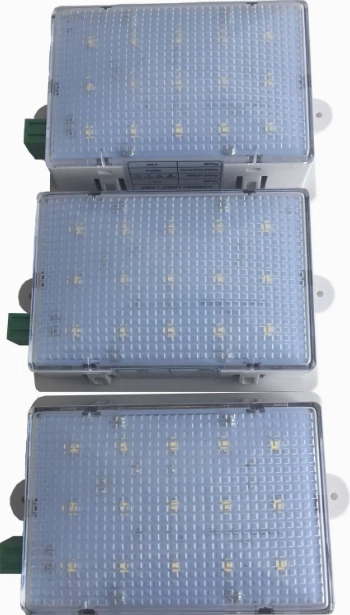
Vibration assessments help verify connection stability in industrial locations with moving equipment.Dust and water protection evaluations also support product reliability in harsh environments. Products like CM-L3 Explosion-Proof Cabinet Light for Switchgear require additional attention because special protection designs need precise manufacturing accuracy.
Key Testing Procedures Suppliers Use For Lighting Products
Suppliers follow structured inspection procedures throughout production. These steps help maintain consistent quality from incoming materials to final delivery. Switchgear lighting testing normally includes several important stages:
- Material inspection for component verification.
- Assembly inspection for installation accuracy.
- Electrical testing for operating stability.
- Environmental testing for durability evaluation.
- Final inspection for product approval.
| Testing Stage | Main Purpose | Evaluation Method |
|---|---|---|
| Material Check | Verify incoming parts | Visual and measurement inspection |
| Assembly Review | Confirm production accuracy | Structure and connection checks |
| Performance Test | Measure operating results | Electrical instruments |
| Final Review | Approve finished products | Complete quality inspection |
A complete inspection system creates detailed production records. Suppliers can track testing results and improve manufacturing processes. Buyers can review these records to evaluate product consistency and supplier capability.
How Do Quality Reports Support Supplier Evaluation?
Quality reports provide important evidence about supplier production control. These documents usually include testing methods, inspection results, technical specifications, and approval records. Buyers can review this information before selecting products for industrial projects. Detailed reports show whether suppliers maintain professional quality systems. They also improve communication between manufacturers and customers because technical information becomes easier to compare. Reliable suppliers usually keep complete inspection records for future reference. Clear documentation demonstrates production responsibility and supports stronger purchasing decisions.
How Can Buyers Evaluate Supplier Testing Capabilities?
Buyers should evaluate supplier testing capabilities before making purchasing decisions. Several factors can show whether a manufacturer has reliable quality management. Important evaluation points include:
- Modern testing equipment.
- Experienced technical staff.
- Complete inspection documents.
- Stable production procedures.
- Flexible customization support.
Suppliers with professional testing systems usually provide more consistent products. Buyers should request technical information and review testing methods carefully. A strong supplier can explain inspection processes clearly and provide practical quality evidence. This approach helps reduce risks during product selection.
Why Does Professional Testing Improve Long-Term Performance?
Professional testing improves long-term product performance by identifying possible issues before delivery. Suppliers analyze electrical stability, thermal behavior, and structural strength through multiple evaluations. These procedures help manufacturers improve designs and maintain production consistency. Reliable cabinet lighting products require accurate verification because failures can affect equipment visibility and maintenance efficiency. Testing experience allows suppliers to create better solutions for different industrial environments. Buyers who choose products with complete inspection records can reduce replacement costs and improve operational reliability.
FAQ
What Tests Are Used To Check Switchgear Lighting Quality?
Suppliers use electrical, environmental, and structural tests to check lighting quality. Common inspections include voltage testing, insulation measurement, temperature evaluation, vibration testing, and material analysis. These procedures confirm whether products can operate safely under industrial conditions. Suppliers also inspect LED chips, drivers, wiring systems, and protective structures. Complete testing records help buyers compare different suppliers and evaluate product reliability. A professional testing system reduces quality risks and supports stable lighting performance in switchgear applications.
How Long Does Switchgear Lighting Testing Usually Take?
Testing duration depends on product design, inspection requirements, and production volume. Basic electrical checks may require limited time, while environmental and durability evaluations need longer periods.
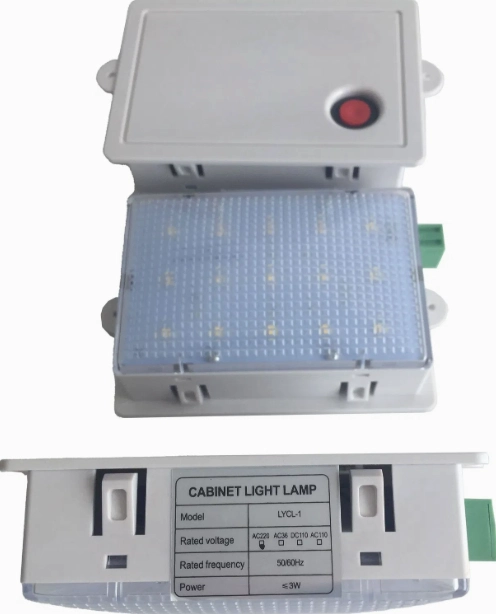
Suppliers create testing schedules according to technical specifications and customer requirements. Complex lighting products often require additional inspections because safety and reliability standards involve multiple procedures. Accurate testing remains important because rushed inspections may miss potential problems. Professional suppliers balance efficiency with detailed evaluation to ensure consistent product quality.
How Does Wholesale Light For Switchgear Ensure Quality?
Wholesale light for switchgear ensures quality through strict supplier inspections, component evaluations, and performance verification processes. Reliable manufacturers check LED chips, drivers, housing materials, wiring systems, and protective structures before delivery. They also perform electrical tests, durability assessments, and environmental simulations to confirm stable operation in industrial conditions. Quality control records help buyers review product consistency and supplier capabilities. Professional inspection procedures reduce failure risks and improve long-term reliability. By selecting suppliers with complete testing systems and documented quality management, buyers can obtain switchgear lighting products that provide safe performance and dependable service in different applications.