What Tests Are Used To Check Switchgear Lighting Quality?
Switchgear lighting quality depends on tests for brightness, color, insulation, heat resistance, durability, and electrical safety.
Why Switchgear Lighting Quality Matters in Electrical Cabinets
Switchgear lighting quality directly affects visibility during inspection, maintenance, and emergency operation. Cabinet lighting must illuminate critical components without excessive glare or distracting reflections. Poor lighting can hide terminal markings, wiring labels, and mechanical indicators. Uneven illumination can also create shadows around breakers and connection points. Reliable cabinet lighting should maintain stable output during normal operating conditions. Designers should consider cabinet dimensions, component arrangement, mounting height, and viewing angles. Compact enclosures can create concentrated shadows around dense electrical components. Larger cabinets may require broader light distribution across several working zones. Therefore, testing should cover optical, electrical, thermal, and mechanical factors. A reliable test program verifies these characteristics before production approval. Buyers can then compare measurable performance rather than judging lamps only by appearance.
What Performance Tests Evaluate Switchgear Lighting Quality?
A complete evaluation covers several performance categories rather than one simple brightness check. Optical tests determine whether light reaches important working areas effectively. Electrical tests examine insulation, voltage tolerance, current behavior, and connection safety. Thermal tests reveal whether components remain within acceptable operating temperatures. Environmental tests assess performance under moisture, temperature, vibration, and dust exposure. Mechanical tests examine structural stability during installation and cabinet operation. Long-duration testing can reveal gradual output reduction or driver instability. Each test should use defined conditions and calibrated measuring equipment. Reports should identify the product model, rated voltage, sample quantity, and test duration. Engineers should also record mounting position and cabinet configuration. These details make results easier to reproduce and compare. Combining multiple tests provides stronger evidence for engineering approval and procurement decisions.
How Is Illuminance Measured Inside Switchgear?
Illuminance testing measures visible light reaching a defined working surface inside the cabinet. The standard measurement unit is lux, represented by lx. Test engineers normally use a calibrated illuminance meter at selected cabinet locations. Measurement points should cover areas where technicians read labels and inspect terminals. A grid-based method can reveal uneven distribution across the enclosure. Readings near the lamp should not replace measurements from darker working areas. Cabinet depth matters because components can block direct light paths. Reflective metal surfaces may increase brightness while creating glare in specific zones. Engineers should record several points instead of one central reading. Average illuminance shows overall performance across the working area. Minimum illuminance can reveal poorly lit maintenance zones. Consistent distribution often matters more than maximum brightness. This method creates practical data for evaluating switchgear lighting quality under realistic cabinet conditions.
How Do Color Rendering and Color Temperature Affect Visibility?
Color performance affects how clearly technicians distinguish wires, labels, indicators, and component markings. Color rendering index, or CRI, describes how accurately a lamp reproduces object colors. Higher CRI values can improve recognition of colored conductors and identification markings. Correlated color temperature, or CCT, describes the apparent warmth or coolness of emitted light. Cooler white light often creates a crisp visual appearance inside electrical cabinets. Excessive blue content may cause visual discomfort during prolonged inspection. Manufacturers should select CCT according to working conditions and visual requirements. Test personnel can measure CRI and CCT with suitable optical instruments. Measurements should remain stable after extended operation rather than only during startup. Stable color output supports consistent visual conditions during repeated maintenance tasks. Buyers should review CRI and CCT alongside illuminance results. Brightness alone cannot confirm accurate visual recognition inside a switchgear enclosure.
What Electrical Safety Tests Should Lighting Systems Pass?
Electrical testing verifies whether cabinet lighting can operate safely with its intended power supply. Insulation resistance testing checks resistance between conductive circuits and accessible conductive parts. Dielectric withstand testing evaluates insulation strength under a controlled test voltage. Ground continuity testing verifies a reliable conductive path where protective grounding applies. Current consumption testing can identify abnormal behavior in LED drivers and power modules. Startup testing checks whether the lamp activates consistently at its rated supply voltage. Voltage variation testing can reveal sensitivity to unstable auxiliary power circuits. Engineers should select conditions according to product ratings and applicable requirements. Test personnel should record equipment settings, environmental conditions, measured values, and test duration. Strong switchgear lighting quality also requires stable electrical performance during normal operation. Results should identify abnormal heating, flicker, noise, or intermittent operation. These observations can reveal electrical problems that numerical measurements alone may overlook.
How Are Heat Resistance and Thermal Performance Tested?
Thermal testing examines temperature rise during continuous operation inside a representative enclosure. LED chips, drivers, resistors, PCB traces, connectors, and wiring can generate heat. The driver often becomes a major heat source because it regulates electrical energy. Engineers can place temperature sensors near critical components during controlled operation. Testing continues until temperatures stabilize or reach the specified duration. Results should compare measured temperatures with component operating limits. Excessive heat can accelerate insulation aging and reduce electronic component service life. High temperatures can also increase LED lumen depreciation during prolonged operation. Cabinet ventilation, lamp position, enclosure volume, and surrounding components influence thermal behavior. Testing should reproduce the intended mounting arrangement whenever practical. Engineers should inspect temperature values and functional performance after thermal exposure. Stable operation under heat provides important evidence for long-term reliability. Thermal results become especially valuable for compact cabinets and high-temperature installations.
Which Environmental Tests Check Long-Term Lighting Reliability?
Environmental testing evaluates whether lighting remains functional under changing physical conditions. Temperature cycling exposes components to repeated transitions between low and high temperatures. Humidity testing examines insulation materials, connectors, PCB assemblies, and metal surfaces under moisture exposure. Dust testing evaluates whether particulate contamination reaches sensitive internal components. Vibration testing checks solder joints, mounting brackets, connectors, and internal wiring. Mechanical shock testing can reveal weaknesses caused by transportation or sudden cabinet movement. Water protection testing may apply when the enclosure requires a defined ingress protection level. The applicable IP rating should match the intended installation environment. Engineers should inspect samples for cracks, corrosion, loose connections, and abnormal light output. Functional checks before and after exposure provide useful comparison data. Environmental testing can reveal failure modes that short demonstrations cannot expose. Results should include exposure conditions and test duration for reliable comparison.
What Durability Tests Should Buyers Request?
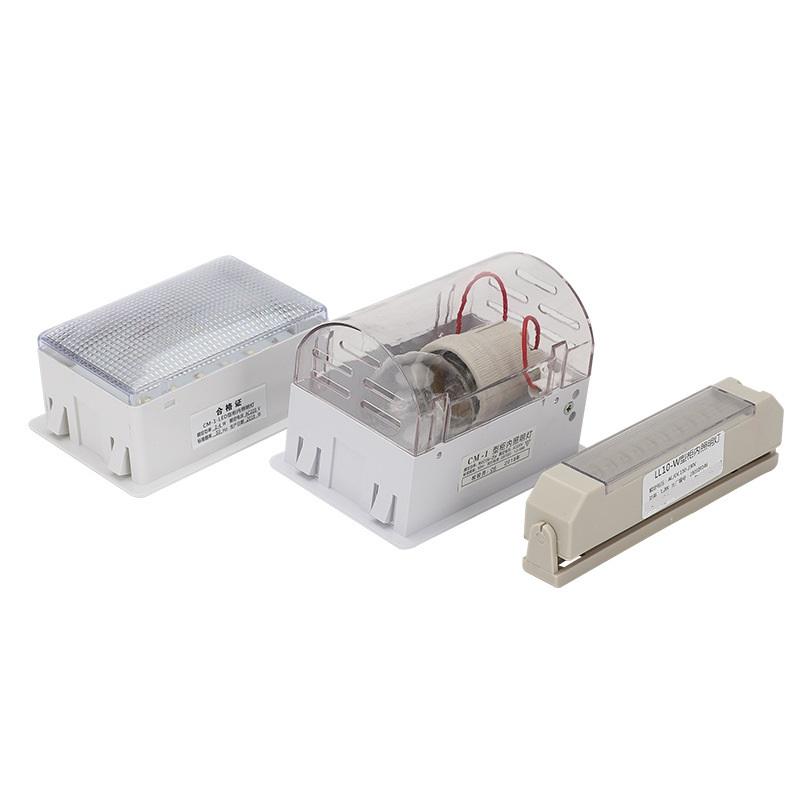
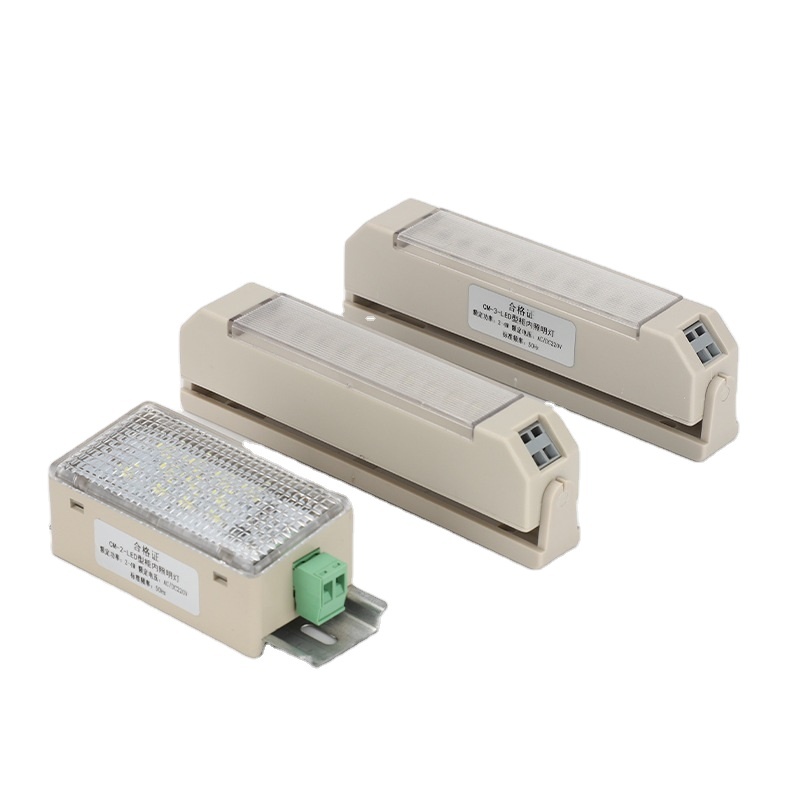
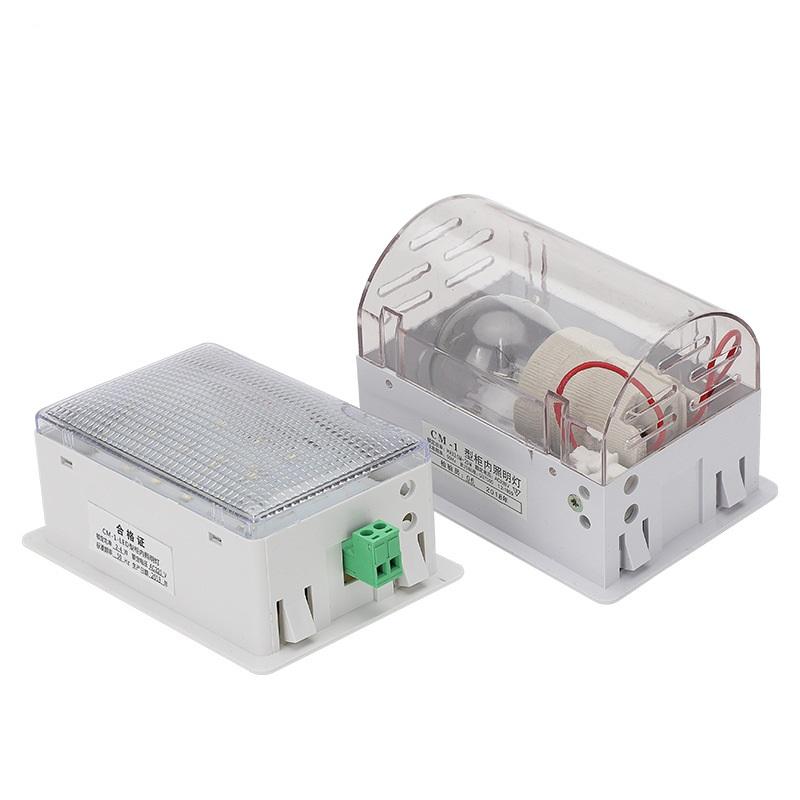
Durability testing focuses on repeated mechanical and electrical stresses during normal service. Cabinet doors may open and close many times during inspection and maintenance. Lighting switches, connectors, mounting brackets, and flexible cables can experience repeated movement. Engineers can simulate representative operating cycles under controlled conditions. Samples should remain securely mounted throughout the complete test sequence. Electrical contacts should maintain stable conductivity without excessive resistance growth. Mechanical fasteners should resist loosening caused by repeated vibration or handling. After cycling, technicians should inspect housing deformation, cable damage, connector wear, and light output. A suitable durability program combines mechanical cycling with functional verification. Testing should reproduce the actual mounting orientation whenever possible. CM-L2 Cabinet LED Light for Switchgear can undergo similar procedures when buyers need evidence of operational stability. Results should record both failures and gradual performance changes. This data helps distinguish durable products from samples that only perform well during initial testing.
How Should Light Stability and Test Results Be Evaluated?
Light stability testing checks whether illumination remains consistent during extended operation. Engineers can operate samples continuously at rated voltage and controlled ambient temperature. Measurements taken at regular intervals can reveal gradual output reduction. Flicker testing can identify rapid changes in light intensity caused by driver behavior. Voltage variation testing helps identify instability from fluctuating auxiliary power circuits. A stable driver should regulate LED current across its specified operating range. Poor driver design may create visible flicker, inconsistent brightness, or premature component degradation. Testing should examine startup, steady operation, restart behavior, and voltage changes. CM-L3 Explosion-Proof Cabinet Light for Switchgear may require additional evaluation for specialized hazardous environments. Its testing scope should reflect the intended enclosure design and applicable certification requirements. Reliable switchgear lighting quality requires consistent output throughout the intended operating period. Test reports should identify instruments, conditions, sample numbers, and measurement intervals. Consistent data gives buyers stronger evidence than a short initial brightness check.
Which Test Data Should Buyers Compare Between Suppliers?
Buyers should compare equivalent test parameters before using laboratory data for supplier selection. A higher brightness value does not automatically indicate better cabinet lighting. Measurement locations, ambient conditions, rated voltage, and operating duration can affect numerical results. Suppliers should therefore use comparable test methods and clearly defined conditions. Buyers should review optical, electrical, thermal, environmental, and durability evidence together. Production consistency also deserves attention because one excellent sample cannot represent an entire batch. Sample testing before larger production can reveal differences between approved specifications and actual output. The following points can help procurement teams organize technical evaluations:
- Illuminance and distribution across critical working areas
- CRI and CCT for visual recognition
- Insulation resistance and dielectric strength
- Temperature rise during continuous operation
- Environmental resistance under specified conditions
- Mechanical durability and operating cycles
- Light stability and flicker performance
- Traceability of test equipment and records
| Test Item | Main Parameter | Primary Purpose | Key Evidence |
|---|---|---|---|
| Illuminance | Lux | Verify usable brightness | Measurement records |
| Color performance | CRI / CCT | Evaluate visual recognition | Optical data |
| Insulation | Resistance | Check insulation integrity | Resistance values |
| Dielectric strength | Test voltage | Verify insulation strength | Withstand results |
| Thermal performance | Temperature rise | Assess heat behavior | Temperature records |
| Environmental resistance | Temperature / humidity / IP | Evaluate durability | Exposure results |
| Durability | Operating cycles | Check mechanical stability | Cycle records |
| Light stability | Output / flicker | Verify consistent operation | Time-based measurements |
How Does Production Control Affect Switchgear Lighting Quality?
Production control determines whether tested performance remains consistent across repeated manufacturing batches. LED quality can vary according to chip efficiency, bin selection, and thermal characteristics. Driver components require controlled sourcing because unstable parts can affect output consistency. PCB assembly requires accurate soldering, component placement, and inspection procedures. Connectors must maintain secure electrical contact without excessive mechanical stress. Housing assembly should protect internal components while allowing suitable heat dissipation. Incoming inspection can identify defective LEDs, drivers, terminals, and wiring materials before assembly. Process inspection can detect solder defects, loose connections, and incorrect component installation. Final inspection should verify electrical function, illumination, appearance, and critical dimensions. Buyers should review laboratory evidence together with production inspection records. Strong process control reduces variation between approved samples and delivered products. Consistent manufacturing practices support dependable performance throughout the product lifecycle.
| Production Control Area | Key Check | Potential Failure |
|---|---|---|
| LED sourcing | Chip consistency | Uneven brightness |
| Driver assembly | Current regulation | Flicker or unstable output |
| PCB soldering | Joint integrity | Intermittent operation |
| Wiring | Connection security | Voltage loss |
| Housing assembly | Mechanical fit | Loose components |
| Final inspection | Functional testing | Defective shipment |
FAQ
How Do Suppliers Test Switchgear Lighting Products?
Suppliers test switchgear lighting products through a combination of optical, electrical, thermal, and durability evaluations. The process usually begins with illuminance measurement to verify whether the lamp provides sufficient visibility inside the cabinet. Engineers also check insulation resistance, voltage tolerance, and current stability to confirm safe operation. Thermal tests examine temperature changes in LED chips, drivers, and circuit components during continuous operation. Environmental evaluations may include humidity, vibration, dust exposure, and temperature cycling. Suppliers should record test conditions, equipment details, and measured results for traceability. A complete testing process does not rely on brightness alone. Instead, it verifies whether lighting products can maintain stable performance throughout their expected service life. This approach helps buyers evaluate reliability, safety, and production consistency before approval.
How Is Lighting Performance Measured Inside a Switchgear Cabinet?
Engineers commonly measure lighting performance with a calibrated illuminance meter.
They select multiple measurement points across the cabinet working area. These points should include locations around terminals, labels, breakers, indicators, and maintenance zones. Readings are normally expressed in lux. Multiple measurements help identify uneven distribution and shadowed areas. Engineers can compare average, minimum, and maximum values to evaluate consistency. Test conditions should remain controlled during measurement. Supply voltage, ambient temperature, cabinet configuration, and lamp mounting position can affect results. Testing should therefore reproduce the intended installation arrangement whenever possible. Optical measurements can also include color rendering, color temperature, and flicker evaluation. Combining these parameters provides a broader assessment than brightness alone. Detailed measurement records also help buyers verify supplier claims.
Why Are Thermal and Electrical Tests Important for Cabinet Lighting?
Thermal and electrical tests address different but connected reliability risks. Electrical tests verify insulation strength, grounding continuity, voltage tolerance, and operating behavior. Thermal tests examine heat generated by LEDs, drivers, PCBs, and other components. Excessive temperature can accelerate component aging and reduce service life. Electrical stress can damage insulation or electronic circuits when components lack suitable margins. Both conditions may become more severe inside compact or poorly ventilated cabinets. Engineers should therefore evaluate lighting under realistic mounting and operating conditions. Test records should identify voltage, temperature, duration, and equipment used. Combining electrical and thermal evidence can reveal problems that a basic power-on test may miss. These checks support safer operation and more consistent cabinet lighting performance. They also provide useful evidence for supplier qualification and product approval.