How Often Should Switchgear Dehumidifiers Be Maintained?
Switchgear dehumidifier maintenance improves moisture control, insulation stability, and electrical system reliability.
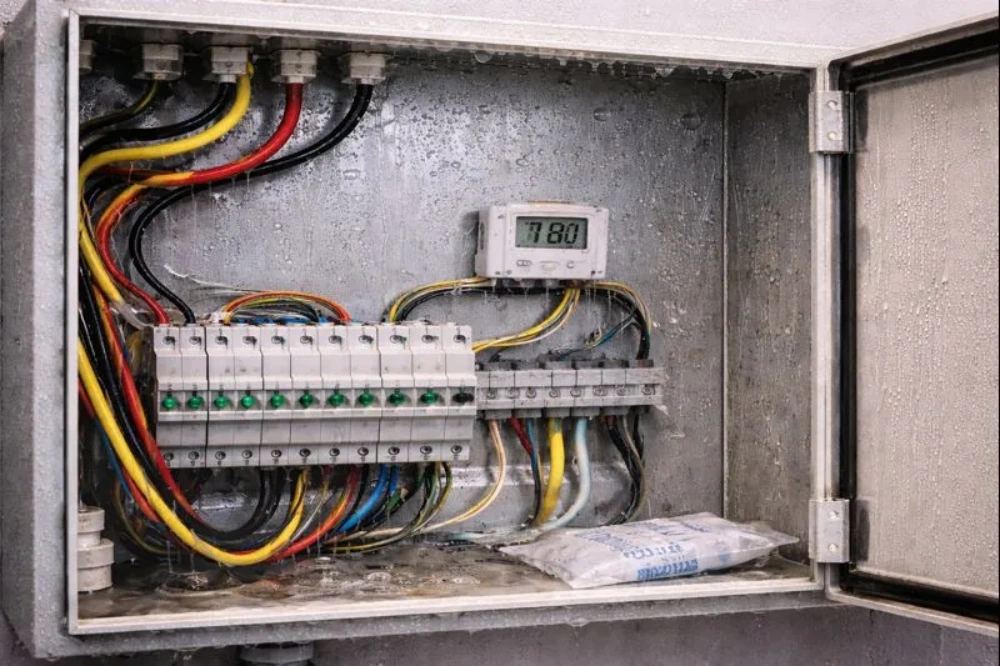
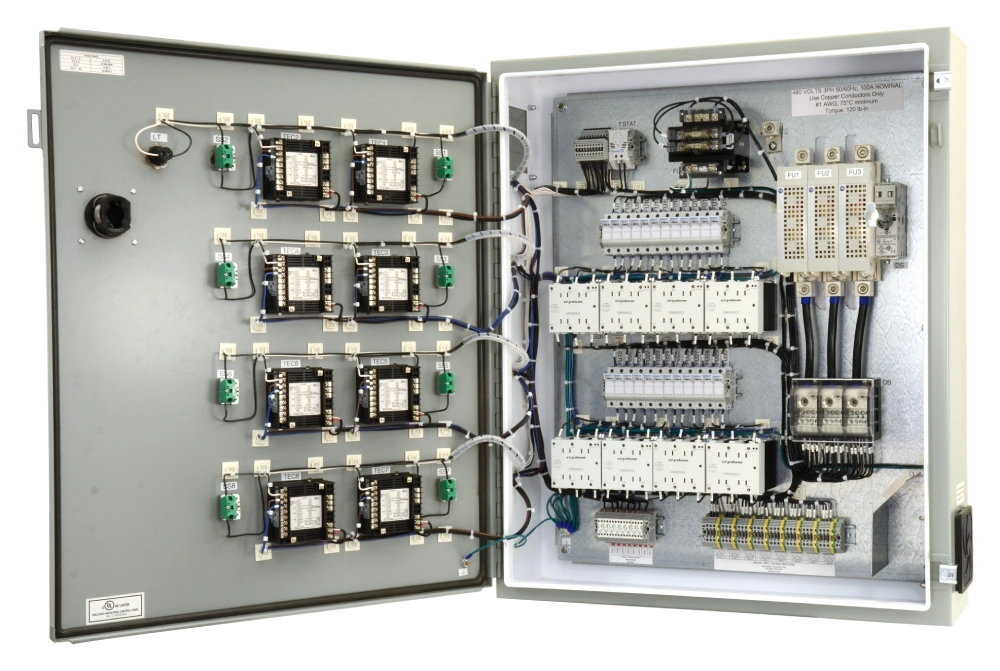
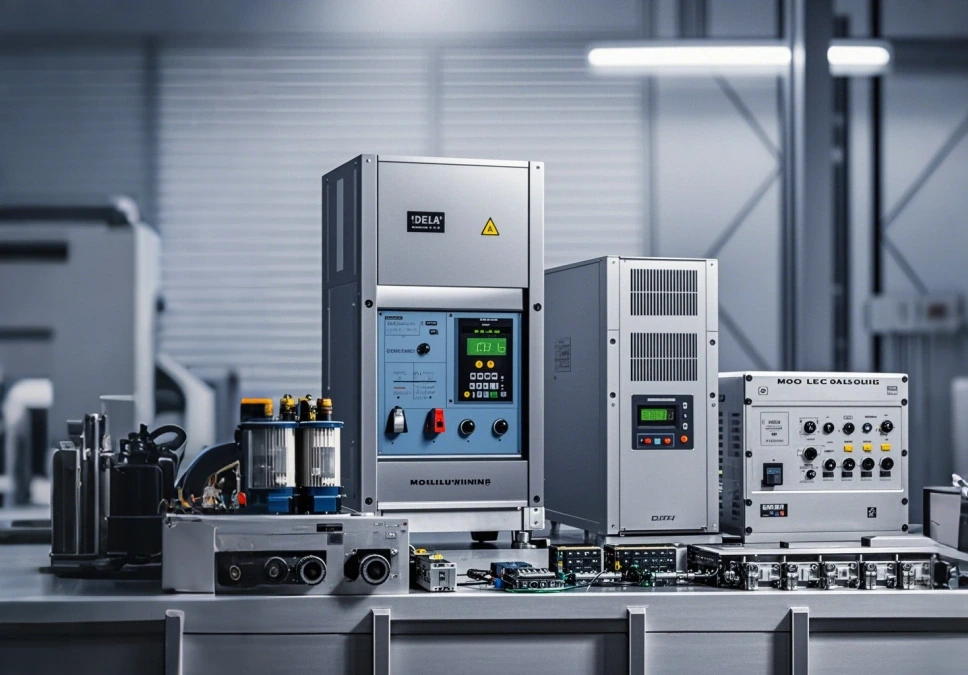
Switchgear cabinets operate under constant thermal and electrical stress. Moisture accumulation creates insulation instability and accelerates corrosion across conductive surfaces. Effective switchgear dehumidifier maintenance protects internal components from condensation damage and dielectric failure. Industrial facilities often install dehumidifiers inside medium-voltage and low-voltage panels to stabilize enclosure humidity. Chemical plants, substations, renewable energy systems, and manufacturing sites depend on controlled environmental conditions. Excess moisture also increases flashover risks during temperature fluctuations. Maintenance schedules therefore require technical planning rather than occasional inspection. Reliable humidity management supports longer equipment lifespan, stable switching performance, and safer electrical operation across critical industrial infrastructure.
Environmental Conditions Influence Maintenance Frequency
Maintenance frequency depends heavily on operating surroundings and enclosure exposure conditions. Indoor switchgear rooms usually experience stable temperatures and moderate humidity variations. Outdoor installations face stronger environmental pressure from rain, dust, thermal cycling, and seasonal humidity changes. Coastal facilities additionally encounter salt fog contamination that accelerates conductive corrosion. Heavy industrial plants often expose switchgear to oil vapor, conductive particles, and chemical gases. Technicians commonly perform visual inspections every three months under normal operating conditions. Severe industrial environments may require monthly verification procedures. Maintenance intervals should also reflect switching frequency, enclosure sealing quality, and ventilation efficiency within electrical distribution systems.
Core Components Require Consistent Technical Inspection
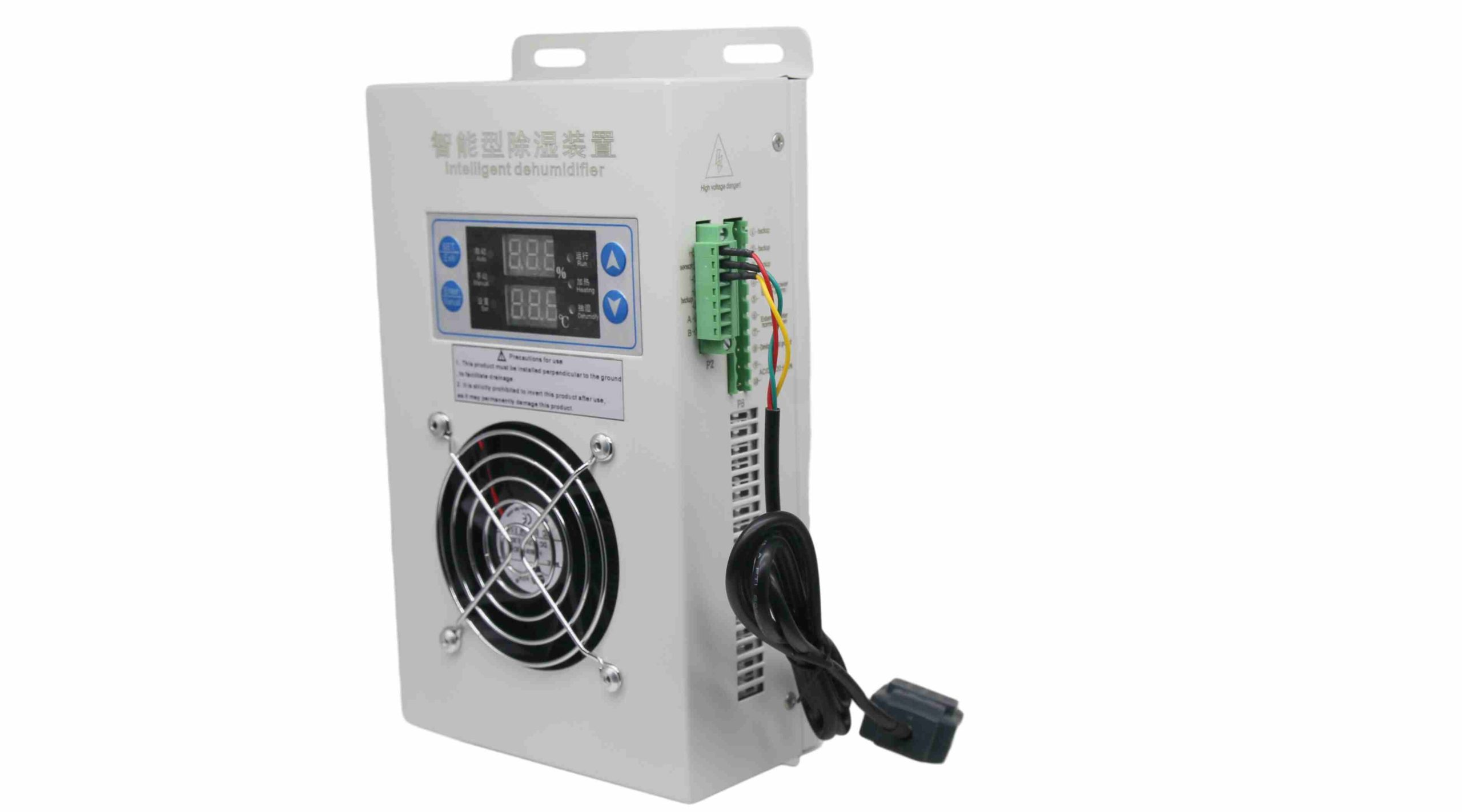
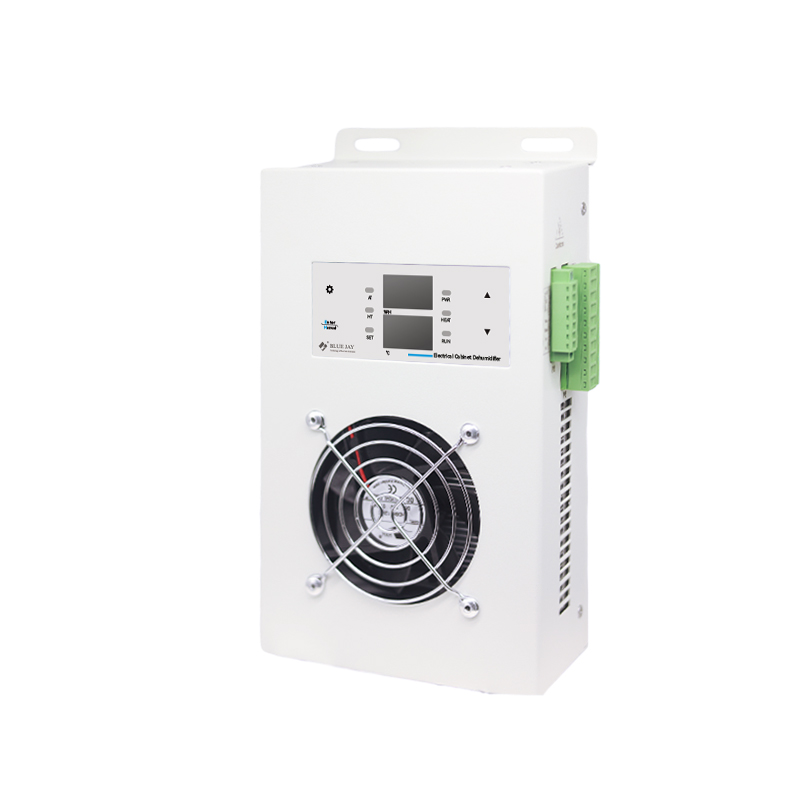
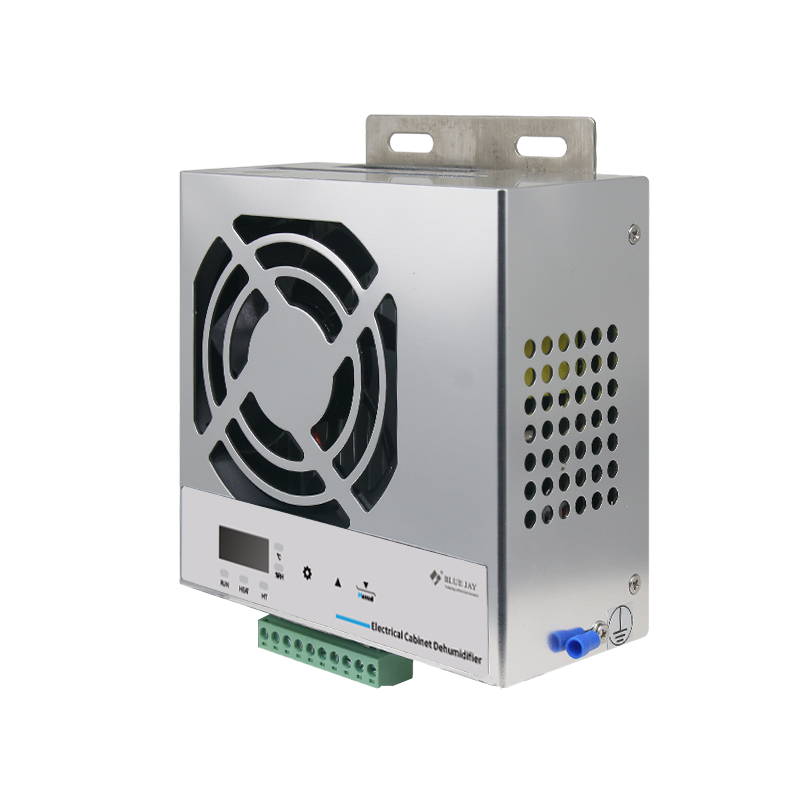
Several internal components directly affect dehumidifier reliability and moisture removal performance. Heating elements maintain enclosure temperature above condensation levels during environmental fluctuations. Hygrostats monitor internal humidity and activate thermal systems when moisture increases. Ventilation fans distribute warm airflow evenly throughout switchgear compartments. Drainage channels remove accumulated condensate from enclosed structures. Electrical terminals additionally require inspection because loose connections generate excessive heat during operation. Engineers often verify insulation resistance during maintenance procedures to detect early degradation. Surface contamination also deserves attention because conductive dust reduces dielectric strength. Consistent component evaluation helps facilities avoid unplanned outages and expensive emergency replacement work.
| Component | Inspection Focus | Recommended Interval | Main Operational Risk |
|---|---|---|---|
| Heating Element | Temperature consistency | Every 3 Months | Condensation formation |
| Humidity Sensor | Calibration accuracy | Every 6 Months | False humidity readings |
| Ventilation Fan | Airflow stability | Every 6 Months | Localized overheating |
| Drainage System | Water blockage detection | Monthly | Water accumulation |
| Electrical Connections | Terminal tightness | Every 3 Months | Thermal hotspots |
Inspection Procedures Improve Electrical Reliability
Routine inspections should combine electrical testing with mechanical evaluation procedures. Technicians typically begin with visual examination of enclosure sealing surfaces and panel interiors. Corrosion marks around copper busbars frequently indicate excessive moisture exposure. Thermal imaging systems help identify abnormal heating around terminals and heater circuits. Electrical continuity testing additionally confirms stable operation of heating elements and sensors. Maintenance teams often clean internal surfaces using dry compressed air to remove conductive contamination. Dust accumulation restricts airflow and reduces thermal efficiency inside compact switchgear structures. Detailed inspection records also support trend analysis and long-term reliability planning across industrial power distribution systems.
Switchgear Dehumidifier Maintenance Supports Insulation Stability
Electrical insulation performance depends strongly on stable humidity conditions inside metal enclosures. Excess moisture lowers insulation resistance and increases leakage current across energized components. Effective switchgear dehumidifier maintenance minimizes dielectric stress during seasonal temperature variation and equipment loading changes. Industrial substations often experience rapid nighttime cooling that creates internal condensation. Moisture droplets forming on insulation surfaces significantly increase arc flash probability during switching operations. Engineers therefore monitor humidity levels carefully in medium-voltage applications and outdoor installations. Consistent maintenance procedures also reduce premature aging of insulation materials, cable terminations, molded components, and epoxy support structures inside switchgear assemblies.
Environmental Contaminants Accelerate Internal Equipment Damage
Industrial contaminants frequently intensify humidity-related reliability problems inside electrical enclosures. Cement plants generate fine particulate dust that settles across insulation surfaces and cooling pathways. Petrochemical facilities expose switchgear systems to sulfur compounds and hydrocarbon vapor contamination. Coastal substations encounter airborne chloride particles that accelerate metal oxidation processes. High humidity combines with contaminants to create conductive residue inside panel compartments. Thermal cycling additionally worsens condensation formation during changing operating temperatures. Engineers often shorten inspection intervals whenever contamination levels increase substantially. Preventive cleaning and environmental sealing therefore remain essential for stable dehumidifier performance and long-term electrical reliability within industrial infrastructure.
| Environmental Factor | Primary Impact | Maintenance Adjustment | Typical Industry |
|---|---|---|---|
| Salt Fog | Accelerated corrosion | Monthly inspection | Coastal utilities |
| Dust Accumulation | Restricted airflow | Frequent cleaning | Cement plants |
| Chemical Vapor | Insulation degradation | Sensor verification | Petrochemical plants |
| High Humidity | Condensation increase | Continuous monitoring | Outdoor substations |
Proper installation ensures long term operational stability and reduces failure probability.
Warning Signs Indicate Shorter Maintenance Intervals
Several operational symptoms indicate that maintenance intervals require immediate adjustment. Condensation appearing repeatedly inside enclosure windows suggests insufficient thermal regulation. Rising humidity alarms often indicate sensor instability or heating element degradation. Corrosion around grounding points also reveals prolonged moisture exposure within electrical compartments. Abnormal heater current measurements may signal partial heating failure or deteriorating electrical connections. Operators sometimes detect unusual odor caused by overheating insulation or contaminated thermal components. Moisture stains around drainage outlets additionally indicate blocked condensate pathways. Fast corrective action prevents small humidity problems from developing into major insulation breakdown events or operational interruptions.
Preventive Maintenance Reduces Operational Downtime
Preventive maintenance strategies improve operational continuity across industrial electrical systems significantly. Stable humidity control lowers the probability of short circuits and insulation flashover events. Facilities implementing scheduled inspection programs frequently report fewer emergency shutdown incidents. Consistent maintenance also reduces replacement frequency for heaters, relays, sensors, and enclosure accessories. Industrial operators benefit from improved equipment lifespan and predictable maintenance budgeting. Reliable dehumidifier operation further protects transformers, breakers, and busbar systems connected to switchgear assemblies. Maintenance planning should therefore integrate humidity control into broader electrical reliability management procedures. Strong preventive programs ultimately improve safety performance while minimizing production losses caused by unexpected electrical failures.
Best Practices for Long-Term Humidity Control
Industrial maintenance teams often apply several practical methods to strengthen humidity management performance. Effective procedures usually combine environmental monitoring with detailed mechanical inspection routines. Strong enclosure sealing prevents outside moisture infiltration during seasonal weather fluctuations. Proper airflow management additionally improves thermal distribution inside compact switchgear structures. Maintenance personnel should maintain detailed service documentation for trend comparison and operational analysis. Consistent calibration also improves humidity sensor accuracy during long-term industrial operation.
- Verify heater current during routine inspections
- Replace damaged sensors immediately after detection
- Clean ventilation pathways using dry compressed air
- Inspect insulation surfaces for conductive tracking marks
- Monitor corrosion near copper busbars and terminals
- Record humidity fluctuations using digital monitoring systems
Digital Monitoring Improves Maintenance Planning
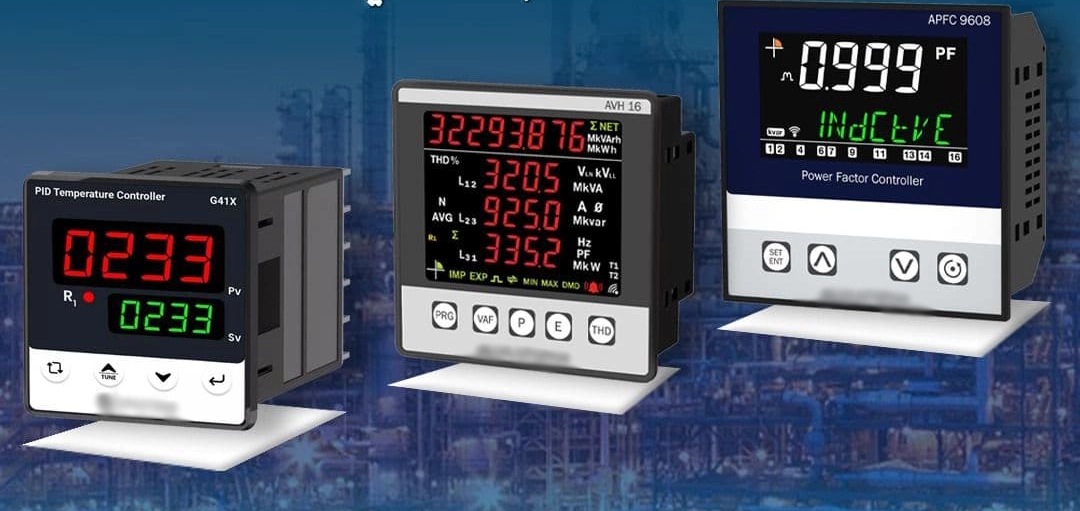
Modern monitoring platforms improve maintenance efficiency through continuous environmental supervision. Smart humidity sensors provide real-time operating data across distributed switchgear networks. Remote SCADA systems immediately transmit alarm notifications during abnormal humidity conditions. Predictive analytics platforms additionally identify gradual performance degradation before critical failure occurs. Thermal imaging devices frequently reveal overheating terminals and unstable heater operation inside electrical enclosures. Facilities integrating digital diagnostics often reduce unexpected downtime significantly. Remote monitoring also improves maintenance scheduling because technicians respond according to actual operating conditions rather than fixed inspection intervals. Data-driven maintenance planning therefore supports stronger reliability performance across industrial power distribution infrastructure.
Switchgear Dehumidifier Maintenance Enhances System Longevity
Long-term electrical reliability depends heavily on moisture prevention inside energized equipment compartments. Effective switchgear dehumidifier maintenance protects insulation systems, conductive surfaces, and temperature-sensitive electrical components from accelerated deterioration. Industrial operators increasingly prioritize humidity control because environmental instability threatens operational continuity and workplace safety. Well-maintained dehumidifiers support stable dielectric performance during heavy electrical loading and changing climate conditions. Scheduled inspections additionally improve operational predictability and reduce costly emergency repair situations. Facilities combining preventive inspection with digital monitoring strategies generally achieve stronger equipment stability. Consistent maintenance planning therefore remains essential for reliable switchgear performance throughout demanding industrial operating environments.
FAQ
What inspection interval works best for industrial switchgear dehumidifiers?
Most industrial facilities perform routine inspection every three months under standard operating conditions. Outdoor installations usually require more frequent verification because environmental exposure increases moisture accumulation risks. Coastal substations often receive monthly inspection due to airborne salt contamination and strong humidity fluctuations. Maintenance schedules should also consider enclosure ventilation, switching frequency, and operating temperature variation. Technicians commonly inspect heaters, sensors, airflow systems, and drainage channels during each service cycle. Facilities using predictive monitoring systems sometimes adjust schedules according to real-time humidity trends and operational data rather than relying entirely on fixed maintenance intervals.
What problems appear when dehumidifier servicing becomes inconsistent?
Poor maintenance often allows condensation to develop inside switchgear enclosures during temperature fluctuations. Moisture exposure gradually lowers insulation resistance and increases leakage current across energized components. Corrosion also develops faster around copper busbars, grounding points, and electrical terminals. Contaminated airflow pathways reduce heating efficiency and create localized humidity buildup inside compact compartments. Unstable humidity sensors may generate inaccurate alarm conditions or delayed heater activation. Long-term neglect significantly increases the probability of flashover incidents and insulation failure. Industrial facilities frequently experience unexpected downtime, expensive equipment replacement, and reduced operational reliability when moisture control systems receive insufficient maintenance attention.
What Is A Dehumidifier For Switchgear Power Systems?
A dehumidifier for switchgear power systems controls internal humidity inside electrical enclosures and distribution cabinets. These devices prevent condensation from forming on insulation surfaces, copper busbars, and energized electrical components. Industrial facilities commonly install dehumidifiers within medium-voltage and low-voltage switchgear assemblies operating in humid environments. Heating elements, humidity sensors, and airflow systems work together to stabilize enclosure conditions continuously. Proper moisture control reduces insulation degradation, corrosion development, and short-circuit risks during temperature fluctuations. Engineers frequently combine dehumidifiers with monitoring systems and enclosure sealing solutions for stronger operational protection. Reliable humidity management therefore improves equipment lifespan, electrical stability, and industrial power system safety performance.