Why Is Quality Control Important For VDIS Indicator Systems?
VDIS indicator system quality ensures accurate voltage detection, stable performance, safety compliance, and reliable electrical solutions.
The Role of Quality Control in VDIS Indicator System Quality
VDIS indicator system quality plays an essential role in modern electrical protection and monitoring applications. These systems help operators identify voltage presence in switchgear and distribution equipment. Reliable quality control ensures accurate signals, stable operation, and safer maintenance processes. Manufacturers need strict production procedures because small defects in sensing components or circuits may create incorrect indications. Professional quality management covers material inspection, assembly control, electrical testing, and final verification. Each production stage affects the performance of the complete indicator system. Strong quality practices also help suppliers provide consistent products for different voltage applications and demanding industrial environments.
Quality Control Factors During VDIS Indicator Manufacturing
Manufacturing reliability depends on multiple technical factors that influence product stability and service life. Engineers evaluate electronic components, housing materials, insulation structures, and connection methods before production begins. A complete inspection system reduces unexpected failures during field operation. High-quality manufacturing usually includes detailed testing procedures and controlled production conditions.
Important quality control checkpoints include:
- Component inspection for electronic parts and sensing elements.
- Electrical testing for voltage detection accuracy.
- Insulation verification for operational safety.
- Environmental testing for temperature and humidity resistance.
- Final inspection for appearance and functional performance.
Manufacturers also record testing results throughout production. These records support traceability and help identify potential issues quickly. Consistent inspection methods create stronger product reliability and improve customer confidence.
Key Components That Influence VDIS Indicator System Quality
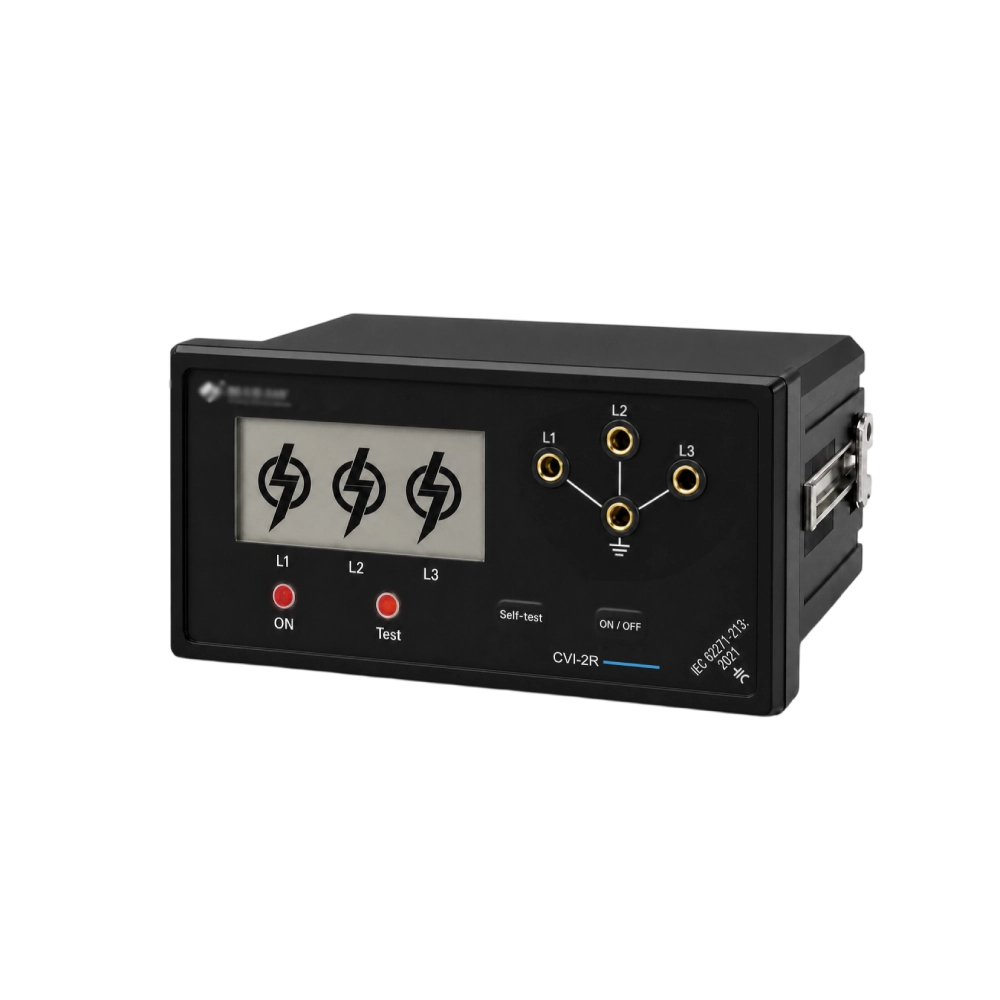
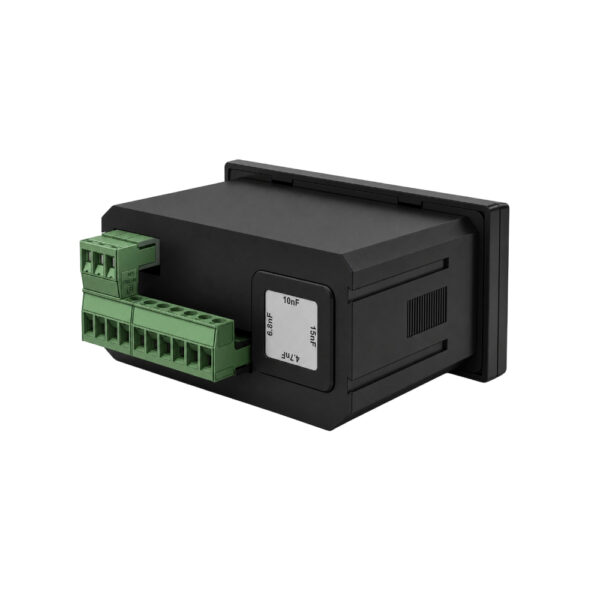
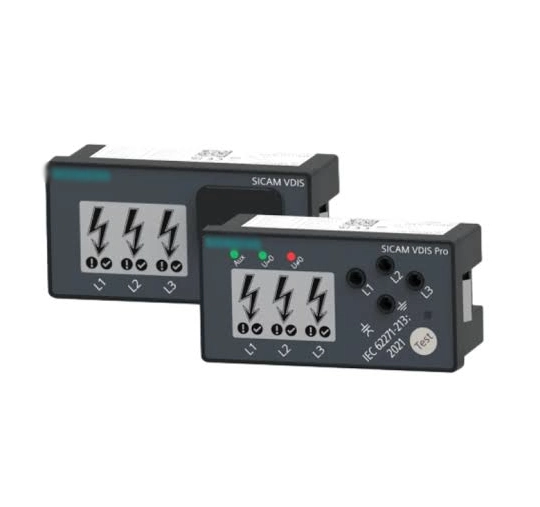
Electronic components directly affect detection accuracy and long-term stability. Voltage sensing elements must maintain reliable performance under continuous electrical stress. LED indicators require stable brightness and accurate signal transmission because operators depend on clear visual information. Circuit protection components also reduce damage risks caused by abnormal conditions. Terminal connections require suitable materials and precise structures to maintain strong electrical contact. In many industrial applications, manufacturers select flame-resistant housings and durable insulation materials to improve safety. The 106x26mm Voltage Detecting Indicating System OEM/ODM solution represents a customized approach where manufacturers optimize dimensions, functions, and production requirements according to specific equipment designs.
Testing Standards Supporting Reliable Indicator Performance
Quality testing provides measurable information about product reliability before shipment. Manufacturers perform different evaluations to confirm electrical performance and mechanical durability. Voltage accuracy tests verify whether the indicator provides correct status information under rated conditions. Insulation resistance tests check whether internal circuits maintain safe separation from external surfaces. Dielectric strength tests examine protection capability against high voltage stress. Environmental tests evaluate operation under temperature changes, humidity exposure, and industrial conditions. These procedures help maintain stable performance during long-term applications.
| Quality Control Item | Testing Method | Purpose |
|---|---|---|
| Voltage Detection Accuracy | Electrical Performance Testing | Confirm correct voltage indication |
| Insulation Capability | Resistance and Dielectric Tests | Improve equipment safety |
| Environmental Resistance | Temperature and Humidity Testing | Support harsh operating conditions |
| Component Reliability | Material Inspection | Maintain stable product performance |
Manufacturing Processes That Maintain Stable Product Performance
The testing data above shows how different inspection methods support dependable operation. Manufacturers combine these methods with controlled assembly processes to maintain consistency. Production teams monitor component installation, soldering quality, and circuit accuracy during manufacturing. Automated testing equipment can detect small performance differences between individual units. Manual inspections also remain important because experienced technicians can identify physical issues that machines may overlook. A complete manufacturing system includes production records, quality checkpoints, and sample verification. These practices reduce quality variation and support reliable delivery for customers requiring stable electrical monitoring equipment.
Manufacturing Processes That Maintain Consistent VDIS Indicator System Quality
Production consistency requires more than individual component testing. Manufacturers need systematic control throughout every manufacturing stage. A stable process includes incoming material inspection, precise assembly procedures, electrical calibration, and final performance evaluation. Production engineers review process parameters to reduce errors caused by human operation or equipment variation. Quality teams also maintain inspection records for future analysis and improvement. Reliable factories often use standardized workflows that ensure every unit meets technical requirements before delivery. These practices strengthen product performance and help users achieve safer operation in switchgear systems. Effective manufacturing management also supports customized production demands without reducing reliability or efficiency.
| Manufacturing Stage | Main Control Method | Quality Result |
|---|---|---|
| Material Selection | Supplier Evaluation and Component Inspection | Reliable raw materials and stable electrical properties |
| Assembly Process | Process Monitoring and Technical Verification | Accurate installation and reduced production errors |
| Performance Testing | Electrical and Environmental Evaluation | Stable operation under different conditions |
| Final Inspection | Functional Check and Appearance Review | Consistent shipment quality |
How Suppliers Maintain High Reliability Through Quality Management
Professional suppliers focus on complete quality systems rather than simple product inspection. They create detailed production standards that cover design verification, material control, and performance testing. Experienced manufacturers analyze application requirements before developing solutions for different electrical environments.They also provide technical communication during customization, sampling, and mass production stages.
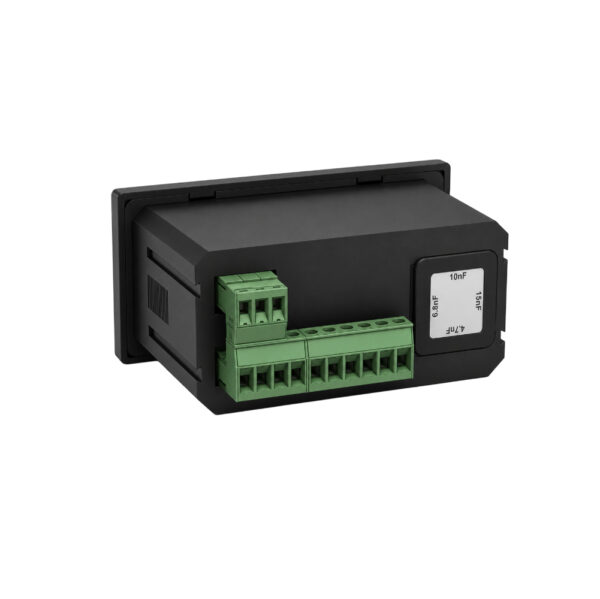
A reliable supplier understands that voltage indication equipment requires accurate signals because incorrect information may affect maintenance decisions.Inductive High Voltage Indicator Display products require strong component coordination and precise manufacturing control to achieve dependable operation. Quality management also includes continuous improvement programs that help manufacturers optimize production efficiency and maintain stable product performance over time.
Benefits of Strong Quality Control for Long-Term Electrical Applications
High-quality manufacturing creates measurable advantages for equipment operators and system integrators. Reliable indicator systems reduce maintenance risks because operators receive accurate voltage status information. Stable components also help extend service life and reduce replacement frequency. Industrial environments often involve vibration, temperature changes, and electrical stress, so durable construction becomes important. Manufacturers with strict quality procedures can provide products that maintain performance under challenging conditions. Customers benefit from fewer operational interruptions and improved confidence in electrical safety. Strong quality practices also support compliance with technical requirements and market expectations. A dependable quality system creates long-term value for users who require continuous monitoring solutions.
Choosing Reliable Solutions Through Better Quality Standards
Selecting suitable electrical monitoring equipment requires attention to manufacturing capability and quality verification. Buyers should review supplier experience, testing procedures, production facilities, and customization services before cooperation. A professional manufacturer should provide clear technical information and demonstrate consistent production ability. Quality documentation, inspection records, and product testing results help buyers evaluate reliability. Companies that invest in advanced manufacturing systems usually provide stronger support throughout product development. Careful supplier selection reduces potential risks and improves application stability. VDIS indicator system quality remains a key consideration because it directly influences detection accuracy, operational safety, and long-term equipment performance.
| Evaluation Factor | Important Details | Customer Benefit |
|---|---|---|
| Production Experience | Industry knowledge and manufacturing capability | Better technical support |
| Testing Capability | Complete electrical and environmental testing | Higher product confidence |
| Customization Service | Flexible design and specification adjustment | Suitable solutions for different equipment |
| Quality Documentation | Inspection records and process control data | Improved purchasing decisions |
Future Development Trends in Electrical Indicator Quality Management
Modern electrical industries continue to demand safer and more intelligent monitoring solutions. Manufacturers are improving quality systems through digital production management and advanced inspection technologies. Automated equipment can collect performance data and identify production variations quickly. Smart manufacturing methods also help suppliers maintain consistency during large-scale production. Future indicator systems may include improved sensing technologies, stronger communication functions, and enhanced environmental resistance. Quality control will remain important because electrical applications require dependable operation over extended periods. Suppliers that combine technical innovation with strict manufacturing management can better meet changing market requirements. Continuous improvement allows manufacturers to deliver reliable products while supporting safer electrical infrastructure.
FAQ
What Does VDIS Indicator System Quality Include?
VDIS indicator system quality includes several important performance factors, such as voltage detection accuracy, insulation reliability, component durability, and operational stability. A qualified system should provide clear voltage status signals under different working conditions. Manufacturers evaluate electrical performance, material strength, and environmental resistance during production. Quality also depends on proper component selection and precise assembly processes. Reliable products usually pass multiple inspection stages before delivery. These checks help reduce incorrect indications and improve safety during equipment maintenance. Strong quality management allows users to operate electrical systems with greater confidence and supports long-term performance in industrial applications.